

Victorian Sterling Silver Salts
These Victorian sterling silver salts bring the heavy elegance of the nineteenth-century dining table into modern hands, offering miniature masterclasses in chased metalwork and glass liners.
Victorian Sterling Silver Salts
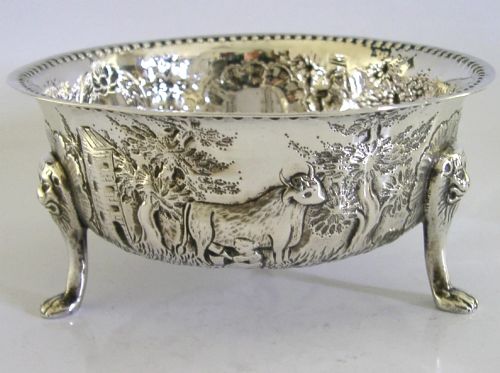
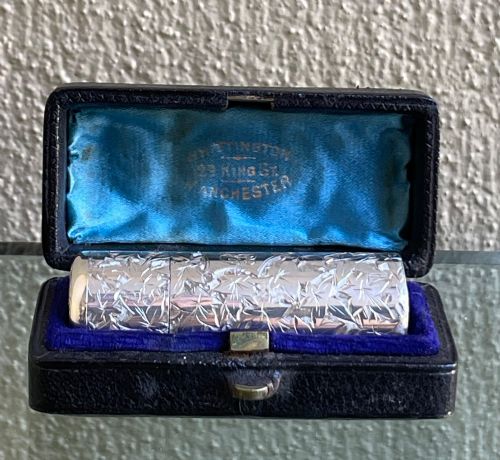
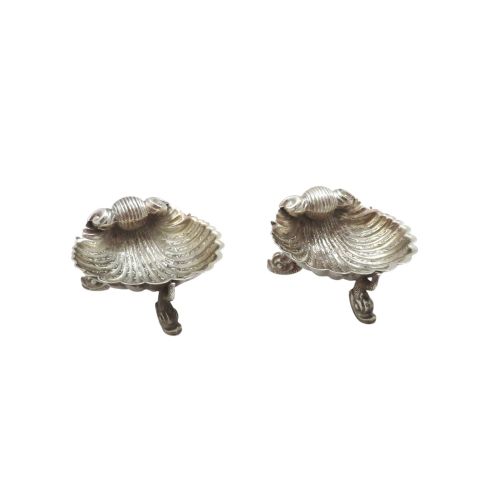
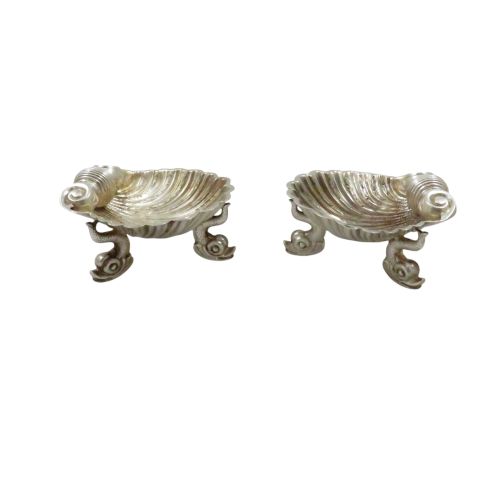
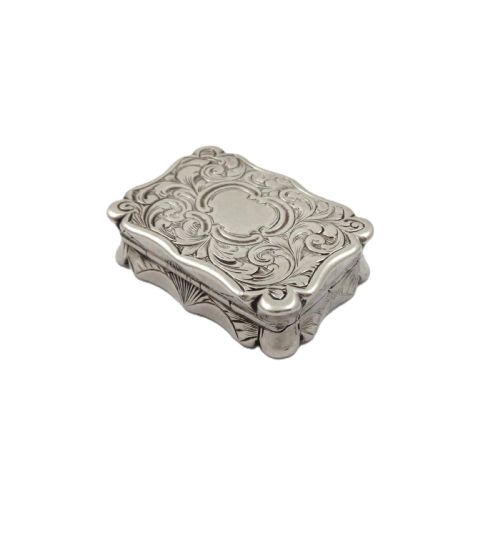
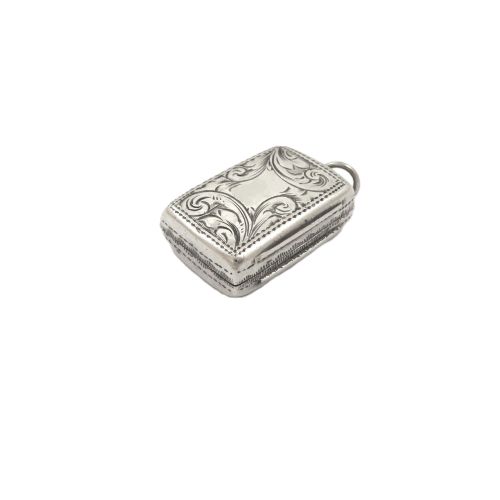
Victorian sterling silver salts form a varied category of small table vessels designed to hold loose salt for individual diners. The pieces found here range from open shell-shaped dishes and pierced serpentine bowls to novelty forms supported by dolphin feet or dolphin motifs.
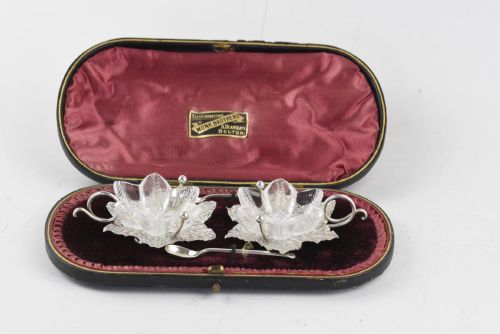
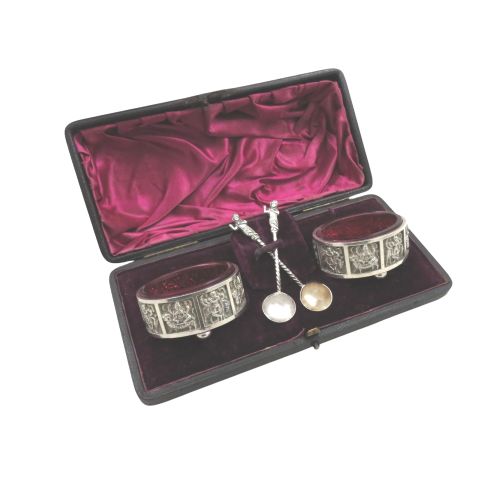
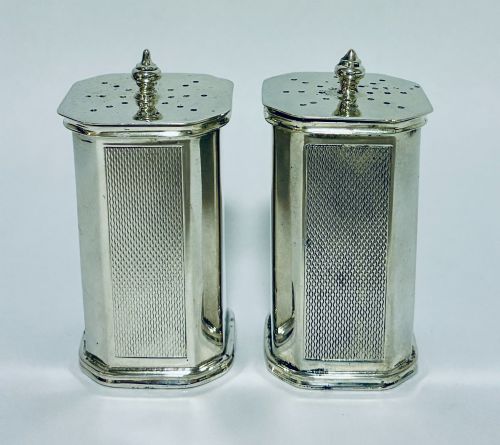
Buyers frequently encounter pairs of matched open salt cellars, often accompanied by their original spoons and fitted presentation cases. Alongside traditional open dishes, the selection encompasses related tabletop condiment pieces like mustard pots, pepper shakers, and cruet sets from the same era.
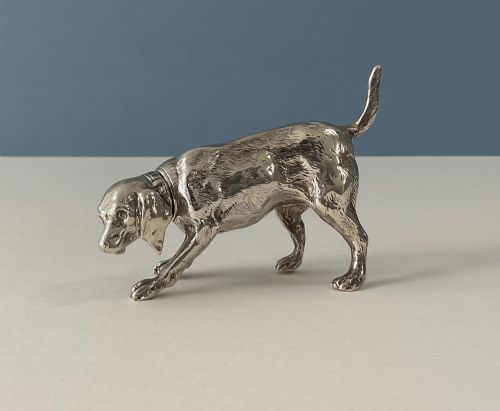
Originating largely from the nineteenth century, these items display the stylistic shifts from early Victorian foliate chasing to later Aesthetic Movement designs and novelty animal subjects. They reflect a period when formal dining required intricate, high-status silver at every place setting.
Silver and Glass Craftsmanship
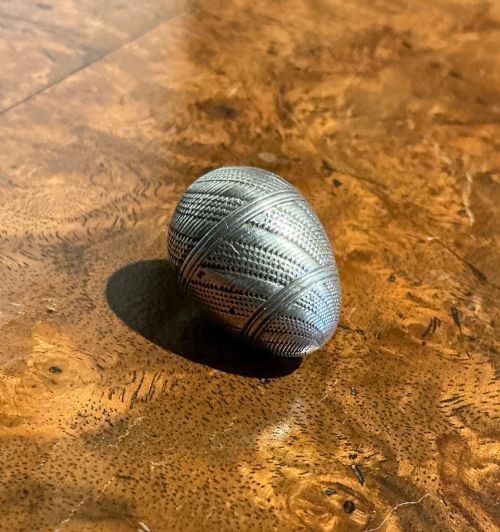
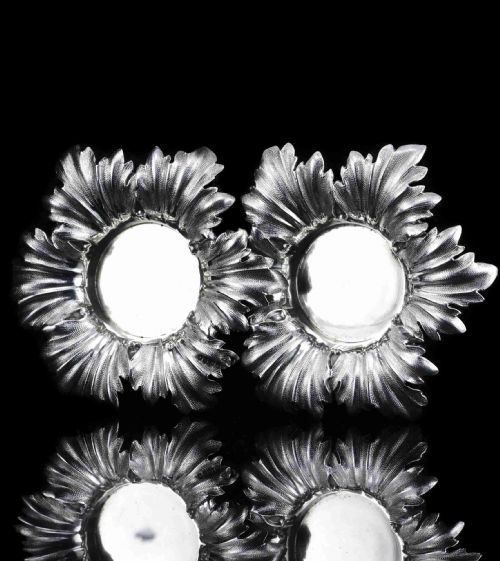
Silversmiths shaped these vessels using traditional techniques of hammering, piercing, and repoussé chasing to create textured surfaces like foliate scrolls or feather patterns. Sterling silver provided the durable body, often formed into thin walls strengthened by decorative pierced cut-outs or heavy cast rims.
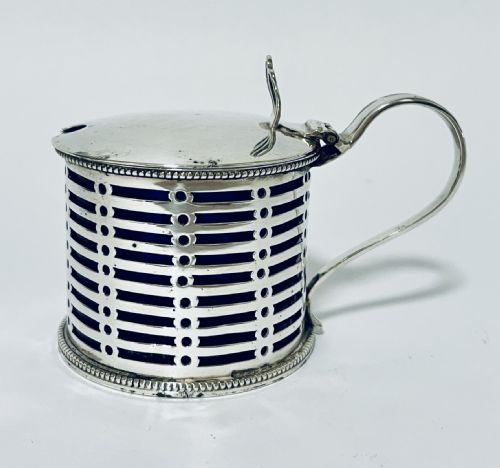
Many open salt cellars required contrasting interior elements, most notably removable cobalt glass, opaline glass, or ruby glass liners to protect the metal from corrosion by salt. Silk, velvet, and leather frequently lined the fitted presentation cases accompanying boxed pairs of salts and spoons.
Victorian Sterling Silver Salts Retail Price Guide 2026
Typical asking prices for victorian sterling silver salts among the pieces listed under this phrase on Sellingantiques today, from the lower quarter to the upper quarter. They describe what is for sale here now, not the wider market.
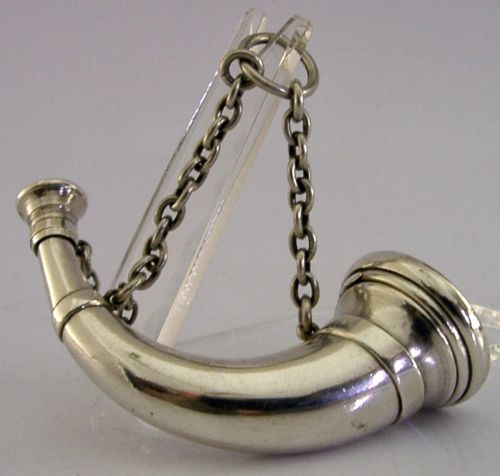
Victorian diners seasoned their meals watched over by tiny silver owls, hunting horns, and cradles.
The Markers of Fine Workmanship
The presence of undamaged, original coloured glass liners and matching silver spoons within a fitted case elevates a piece significantly. Furthermore, clear hallmarks from noted makers indicate a higher level of workshop accountability and material purity.
Horton & Allday·Sampson Mordan·Barnards·Nathaniel Mills·Edward Smith·Hamilton & Inches
The Victorian Sterling Silver Salts Glossary
- Sterling silver
- An alloy consisting of 92.5 percent silver and 7.5 percent other metals, usually copper, providing the standard durability for British tableware.
- Salt cellar
- A small vessel used to hold salt on the dining table before the invention of the spring-loaded shaker. Open versions required diners to pinch the salt out directly or use a tiny spoon.
- Cobalt glass
- A deep blue glass frequently utilised for the removable liners inside silver salt cellars. It protected the silver from chemical reactions while adding a striking colour contrast.
- Chasing
- A metalsmithing technique where the artisan hammers metal from the front to push and shape intricate surface designs like foliage or crests.
- Pierced work
- The method of cutting decorative open patterns through sheet silver, creating light, airy frameworks common in Victorian tableware.
Victorian Sterling Silver Salts: Frequently Asked Questions
How were salt cellars used?
Diners used salt cellars by taking a pinch of salt from the open vessel using their fingers or a tiny salt spoon, then placing it directly onto the edge of their plate.
Unlike modern shakers that dispense grains through holes, these open dishes exposed the condiment freely on the dining table as part of a formal place setting.
Are glass liners original?
Many surviving salt cellars retain their original cobalt, opaline, or ruby glass liners, which were blown and ground to fit the specific interior dimensions of the silver bowl.
Because glass breaks easily over generations of use, replacement liners are common and collectors look closely for a snug, period-appropriate fit.
How do I clean silver salts?
Silver salts require gentle cleaning with a specialist silver cloth or mild polish to preserve the fine details of the chased surfaces and hallmarks.
Harsh abrasive dips should be avoided, especially on pieces with glass liners, velvet-lined presentation cases, or delicate gilt interiors known as vermeil.
What is a novelty salt?
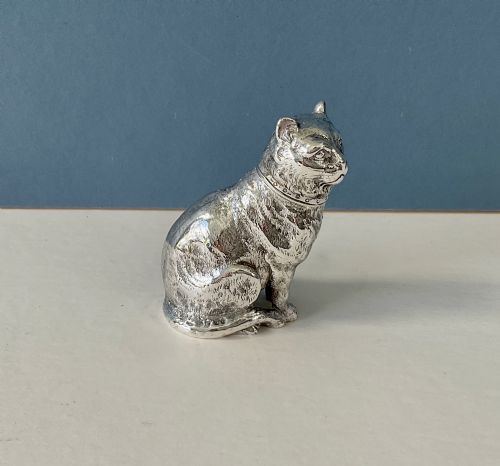
Novelty salts are condiment vessels fashioned into playful, unconventional shapes rather than standard geometric or pedestal bowls.
Victorian silversmiths designed these pieces in whimsical forms such as birds, cats, top hats, or baby cradles to amuse guests at elaborate dinner parties.