

Antique Sterling Pocket Box
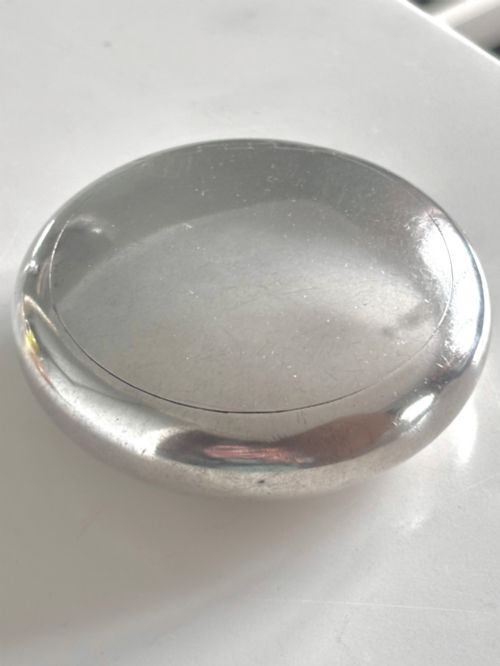
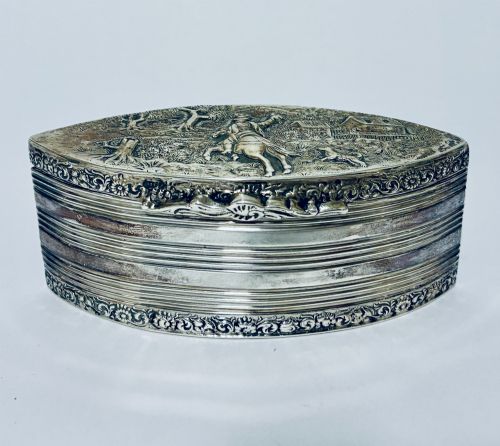
An antique sterling pocket box is a portable receptacle for tobacco, snuff, matches or coins, crafted to fit neatly into a gentleman or lady's waistcoat or reticule.
Antique Sterling Pocket Box
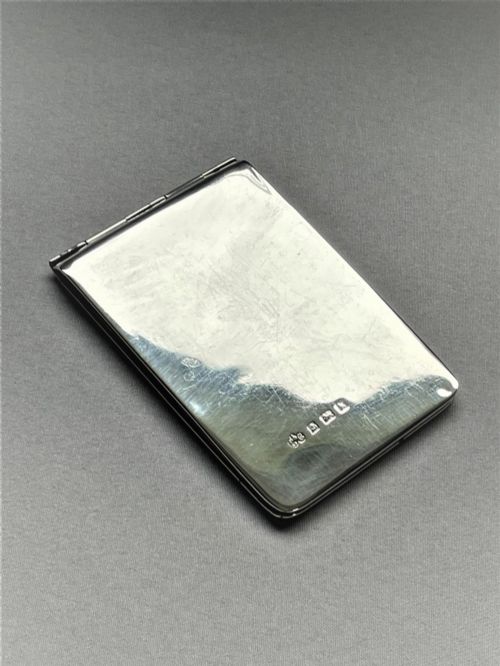
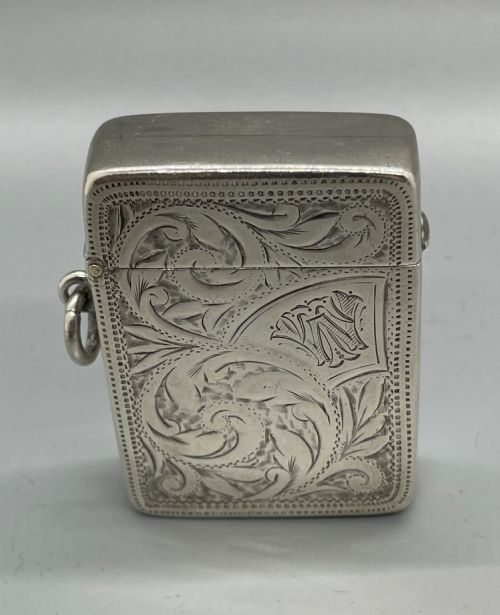
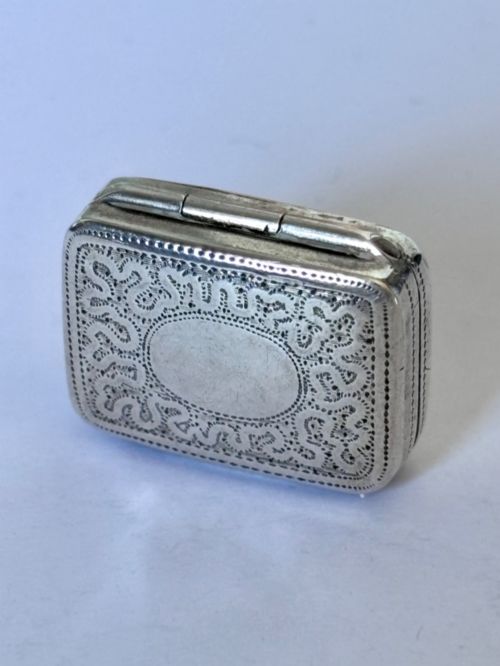
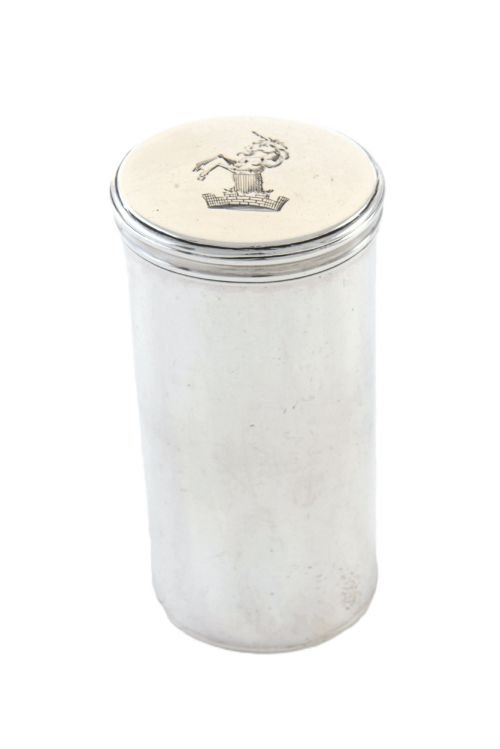
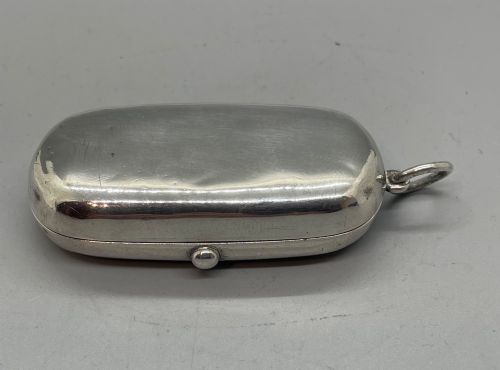
An antique sterling pocket box encompasses a variety of small functional containers including snuff boxes, vesta cases, card cases, vinaigrettes, cigarette cases, sovereign cases, stamp cases, and nutmeg graters. These items emerge across the Georgian, Victorian, Edwardian, and Art Deco periods, spanning the nineteenth and early twentieth centuries.
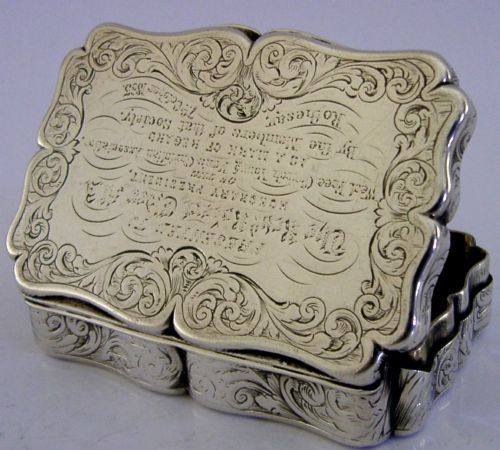
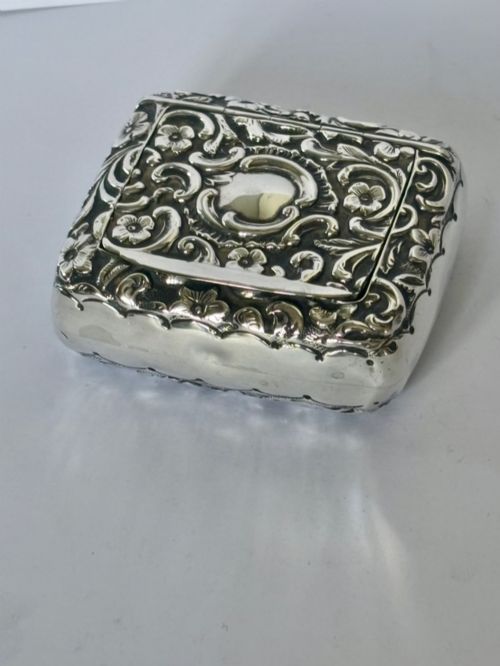
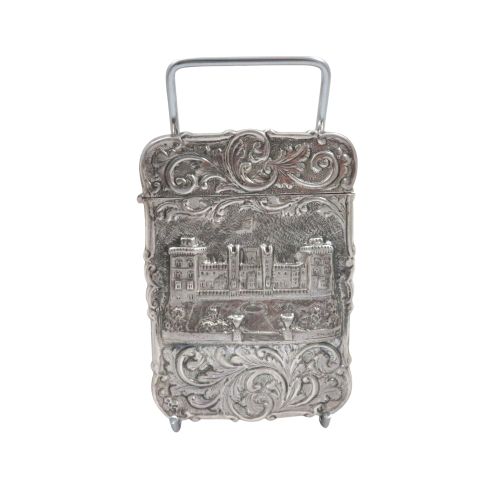
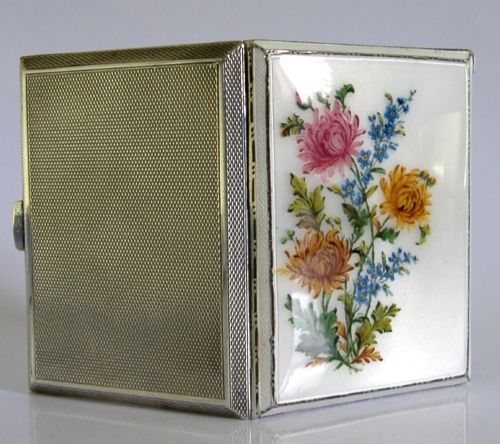
The pieces on this page range from plain squeeze tobacco boxes and kidney-shaped vestas to heavily chased silver gilt snuff boxes, castle top card cases, and enamel-decorated cigarette cases. Makers from Birmingham, London, and Sheffield produced these pocket companions in solid sterling silver, frequently incorporating silver gilt, glass, enamel, or leather.
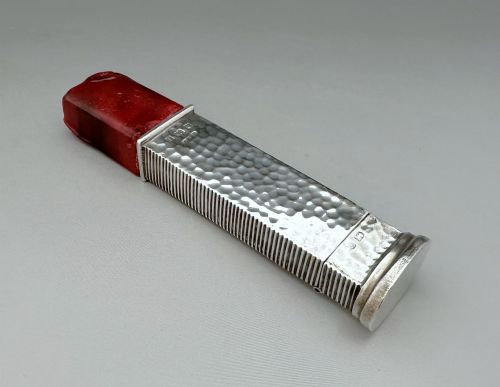
Collectors encounter specialised combinations such as a vesta and sealing wax combo, a combination sovereign and vesta case, or a wallet and stamp case. Forms vary from novelty designs like double-ended cigars and books to figural pieces featuring dogs, stags, and chrysanthemums.
Materials and Techniques
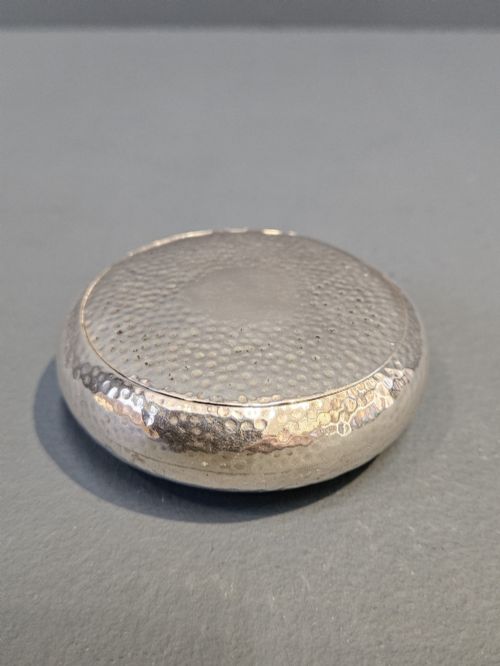
Silversmiths constructed these pocket boxes using sterling silver, frequently applying silver gilt interiors or total gilding to protect the metal from corrosive contents like snuff and vinegar sponges inside vinaigrettes. Planished finishes, embossed floral borders, and engine-turned engravings demonstrate the prevalent metalworking techniques of the Victorian and Edwardian eras.
Decorative elements involve hand-painted enamel, such as chrysanthemums and pug dog motifs, alongside applied gemstones like orange agate. Certain items integrate external materials like crocodile skin leather, glass, or silk linings to complement the solid silver structure.
Listings feature sterling silver pocket boxes spanning the Georgian, Victorian, Edwardian, and Art Deco periods, incorporating enamel, silver gilt, and glass.
Craftsmanship and Detail
Quality in an antique sterling pocket box rests on the crispness of the chasing and engraving, visible in architectural castle top card cases or floral chased snuff box borders. Sharp relief work and securely hinged lids that shut flush indicate superior silversmithing execution.
Aaron Lufkin Dennison·Henry Matthews·Thomas Johnson·Sampson Mordan And Co·Nathaniel Mills·Robert Thornton·Thomas Shaw·Edward Smith·Joseph Willmore·Crisford And Norris·Mappin And Webb
The Antique Sterling Pocket Box Glossary
- Vesta case
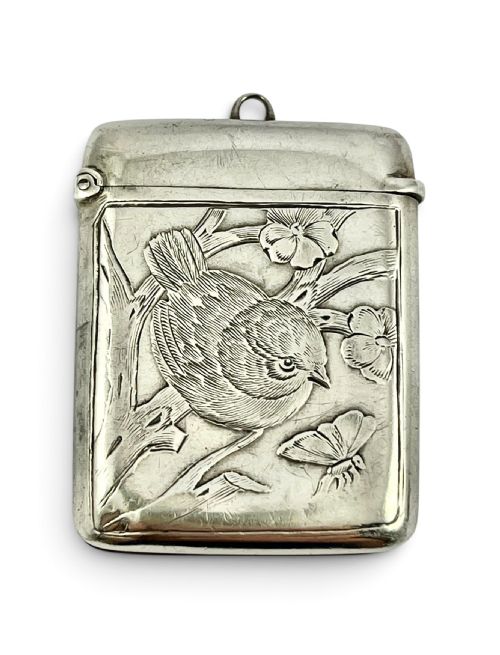
- A small pocket container designed to hold matches, featuring a striated strip on the base to strike them. These boxes date predominantly from the Victorian and Edwardian eras.
- Vinaigrette
- A small ornamental box containing a perforated inner grille, used to hold a sponge soaked in aromatic vinegar. They are frequently found in silver gilt from the Georgian period.
- Sovereign case
- A circular pocket holder engineered to store gold sovereign and half-sovereign coins securely with internal spring mechanisms. They appear frequently in late Victorian and Edwardian inventories.
- Castle top
- A descriptive term for card cases and snuff boxes featuring a high-relief engraving of a famous building or landmark on the lid. Nathaniel Mills is particularly associated with this style.
- Planished
- A metal surface finish achieved by hammering with a small round-faced tool to create subtle, uniform facets. This technique appears on Edwardian tobacco boxes.
Antique Sterling Pocket Box: Frequently Asked Questions
What is a vesta case used for?
A vesta case was designed to carry safety matches safely in the pocket before the widespread availability of lighters. The textured strike on the bottom allowed the user to ignite a match instantly.
Today, these small silver boxes serve as compact containers for pills, small trinkets, or display collections.
How do I identify a vinaigrette?
A vinaigrette resembles a small snuff box but contains a pierced or hinged interior grille. Lifting the outer lid reveals this inner plate, which held a vinegar-soaked sponge for freshening the air.
Georgian and early Victorian examples often feature this gilt interior to prevent corrosion from the acidic contents.
Can I still use a sovereign case?
A sovereign case was built to hold standard gold coins securely in internal spring clips. While modern currency has changed, collectors still use them to store antique coins or small medallions.
The mechanical hinges and push buttons require gentle handling to preserve their original function.