

Antique Statue Stands
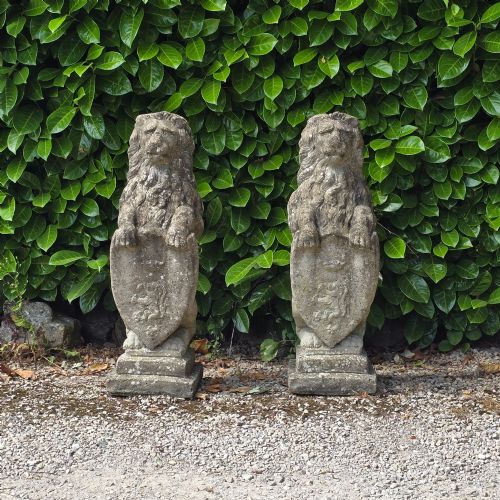
These antique statue stands provide a solid architectural base to elevate figures, urns and decorative objects within a room.
Antique Statue Stands
When searching for antique statue stands, buyers encounter a diverse grouping of supportive columns, pedestals, plinths and display bases designed to elevate sculptural works. These items function primarily to display figures, bronzes and decorative vases at an optimal viewing height.
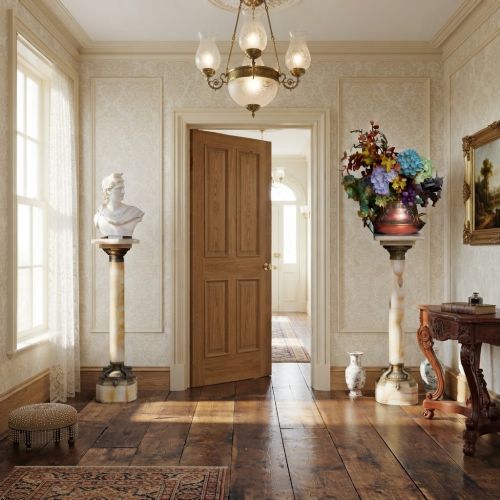
The selections available range from 16th century carved wooden elements to Victorian marble columns and French onyx pedestals with ormolu collars. Neoclassical forms and 19th century French display columns frequently appear alongside carved wood and faux marble versions.
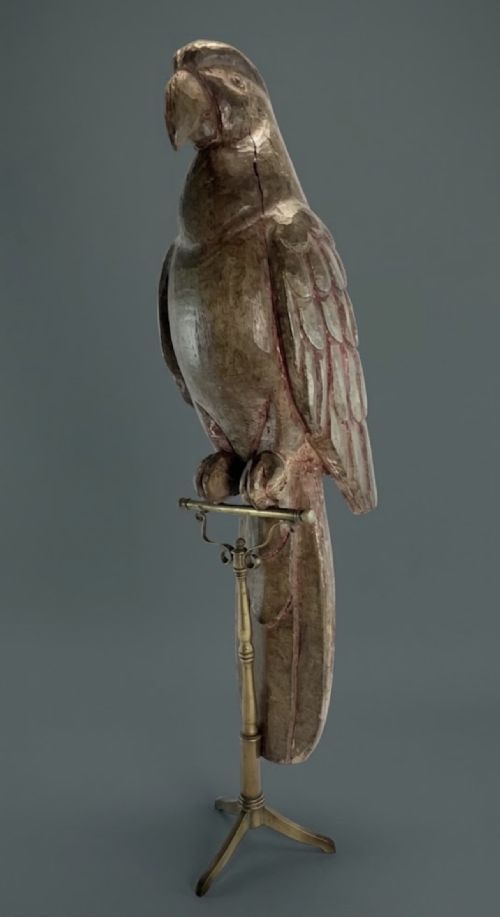
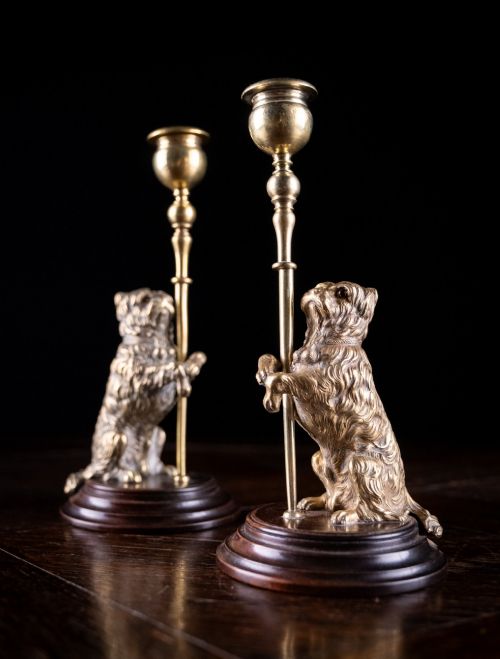
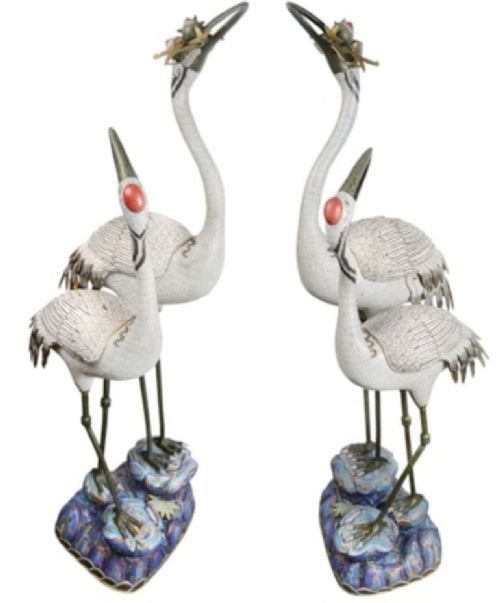
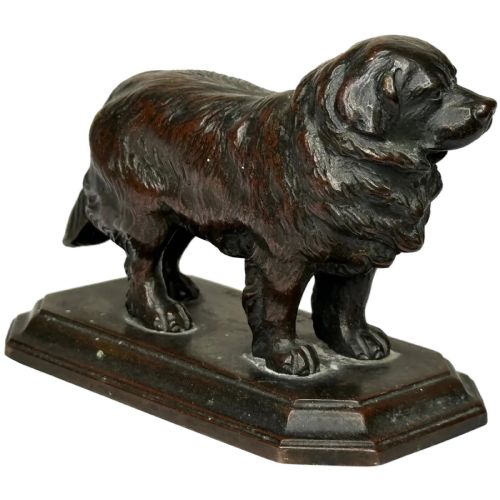
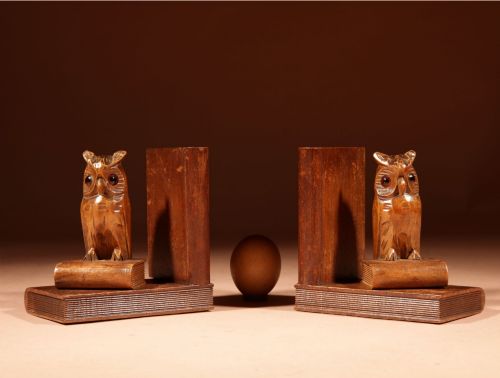
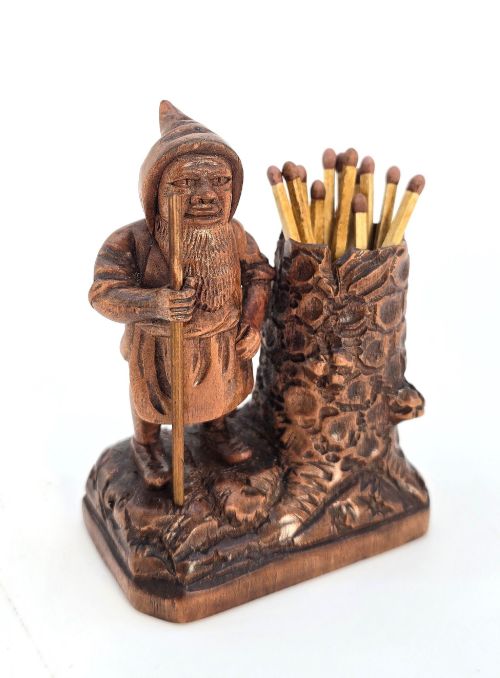
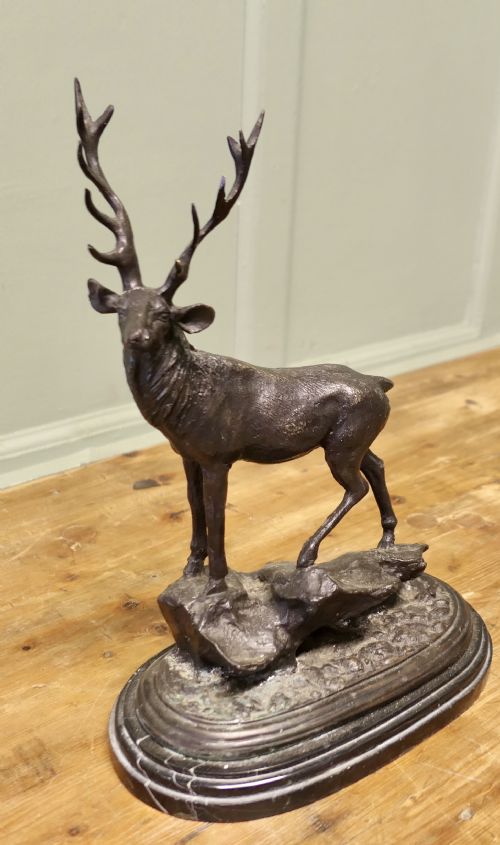
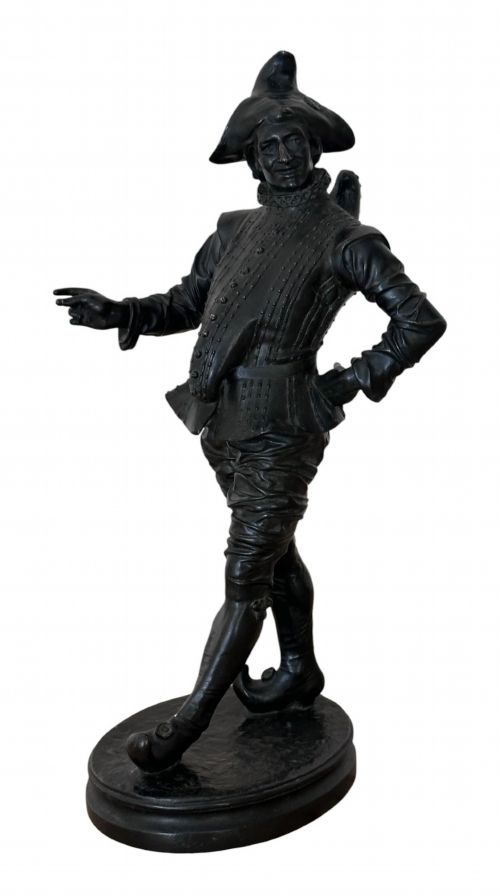
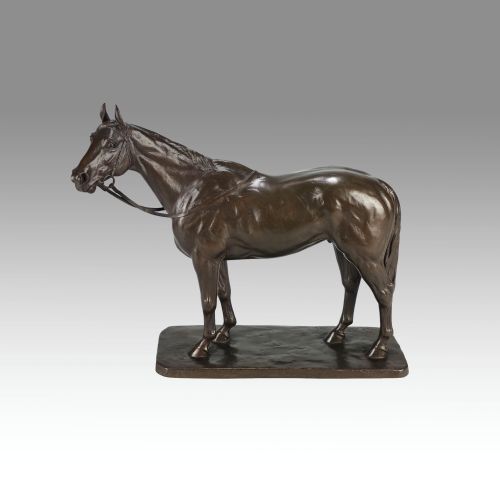
Many listings incorporate integrated stands attached directly to sculptures, such as bronze stags set on marble plinths, carved wooden birds on brass stands, and figures mounted on dedicated architectural columns. These combined pieces merge the display function with the sculptural work itself.
Materials and construction methods
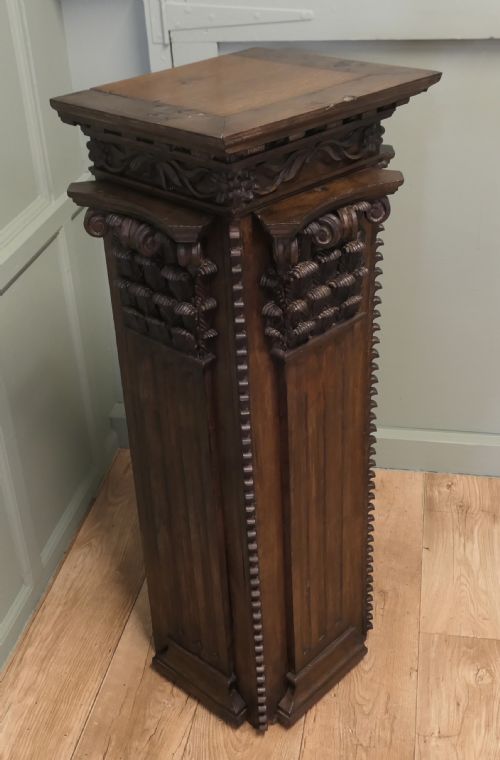
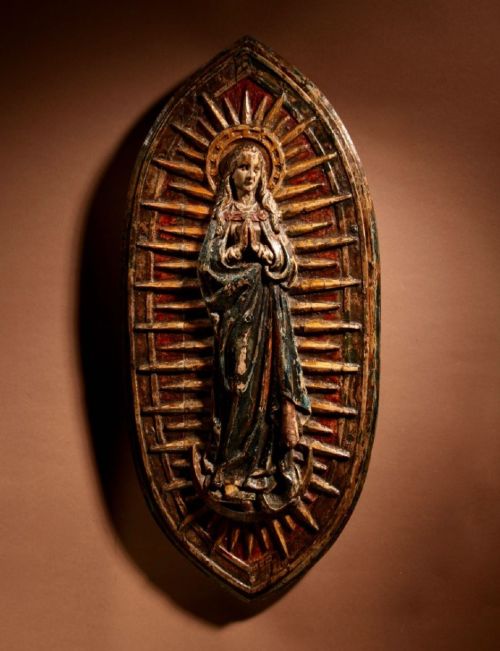
Natural stones including marble, onyx, alabaster and jadeite provide substantial weight and rigidity for structural columns and display bases. Wood varieties such as oak, satinwood, limewood and hardwood are shaped through traditional carving techniques, often complemented by lacquer or polychrome paint finishes.
Metal components utilise casting methods, seen in bronze, brass, spelter, sterling silver and gilt bronze elements. Cold-painted surfaces and patinated finishes are applied to metals and chalk figures to achieve specific colour depths and tonal variations.
Composite constructions bring together disparate materials within a single piece, pairing marble sections with ormolu collars or setting carved wooden figures upon dedicated metal stands. Marquetry techniques also appear on wooden pedestal tables designed to carry jardinieres and heavy decorative items.
Several animals take permanent watch on these stands, including carved wooden parrots, bronze stags, resting pugs and fighting cockerels.
Distinctions in quality
The refinement of the carving and casting defines the upper tier of these pieces, where botanical details, facial expressions and drapery folds exhibit sharp execution. Lesser examples rely on simplified surface rendering and softer definition in moulded plaster or cast spelter.
Material selection and structural integrity dictate longevity, particularly in columns and pedestals that must bear considerable weight without shifting. Solid marbles, dense hardwoods and heavy cast bronzes demonstrate superior material integrity compared to thin veneers or softer chalk compositions.
The coherence of the design partnership between the support and the mounted object determines overall success. Masterworks integrate the stand or plinth as an organic extension of the sculpture, whilst lower quality items display arbitrary pairings of mismatched periods or materials.
Bruno Zach·P Granet·Kunio Itô·PJ Mene·Georges Van Der Straeten·Franz Bergman·Fabergé·Fritz Kochendorfer·Jean Jules Salmson
The Antique Statue Stands Glossary
- Ormolu
- Gilt bronze mounted as an ornamental trimming or collar on furniture and stone columns. This decorative application became popular in French 19th century manufacturing.
- Pedestal
- An architectural support or base for a column, statue or vase. These structures raise objects above floor level to improve visibility.
- Plinth
- A heavy flat slab serving as a square base for a statue, column or vase. It provides a stable foundation on uneven surfaces.
- Torchere
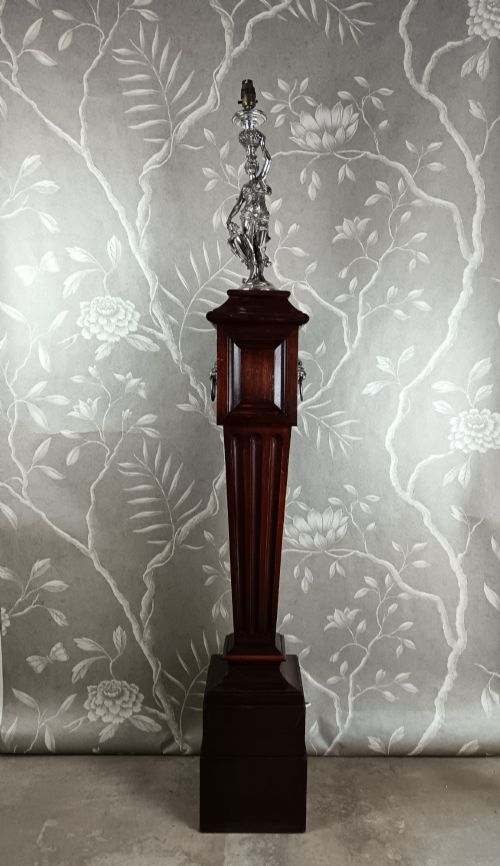
- A tall ornamental stand intended to carry a lamp or light fitting. These decorative supports often feature figural statuary.
- Patination
- The surface alteration or colour change developed on bronze, wood or metal over extended periods. Natural patination results from age and handling.
Antique Statue Stands: Frequently Asked Questions
What is the difference between a pedestal and a plinth?
A pedestal is a tall architectural column or stand designed to elevate an object significantly above the ground. It typically includes a base, a shaft and a capital.
A plinth is a low flat slab that forms the immediate bottom foundation for a statue or column. It sits directly on the floor or atop a pedestal to anchor the piece.
How do I choose the right height for a display stand?
Consider the viewing angle of the room and the height of the sculpture you intend to place upon it. Taller columns work well in open hallways, whilst shorter pedestals suit seated viewing areas.
Ensure the top surface area of the stand exceeds the footprint of the statue to maintain physical stability.
Can these stands support heavy marble sculptures?
Solid marble, heavy bronze and dense hardwood pedestals are engineered to bear substantial weights safely. Stone columns and solid timber shafts provide the necessary load-bearing capacity for massive items.
Lighter materials such as plaster or hollow chalk figures lack the structural strength required for heavy stone loads.
How do I identify a 19th century French column?
French columns from the 19th century frequently combine contrasting materials such as marble shafts with gilt bronze or ormolu collars. Neoclassical motifs and fine carpentry are common characteristics.
Examine the underside and joints for period-appropriate fixings, hand-cut screws and natural wear patterns consistent with age.