


Antique Satinwood Column
These antique satinwood column forms bring luminous grain and refined classical proportion into a room, offering genuine utility as display pieces.
Antique Satinwood Column
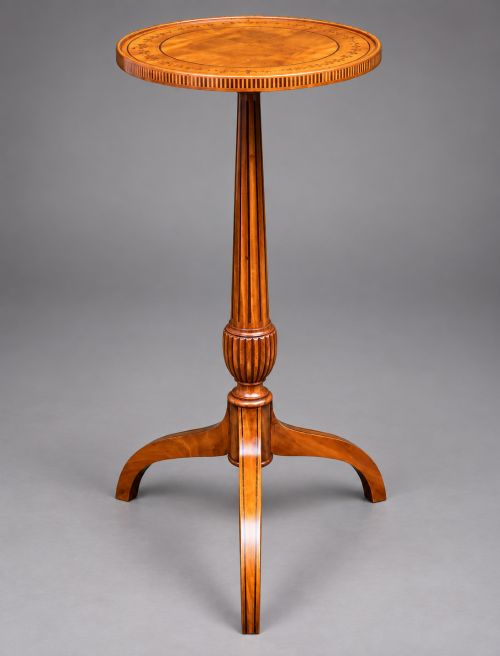
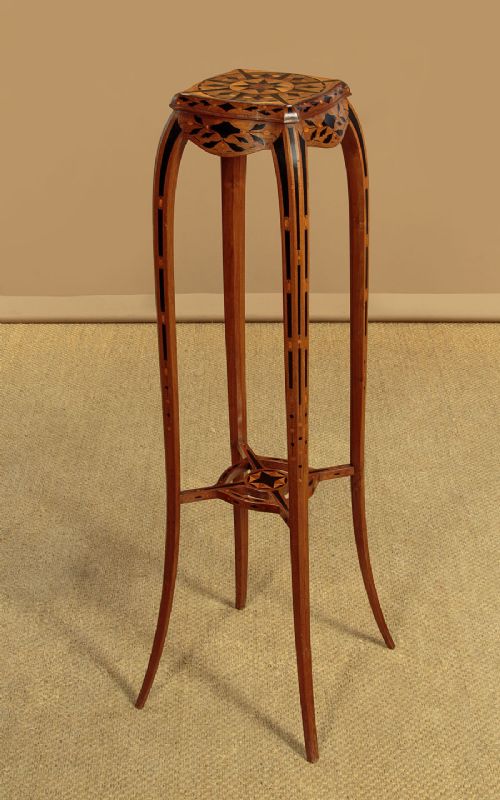
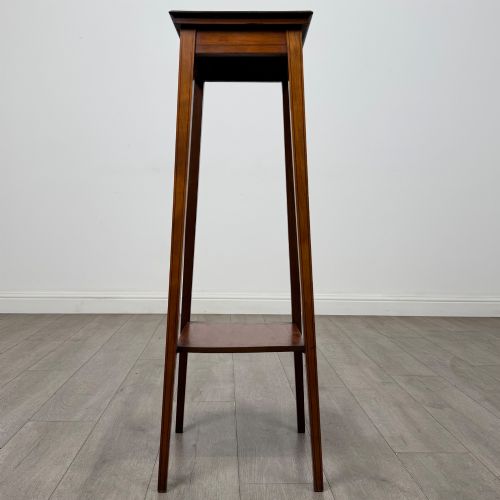
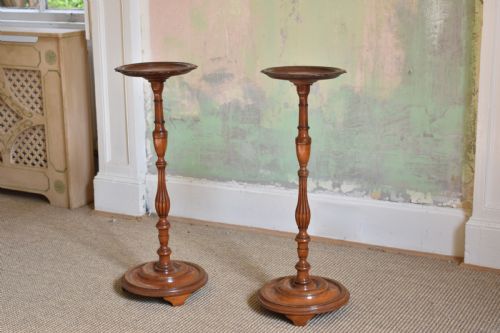
An antique satinwood column generally appears in forms such as plant stands, torcheres, occasional wine tables, and pedestals across nineteenth-century and early twentieth-century periods. Buyers searching this phrase look for tall, slender supports that showcase the distinctive pale, shimmering character of the timber within domestic spaces.
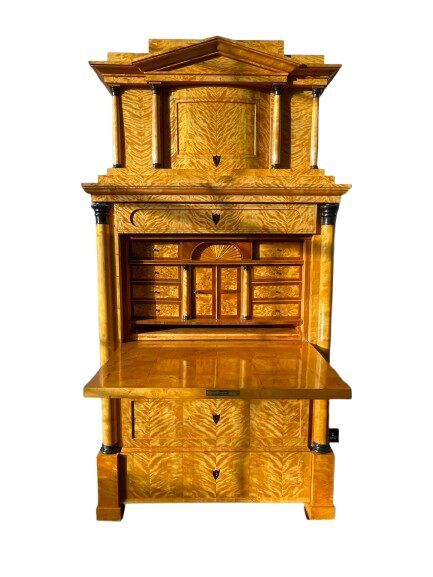
The pieces on this page span Victorian, Edwardian, and Georgian periods, alongside Sheraton Revival and Biedermeier styles, indicating how makers adapted classical architectural columns into functional furniture. Most examples function as elevated platforms for display or occasional use, utilising the visual lightness of satinwood to brighten corners and halls.
Origin variations include English revival pieces and continental European interpretations, such as French work and Biedermeier design. This variety ensures that whether a buyer needs a matched pair of pedestals or a single torchere, the architectural influence remains central.
Materials and construction methods
Makers utilised satinwood as a primary veneer or solid timber, often pairing it with contrasting woods like mahogany and rosewood or incorporating inlaid woods to define architectural details. The timber requires careful selection to capture the characteristic chatoyant grain that reflects light across the curved surfaces of a column.
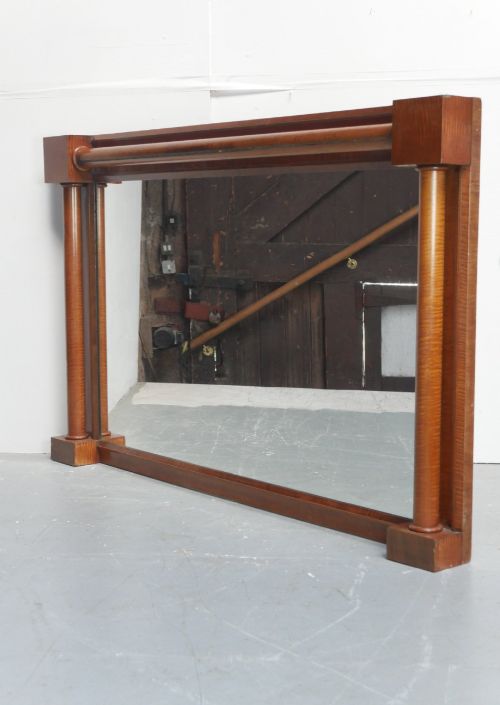
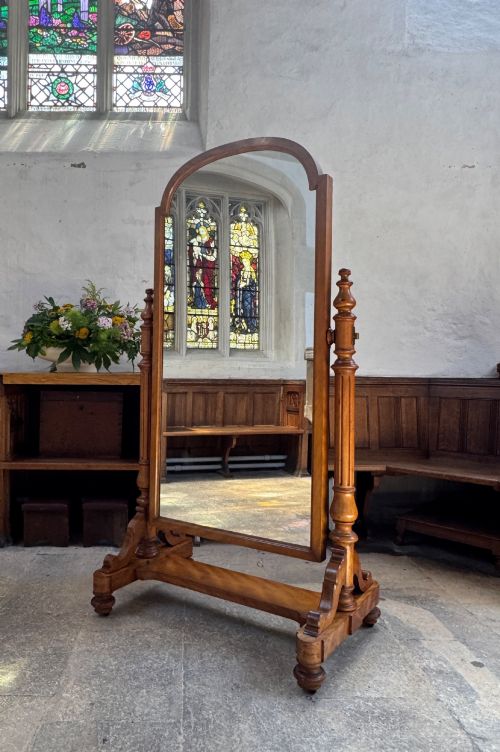
Construction frequently involves turning the timber on a lathe to form the central column shaft, supported by stepped bases and circular or square capitals. Additional decorative elements include brass mounts and glass components, particularly seen in clock cases and mirrored pieces that accompany these forms.
Materials documented across the inventory include satinwood, satin birch, mahogany, rosewood, brass, glass, marble, and inlaid specimen woods.
Distinctions in construction and design
The caliber of an antique satinwood column rests in the choice of timber figure and the precision of the turning and joinery. Higher quality examples display a rich, uniform chatoyancy across the grain without disruptive flaws, paired with crisp execution of inlaid details and Sheraton Revival motifs.
Proportion and stability separate standard utility pieces from exceptional works. The relationship between the slender shaft, the weighted base, and the upper platform dictates both the visual grace and the physical balance of the stand.
The Antique Satinwood Column Glossary
- Satinwood
- A hard, durable timber known for its yellowish-brown colour and high natural sheen. It takes a fine polish that accentuates its distinctive shimmering grain.
- Torchere
- A tall, slender stand designed to hold a candle or lamp. In later periods, these served primarily as plant stands or decorative display pedestals.
- Chatoyancy
- An optical reflectance effect shown by the undulating grain of woods like satinwood. This property creates a luminous, cat-eye appearance when viewed from different angles.
- Sheraton Revival
- A late nineteenth-century design movement inspired by the neoclassical furniture of George Sheraton. It emphasises classical restraint, satinwood veneers, and delicate marquetry.
- Pedestal
- An architectural support or base for a statue, vase, or urn. In furniture, it provides an elevated platform with a column-like shaft.
Antique Satinwood Column: Frequently Asked Questions
What is an antique satinwood column used for?
These pieces primarily serve as elevated display surfaces for plants, vases, urns, and decorative objects within a room. Their slender proportions allow them to occupy tight corners or hallways without crowding the floor plan.
They also function as occasional wine tables or torchere stands depending on the specific top configuration. The architectural presence adds vertical interest and classical balance to interior schemes.
How do I distinguish Edwardian satinwood from Victorian pieces?
Edwardian examples often display lighter, airier interpretations of classical design, frequently drawing on Sheraton Revival influences with delicate inlaid woods. Victorian pieces tend to show heavier construction and bolder use of timber figures.
Examining the secondary woods and construction techniques helps confirm the period. Edwardian workshop practices also introduced different finishing compounds compared to mid-nineteenth-century methods.
Are these columns strong enough for heavy items?
Most antique columns are engineered to support substantial decorative objects, urns, and plants safely. The weight distribution relies on a stable, widened base beneath the vertical shaft.
However, tall slender stands require placement on level flooring to prevent tipping. Buyers should consider the surface area and weight capacity of the specific top platform before displaying exceptionally heavy sculptures.
How do I care for satinwood furniture?
Satinwood benefits from placement away from direct sunlight and strong heat sources, which can dry out the timber and fade the grain. Regular dusting with a soft, dry cloth maintains the polished finish without buildup.
Avoid using silicone-based polishes or excessive moisture on the veneer. Traditional wax applied sparingly helps preserve the natural lustre of the wood over time.