


Golden Brown Pedestals
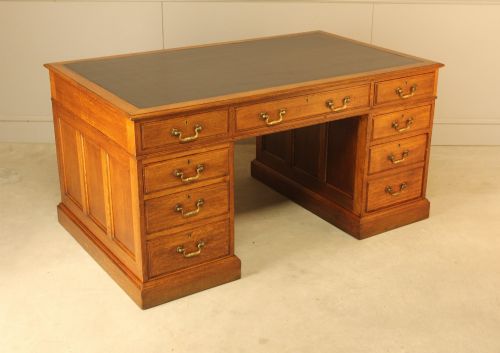
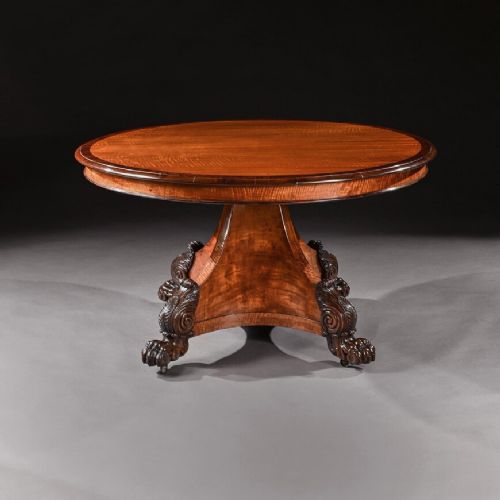
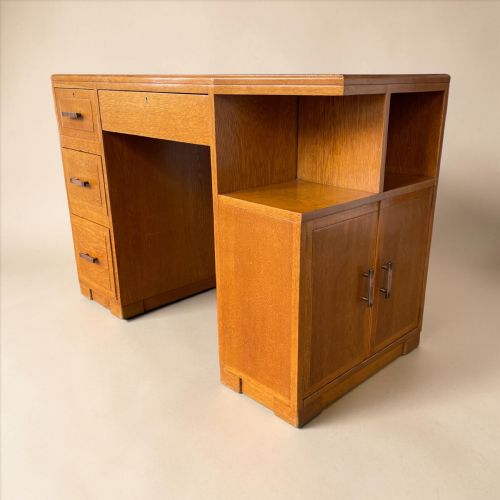
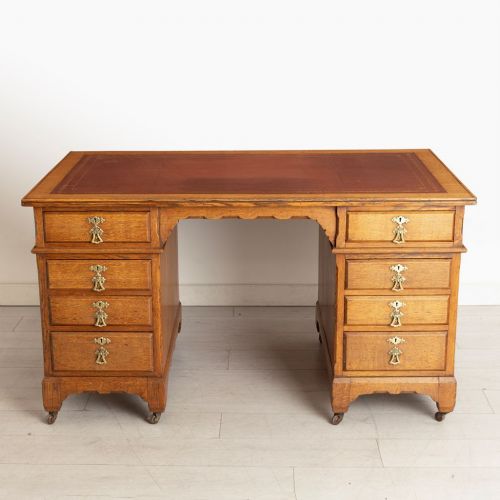
These golden brown pedestals and related pieces offer rich timber tones and solid craftsmanship spanning the Georgian, Victorian and Edwardian eras.
Golden Brown Pedestals
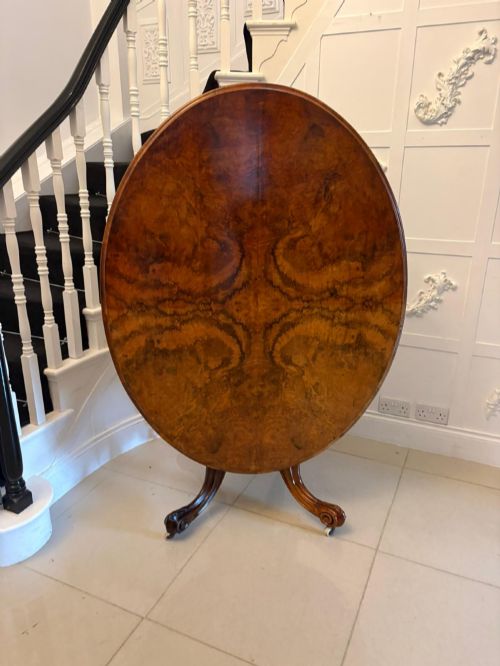
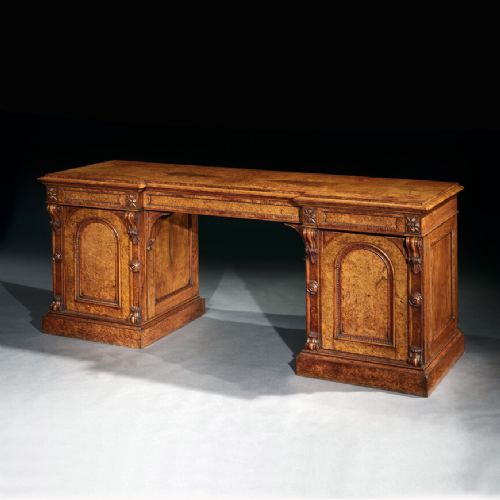
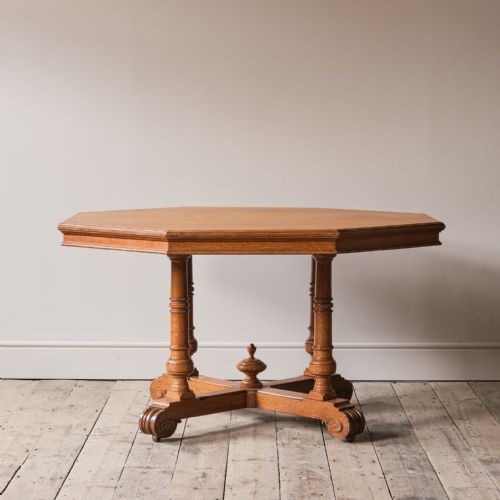
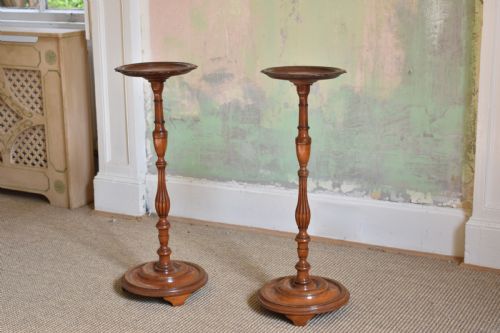
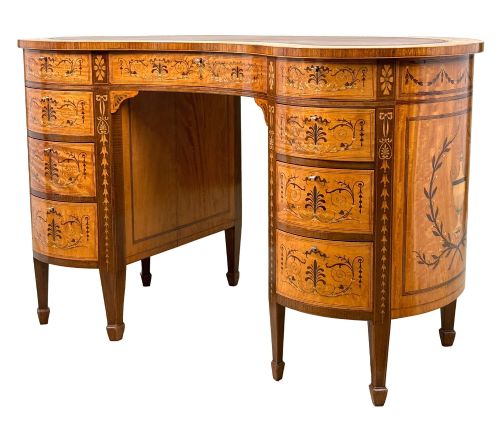
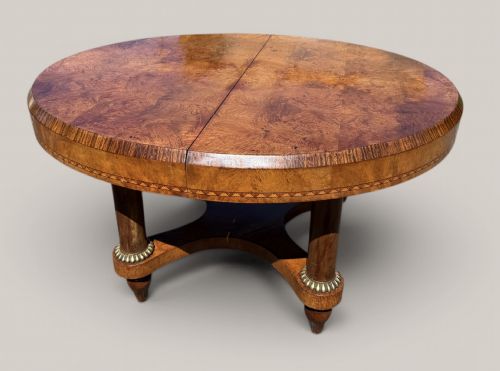
When you search for golden brown pedestals, you encounter a selection of timber items including dedicated pedestals, stands, and tables created across the nineteenth and early twentieth centuries. The pieces range from Victorian satinwood pairs to sturdy oak and burr elm examples.
Most entries showcase rich natural wood figures, from pollard oak to burr walnut and satinwood. These items served functional roles in period interiors, acting as display surfaces or supportive furniture.
Materials and Construction
Makers utilised dense native and exotic hardwoods, selecting timbers like oak, walnut, ash, and elm for their durability and distinctive grain patterns. Burr veneers provided striking visual movement on tabletops and pedestals.
Inlaid details and careful joinery defined the cabinetmaker's craft across the Georgian and Victorian periods. Solid construction methods ensured stability for items designed to bear weight or hold decorative objects.
Listings span multiple historical periods, including Georgian, Regency, Victorian, Edwardian, and Art Deco eras.
Judging Quality
Quality rests in the selection of the timber veneer and the crispness of any inlaid decoration. Richly figured burr walnut or figured satinwood elevates a piece above standard utility items.
Proportion and structural integrity separate fine cabinetwork from simpler workshop output. Refined turning on pedestals and balanced proportions indicate skilled execution.
Edwards & Roberts·Peters of Genoa
The Golden Brown Pedestals Glossary
- Burr Walnut
- A timber obtained from walnut tree growths, producing swirling, complex grain patterns highly prized for cabinet veneers. It adds distinctive visual depth to tabletops and furniture panels.
- Satinwood
- A luminous hardwood known for its golden sheen and smooth texture, often utilised in fine eighteenth and nineteenth-century pieces. It takes a high polish that enhances its reflective qualities.
- Pollard Oak
- Oak timber harvested from trees that were pollarded, resulting in gnarled, tightly patterned wood grain. This material was favoured for formal sideboards and tables during the nineteenth century.
- Pedestal
- A structural support or column holding up a table top, desk, or sculpture. In this context, it also refers to standalone columns used for display.
Golden Brown Pedestals: Frequently Asked Questions
What woods are typical for these pieces?
The selection relies heavily on decorative hardwoods such as satinwood, burr walnut, pollard oak, and burr elm. These timbers were chosen for their natural warmth and striking grain patterns.
Craftsmen often paired figured veneers with solid secondary woods to create durable items with strong visual presence.
How do I date a pedestal or table?
Dating relies on stylistic clues, construction techniques, and the specific timber trends of periods like the Regency, Victorian, and Edwardian eras. Cabinetmaking styles evolved from formal neoclassical lines to heavier revival forms.
Examining the underside, drawer construction, and secondary framing timbers provides further evidence of the manufacturing period.
How should I care for antique timber?
Protect the surface by keeping wooden furniture away from direct sunlight and maintaining stable room humidity. Regular dusting with a soft, dry cloth preserves the polished finish.
Applying appropriate wax occasionally helps nourish the historic timber without building up heavy residue.