

Classical Neoclassical Columns
Classical neoclassical columns encompass architectural lamps, pedestals and candlesticks designed to bring ancient form into domestic interiors.
Classical Neoclassical Columns
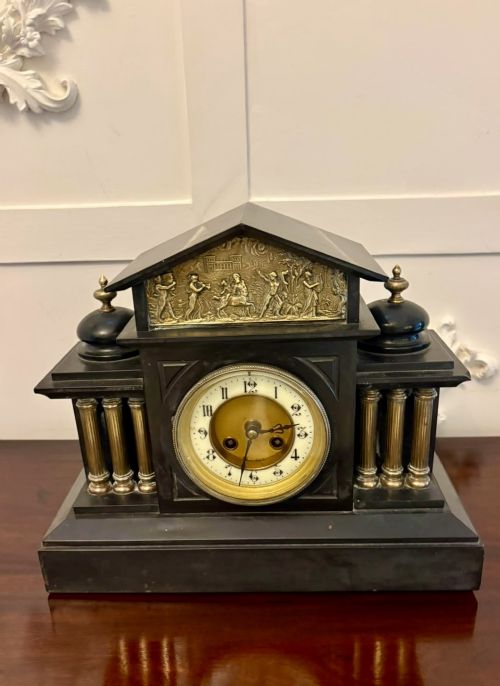
When searching for classical neoclassical columns, buyers encounter a diverse range of items drawing on ancient architectural vocabulary. These pieces span table lamps, candlesticks, pedestals and mantel clocks produced across the nineteenth and twentieth centuries.
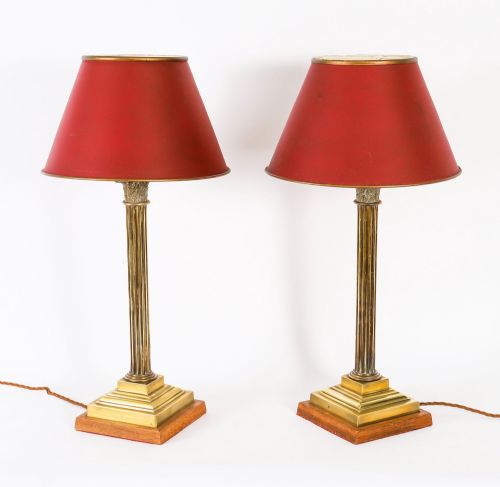
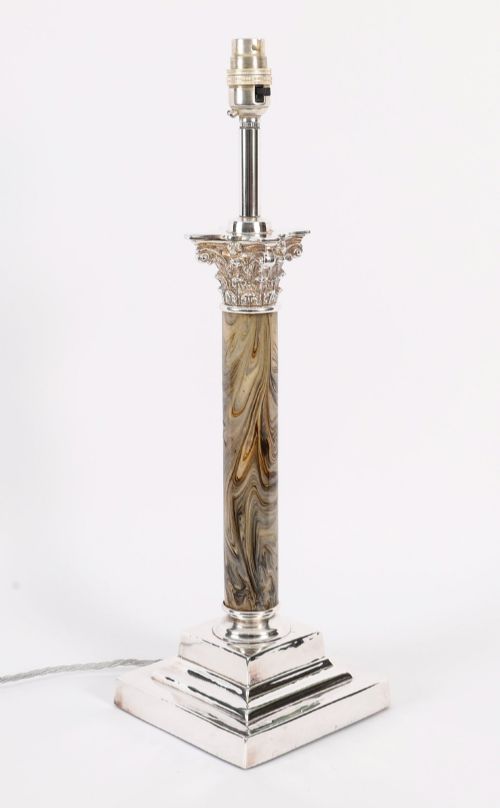
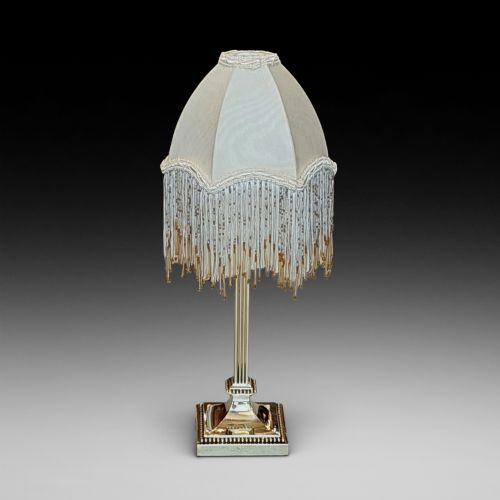
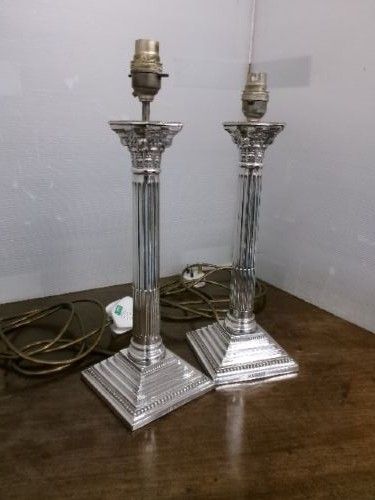
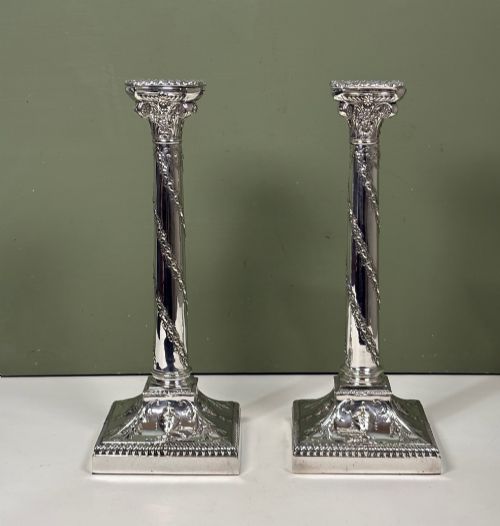
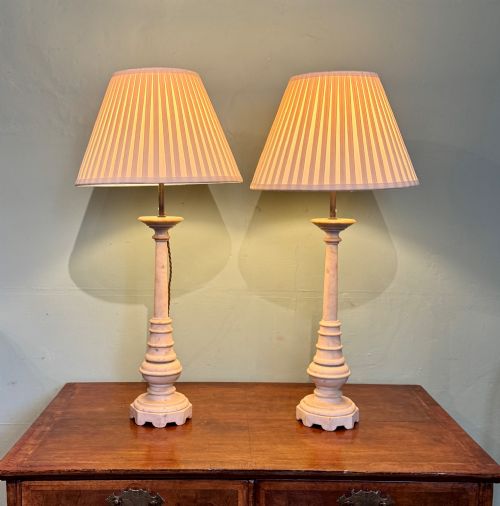
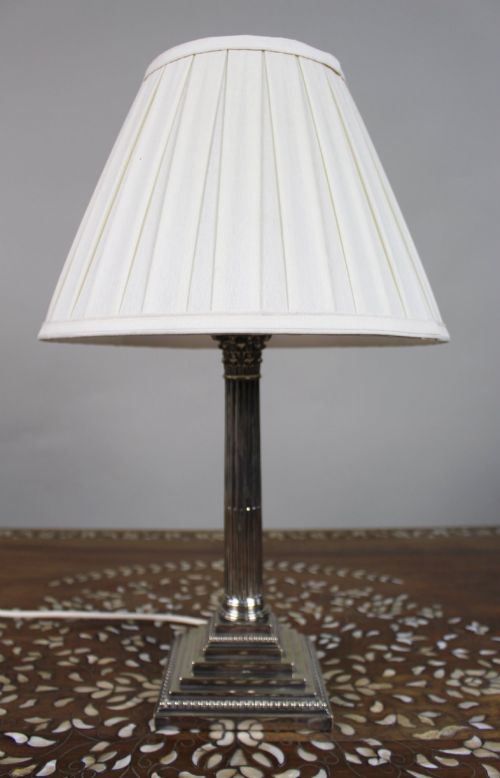
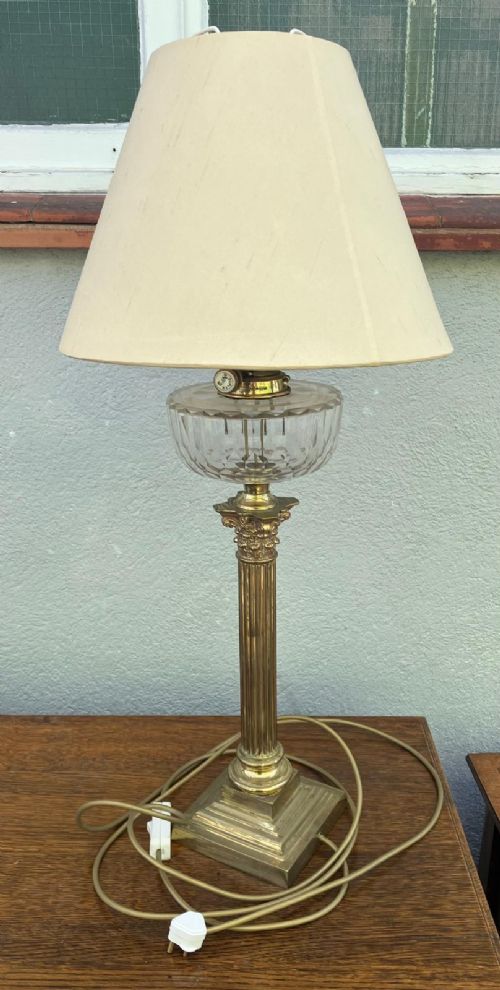
The version most commonly met on this page is the Corinthian column table lamp in brass or silver plate, often dating from the Victorian and Edwardian eras. Alongside these functional lighting pieces appear marble columns, pedestals and Grand Tour items derived from classical antiquity.
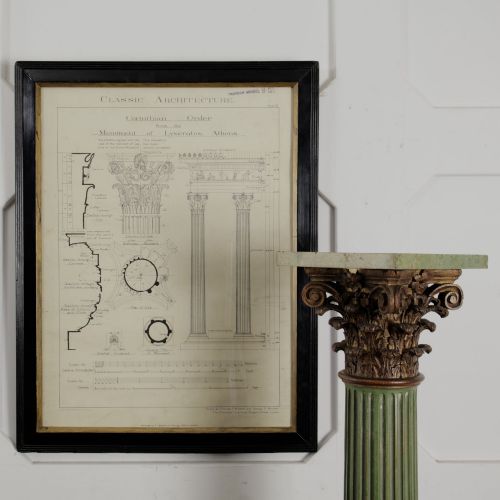
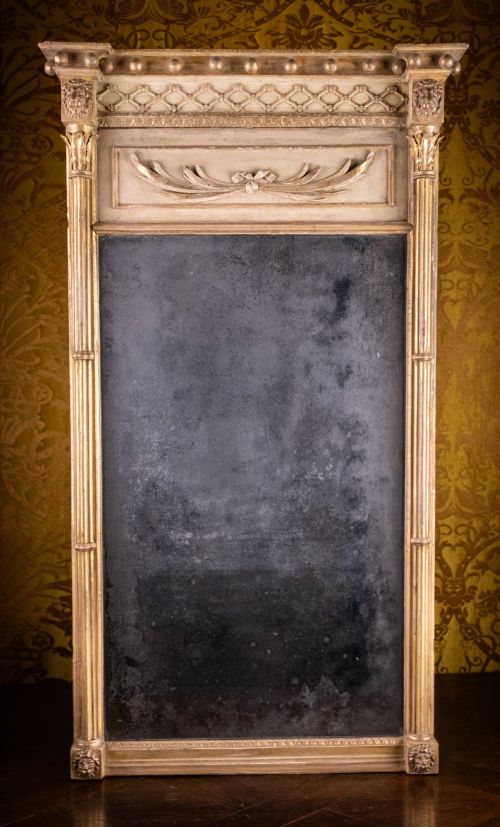
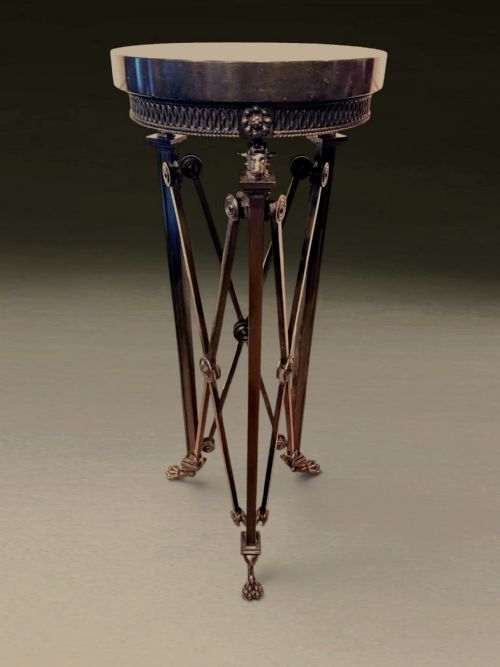
The selection extends from Regency painted mirrors and bronze stands to carved marble columns and framed architectural plates. Styles stretch from Regency and Victorian Neoclassical through to Edwardian Neoclassical Revival.
Materials and construction methods
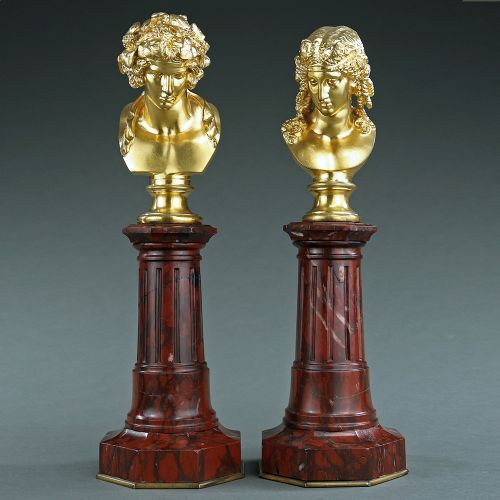
Makers utilised a combination of cast metals, carved stones and plated finishes to achieve the monumental look of ancient architecture on a domestic scale. Brass, silver plate and gilt bronze provide the metallic structure for column lamps and candlesticks, frequently paired with black, white, Bardiglio or Carrara marble bases.
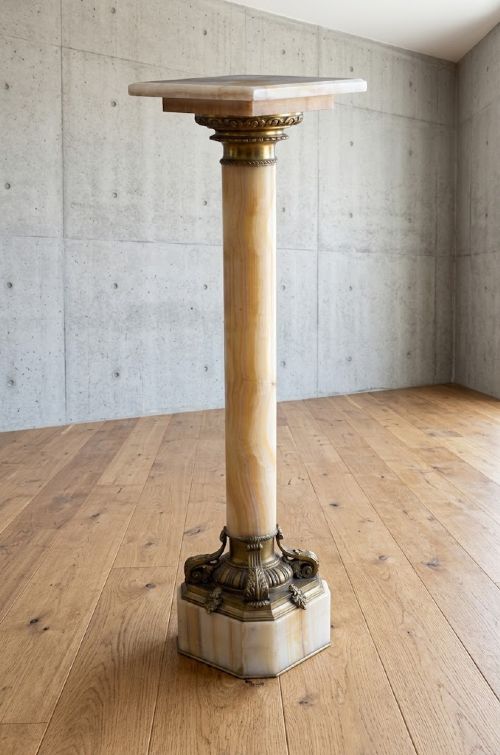
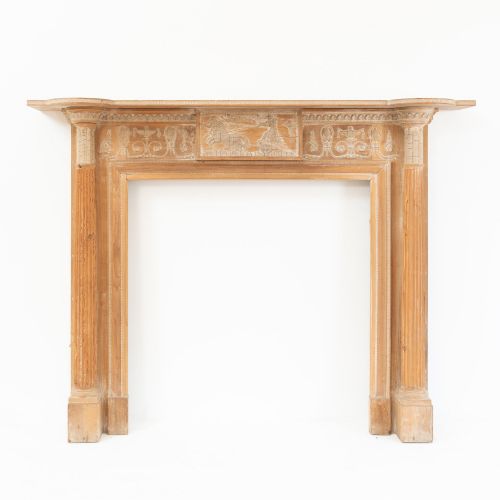
Wood, gesso, fabric and carved pine appear in larger furnishings such as pier mirrors, fireplace surrounds and oak lamp bodies. Scagliola marble and onyx also feature in specific decorative columns and Grand Tour temples.
A stone bust of Athena keeps a steadfast, silent watch over the entire neoclassical assembly.
Factors determining quality
Quality rests upon the crispness of the casting in capitals and collars, particularly in the detailed acanthus leaves of Corinthian orders. Metal thickness, weight and the quality of silver plating or gilding distinguish finer pieces from standard production.
The choice of raw material dictates the tier of an object, with solid marbles, finely figured onyx and heavy cast bronze marking the upper end of the range. Precision in the turning of wooden components and the structural integrity of architectural elements further separate superior examples.
J Miller
The Classical Neoclassical Columns Glossary
- Corinthian
- The most ornate of the classical orders, characterised by slender fluted columns and capitals decorated with acanthus leaves. This motif appears frequently on nineteenth-century table lamps and candlesticks.
- Grand Tour
- Souvenirs and miniature architectural models bought by wealthy travellers touring the cultural sites of Europe during the eighteenth and nineteenth centuries. These items are often executed in marble, bronze or alabaster.
- Ormolu
- Gilded bronze mounted onto furniture, clocks and decorative objects to provide metallic highlights. The technique involves applying a mercury and gold amalgam to bronze before heating.
- Scagliola
- A composite material made from selenite, glue and pigments, mixed to imitate marbles and other hard stones. Craftsmen apply and polish this mixture to create decorative columns and surfaces.
- Regency
- A British design style dating from the early nineteenth century that drew heavily upon Greek, Roman and Egyptian motifs. Pieces from this period often display bold classical lines and decorative mounts.
Classical Neoclassical Columns: Frequently Asked Questions
What periods do these columns come from?
The pieces span the nineteenth and early twentieth centuries, with examples originating from the Regency era through to the 1930s. Victorian and Edwardian items are especially prevalent among the lighting and decorative objects.
Production methods shifted over these periods, moving from hand-finished Regency bronzes to mass-produced silver-plated Corinthian column lamps of the late Victorian and Edwardian decades.
How were column lamps originally used?
Column lamps served as sophisticated lighting sources for grand reception rooms, drawing rooms and libraries. They brought architectural dignity and layered illumination to domestic interiors during the Victorian and Edwardian periods.
Many of these pieces were later adapted from oil burning to electricity as household technology evolved, while others began life as candlesticks before conversion.
How do I distinguish marble types in columns?
White marble and Carrara offer a clean, uniform neoclassical aesthetic, while Bardiglio presents grey and white veining. Onyx and Verde Antico introduce richer colour palettes and distinct geological patterns.
Examining the weight, density and surface polish helps identify whether an item utilises solid stone or a composite material like scagliola.
How do I care for silver plated columns?
Silver plated items require gentle cleaning with a soft cloth to avoid wearing through the thin metal layer to the base brass or copper underneath. Avoid harsh chemical dips that can strip historical patination from the recessed areas of Corinthian capitals.
Keeping these pieces away from direct moisture and handling them with clean hands preserves the finish of both the metalwork and any integrated marble components.