
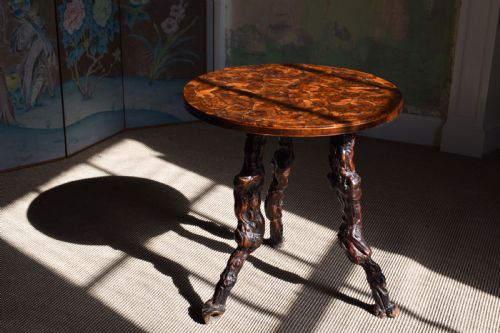


Victorian Sculpture Pedestals
These Victorian sculpture pedestals elevate busts, bronzes and decorative vases to eye level, bringing architectural presence and period character into a room.
Victorian Sculpture Pedestals
Victorian sculpture pedestals take the form of columns, torcheres, plant stands and architectural plinths designed to display heavy ornaments, lamps and figures. You will encounter tall columns and sturdy stands intended to hold marble busts or cast bronzes securely in a hallway or drawing room.
The pieces on this page span the nineteenth century, including items from the eighteen fifties through to nineteen hundred, alongside related twentieth century examples. They appear as single display columns and matched pairs, originating from English workshops as well as Continental makers.
Makers utilised various timber frames and stone tops to suit domestic display, ranging from simple mahogany display columns to elaborate carved ebonised stands. Many pieces double as plant stands or cylinder lamp supports, reflecting the versatile interior arrangements of the period.
Materials and construction
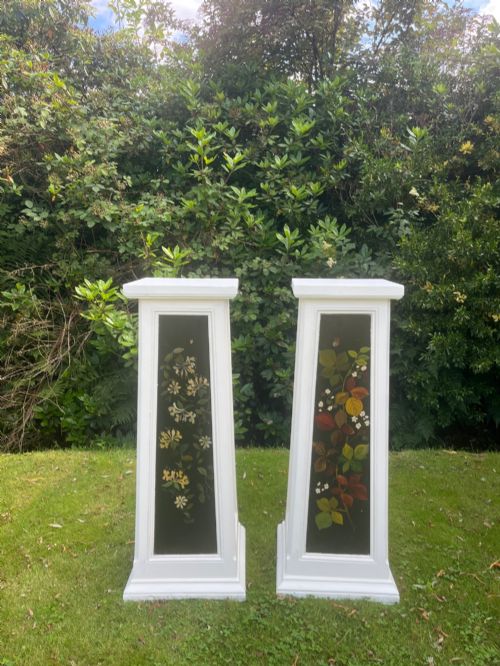
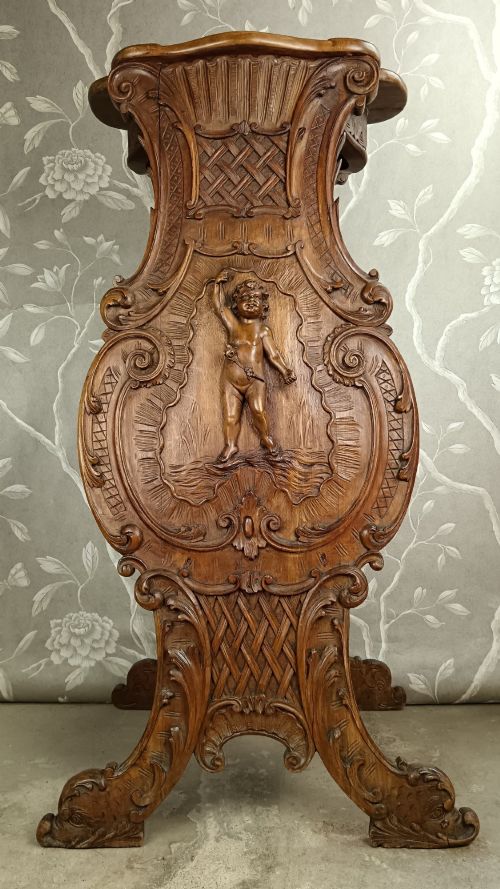
Craftsmen built structural cores from timbers such as mahogany, oak, walnut and satinwood, frequently employing decorative techniques like grain painting, ebonising or gilt bronze mounts. Timber columns often feature turned spiral pillars or finely carved foliage, demonstrating the joinery skills of nineteenth century workshops.
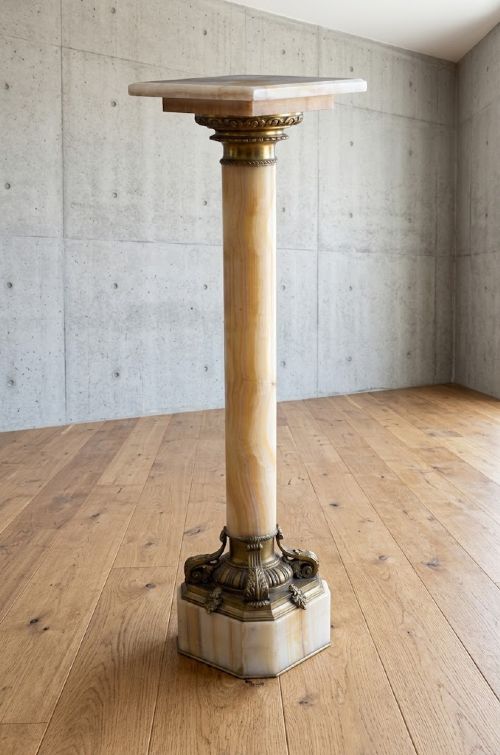
Figural stands incorporate carved lime wood, stained birch, spelter and plaster, combining cast metal elements with wooden plinths. Ormolu collars and malachite panels occasionally accent the stone and wood structures, adding rich colour contrast to the columns.
A nineteenth century crouching figure stand waits patiently to support your most dramatic bronze study.
Judgements of quality
Quality rests upon the selection of materials, from solid honey coloured or verde antico marble to choice hardwoods like amboyna and carved ebony. Lesser examples rely on simple grain painted pine or plaster, whereas exhibition pieces utilise dense exotic stones and intricate hand carving.
The refinement of the carving distinguishes standard production columns from exceptional workshop pieces. Crisp acanthus leaves, well defined figures and tight spiral turnings demonstrate superior execution by the maker.
Proportion and structural stability dictate how successfully a pedestal holds its weight. A well balanced base ensures that heavy stone tops and bronze sculptures sit true without listing or wobbling.
Gillow and Co·John Wenlock Rollins·Sir Thomas Brock
The Victorian Sculpture Pedestals Glossary
- Torchiere
- A tall decorative stand originally designed to carry a candle or lamp. In Victorian interiors, these pieces often support figures or floral arrangements.
- Scagliola
- A composite material made from selenite, glue and pigments, mimicking natural marble. Artisans apply it to columns to achieve elaborate stone effects at a manageable weight.
- Ormolu
- Gilt bronze mountings applied to furniture and pedestals for decorative contrast. This finish brings a bright metallic accent to dark woods and stone columns.
- Verde Antico
- A dark green serpentine breccia marble prized for its mottled appearance. Italian columns frequently utilise this stone to create a dramatic classical column shaft.
- Socle
- A short plinth or footing supporting a column, bust or statue. It raises the base slightly off the floor or main pedestal top for visual separation.
Victorian Sculpture Pedestals: Frequently Asked Questions
What were Victorian sculpture pedestals used for?
These columns and stands served primarily to elevate bronze figures, marble busts and decorative lamps above floor level in Victorian reception rooms. They placed sculptural art at eye height for proper inspection.
Householders also utilised them as plant stands or torcheres to catch the light from windows and gasoliers during evening gatherings.
How do I choose the right height?
The correct height depends entirely upon the piece you intend to place on top and where the stand will sit in your room. Taller columns work well in open hallways, while shorter stands suit corners where a seated figure requires elevation.
Consider the eye line of anyone standing in the room to ensure the displayed sculpture sits comfortably in view.
Are marble columns too heavy for modern floors?
Solid marble and scagliola columns possess substantial weight to keep tall sculptures stable, but standard domestic flooring easily supports them. The weight distributes evenly across a wide base or plinth.
When moving these pieces, dismantle removable stone tops from wooden columns where possible to manage the load safely.
How do I tell faux marble from real stone?
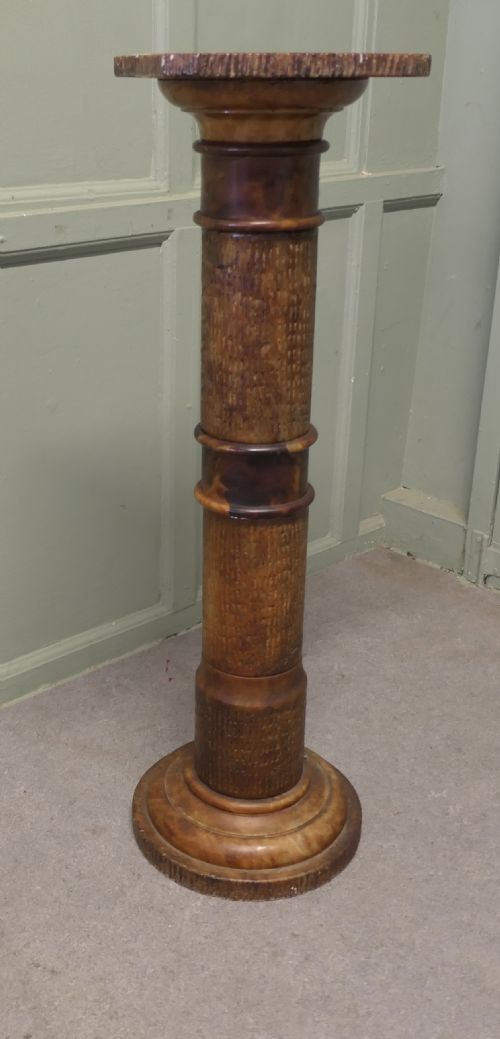
Inspect the surface closely for coldness to the touch and natural veering patterns that penetrate the material rather than sitting on the surface. Faux marble painted pine or plaster often reveals brush marks or a warmer timber feel underneath.
Scagliola possesses a composite stone structure that feels denser than painted wood yet differs from quarried marble under magnification.