
Antique Standing Dressing Glass
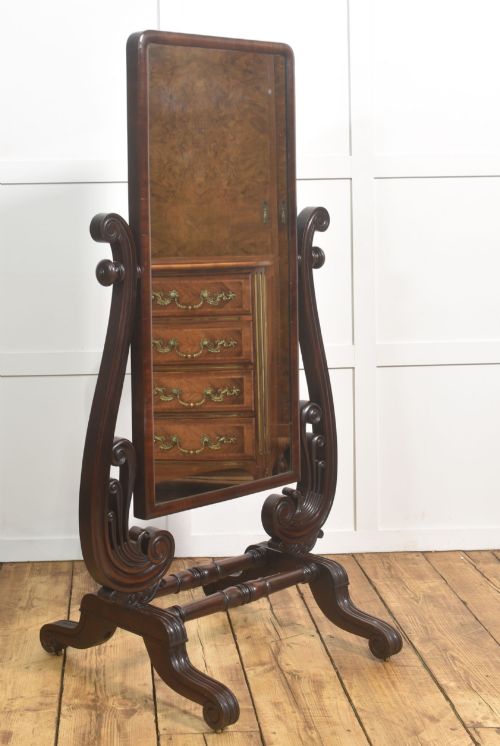
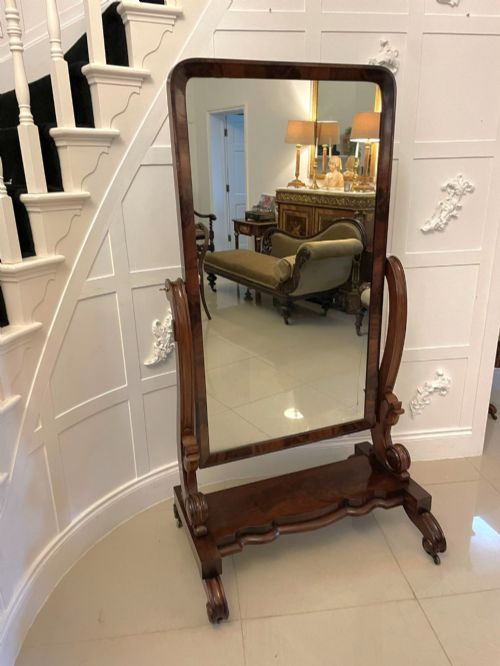
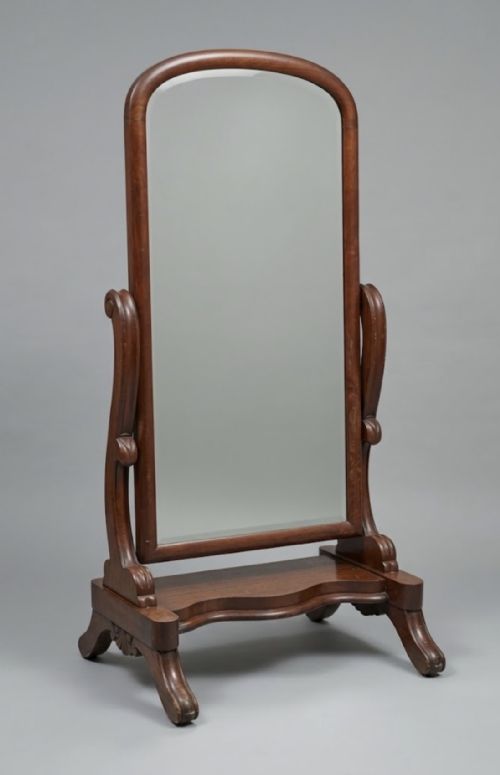
An antique standing dressing glass brings practical elegance to a bedroom, offering a full reflection in a traditional frame designed to tilt to the exact angle you need.
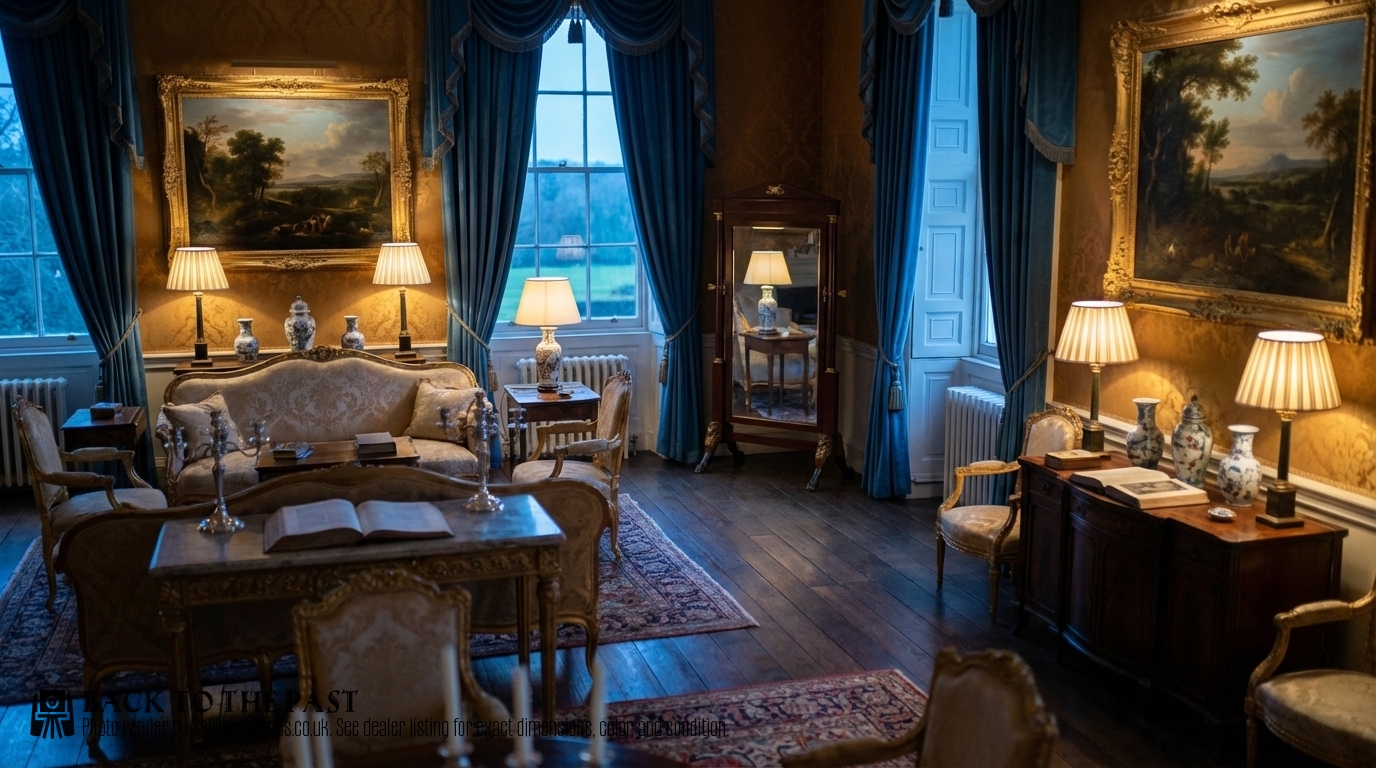
Antique Standing Dressing Glass
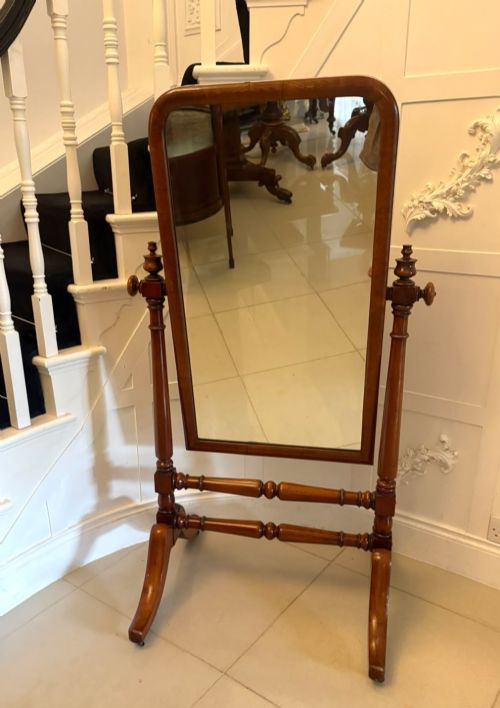
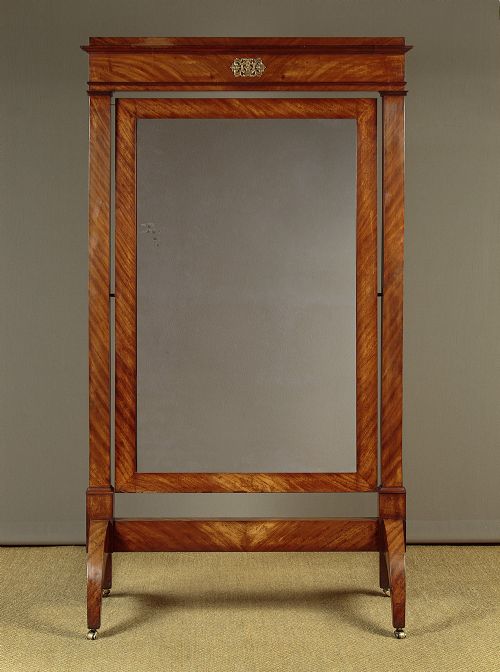
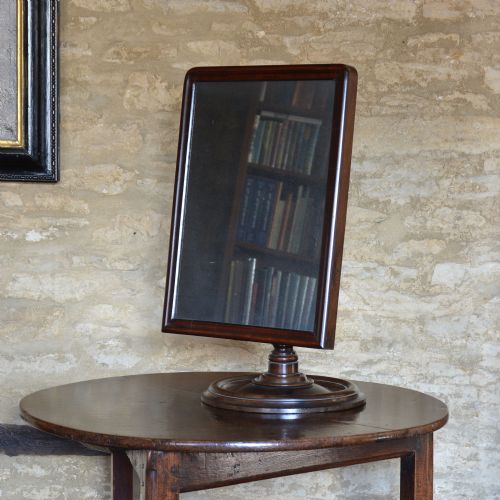
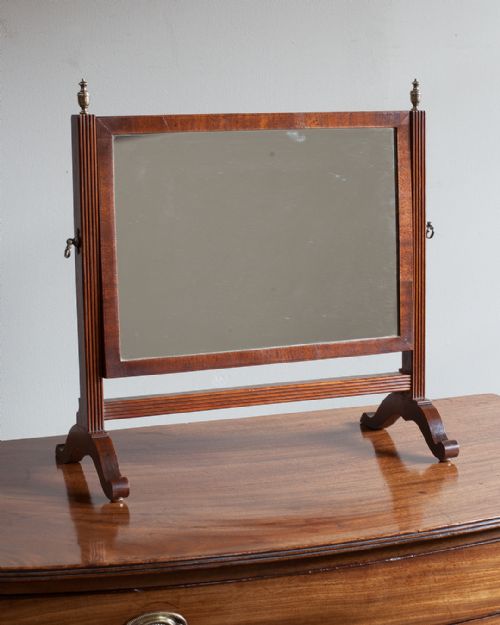
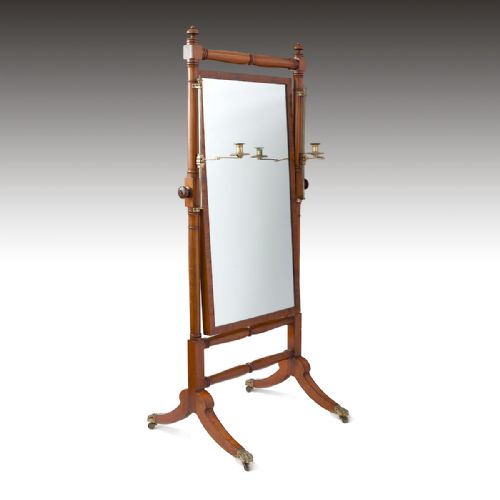
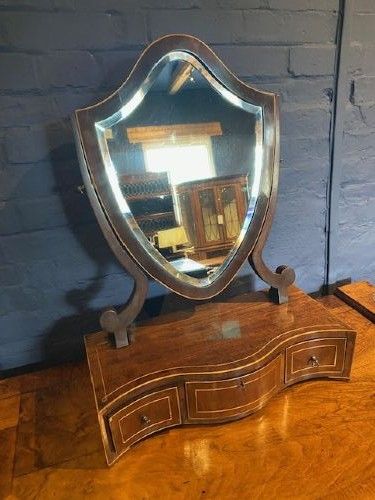
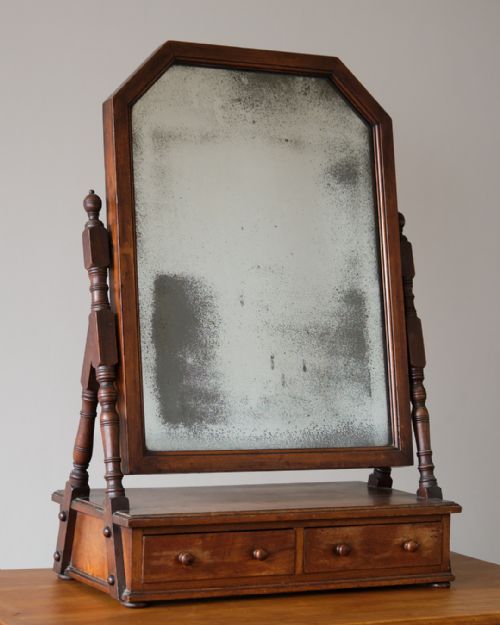
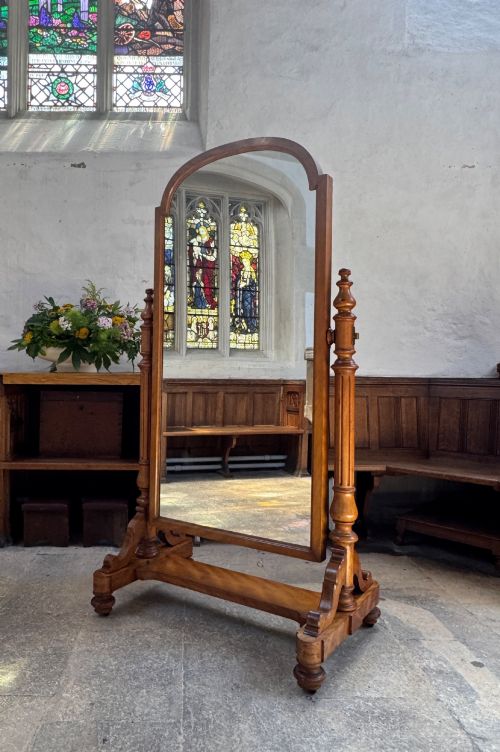
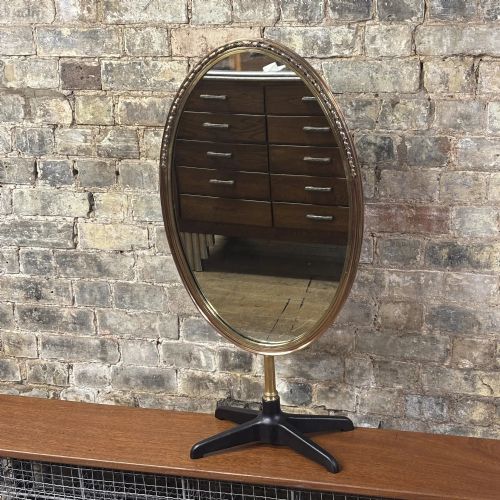
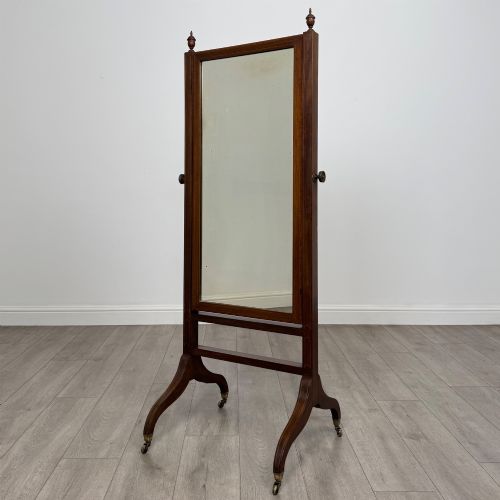
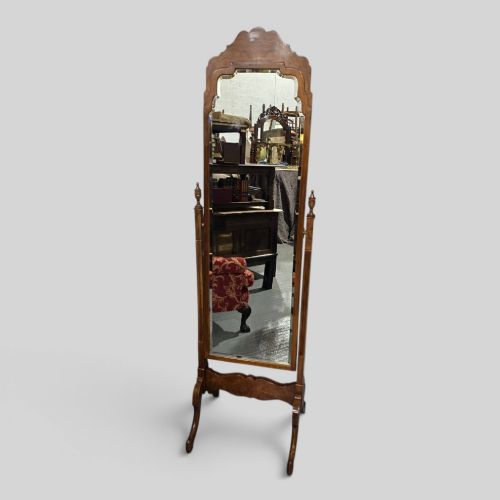
When you search for an antique standing dressing glass, you encounter two main forms: tall floor-standing cheval mirrors and smaller table-top or toilet glasses designed to sit on a surface. These pieces span from the eighteenth century through the Victorian and Edwardian eras into the early twentieth century.
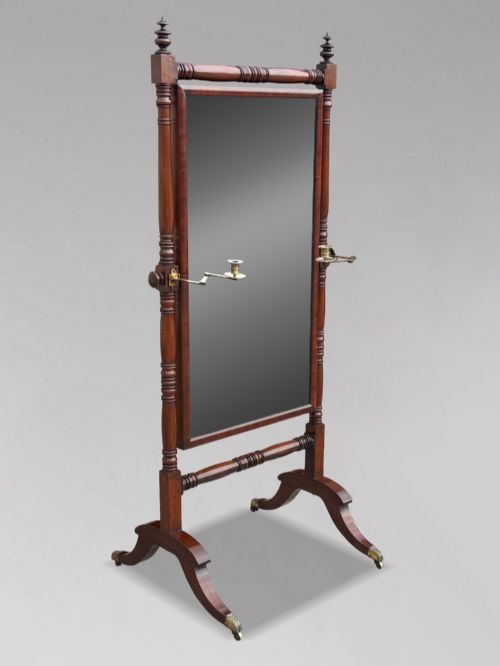
The floor-standing cheval mirror dominates this selection, allowing a full-length view supported by vertical floor frames with pivoting brass pins or screws. Alongside these, smaller swing mirrors and toilet glasses appear frequently, often fitted with small drawers or compartments in their bases.
Makers produced these mirrors across distinct historical periods, including Georgian, Regency, William IV, and Victorian styles, utilising traditional cabinet-making forms. Walnut, mahogany, and oak provide the primary structural framework for these diverse designs.
Distinguishing quality in dressing glasses
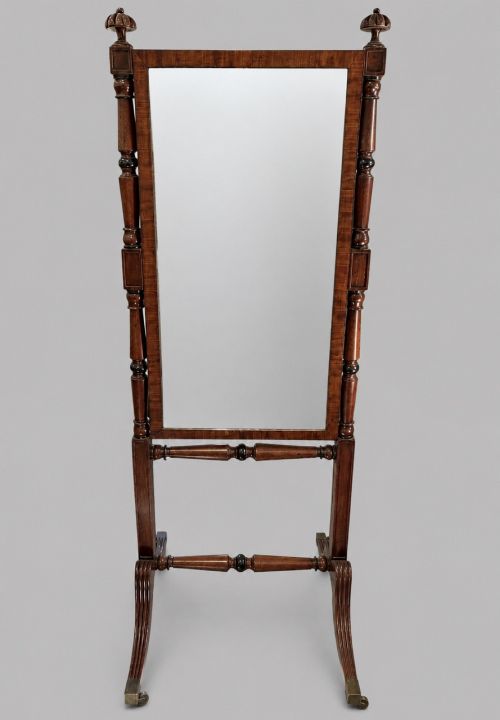
Quality rests on the selection of timber veneers and the crispness of any carved detailing, such as barley twist supports or subtle inlay work. Superior examples display thoughtful proportions and substantial weight in the standing frame to prevent tipping.
The condition and authenticity of the original mirror plate and brass pivoting hardware strongly influence the standing of a piece. Well-executed secondary woods and robust joinery in the base indicate superior workshop production.
Heal & Sons·Crisford & Norris
The Antique Standing Dressing Glass Glossary
- Cheval mirror
- A large floor-standing dressing glass supported by a frame with four legs and vertical pivots. This design allows the mirror plate to swing freely to various angles.
- Toilet mirror
- A smaller dressing glass designed to sit upon a chest of drawers or a dedicated dressing table. These often incorporate a small box base fitted with drawers.
- Swing mirror
- A mirror plate suspended within upright arms by pivots, permitting the glass to tilt. This mechanism is central to both floor-standing and table-top dressing glasses.
- Patch stand
- A small antique mirror or stand historically used by individuals applying cosmetic patches to the face. These portable accessories frequently date from the eighteenth century.
- Shaving mirror
- An adjustable dressing glass designed for personal grooming. They often feature pivoting mechanisms and compact proportions suited to a tabletop.
Antique Standing Dressing Glass: Frequently Asked Questions
Where should I place a standing dressing glass?
These mirrors suit bedrooms and dressing rooms where natural light can strike the glass to illuminate a full-length reflection. Floor-standing cheval versions require sufficient floor space to allow the frame to tilt safely without obstruction.
Smaller table-top versions sit securely on top of chests of drawers or heavy dressing tables. Positioning them away from direct, damp heat protects the wooden frame and the silvering on the mirror plate.
How do I adjust the mirror angle?
Most standing dressing glasses use brass pivot screws or pins located on the vertical side supports. Turning these screws gently loosens or tightens the grip on the mirror frame, allowing you to tilt the glass.
Support the weight of the mirror with one hand while adjusting the hardware with the other to prevent sudden movement. Avoid over-tightening the brass fittings to protect the threaded inserts in the wood.
How do I identify a Georgian dressing glass?
Georgian examples, dating through the eighteenth century, typically feature finely figured mahogany or walnut veneers with simple, elegant proportions. Their base boxes often contain small, graduated drawers with original brass pull handles.
The construction relies on hand-cut dovetails within the drawer boxes and lighter framing than later Victorian pieces. Secondary timbers inside the structure usually consist of pine or oak.