

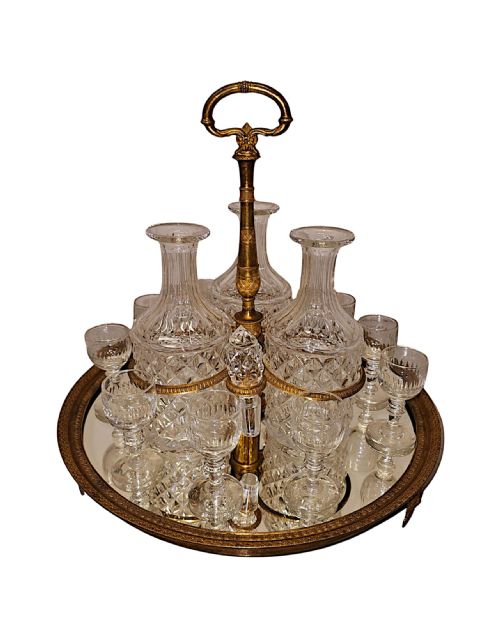



Ormolu Standing Mirror
An ormolu standing mirror combines gilt metal mounts with glass, providing a decorative focal point that collectors seek for period interiors.
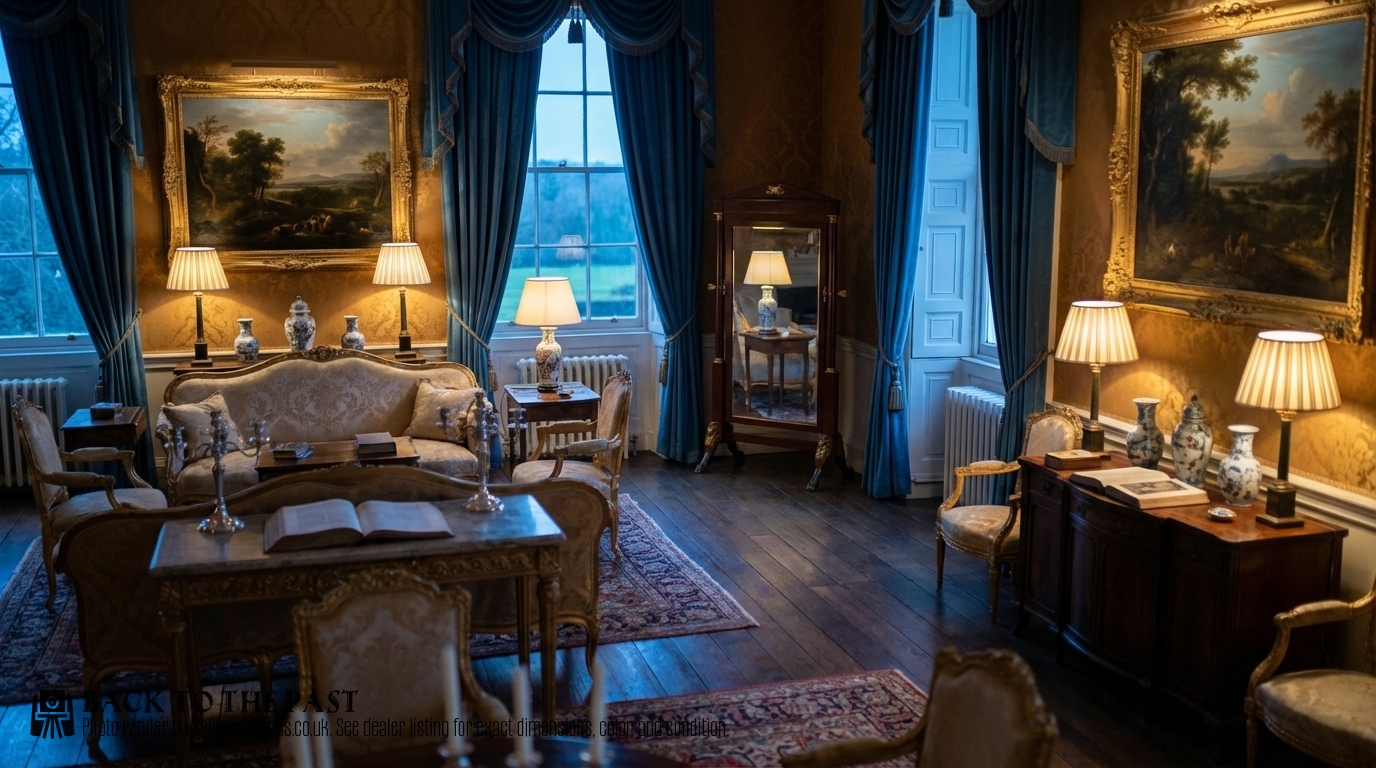
Ormolu Standing Mirror
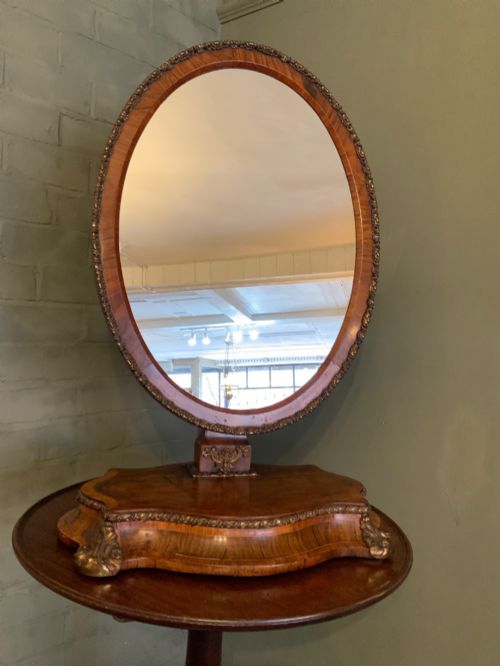
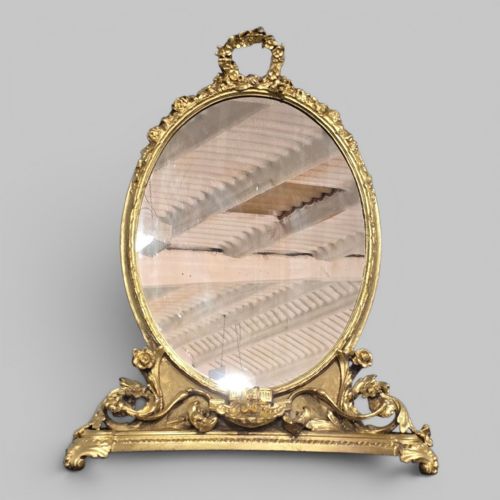
An ormolu standing mirror is a decorative looking glass fitted with gilded bronze mounts, designed to stand upon a table, dressing chest or floor. These pieces frequently appear in French styles such as Rococo, Louis XV, Louis XVI and Empire, alongside Victorian interpretations.
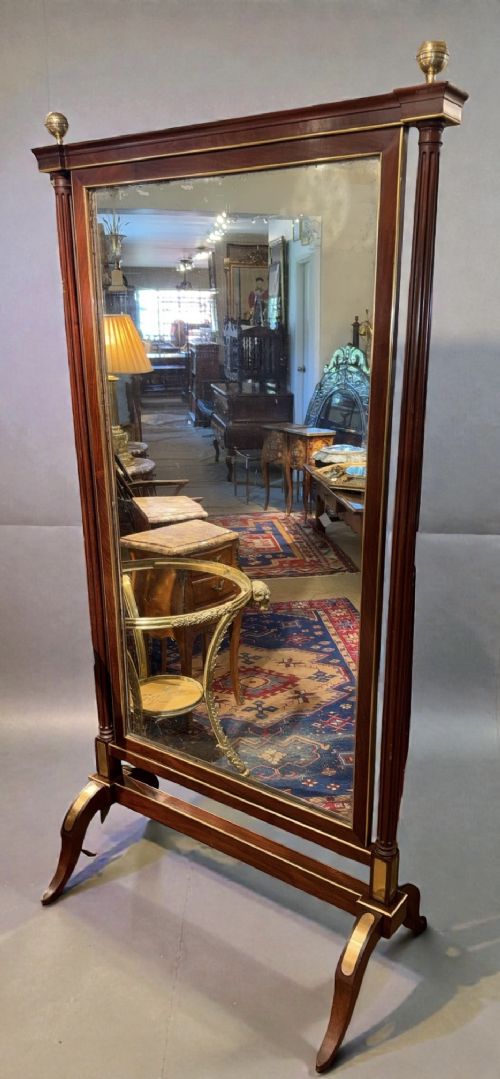
The selection on this page centres primarily upon dressing table mirrors, toilet mirrors and larger cheval mirrors, often constructed with pivoting plates. Forms range from compact tabletop versions to substantial pedestal stands.
Origins span the eighteenth and nineteenth centuries, including items produced during the Victorian era and the Napoleon III period. Walnut, kingwood, mahogany and marble frequently support the metalwork and glass.
How these mirrors were made
Makers shaped bronze and gilt metal through casting and chasing before applying mercury gilding or modern electroplating to create the signature ormolu finish. These gilded mounts were then secured to wooden frames or stone bases.
Carcase structures of walnut, mahogany or kingwood were turned, carved or veneered to house the mirror plates and support the heavy metal ornaments. Marble tops and enamel plaques occasionally integrated into the design to add colour and texture.
Ormolu Standing Mirror Retail Price Guide 2026
Typical asking prices for ormolu standing mirror among the pieces listed under this phrase on Sellingantiques today, from the lower quarter to the upper quarter. They describe what is for sale here now, not the wider market.
Some mirrors double as clandestine dressing companions, hiding small enamel plaques just where an admirer might lean in too close.
What varies in quality
The crispness and depth of the chasing on the ormolu mounts set finer examples apart from simpler production. Sharp detail in the cast foliage and scrolls indicates superior skill in the foundry.
The choice of secondary woods, the quality of the mercury gilding, and the presence of supplementary materials like Limoges enamel or Vernis Martin panels distinguish standard pieces from exhibition quality works.
F.Bienvue
The Ormolu Standing Mirror Glossary
- Ormolu
- Gilded bronze, where a layer of gold amalgam is applied to a bronze base through heat or electrochemical processes. This technique produces a warm, dull yellow metallic lustre.
- Cheval mirror
- A full-length standing mirror suspended on a vertical frame with pivots. It allows the glass to tilt to various angles.
- Champlevé
- An enamelling technique where troughs or cells are sunk into the surface of a metal object and filled with vitreous enamel before firing. It frequently decorates nineteenth-century frames.
- Vernis Martin
- A type of simulated Japanese lacquer developed by the Martin brothers in eighteenth-century France. It appears on panels associated with fine furniture and decorative objects.
- Louis XVI style
- A neoclassical aesthetic characterised by straight lines, symmetry, and classical motifs such as ribbons, urns, and fluting. It emerged in France prior to the Revolution and saw revivals in the nineteenth century.
Ormolu Standing Mirror: Frequently Asked Questions
What is an ormolu standing mirror?
An ormolu standing mirror is a portable or floor-standing looking glass featuring decorative gilt bronze mounts. They were designed to sit upon dressing tables, chests, or directly on the floor as cheval mirrors.
These pieces utilise frames of walnut, mahogany, or kingwood, complemented by cast metal ornamentation in various historic French and Victorian styles.
How do I date a nineteenth-century mirror?
Dating relies on examining the casting quality of the ormolu, the timber species, and the construction methods of the frame. Stylistic cues from the French Empire, Napoleon III, or Rococo Revival periods provide further chronological markers.
Evidence of hand-beveled glass, original mercury gilding, and period specific fasteners help narrow the decade of manufacture within the 19th century.
Where should I place a table mirror?
Table mirrors function well upon dressing tables, sideboards, or mantelpieces where they can reflect light and decorative objects. Their pivoting frames allow you to adjust the angle for both utility and display.
Ensure the supporting surface is sturdy enough to hold the combined weight of the wood, glass, and heavy bronze mounts.
How do I care for ormolu mounts?
Ormolu mounts require gentle dusting with a soft, dry cloth to prevent the accumulation of dirt within the chased crevices. Avoid using abrasive metal polishes, as these can strip away the historic gilt layer.
Keep the mirrors away from direct sunlight and excessive moisture to protect both the wooden frames and the delicate metal finishes.