
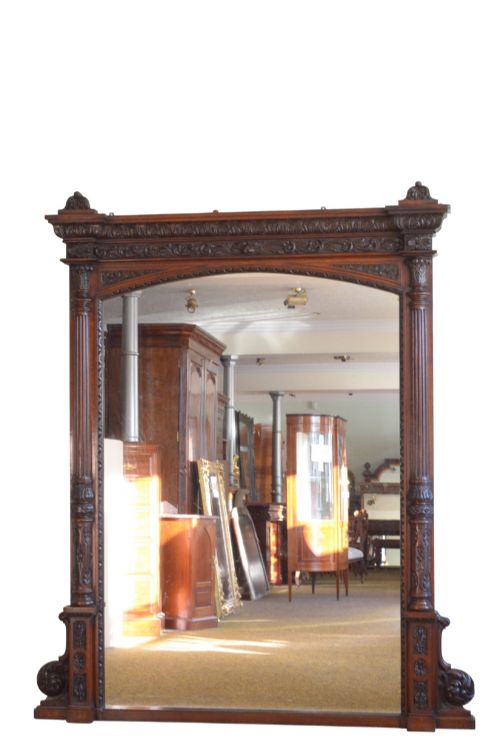
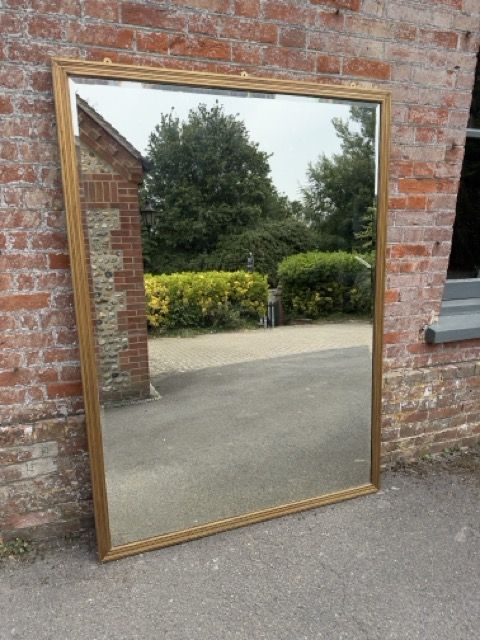
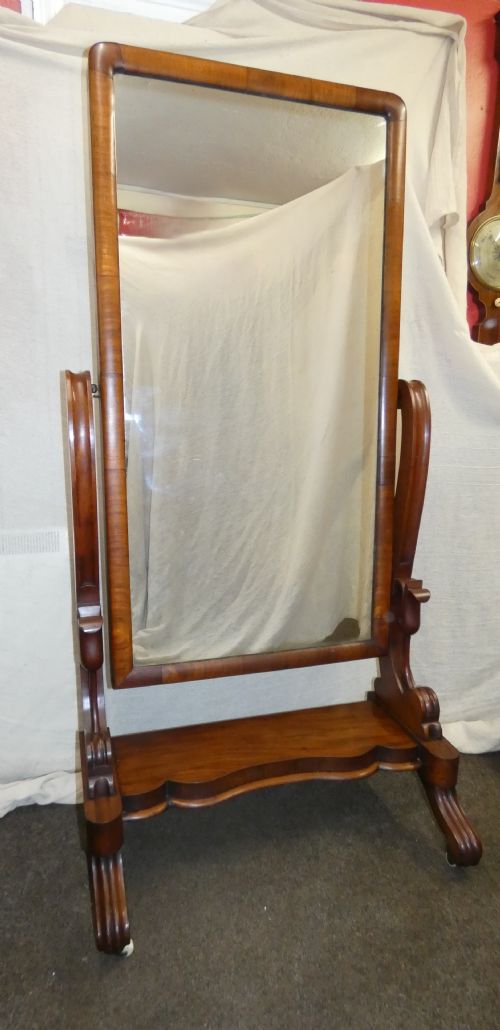
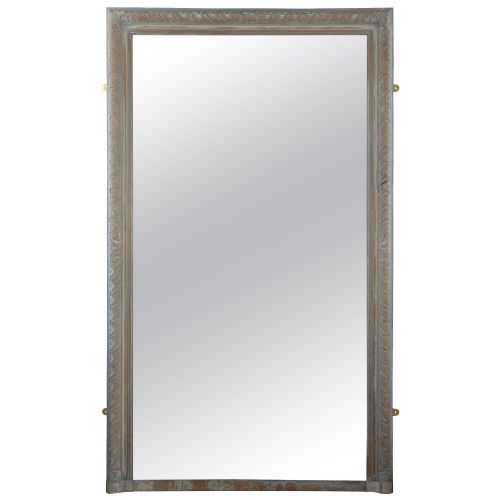
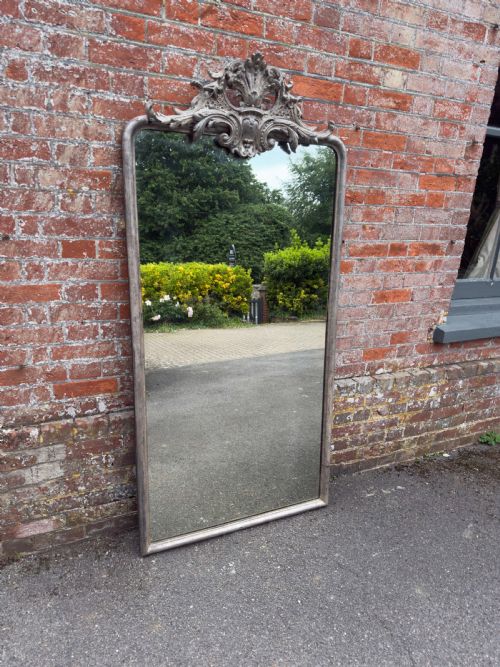
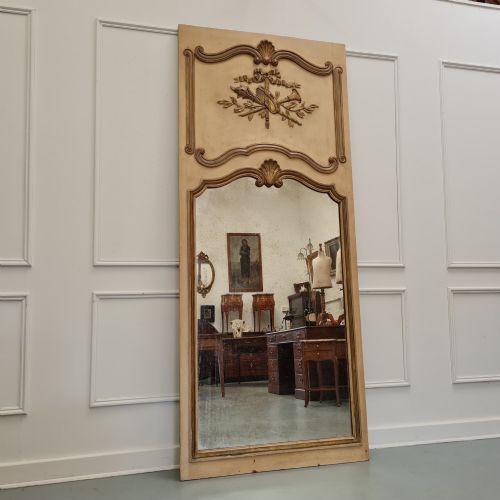


Carved Wooden Floor Mirror
A carved wooden floor mirror brings imposing scale and functional depth to a room, turning light and space to decorative advantage.
Carved Wooden Floor Mirror
When you search for a carved wooden floor mirror, you encounter substantial standing and leaner looking glasses designed to reflect full figures and expand interiors. The selection spans robust English oak frames alongside ornate French pieces finished with gesso and paint.
Most examples hail from the nineteenth century, encompassing Victorian interpretations and French revival styles. You will find both pivoting cheval mirrors mounted on frames and tall leaner mirrors intended to rest securely against a wall.
How they were made
Cabinet makers utilised solid timbers including mahogany, walnut, and oak to construct the primary framework and supporting structures. Carved details were shaped directly into the wood or built up using gesso applied over a wooden base.
Surfaces received various treatments, from clear polish highlighting the grain to painted, silvered, and gilt finishes. Heavy glass plates were then fitted into the rebated frames to complete the mirror.
The listings feature mirrors spanning the nineteenth century, including specific dated examples from 1840 through to 1900.
What varies in quality
The sophistication of the carving dictates much of the distinction between pieces, moving from simple linear mouldings to deep relief work with scrolls and foliage. The choice of primary timber also affects the piece, with dense solid oak and finely figured mahogany representing the heavier end of craftsmanship.
Finishes introduce further divergence, particularly where original gesso, paint, or gilding survives intact beneath later wear. The structural integrity of the frame joints and the clarity of the original mirror glass complete the measure of quality.
The Carved Wooden Floor Mirror Glossary
- Cheval mirror
- A freestanding mirror suspended on vertical pivots within a frame, allowing it to tilt. These dressing mirrors usually stand on four feet.
- Leaner mirror
- A large wall mirror designed to stand directly on the floor and lean against a vertical surface without hanging brackets. They maximise reflected light in principal rooms.
- Gesso
- A plaster-like mixture applied to wood frames to provide a smooth surface for gilding or painting. It is frequently moulded into decorative relief details.
- Trumeau mirror
- An antique decorative mirror combined with a painted panel or carved artwork within a single frame. Originating in France, they often sat above mantelpieces or between windows.
- Louis Philippe
- A mid-nineteenth century French style characterised by restrained classical proportions and gentle arched tops. These frames balance decorative carving with simple architectural lines.
Carved Wooden Floor Mirror: Frequently Asked Questions
Where should I place a floor mirror?
Position your mirror opposite a window to maximise natural light and draw the outdoors inside. Placing one in a hallway or bedroom also creates an immediate sense of expanded depth.
Ensure the surface has a stable floor beneath it and, in the case of taller leaner mirrors, secure the top to the wall safely.
What is a cheval mirror used for?
A cheval mirror provides a full-length reflection for dressing and grooming. The pivoting mechanism allows the user to adjust the angle of the glass.
Historically found in bedrooms and dressing rooms, these pieces now serve as functional furniture in various domestic spaces.
How do I date a wooden mirror?
Examine the timber species, joinery methods, and the style of the carved ornamentation to gauge the period. Nineteenth-century pieces often display characteristic Victorian Gothic or French revival motifs.
The condition and composition of the mirror glass plate can also offer clues regarding the age of the piece.
How do I care for antique wood and gesso?
Dust frames regularly with a soft, dry cloth to prevent dirt accumulation on carved areas. Avoid commercial liquid polishes that might damage fragile gesso or gilt surfaces.
Keep wooden frames away from direct heat sources and dramatic humidity fluctuations to prevent the timber from warping.