


Louis XV Floor Mirror
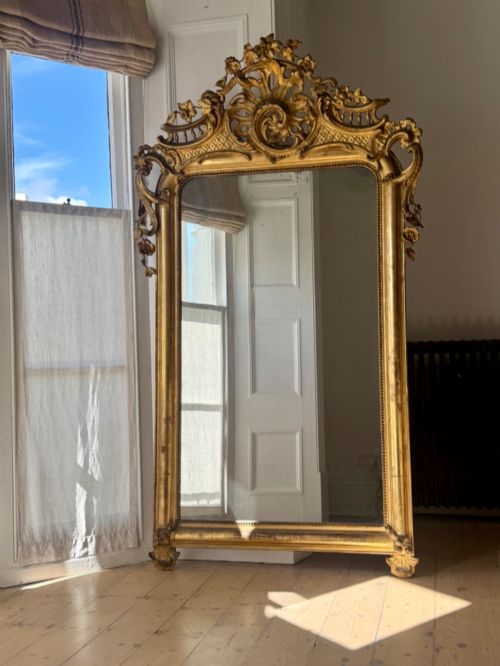
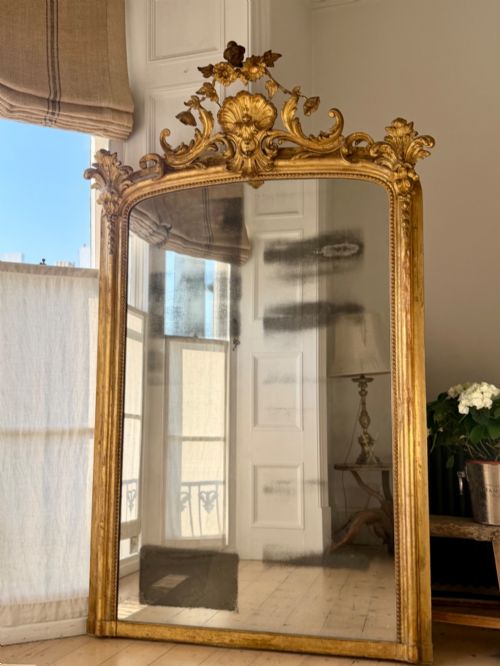
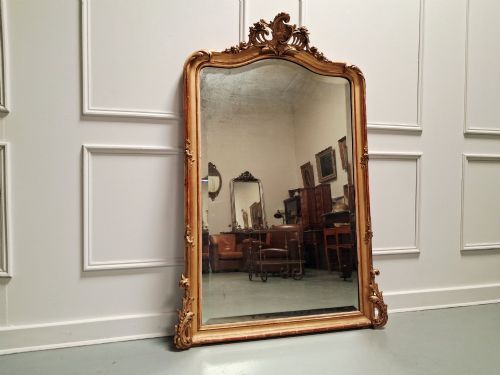
A louis xv floor mirror brings sweeping French Rococo curves and grand scale to a room, offering the unmistakable elegance of antique carved wood and foxed glass.
Louis XV Floor Mirror
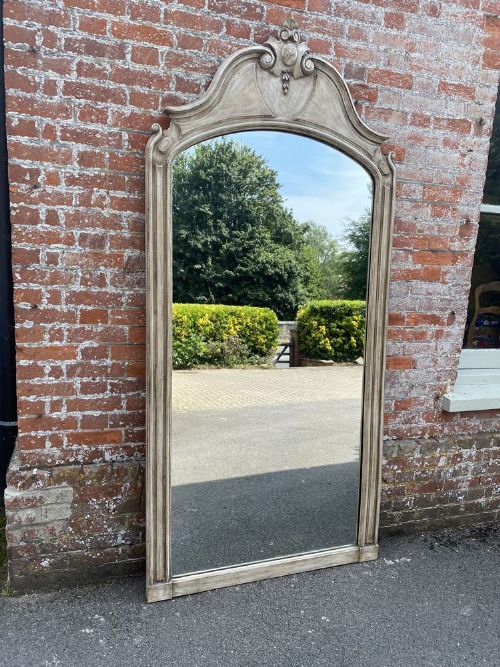
A louis xv floor mirror captures the ornate aesthetic of French Rococo design, appearing on this page in forms ranging from grand cheval dressing mirrors to tall wall-hanging glasses and floor-standing pieces. These items bring dramatic height and elaborate cresting into an interior space.
The selection on this page spans authentic 18th century examples alongside later 19th century revivals from periods like 1860, 1870, 1880, 1890, and 1910, plus Georgian interpretations. Buyers most frequently encounter French Rococo and Louis XV style pieces created with shaped tops and substantial carved frames.
Originating predominantly from French workshops and chateaux, these mirrors frequently display characteristic camel crests, painted finishes, and parcel gilding. Each object reflects the fluid asymmetry and organic motifs definitive of the style.
Materials and construction methods
Makers shaped solid timber into elaborate frames, applying layers of gesso to build up the intricate scrollwork and floral motifs characteristic of French Rococo design. Carved wood forms the structural core of these substantial pieces, providing the necessary strength to support heavy glass plates.
Surface decoration relies heavily on gold leaf, parcel gilding, and traditional paint finishes applied over the gesso base to catch the light. Original mercury glass, often exhibiting foxing, completes the historic construction of the earlier pieces.
Some tall frames hide secret structural joins behind thick gesso, whispering of workshop shortcuts across the centuries.
Evaluating craftsmanship and condition
Quality in a louis xv floor mirror rests upon the depth, sharpness, and fluidity of the hand-carved wood and gesso ornamentation. Superior examples display crisp relief work and harmonious proportions that integrate the crest and frame seamlessly.
The integrity of the original surface finish, whether fine gold leaf or layered paint, distinguishes finer pieces from later restorations. Original mercury glass plates with natural age spots further elevate the character and authenticity of the object.
The Louis XV Floor Mirror Glossary
- Mercury glass
- A type of silvered glass produced by pouring a liquid mercury amalgam between double-walled blown glass before sealing the aperture. It frequently develops characteristic foxing over time.
- Gesso
- A traditional mixture of plaster of Paris, chalk, and glue binder applied to wood surfaces. It creates a smooth base for subsequent carving and gilding.
- Parcel gilt
- A decorative technique where specific raised portions of an object are highlighted with gold leaf while the remainder is painted or left exposed. This method accentuates the carved details.
- Cheval mirror
- A full-length looking glass suspended on a vertical frame with a pivoting stand. It allows the user to tilt the glass to various angles.
- Rococo revival
- A 19th-century design movement that resurrected the asymmetrical curves, C-scrolls, and naturalistic motifs of the original 18th-century French style. It dominated decorative arts during the Victorian era.
Louis XV Floor Mirror: Frequently Asked Questions
What is a louis xv floor mirror?
A louis xv floor mirror is a tall looking glass featuring the asymmetrical curves, carved wood frames, and organic motifs of the French Rococo style. These pieces are designed to stand on the floor or tilt within a cheval frame.
They serve as both functional dressing mirrors and grand decorative statements, bringing height and reflected light into a room.
How do I date an antique French mirror?
Dating relies on examining the construction of the wooden frame, the composition of the gesso, and the characteristics of the glass plate. Earlier pieces from the 18th century often feature hand-beveled mercury glass and deeper patination.
Later 19th-century revivals from periods like 1860 or 1880 replicate the forms using manufacturing techniques and finishes specific to their own era.
What is foxed mercury glass?
Foxed mercury glass refers to original mirrored plates that have developed dark spots, speckling, and cloudiness due to the chemical breakdown of the backing over centuries. This ageing process creates a soft, hazy reflection prized by collectors.
It acts as a primary indicator of authenticity for antique mirrors dating to the 18th and 19th centuries.
Where should I place a floor mirror?
A large floor mirror is traditionally positioned in a bedroom, dressing room, or grand hallway where it can anchor the vertical space. Placing it opposite a window will maximise natural light and amplify the sense of room depth.
Ensure the floor surface is stable and use appropriate wall tethers if the mirror is heavy or freestanding.
What is parcel gilding?
Parcel gilding is a decorative finish where gold leaf is applied selectively to specific raised areas of a carved frame rather than covering the entire surface. This technique is often combined with painted or stained wood.
It highlights the intricate scrollwork and cresting details characteristic of fine French mirrors.