

Antique Snuff Container
An antique snuff container holds the small portions of tobacco once carried for daily use, offering a tactile piece of personal history.
Antique Snuff Container
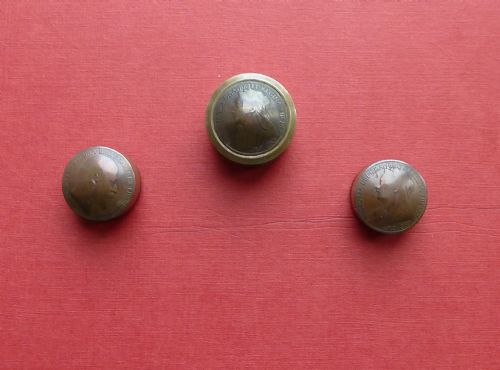
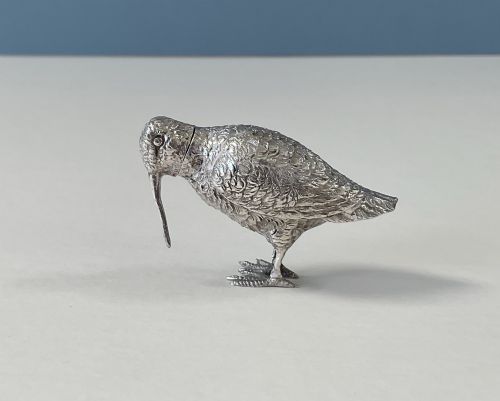
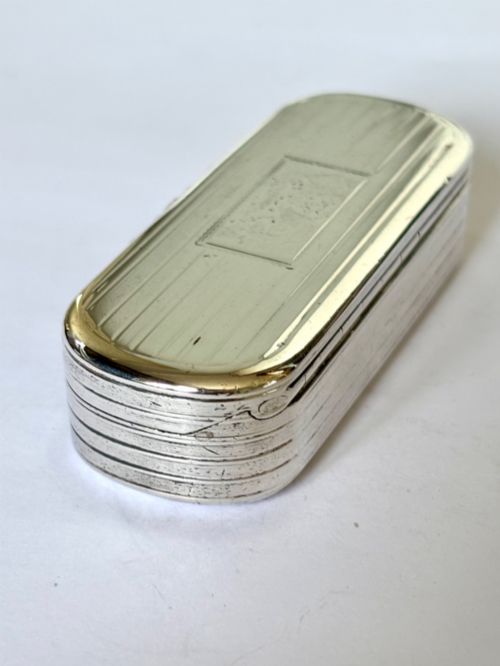
An antique snuff container encompasses pocket boxes, larger table boxes, and small bottles designed to hold ground tobacco. The examples seen here range from Georgian silver specimens to 19th-century horn mulls and treen shoes.
The most common forms on this page are silver pocket boxes and carved wooden or horn vessels from the Victorian and Georgian eras. Buyers also encounter pill boxes, trinket boxes, and specialised snuff bottles in jade or glass.
Originating from British, European, and Asian workshops, these objects reflect the widespread social habit of taking snuff across different classes during the 18th, 19th, and early 20th centuries.
How They Were Made
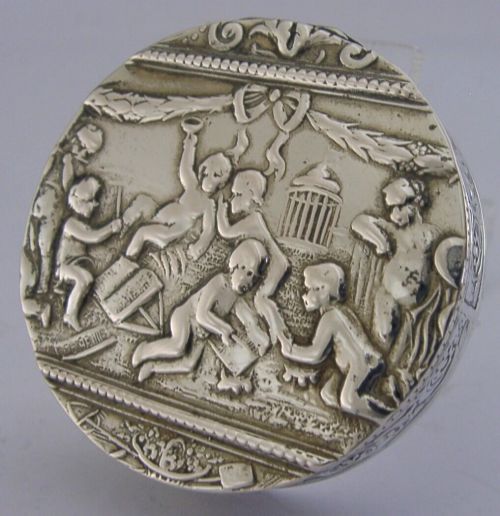
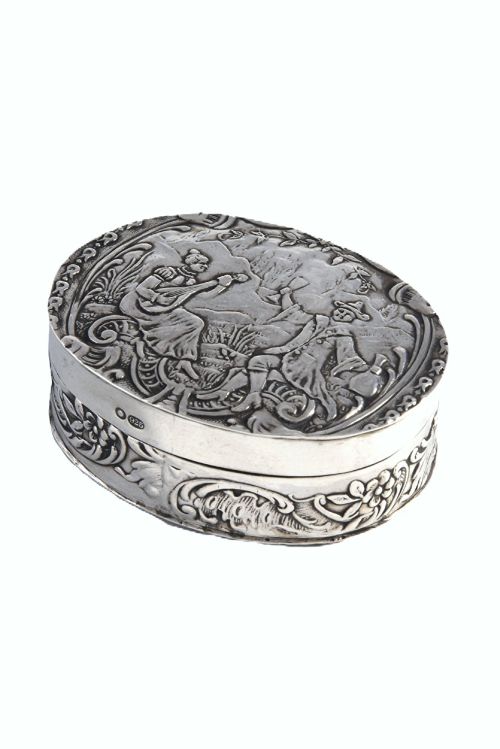
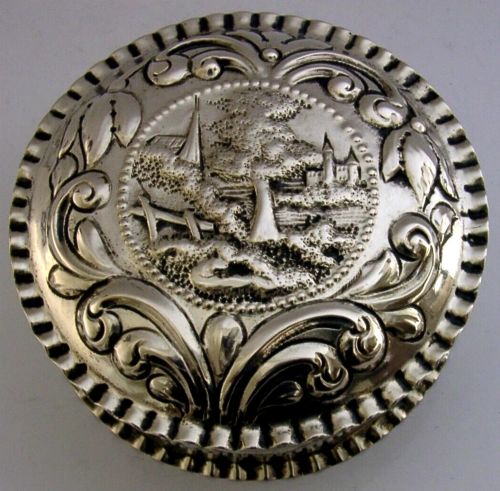
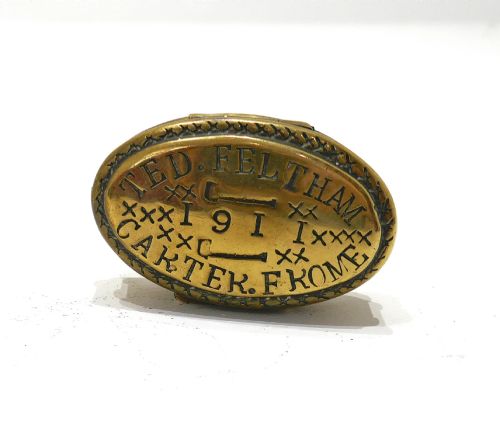
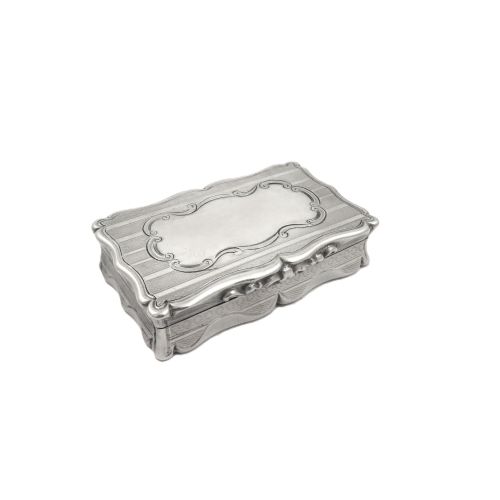
Metalsmiths utilised sterling silver, brass, and copper, often employing techniques such as casting, engine-turning, and silver gilt to decorate the exterior surfaces. Many silver boxes feature detailed pictorial lids cast with figural scenes or architectural motifs.
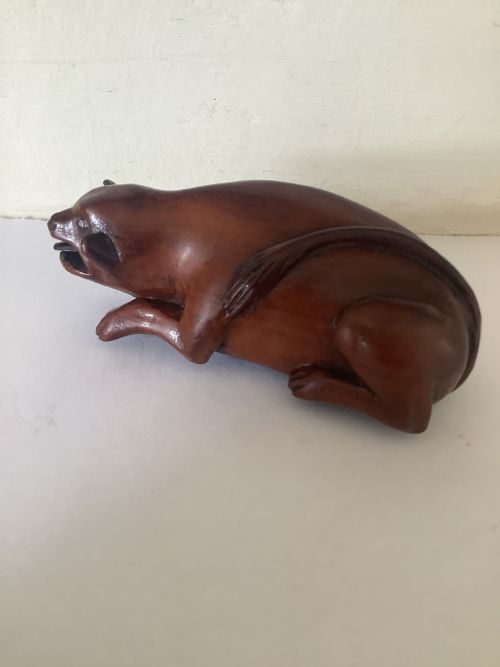
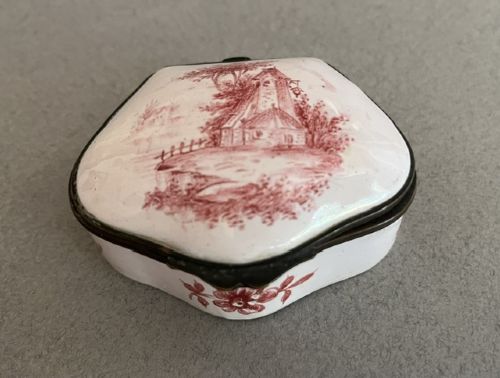
Natural organic materials including horn, tortoiseshell, abalone shell, and hardwoods like walnut and treen were hand-carved or turned on a lathe. Artisans also applied enamel work and mother of pearl inlay to enrich the appearance of smaller pill and snuff boxes.
Materials represented include brass, copper, enamel, porcelain, jade, and abalone shell alongside traditional Scottish horn mulls.
What Varies in Quality
The distinction between standard containers and superior examples lies in the crispness of the chasing on metalwork and the depth of relief in carved horn or wood. Precision in the fit of the hinged lid determines mechanical integrity.
Artistic ambition elevates certain pieces, such as those featuring figural cherub scenes, enamel details, or engraved personal inscriptions that document the original owner and provenance.
Robert Thornton·George Adam Scheid·John Bettridge·William Eaton
The Antique Snuff Container Glossary
- Snuff box
- A small container with a tight-fitting lid designed to hold ground tobacco. These were carried in the pocket or kept on a table for easy access.
- Snuff mull
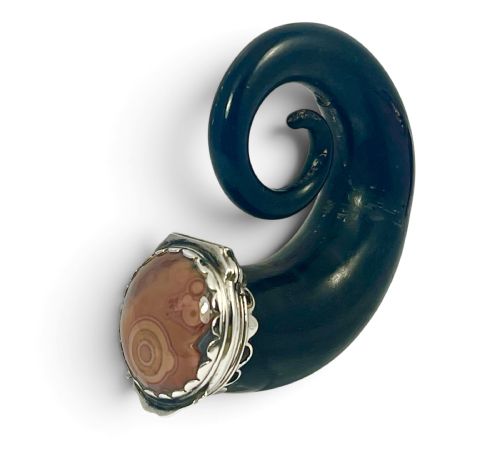
- A traditional Scottish vessel, typically made from animal horn often mounted with silver, used for holding and dispensing snuff. The horn is frequently curled or shaped naturally.
- Treen
- Small handmade wooden objects produced before the widespread use of plastics. In this context, it refers to snuff containers carved into utilitarian shapes like shoes or engraved with patterns.
- Vinaigrette
- A small hinged box containing a perforated internal grill, holding a sponge soaked in aromatic vinegar. These served a similar portable function to snuff containers during the Georgian and Victorian periods.
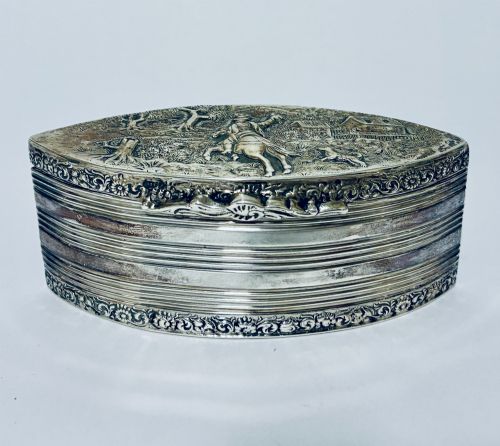
- Navette
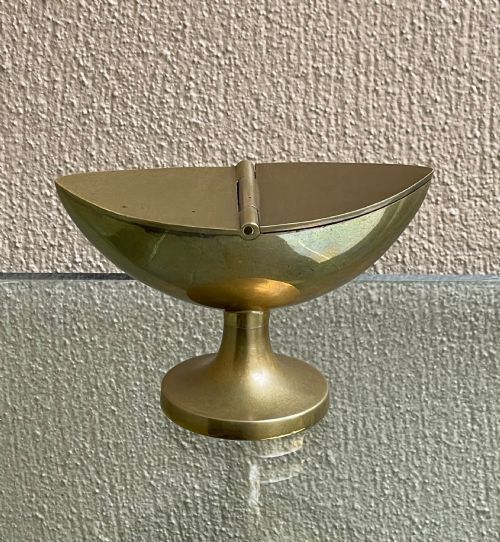
- A pointed, boat-shaped form popular in Georgian design. Table snuff boxes of this outline display symmetrical tapering ends.
Antique Snuff Container: Frequently Asked Questions
What is an antique snuff container?
An antique snuff container is a small pocket or table vessel made to hold powdered tobacco, which users consumed by inhalation. They were produced in numerous materials including silver, horn, wood, and brass.
These pieces date primarily from the 18th century through to the early 20th century, reflecting the peak of snuff-taking customs in polite society.
How were snuff boxes used?
Owners carried pocket boxes for daily use or placed larger table boxes in reception rooms to offer guests a pinch of tobacco. Opening the hinged lid was a social gesture during formal gatherings.
Many containers featured secure closures to keep the dry powder fresh and prevent spills while travelling in pockets or waistcoats.
How do I date an antique silver box?
Silver pieces often carry hallmarks stamped directly into the metal, indicating the assay office, the year of manufacture, and the silversmith's mark. British items from the Georgian and Victorian periods rely heavily on these official stamps for precise dating.
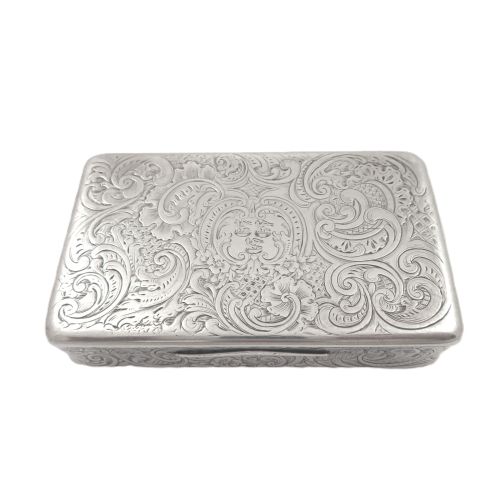
When hallmarks are absent, stylistic clues such as Rococo Revival motifs, engraved dates, or the type of construction help narrow down the era.
What materials were used for snuff containers?
Maker workshops utilised precious metals like sterling silver and silver gilt alongside base metals such as brass and copper. Organic materials were equally popular, including tortoiseshell, hardwood, mother of pearl, and animal horn.
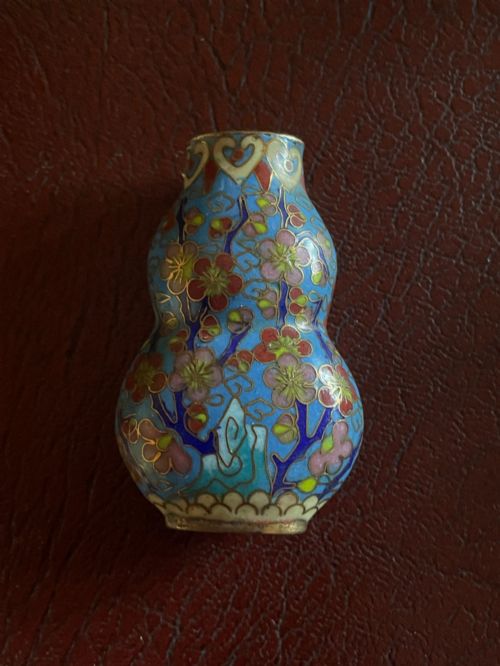
Specialist pieces also incorporated glass, enamel, and jade, particularly in Asian snuff bottles and decorative European pill boxes.