




Antique Novelty Snuff Box
An antique novelty snuff box is a miniature container shaped to amuse, bringing clever forms and silver or wood into the palm of your hand.
Antique Novelty Snuff Box
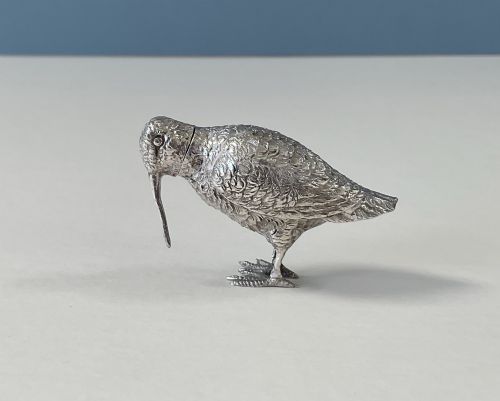
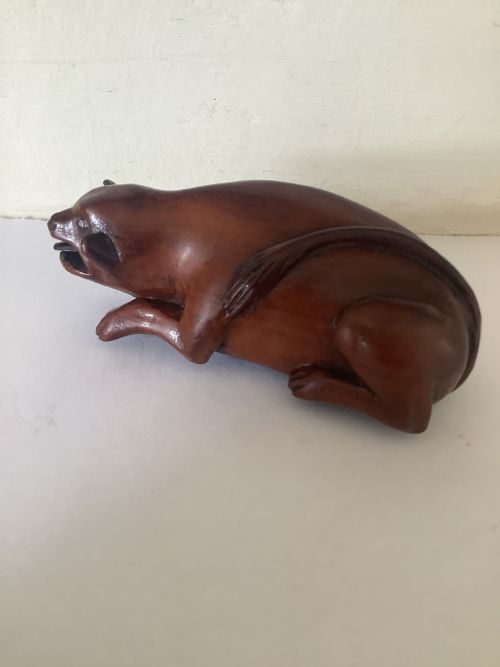
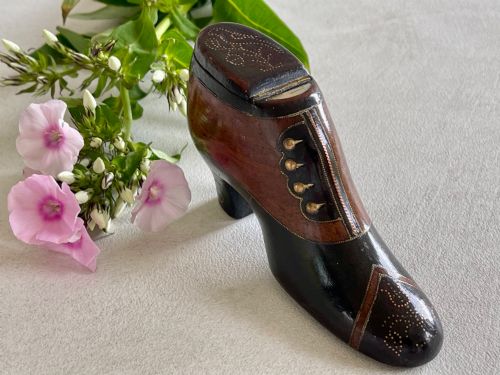
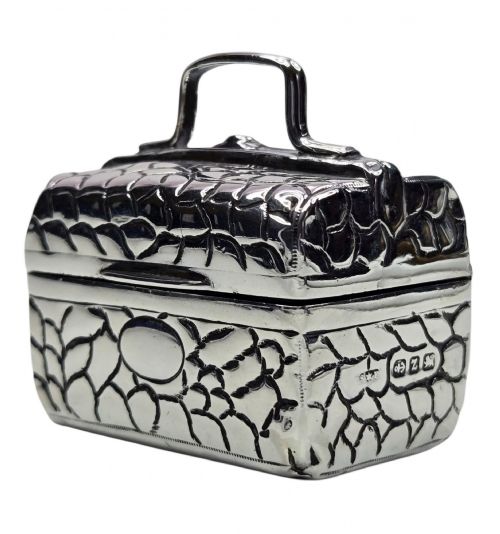
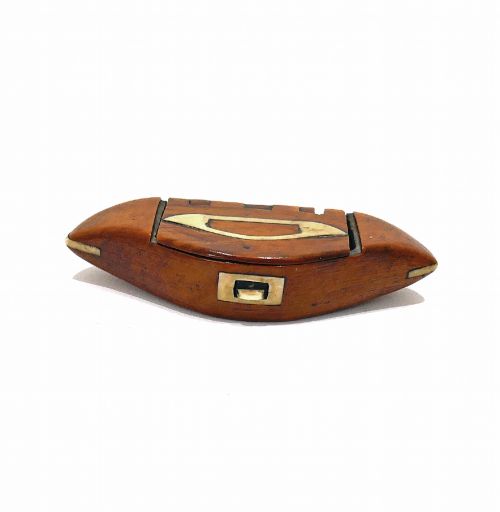
An antique novelty snuff box takes whimsical and unexpected shapes, stepping away from plain geometric containers to resemble animals, boots, books, and everyday objects. When exploring this selection, buyers encounter ingenious designs fashioned to surprise the eye during social gatherings of past centuries.
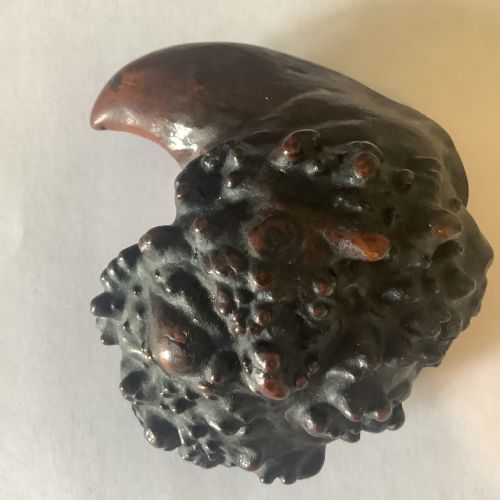
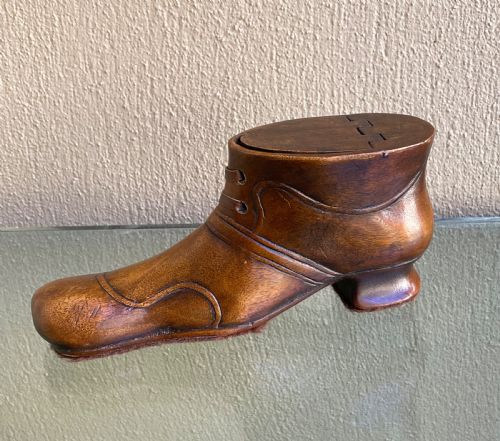
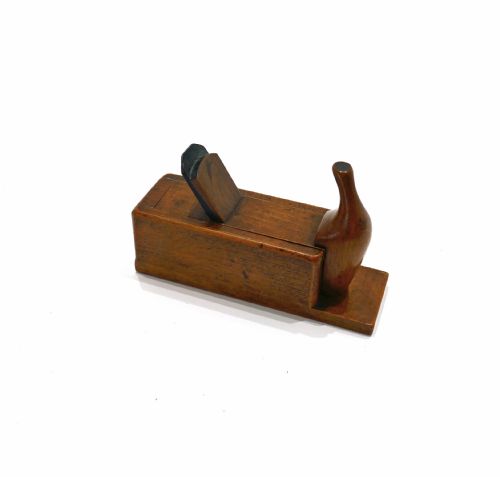
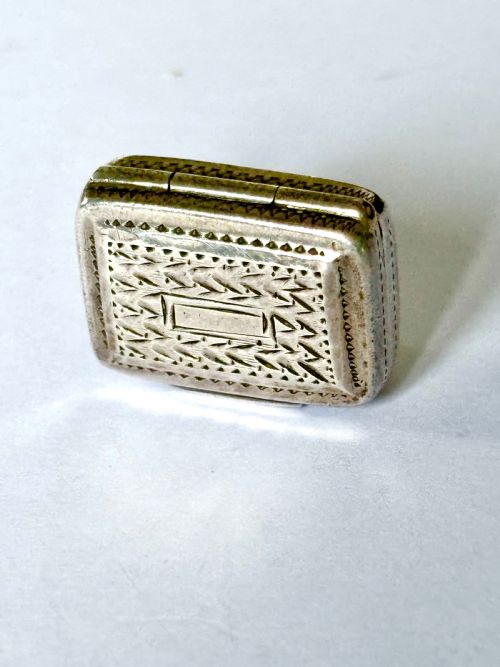
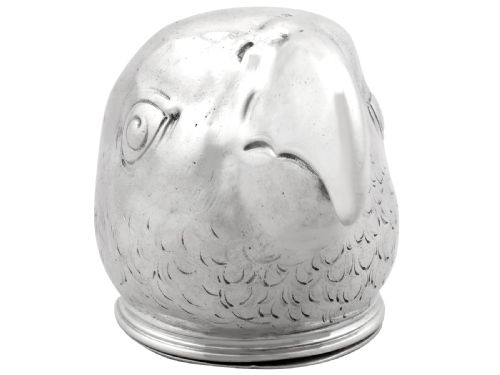
The pieces appearing here span Georgian, Victorian, and Edwardian periods, stretching from the late 18th century into the early decades of the 20th century. Forms range from silver fish and dogs to carved wooden shoes, fruitwood planes, and coquilla nuts.
Originating as personal accessories for holding powdered tobacco, these small vessels demonstrate the playful imagination of makers working across Britain, continental Europe, and beyond. Collectors today prize them equally for their sculptural presence and their clever mechanical hinges.
Materials and construction methods
Silversmiths constructed metal versions using sterling silver, silver gilt, brass, and copper, often employing fine casting and repoussé techniques to render animal pelts, feathers, and insect carapaces with sharp realism. Vinaigrettes and pill boxes in this group display pierced interior grilles alongside secure hinged lids.
Carvers shaped wooden iterations from fruitwood, hardwood, burr walnut, and coquilla nut, frequently incorporating bone inlay, brass piqué work, and detailed hand chiselling. Folk art examples rely on direct, robust carving techniques that leave visible tool marks and develop deep patinas over generations of handling.
Certain wooden pieces take the form of an entire human hand caught in the act of pinching tobacco.
Factors of distinction
Superior quality resides in the crispness of the modelling and the precision of the mechanics, where hinged heads, articulated bodies, and sliding lids operate with exact alignment. Master craftsmen achieved anatomical accuracy in animal forms and intricate detail in engraved foliage that lesser workshops blurred.
The depth of the patina on carved woods and the preservation of original silver gilt interiors separate exceptional survivals from heavily worn pieces. Material choice also elevates a piece, as dense burr walnut, cowrie shell, and heavy sterling silver demand greater skill from the maker than common base metals.
Samson Mordan·John Bettridge·W Comyns
The Antique Novelty Snuff Box Glossary
- Treen
- Small handmade wooden objects created from everyday timber or fruitwood. This category includes carved shoes, boxes, and utensils shaped with traditional woodworking tools.
- Vinaigrette
- A small ornamental box featuring a hinged outer lid and a perforated internal grill. These held a sponge soaked in aromatic vinegar to mask unpleasant odours.
- Coquilla nut
- The hard, dark brown fruit of the South American piassava palm. Carvers utilised its dense shell for intricate miniature boxes and needle cases.
- Piqué work
- A decorative technique involving tiny points of gold or brass inlaid into tortoiseshell, ivory, or wood. Artisans pressed the metal pins into pre-drilled patterns to form floral or geometric motifs.
- Silver gilt
- Sterling silver that has been coated with a thin layer of gold through a chemical or electrochemical process. This treatment added a warm interior glow and protected the metal from tarnishing.
Antique Novelty Snuff Box: Frequently Asked Questions
What did people keep in these boxes?
These containers originally held dry powdered tobacco known as snuff, which users inhaled or placed against the inside of the nose.
Over time, many owners repurposed them to carry small personal items such as pills, trinkets, or stamps.
How do I date a silver novelty box?
British silver pieces carry hallmark stamps indicating the assay office, standard of metal, and a date letter corresponding to the exact year of manufacture.
Stylistic cues such as Edwardian restraint or Victorian ornamentation provide a secondary guide when hallmarks are absent or rubbed.
Why are shoe shapes so common?
Footwear designs carried symbolic meanings of good fortune and safe journeys in European folk tradition during the 18th and 19th centuries.
Carvers turned wood and shaped metal into clogs and boots because these familiar shapes fit comfortably within the palm and offered hidden compartments under sliding or hinged soles.
Are wooden and metal boxes cleaned differently?
Wooden surfaces require gentle dusting and occasional waxing to preserve the natural oils and build up a rich patina over the grain.
Silver and brass pieces tolerate careful cleaning with non-abrasive cloths to maintain their metal lustre without removing delicate engraved details.