



Carved Wooden Tobacco Box
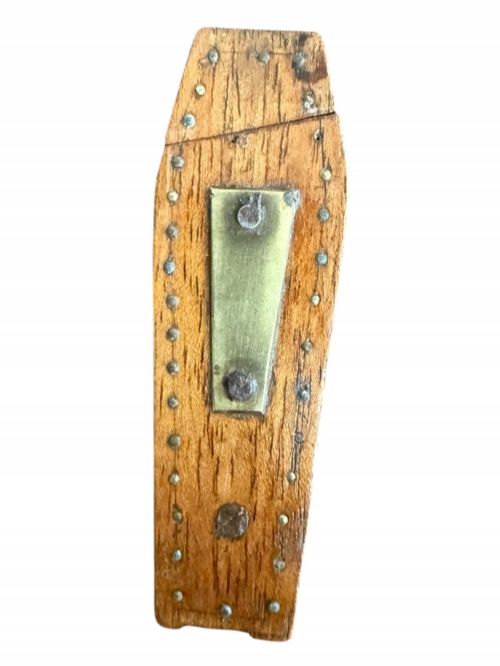
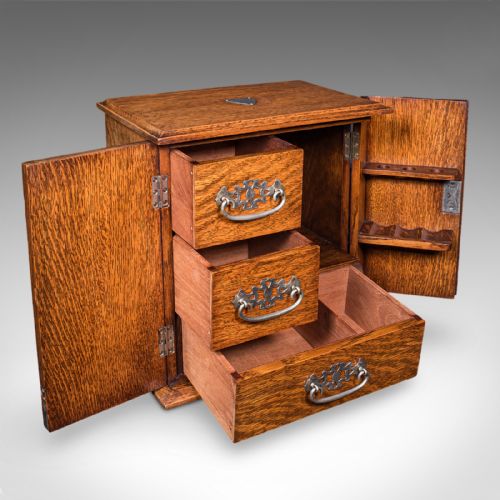
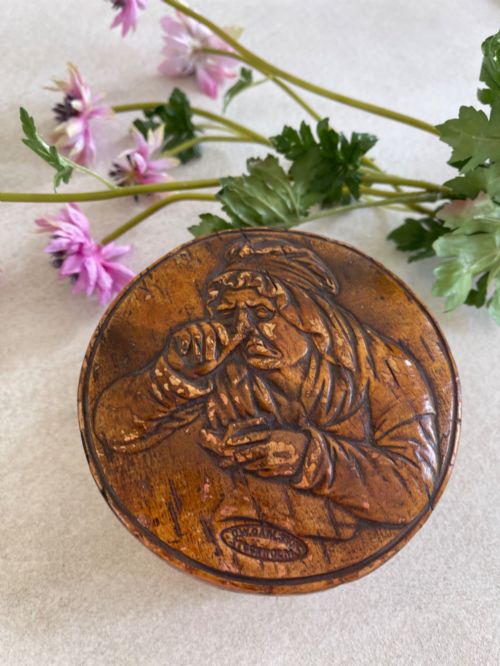
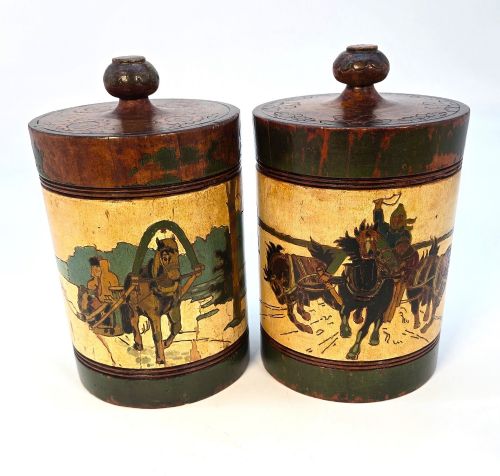
These pieces are a carved wooden tobacco box, offering tactile historical utility and intricate folk art carving that collectors prize for display.
Carved Wooden Tobacco Box
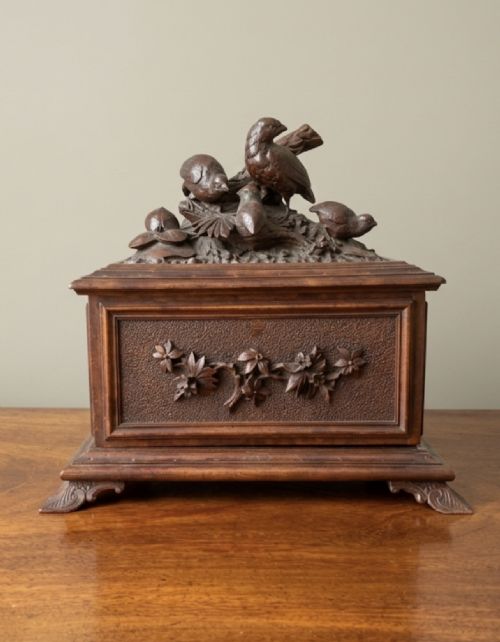
A carved wooden tobacco box spans small pocket snuff containers, figural animal humidors, and larger desktop smoking cabinets. You encounter nineteenth-century folk art examples most often on this page, alongside Edwardian and Georgian iterations.
The forms range from everyday shoes and animals to geometric puzzles and utilitarian jars. Makers shaped these objects from fruitwood, oak, walnut, and exotic hardwoods to store smoking leaf and snuff securely.
How They Were Made
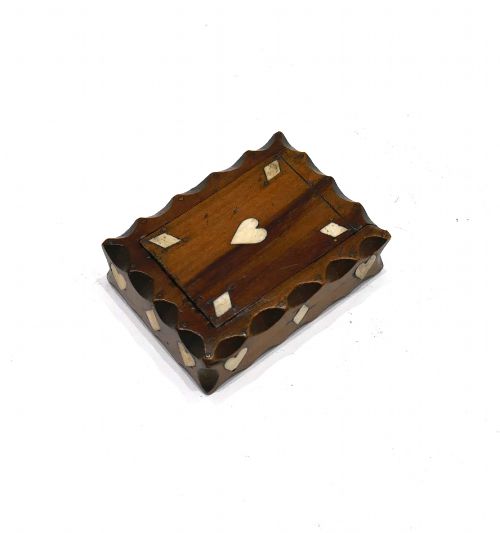
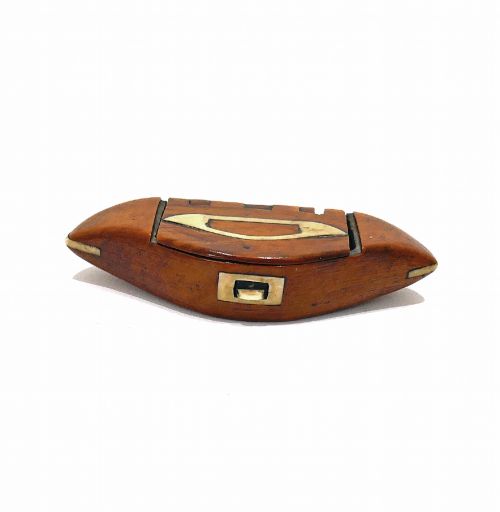
Craftsmen utilised seasoned hardwoods such as fruitwood, mahogany, and linden wood, shaping them through hand-carving, turning, and pressure-moulding. Many surfaces display supplementary bone inlay, brass pique work, and painted decoration.
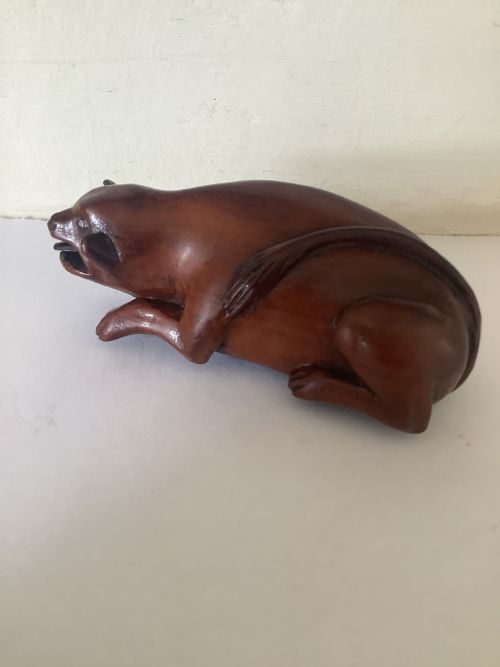
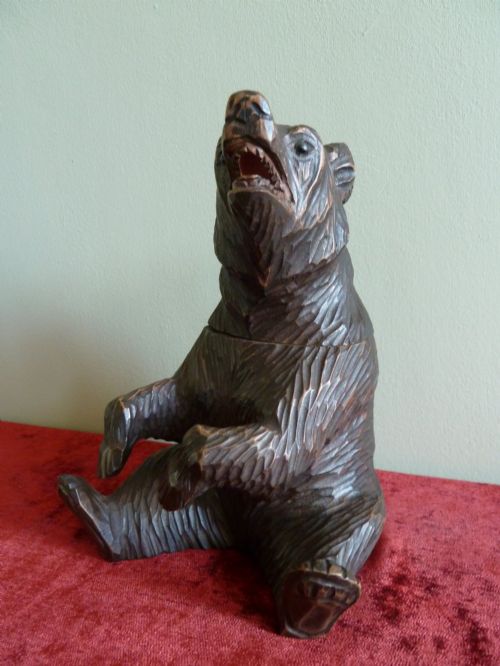
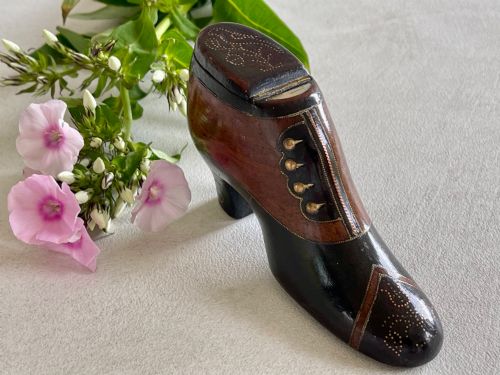
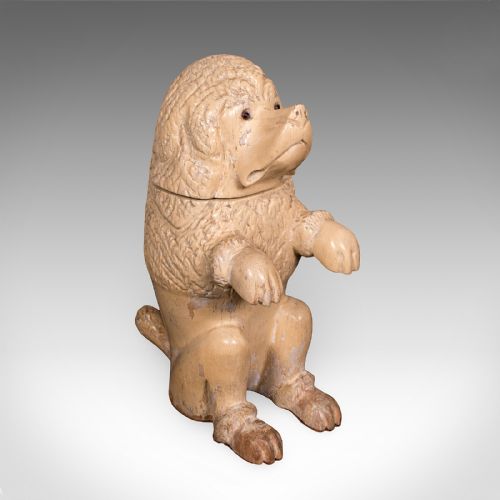
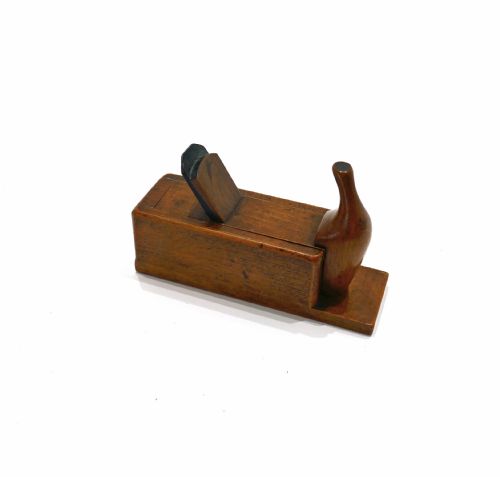
Makers fashioned intricate figural representations, ranging from bears and dogs to boots and everyday items, employing gouges and chisels to achieve deep relief.
Materials represented across the selection include oak, walnut, mahogany, fruitwood, brass, glass, and bone inlay.
What Varies in Quality
The depth and precision of the hand-carving determine much of the distinction between standard examples and exceptional works. Crisp detailing in figural pieces, such as facial expressions on animals or hands, elevates the craftsmanship.
Material selection and decorative enrichment, including well-fitted bone inlay and preserved natural patinas on the timber, separate simpler functional containers from masterwork folk art pieces.
The Carved Wooden Tobacco Box Glossary
- Treen
- Small handmade wooden domestic objects. These items showcase everyday turning and carving skills from past centuries.
- Humidor
- A moisture-controlled container designed for storing cigars or tobacco. These receptacles often feature fitted wooden interiors and secure lids.
- Snuff box
- A small pocket-sized receptacle for holding powdered tobacco. Artisans frequently shaped these into playful forms like shoes, animals, or hands.
- Pique work
- Inlay technique utilising tiny pins of brass or silver to create geometric or floral patterns. This method decorates the exterior wooden surfaces of select boxes.
- Black Forest carving
- Highly detailed wooden sculpture originating from Central Europe. These pieces typically depict bears, dogs, and forest foliage.
Carved Wooden Tobacco Box: Frequently Asked Questions
What is a treen tobacco box?
Treen items are small functional wooden objects made by hand before the era of mass production. They include pocket containers and desk receptacles shaped for personal use.
These pieces rely on the natural grain and warmth of timber, often featuring simple turned profiles or folk art carvings.
How were figural tobacco boxes used?
Figural boxes served to hold loose tobacco, cigars, or snuff while adding a decorative element to a desk or smoking room. Owners kept them close at hand for daily indulgence.
The clever shapes, ranging from animals to everyday objects, also acted as conversation pieces among guests.
How do I care for antique wood?
Keep wooden boxes away from direct sunlight and sudden temperature shifts to prevent the timber from splitting or warping. Maintain a stable indoor environment.
Apply occasional appropriate wax polish to nourish the grain and preserve the deep historic patina without sealing the surface.
How do I identify a Georgian box?
Georgian pieces date from the eighteenth and early nineteenth centuries, often displaying specific stylistic cues like classic shoe forms or understated brass inlay. The timber choice tends toward dense fruitwoods or mahogany.
Examine the construction methods and wear patterns underneath to confirm the period characteristics align with the era.