
Antique Silver Serving
Antique silver serving pieces bring centuries of craftsmanship and formal dining history straight to the modern table.
Antique Silver Serving
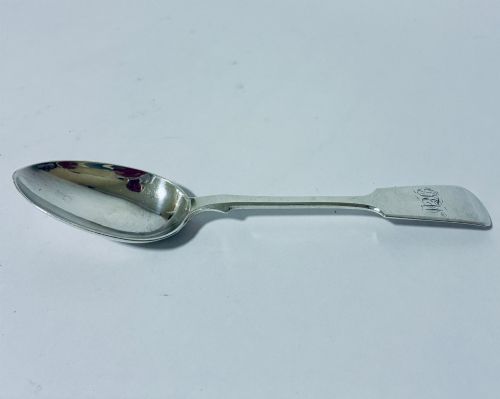
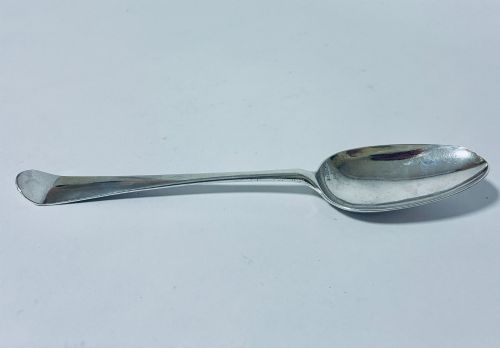
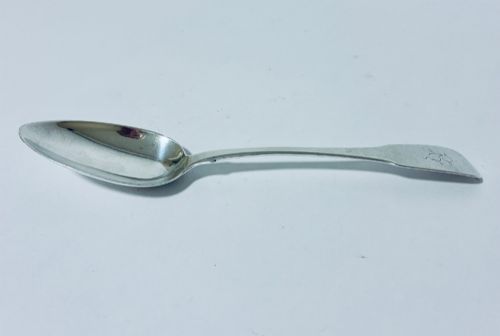
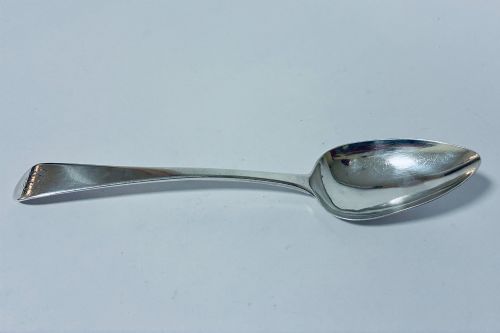
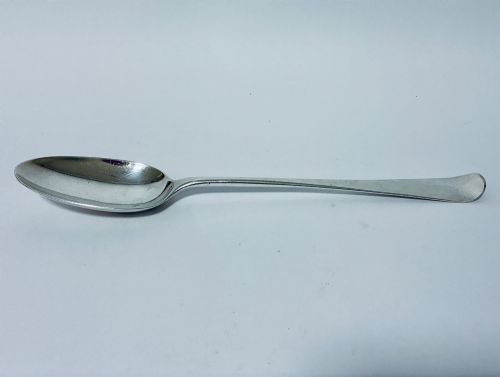
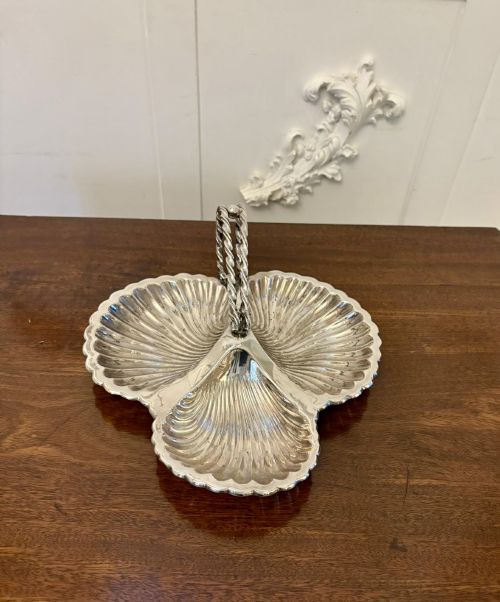
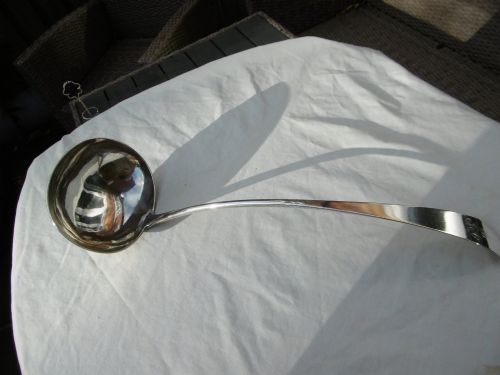
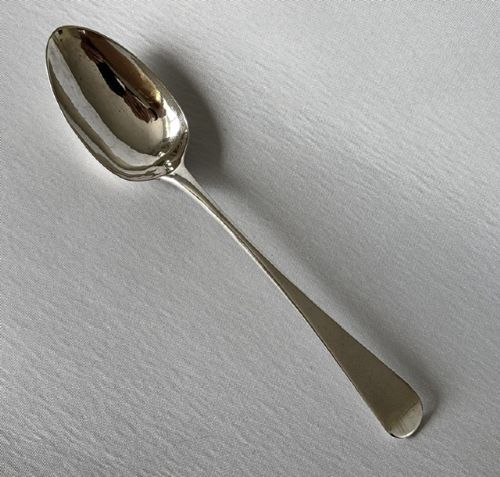
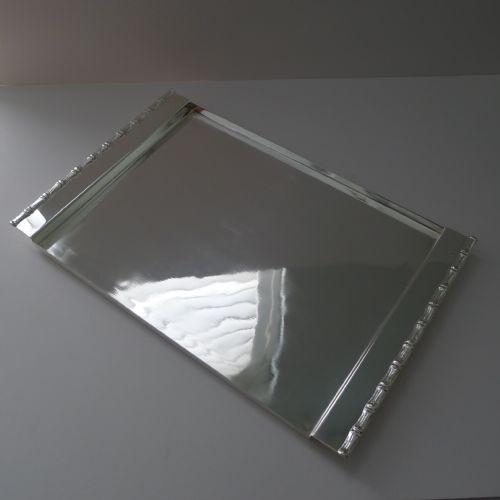
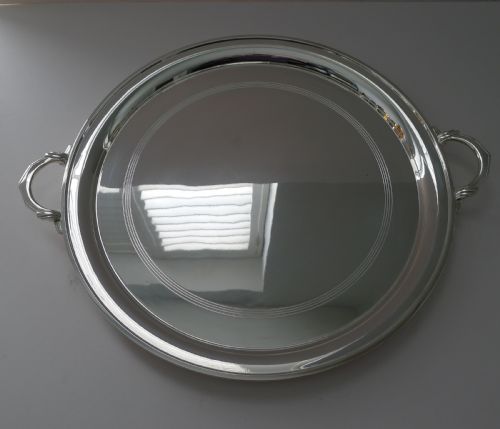
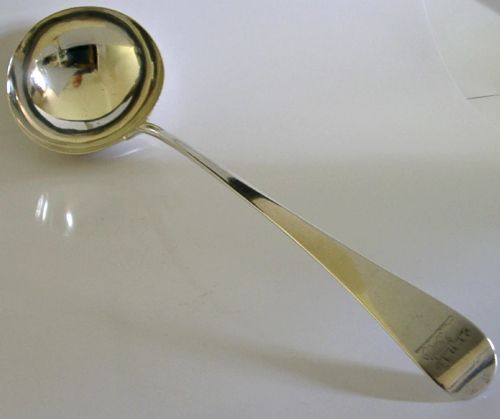
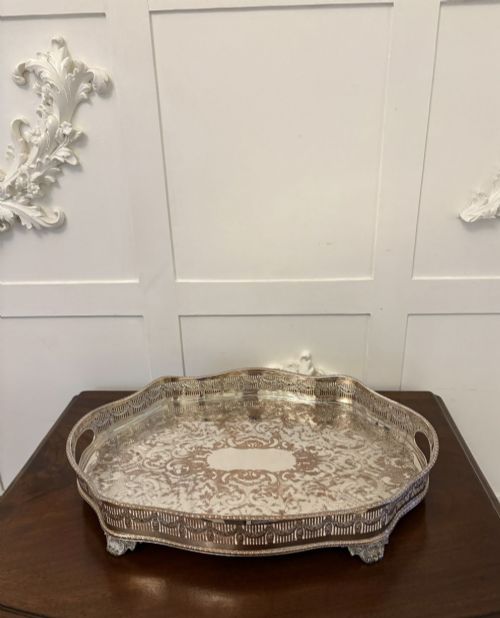
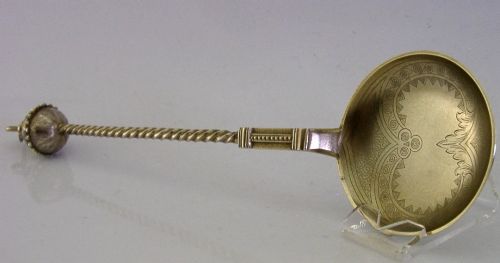
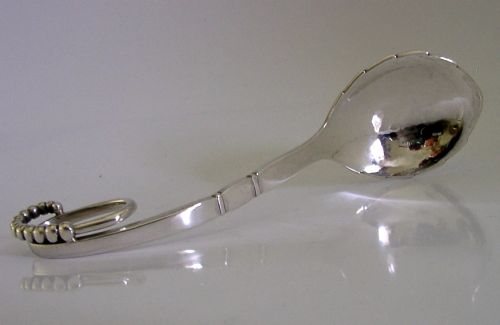
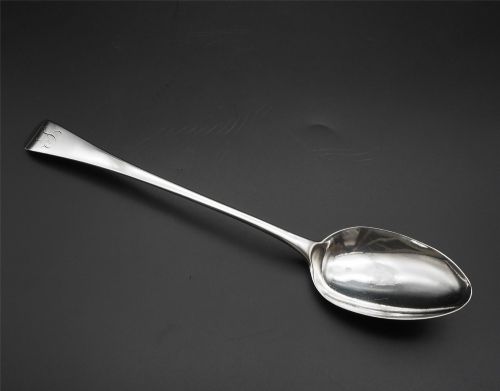
Antique silver serving pieces span everything from heavy Georgian basting spoons and ladles to expansive Victorian and Edwardian tea and cocktail trays.
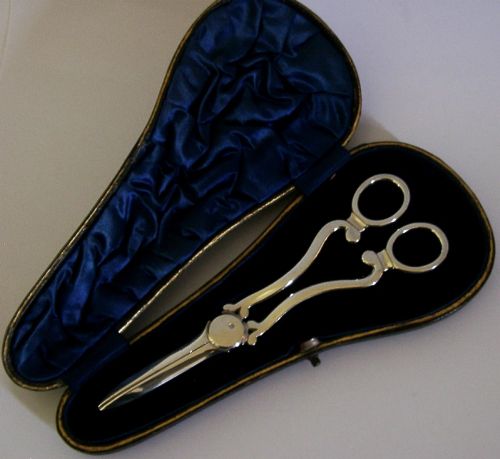
The inventory covers functional tableware including fruit spoons, fish servers, tongs, and salvers produced across the eighteenth, nineteenth, and twentieth centuries.
Makers and silversmiths from English, Scottish, Irish, and continental European workshops shaped these utensils and platters for domestic hospitality.
How They Were Made
Silversmiths worked primarily in solid sterling silver and silver plate, often utilising electroplated nickel silver and old Sheffield plate techniques.
Pieces frequently incorporate decorative enhancements such as silver gilt, hand engraving, piercing, and applied crests alongside secondary materials like wood, glass, velvet, and porcelain.
Several items carry deeply personal family crests, meaning past dinners were witnessed by engraved birds, stags, and heraldic mottos.
What Varies in Quality
The standard of execution depends heavily on the crispness of chased and engraved details, the weight of the metal, and the integrity of any applied crests or cresting work.
Makership plays a definitive role, with recognised silversmiths and established firms demonstrating superior balance, proportion, and finishing compared to standard production items.
Peter and Jonathan Bateman·Hester Bateman·Georg Jensen·Mappin and Webb·Paul Storr
The Antique Silver Serving Glossary
- Salver
- A flat tray, typically made of silver or silver plate, used for serving food or drinks.
- Basting spoon
- A large utensil originally designed for spooning juices over roasting meat, frequently repurposed for general serving.
- Silver gilt
- Sterling silver that has been coated with a thin layer of gold on its surface.
- Gallery tray
- A serving tray featuring an elevated pierced or solid border around its perimeter.
Antique Silver Serving: Frequently Asked Questions
How were antique silver serving spoons used?
These large spoons served specific culinary roles at the dining table, from transferring portions of meat to handling vegetables, berries, and fish.
Their substantial size and decorative bowls reflected the formality of nineteenth and eighteenth century dining rituals.
What is the difference between sterling and silver plate?
Sterling silver consists of solid silver alloyed for durability, maintaining its material value throughout the entire object.
Silver plate involves a base metal, such as copper or nickel silver, coated with a thin layer of pure silver.
How do I care for antique silver trays?
Routine maintenance requires gentle cleaning with appropriate silver polish and soft cloths to preserve the underlying metal and engravings.
Avoiding abrasive materials protects delicate surface details and maintains the natural patina accumulated over decades.
Can I use antique serving cutlery daily?
Many collectors use solid silver and silver-plated utensils for special occasions, provided they receive careful hand washing after each meal.
Harsh detergents and automatic dishwashers should be avoided to prevent damage to fragile joints, gilding, and handles.