


Provincial Silver Cutlery
Provincial silver cutlery brings regional British craftsmanship to the table, offering distinct local assay marks and hand-wrought sterling silver forms.
Provincial Silver Cutlery
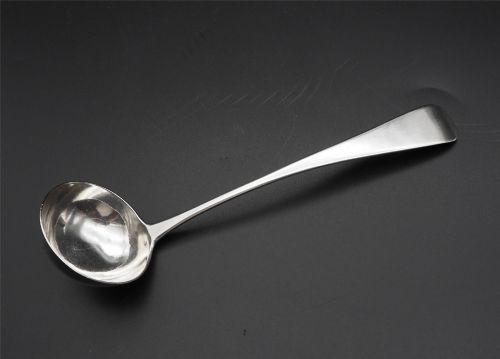
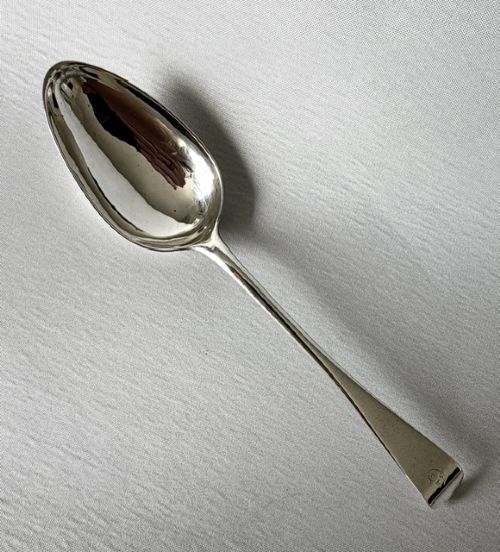
Provincial silver cutlery encompasses spoons, ladles, and serving flatware produced outside London by regional silversmiths across the seventeenth, eighteenth, and nineteenth centuries. These pieces carry the character of local workshops, reflecting the distinct output of centres such as Newcastle, Exeter, Inverness, Banff, and Plymouth.
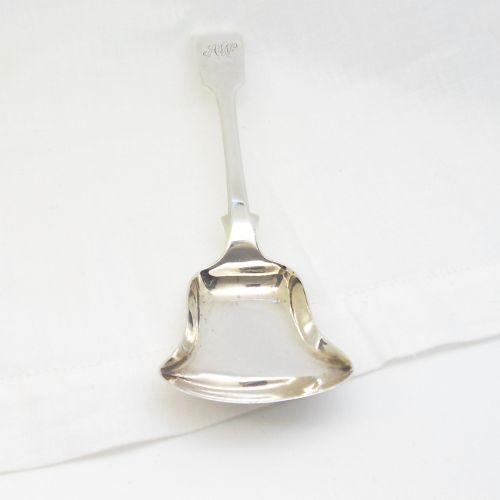
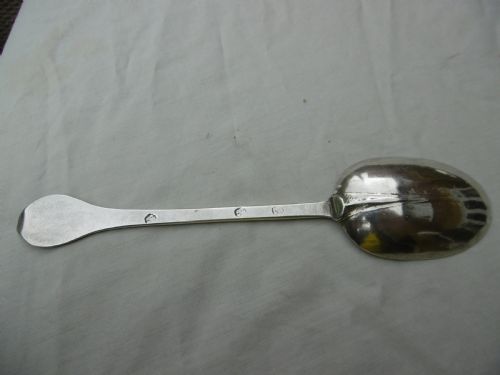
Buyers encountering this category will find examples ranging from early Dognose and Trefid spoons to George III serving spoons and Victorian sugar shovels. The selection leans heavily towards Scottish provincial centres and English regional towns, showing marked variation from metropolitan London output.
Forms include large basting spoons, sauce ladles, and rat tail tablespoons alongside table spoons and flatware. Each piece bears the tangible history of regional makers operating outside the main assay offices.
Materials and construction
These items are forged from sterling silver using traditional hammering and shaping techniques handed down through generations of provincial silversmiths. The metal possesses the heavy weight and pliable quality characteristic of early British silverworking.
Details such as rat tails, lace backs, and engraved crests are worked directly into the sterling silver by hand. Makers utilised regional punches to mark their output, leaving distinct maker marks and town touchmarks rather than standard London leopard heads.
The inventory records regional Scottish provincial work from Inverness and Banff alongside English output from Exeter, Newcastle, and Plymouth.
Assessing quality and merit
Quality in provincial silver cutlery rests upon the clarity of the maker marks and town punches stamped into the sterling silver. Crisp, legible regional marks elevate a spoon, whereas worn or rubbed stamps obscure the geographic origin and maker identity.
The survival of original surface detail, such as sharp lace back ornamentation or distinct rat tail junctions, separates superior examples from heavily polished pieces. Weight, gauge of silver, and the structural integrity of the bowl and stem further determine the standing of each item.
John Walton·James Tait·John Pike·Peter Webb
The Provincial Silver Cutlery Glossary
- Provincial silver
- Silverware made and marked outside of London, typically bearing regional town marks and local maker stamps. These pieces offer collectors insight into British silversmithing traditions beyond the capital.
- Trefid spoon
- An early form of flatware featuring a three-lobed terminal handle popular in the seventeenth century. This design often incorporates lace back decoration on the reverse of the bowl.
- Dognose tablespoon
- A transitional flatware style evolving from the trefid, featuring a rounded terminal with a central upturned ridge. It dates primarily from the late seventeenth and early eighteenth centuries.
- Rat tail
- A strengthening ridge running down the back of a spoon bowl, welded or drawn from the same piece of silver as the stem. This feature is common on early eighteenth-century cutlery.
- Town mark
- A punch applied by a regional guild or silversmith indicating the geographical origin of the piece. These marks vary significantly across English and Scottish provincial centres.
Provincial Silver Cutlery: Frequently Asked Questions
What makes provincial silver cutlery different from London pieces?
Provincial silver cutlery was manufactured outside the capital by regional silversmiths who used local town marks and unique maker punches instead of standard London leopard heads. This results in regional variations that appeal to collectors seeking local history.
The methods of production remained traditional, yet the stylistic quirks reflect the isolation or independence of workshops in places like Exeter, Newcastle, or Scottish towns.
How can I identify the origin of a provincial spoon?
Origin is determined by examining the maker marks and town stamps struck directly into the sterling silver. Regional makers often used initials combined with town-specific symbols or abbreviated names.
Reference books and historical records help match these punches to specific silversmiths working in centres such as Inverness, Banff, or Plymouth during the Georgian and earlier periods.
What are rat tail tablespoons?
Rat tail tablespoons feature a distinctive tapered ridge of silver running down the back of the bowl where it joins the stem. This structural element reinforced the joint on early pieces.
Seen frequently on eighteenth-century provincial silver, the rat tail adds both durability and a visually appealing tactile element to the reverse of the spoon.
How should I care for antique silver cutlery?
Antique silver cutlery benefits from gentle cleaning using a non-abrasive silver cloth or mild soapy water to preserve the original patina and marks. Avoid harsh dips that can strip the surface character.
Storing pieces in tarnish-resistant rolls or dry environments protects the sterling silver from excessive oxidation while allowing you to handle and use them safely.