



Antique Silver Plate Caddy
An antique silver plate caddy brings domestic organisation and polished display to tea leaves, biscuits, or condiments on the dining table.
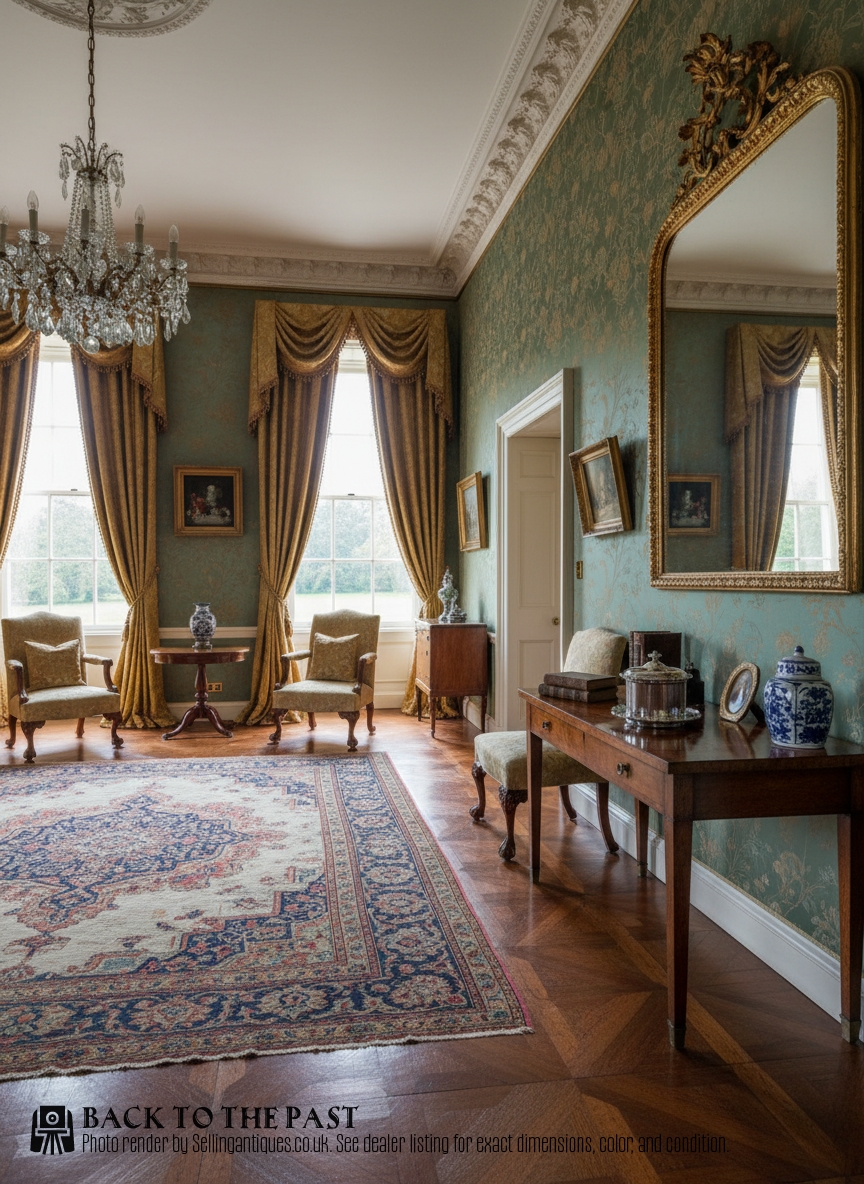
Antique Silver Plate Caddy
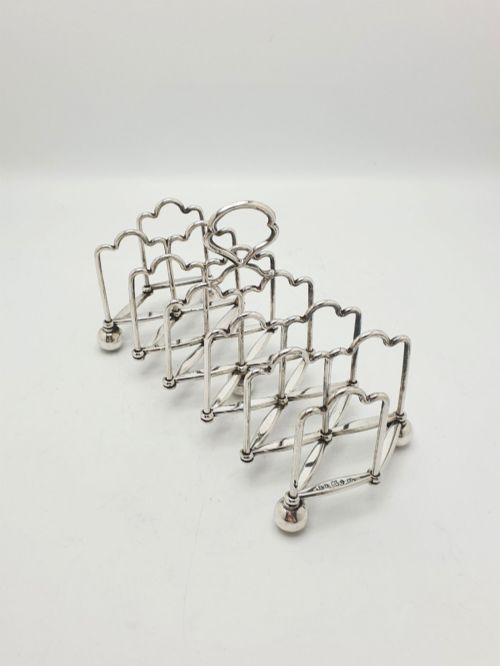
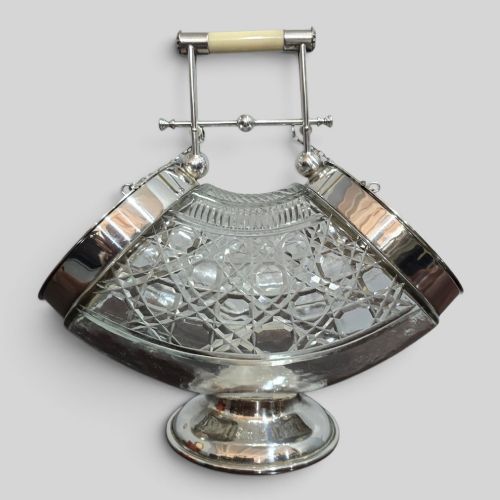
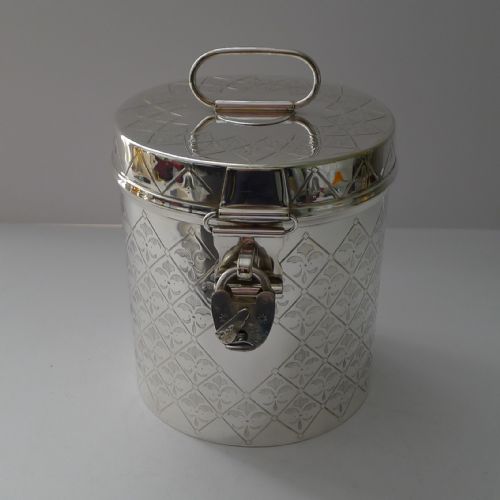
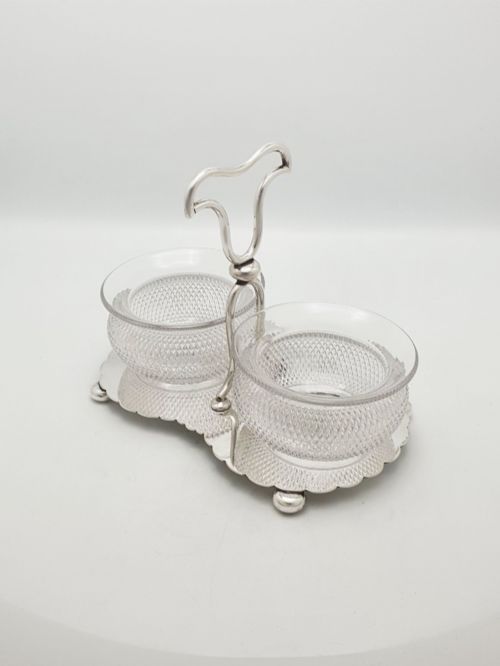
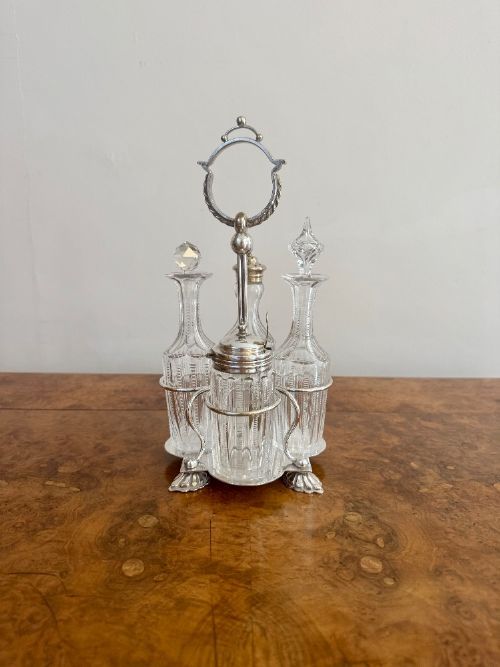
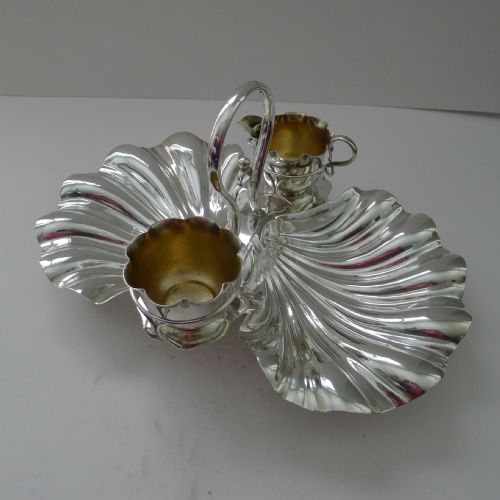
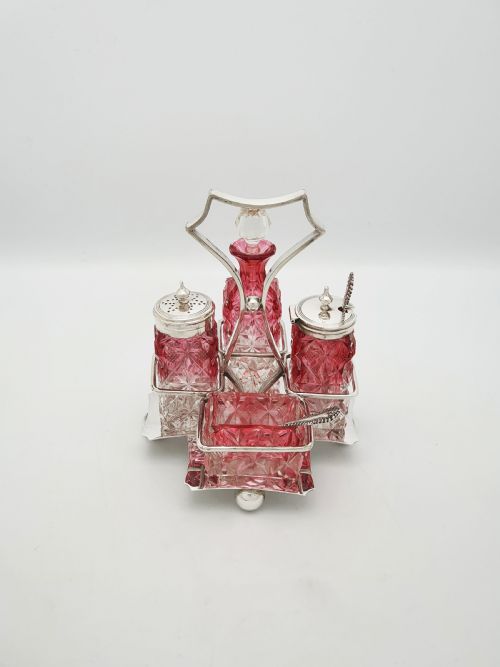
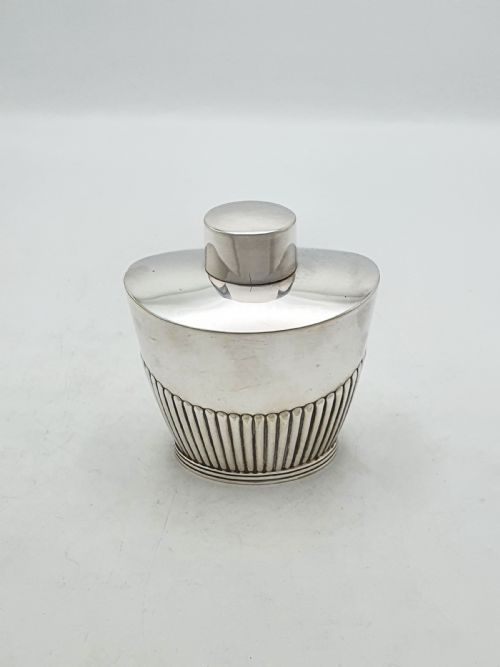
When buyers search for an antique silver plate caddy, they encounter receptacles spanning the Victorian and Edwardian periods alongside later Georgian Revival and Art Deco examples. These pieces encompass tea canisters, biscuit boxes, toast racks, and cruet stands utilising metal frameworks fitted with glass or ceramic containers.
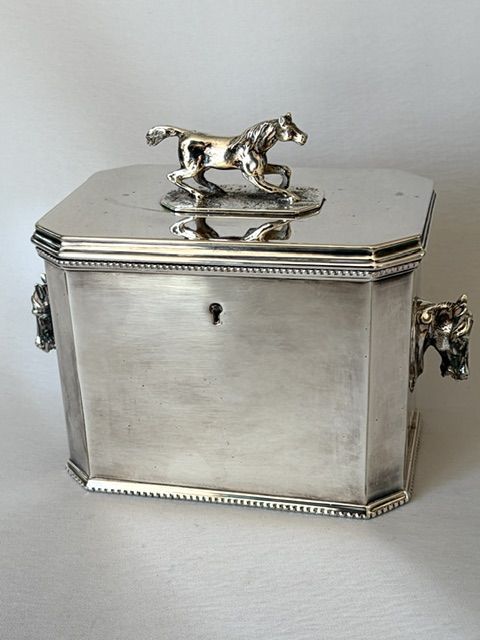
The domestic role of these containers changed according to the era, shifting from locking tea caddies that safeguarded precious dry leaves to open condiment stands and biscuit barrels designed for formal dining tables. Common forms range from cylindrical canisters and oval boxes to hinged novelty shapes and multi-bottle frames.
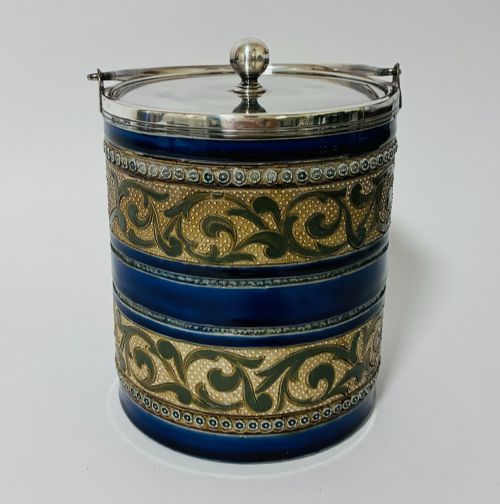
Makers utilised silver plate over base metals, pairing the lustrous exterior with inserts of cut glass, earthenware, or carved oak bodies. Surviving examples frequently display maker marks from prominent silversmiths active during the nineteenth and early twentieth centuries.
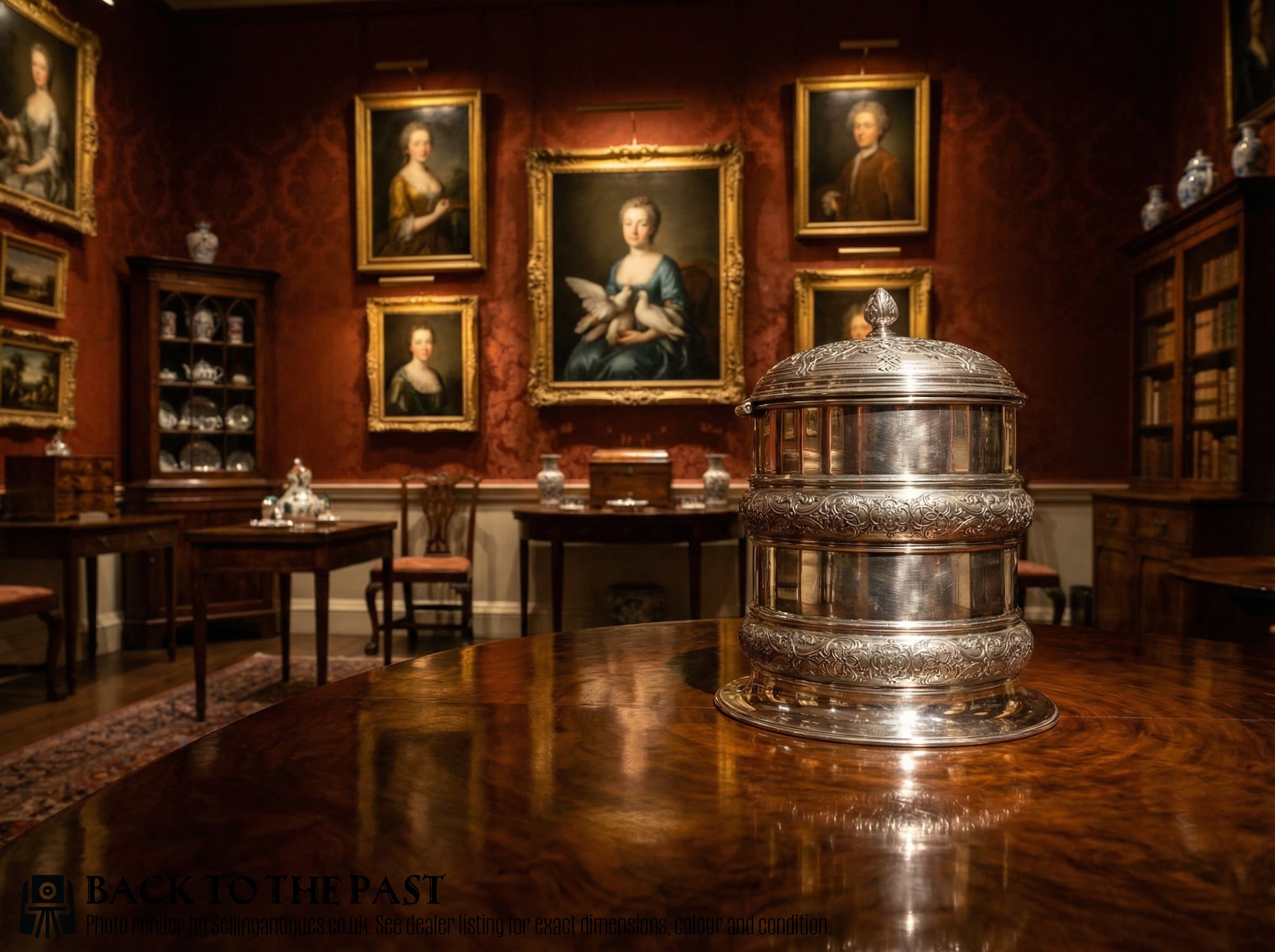
Materials and manufacturing techniques
Silversmiths constructed the foundational bodies using electroplated nickel silver or base metals, applying a layer of silver via chemical deposition or mechanical bonding. This technique allowed workshops to produce durable domestic items that mirrored the appearance of solid silver at a lower cost.
Internal liners and associated vessels relied on blown or hobnail cut glass, earthenware pottery, and turned oak timber. Metal mounts, hinges, and locking mechanisms were cast or stamped separately before being soldered or screwed to the main body.
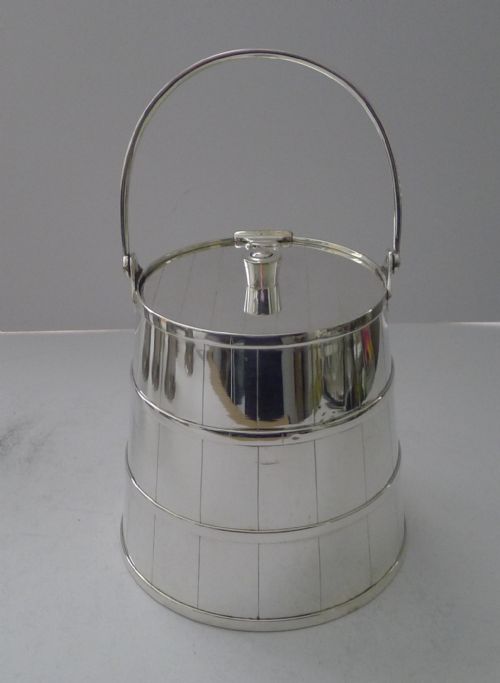
Several Victorian items double as novelty biscuit boxes shaped like ice buckets or miniature furniture for the dining room.
Distinctions in quality and execution
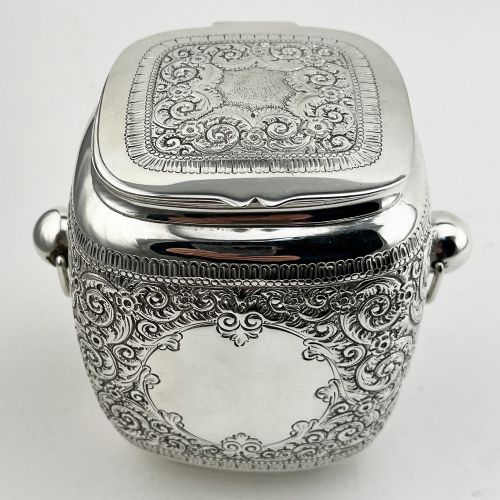
Superior examples display crisp engraving, well-defined relief work, and robust structural joints that withstand regular handling. The thickness of the silver plating and the clarity of the underlying maker marks indicate the level of care invested during production.
The integration of secondary materials defines the overall standard of a piece, separating mass-produced items from those featuring hand-cut crystal liners, fitted original keys, or complex locking mechanisms by recognised firms.
Martin Hall And Co·Elkington·Mappin And Webb·Daniel Arter·Mappin Brothers·Robert And Belk·James Dixon·Joseph Hirons·Henry Hodson Plante And Co·Taylor Tunnicliffe And Co·Henry Bourne·Atkin Brothers·Walker And Hall
The Antique Silver Plate Caddy Glossary
- Electroplated nickel silver
- A base metal alloy of copper, nickel, and zinc coated with a thin layer of pure silver through an electrolytic process. This method became standard for domestic tableware during the nineteenth century.
- Biscuit barrel
- A covered container designed to hold dry biscuits on the parlour or dining table, frequently fitted with a ceramic or glass body housed within a decorative metal frame.
- Cruet set
- A matched assembly of glass bottles or cruets held within a metal stand, used for dispensing condiments such as oil, vinegar, salt, and pepper at meals.
- Toast rack
- A metal framework featuring vertical divisions designed to hold slices of toast upright on the breakfast table. Early versions often incorporate central carrying rings and crumb trays.
- Hobnail cut
- A decorative surface pattern cut into glassware resembling the hobnails used in heavy boots, creating rows of raised square facets that catch the light.
Antique Silver Plate Caddy: Frequently Asked Questions
What were antique silver plate caddies used for?
These vessels served various domestic functions, primarily storing dry goods like tea leaves, biscuits, and sugar away from moisture. Dining rooms also utilised them as condiment stands, toast racks, and wine bottle holders during formal meals.
Over time, changing culinary habits transformed these containers from secure storage boxes into decorative accessories displayed openly on sideboards and breakfast tables.
How do I date an antique silver plate caddy?
Dating relies on stylistic markers, manufacturing techniques, and maker marks stamped into the metal framework. Victorian pieces often feature heavy ornamentation and elaborate engraving, whereas Edwardian and later examples tend toward lighter neoclassical or geometric motifs.
Examining the type of screws, hinge construction, and the presence of registry diamond marks helps narrow the production window to a specific decade.
Are glass liners original to these pieces?
Many biscuit barrels and condiment stands retain their original blown or cut glass liners, which were custom-fitted to the internal dimensions of the metal frame. Replacements are common due to the fragile nature of glass over a century of use.
Matching the rim thickness, tint, and cut patterns helps determine whether a glass insert corresponds to the period of the outer holder.
How should I clean silver plated items?
Maintenance requires gentle cleaning with a soft cloth and a specialised silver polish formulated to protect thin plated layers from abrasive wear. Avoiding harsh chemical dips preserves the underlying base metal and any patinated recesses.
Regular dusting and dry storage away from damp environments prevent tarnish accumulation and maintain the reflective finish of the metal surface.