

Antique Salt Dips
Antique salt dips are small table vessels for individual portions of salt, offering a glimpse into formal dining customs across Georgian and Victorian periods.
Antique Salt Dips
When you search for antique salt dips, you encounter open vessels designed to hold granular salt at the dining table before shaker bottles became common.
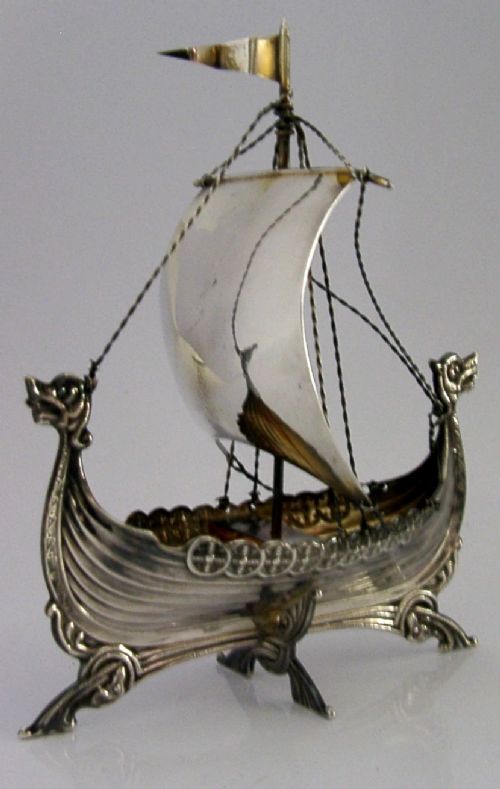
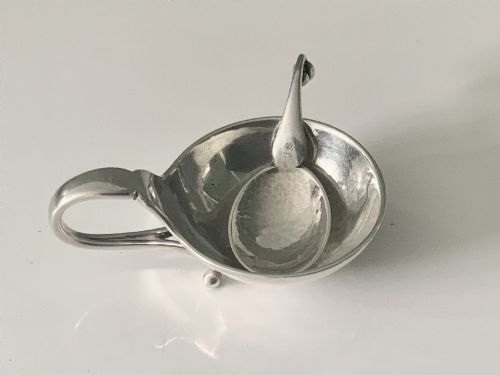
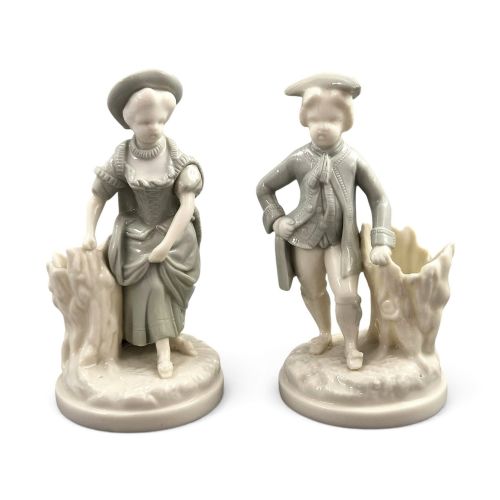
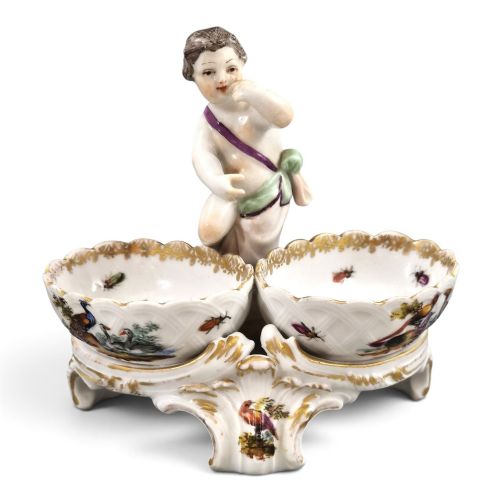
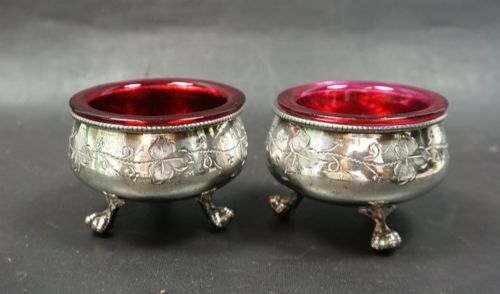
The selections span simple Georgian trencher forms and ornate Victorian cauldron salts raised on three legs, alongside figural porcelain and novelty silver boat shapes.
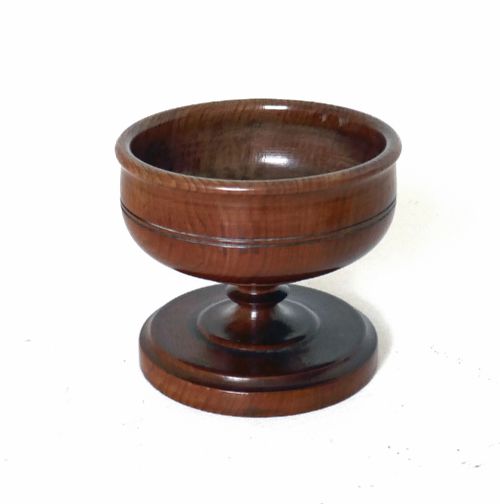
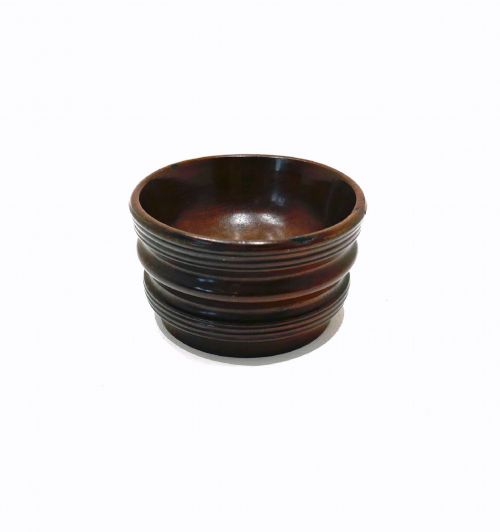
Originating largely from British workshops and continental potteries, these pieces range from utilitarian treen turned from yew or laburnum to elaborate silver and glass combinations.
How they were made
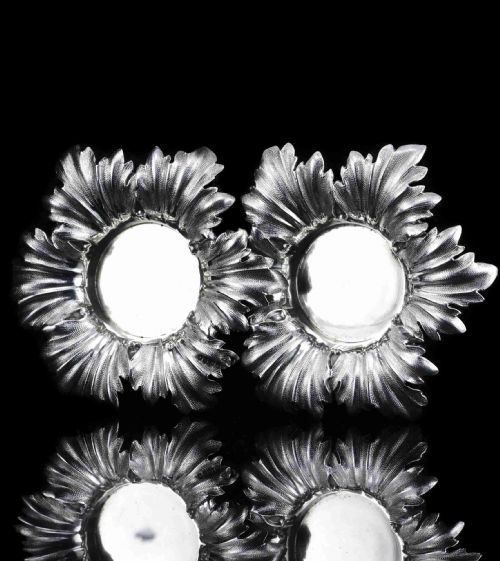
Silversmiths formed sterling silver and silver plate bodies through hammering, casting, and piercing, often applying chased foliate detail or gilding the interiors to protect the metal from corrosion.
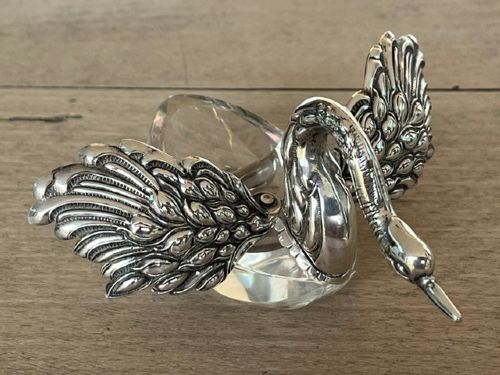
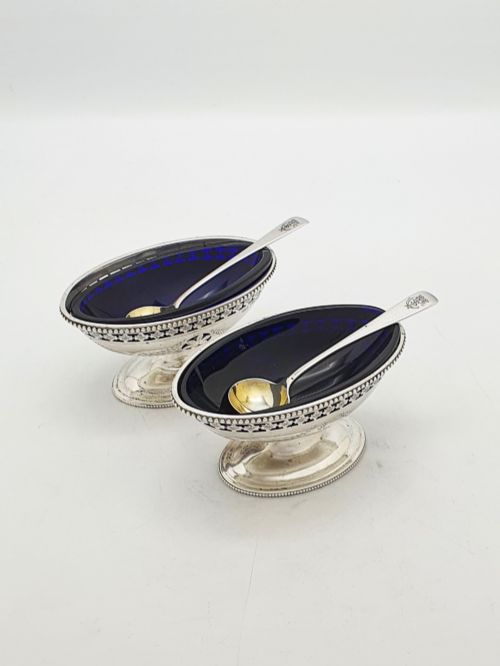
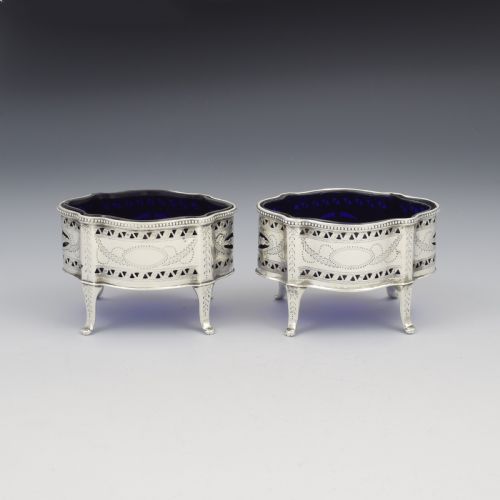
Glassmakers produced removable cobalt, cranberry, and clear liners using cut or moulded techniques, allowing the glass to sit snugly within pierced silver frameworks.
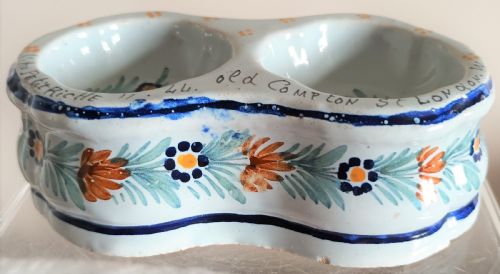
Potters shaped ceramic salts from porcelain, earthenware, and delftware, finishing the pieces with hand-painted glazes or figural moulding.
Antique Salt Dips Retail Price Guide 2026
Typical asking prices for salt dips among the pieces listed under this phrase on Sellingantiques today, from the lower quarter to the upper quarter. They describe what is for sale here now, not the wider market.
Black Forest wooden bears and silver swans double as functional condiment holders for the dining table.
What varies in quality
The distinction between standard examples and superior pieces rests on the crispness of the chasing, the weight of the silver, and the artistic ambition of the modelling in figural designs.
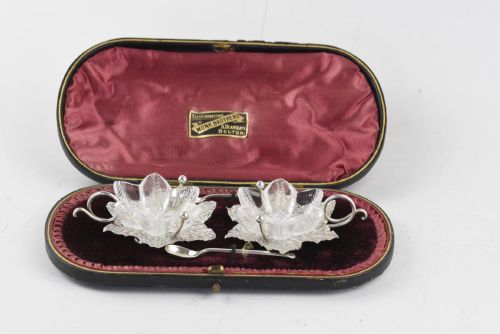
Matched sets with original fitted cases and intact, period-correct glass liners command greater interest than assembled groups with replacement components.
Georg Jensen·KPM Berlin·Josiah Williams And Co·David Hennell·John Edmonstone·Paul Storr·Thomas Smily
The Antique Salt Dips Glossary
- Trencher salt
- A heavy, often square or octagonal salt cellar used in early dining arrangements before individual small salts became widespread.
- Cauldron salt
- A small, round salt cellar raised on three feet or legs, mimicking the shape of a cooking pot and popular throughout the Victorian era.
- Foliate chasing
- A decorative technique where the silversmith hammers plant and leaf motifs into the metal from the front to create raised surface relief.
- Treen
- Small handmade wooden objects shaped by turning on a lathe, utilising dense timbers such as yew, laburnum, or boxwood.
- Salt boat
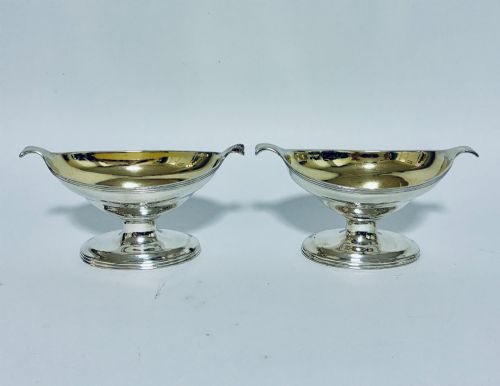
- A navette-shaped salt cellar resembling a small vessel, often paired with matching spoons and supported on a pedestal base.
Antique Salt Dips: Frequently Asked Questions
What are antique salt dips used for?
These small dishes held loose salt at each place setting before free-flowing salt shakers were invented. Diners used a tiny spoon or pinched the salt out by hand.
Today, collectors use them to hold small items or display them as cabinet pieces representing historical dining traditions.
How do I identify Georgian salt dips?
Georgian pieces often feature heavy cast construction, simple geometric trencher shapes, or tripod cauldron forms bearing clear hallmarks from the eighteenth or early nineteenth century.
They rely on proportion and clean craftsmanship rather than the heavy pierced decoration seen in later Victorian examples.
Why do some salt dips have glass liners?
Salt is highly corrosive and will pit or stain bare silver over extended periods of contact. Removable glass liners in cobalt or cranberry hues protected the metal framework from chemical damage.
These liners also made cleaning easier between formal courses at the dining table.
Are salt spoons always matched to the dips?
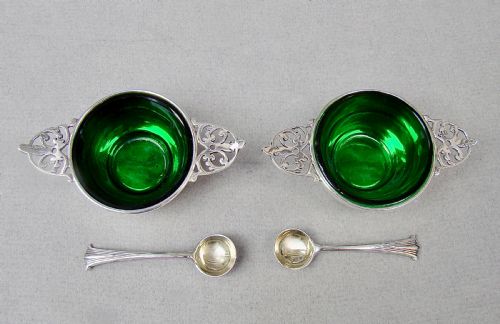
Many sets survive with their original matching salt spoons, particularly when they remain in fitted presentation cases from the Victorian or Edwardian periods.
However, collectors frequently assemble compatible spoons or display the salt cellars independently.