


Antique Room Divider
These pieces, known collectively as an antique room divider, shape interior spaces and create private areas using folding panels of wood, leather, fabric, or lacquer.
Antique Room Divider
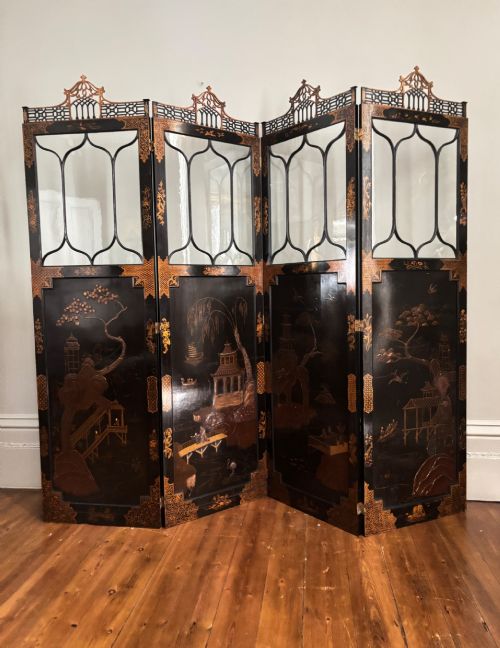
An antique room divider functions as a movable partition, historically employed to drafty corners, create dressing enclosures, or segment large chambers.
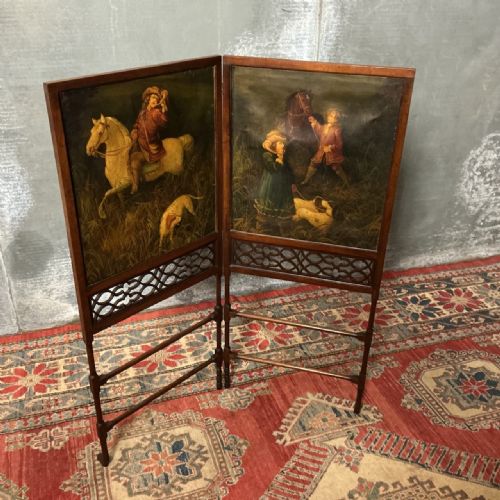
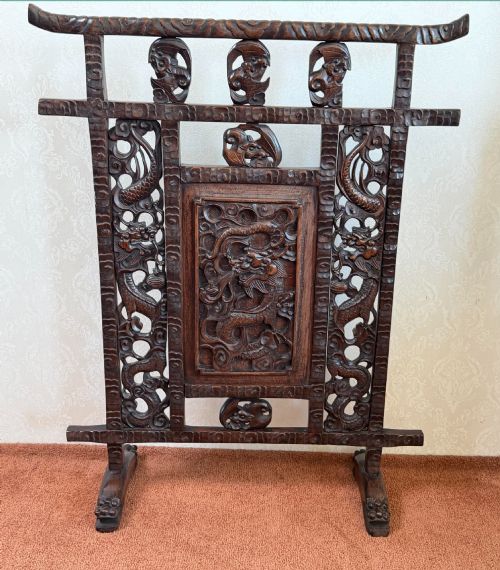
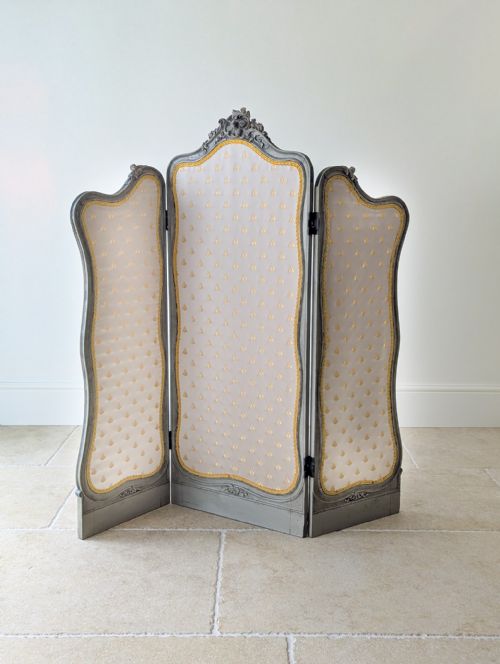
The selections span diverse forms such as folding screens, fire screens, and table screens, originating from various periods including the eighteenth, nineteenth, and early twentieth centuries.
Makers utilised woods like mahogany, walnut, oak, and hardwood, alongside brass, glass, leather, and textiles to construct these multi-panel configurations.
Materials and construction techniques
Carpenters joined multiple timber frames with hinges to create folding screens, incorporating woods such as mahogany, oak, walnut, and exotic hardwoods.
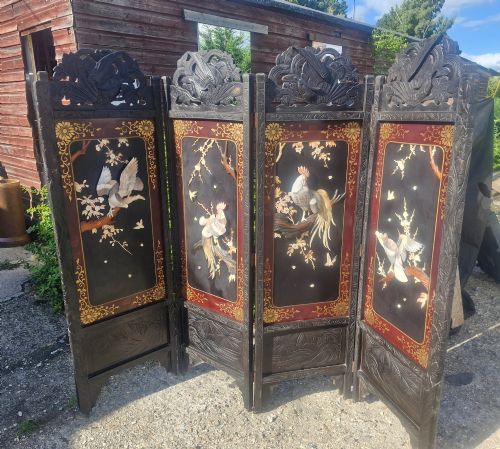
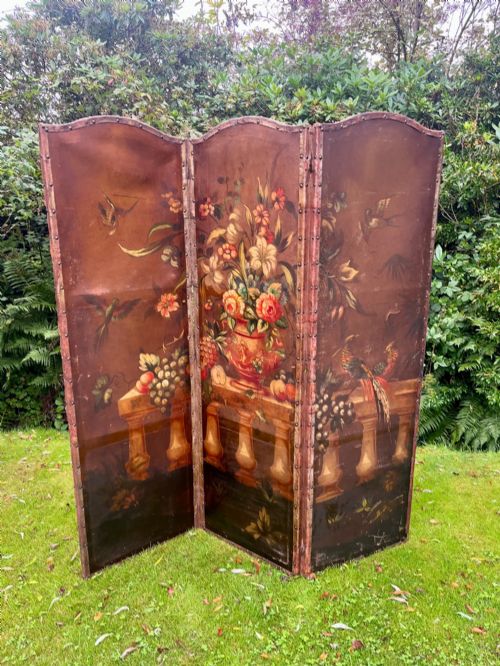
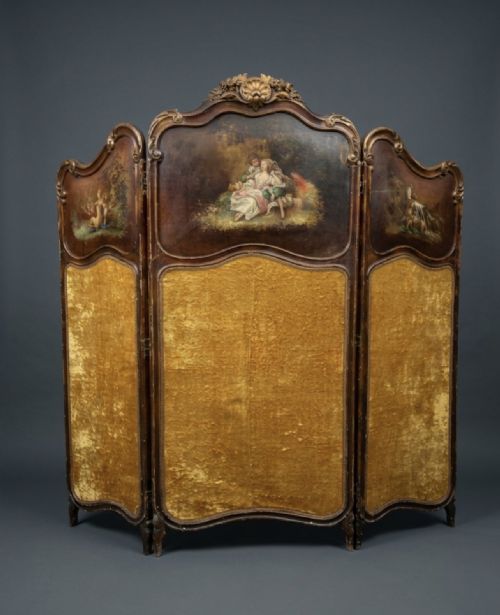
Surface ornamentation involved elaborate hand painting, oil paint, lacquering, giltwood application, and deep carving into bone or wood.
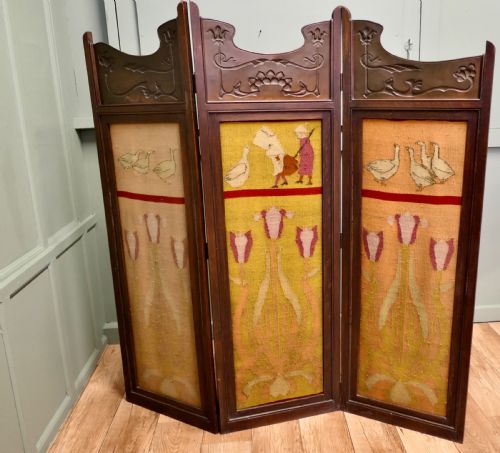
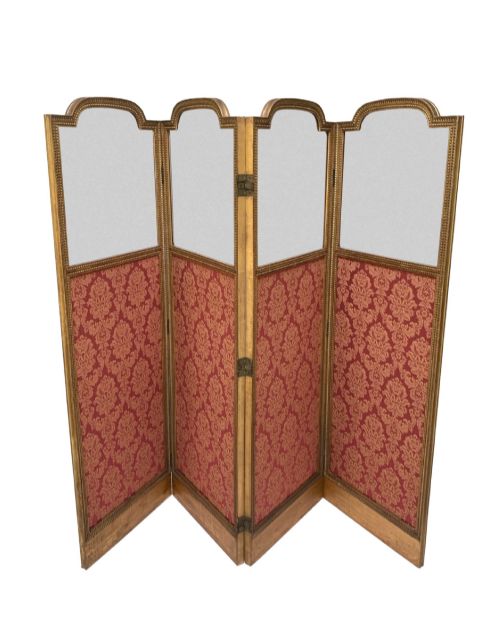
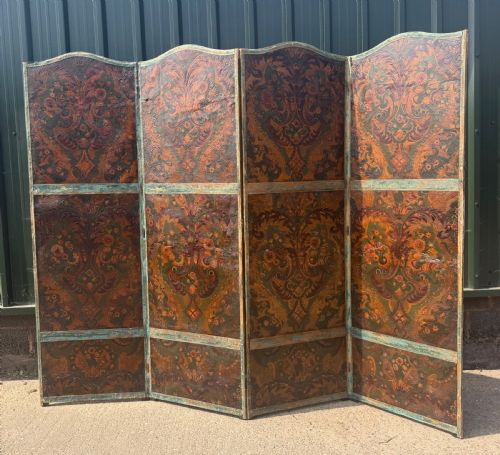
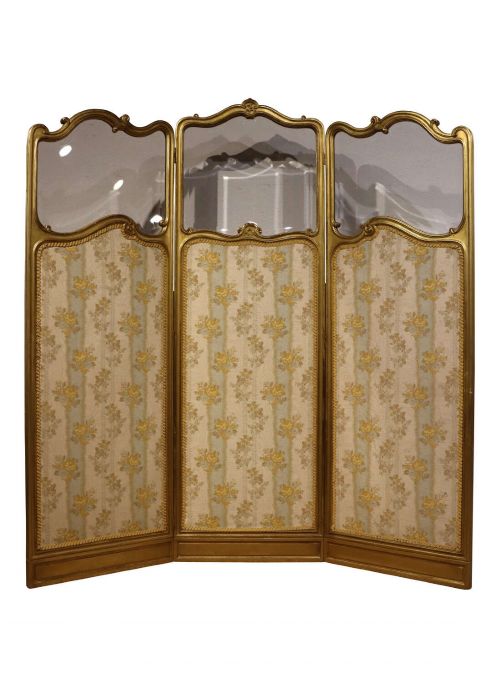
Panels often featured textiles, needlepoint, silk, velvet, or embossed leather, sometimes secured with brass elements or glass panes.
Antique Room Divider Retail Price Guide 2026
Typical asking prices for room divider among the pieces listed under this phrase on Sellingantiques today, from the lower quarter to the upper quarter. They describe what is for sale here now, not the wider market.
Listings feature items from the eighteenth, nineteenth, and early twentieth centuries, constructed from brass, wood, lacquer, leather, and glass.
What separates the finest examples
Superior quality manifests in the depth and precision of hand carving, particularly evident in bone figures, coromandel lacquer, and wooden frames.
The intricacy of the surface decoration, whether hand-painted pastoral scenes, gilt embossing, or detailed needlepoint panels, dictates the tier of craftsmanship.
Durability of the hinge mechanism and the condition of delicate materials like leather, silk, and paper scrap work indicate the care taken during manufacture.
The Antique Room Divider Glossary
- Coromandel
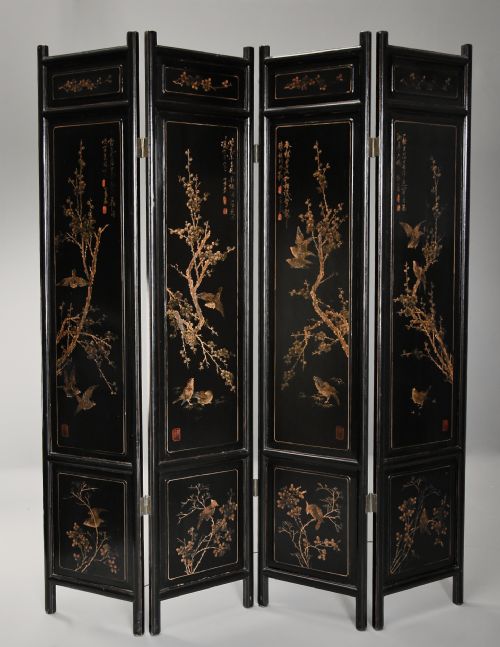
- A type of Chinese carved lacquer work where incisions on a dark ground are filled with colours. This technique appears on multiple fold screens from the eighteenth and nineteenth centuries.
- Chinoiserie
- European decorative style reflecting Chinese artistic influences. It frequently appears on lacquer and painted panels of the Victorian period.
- Verdure
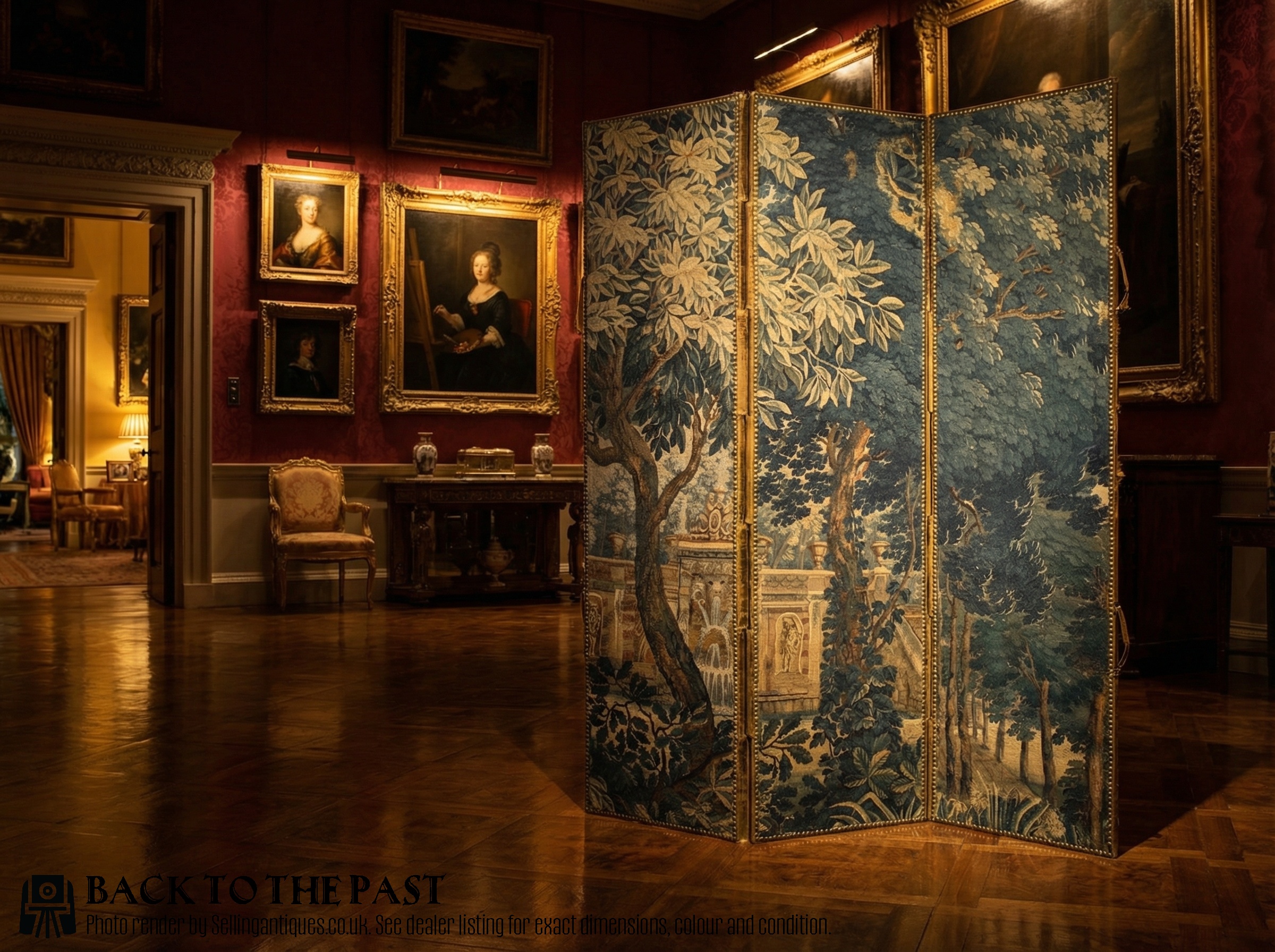
- Tapestry or painting depicting a luxuriant landscape of foliage, trees, and sometimes animals. Flemish examples are documented in eighteenth-century holdings.
- Scrap screen
- A folding panel decorated with applied paper cut-outs, photographs, or prints, popular during the nineteenth century as amateur or studio craft.
- Mashrabiya
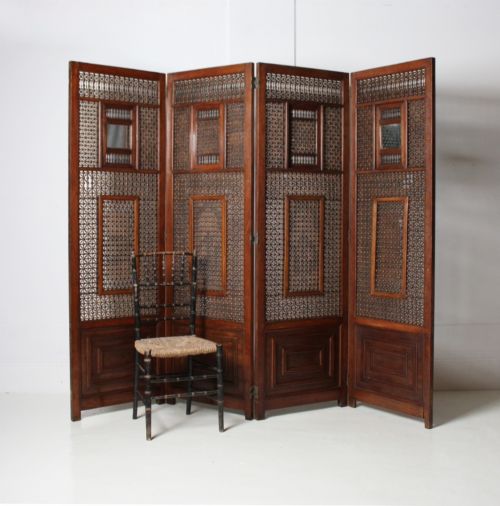
- An architectural wooden screen characterised by jali or pierced lattice work. These items function as large panel room dividers originating from eastern traditions.
Antique Room Divider: Frequently Asked Questions
What is an antique room divider?
An antique room divider is a hinged folding screen designed to partition indoor spaces, create privacy, or block draughts.
They utilise multiple connected panels made from materials such as wood, leather, fabric, or lacquer.
How were folding screens used historically?
Historically, people placed these screens around beds or dressing areas to provide privacy in large rooms.
They also served to shield occupants from fireplace heat or cold draughts near doors and windows.
How do I care for antique leather panels?
Leather panels require stable humidity levels and protection from direct sunlight to prevent cracking and fading.
Dust them gently with a dry, soft cloth and avoid applying modern chemical cleaners or oils.
How can I tell different screen styles apart?
Styles differ through their decorative motifs and regional origins, ranging from French giltwood rococo revival to Chinese black lacquer.
Examining the materials, joinery, and painting techniques helps distinguish nineteenth-century European work from earlier Asian export pieces.