






Three Panel Screen
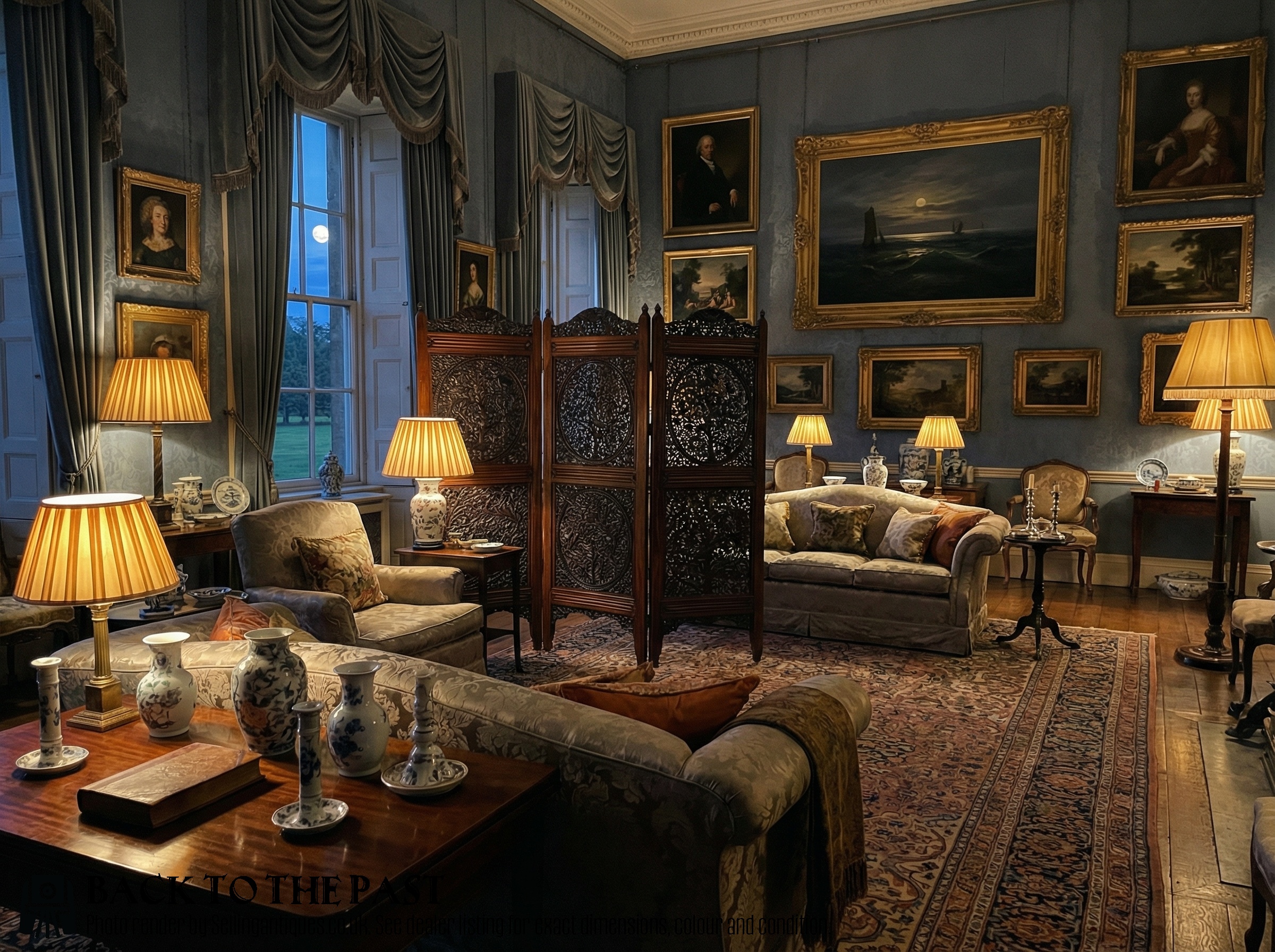
A three panel screen divides a room or shields a hearth, bringing flexible architecture and decorative warmth into a interior.
Three Panel Screen
A three panel screen serves as a practical divider for rooms or a decorative guard for fireplaces, appearing across the Victorian, Edwardian and later periods. The folding design allows the piece to angle across a space, separating areas or tempering the heat of a fire.
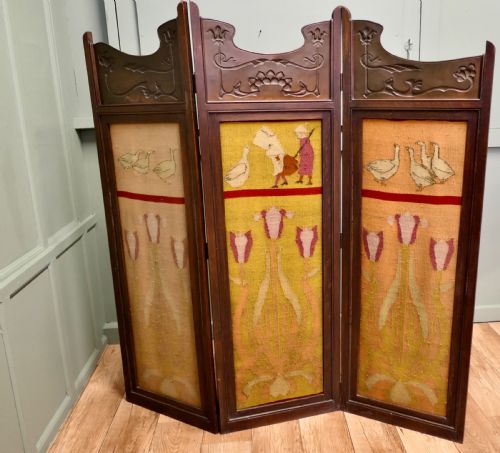
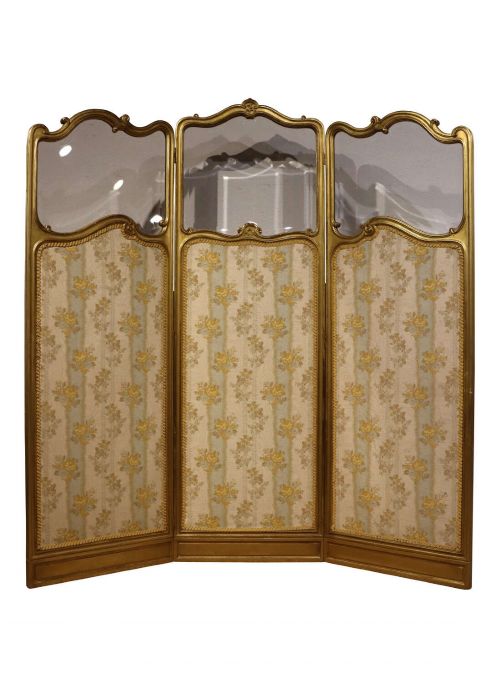
Most examples meet on this page as folding screens, room dividers or fire screens constructed with three hinged sections. Originating from diverse workshops, these pieces utilise timber frames, glass panels or fabric inserts to shape domestic interiors.

How They Were Made
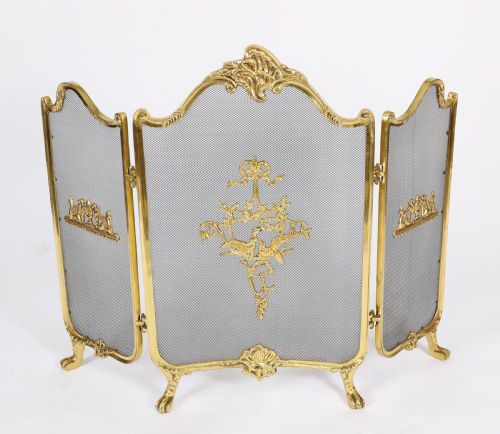
Carpenters constructed the structural frames using hardwoods such as mahogany, oak, walnut and giltwood, often adding brass hinges to permit multi-directional folding. Some domestic and hearth variants incorporated wire mesh, copper and iron alongside the timber to withstand domestic use.
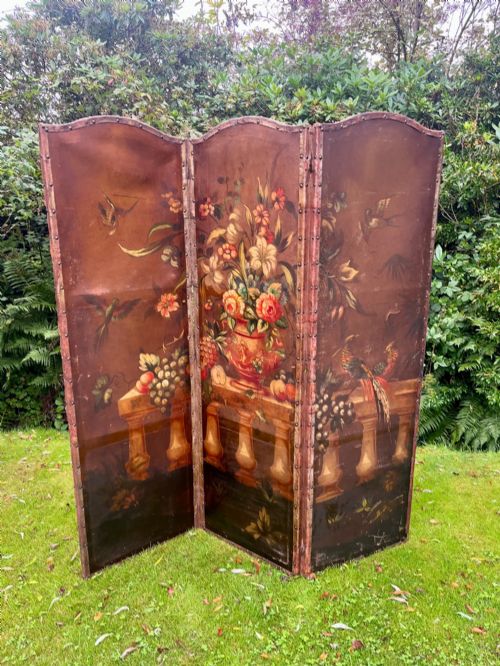
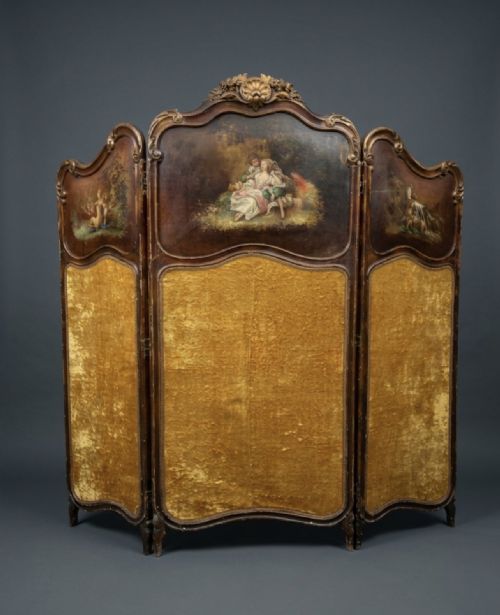
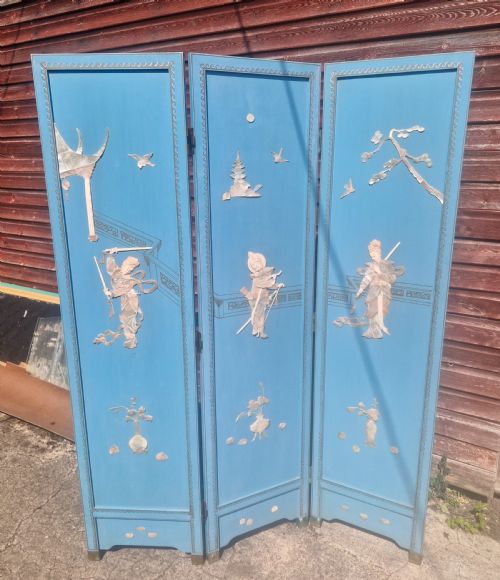
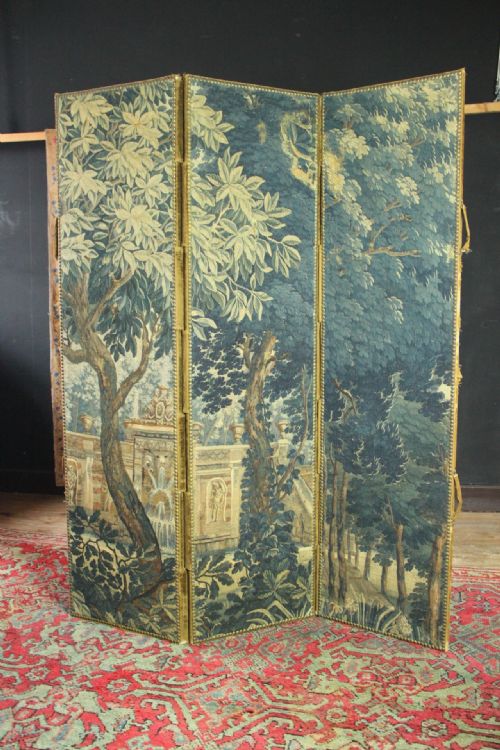
Decorative infills required specialised craftsmanship, ranging from hand-painted leather and silk panels to woven wool, tapestry and bevelled glass. Makers also applied decoupage, bone inlay and carved detailing directly to the wood to enrich the surface texture.
Periods represented span the 18th century, 19th century, Victorian, Edwardian, 1860, 1880, 1890, 1900, 1910, 1920 and 1930.
What Varies in Quality
The standard of a three panel screen rests upon the integrity of the timber framing and the execution of its decorative panels. Finely carved mouldings, robust joinery and substantial brass hardware distinguish superior work from simpler domestic items.
Artistic execution within the panels creates further distinction, separating standard painted finishes from intricate needlework, hand-painted leather or detailed silk embroidery. The clarity of bevelled glass and the precision of inlaid elements indicate the original maker's investment of time and skill.
The Three Panel Screen Glossary
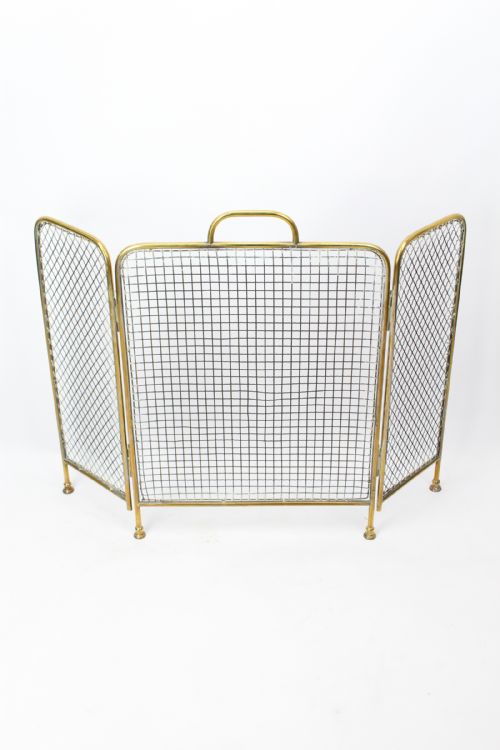
- Spark guard
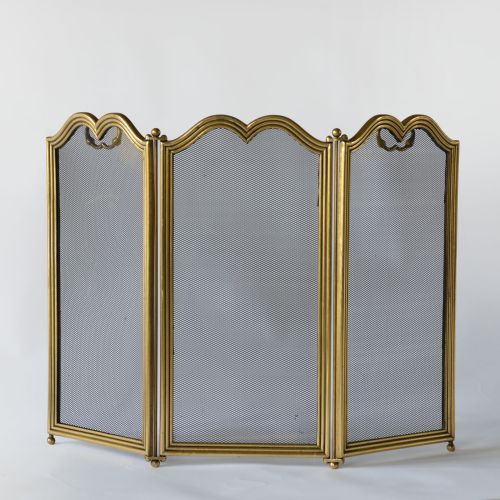
- A protective mesh or brass screen placed before a fireplace to catch embers. These utilitarian items often double as decorative folding screens.
- Verdure
- A style of tapestry weaving depicting lush foliage and woodland scenes. Such textiles frequently fill the panels of larger antique screens.
- Decoupage
- The art of decorating a surface by applying paper cutouts and varnishing them. Country house screens frequently display this layered technique.
- Tripartite
- Divided into three distinct parts or sections. This term describes the standard three-fold layout of these screens.
- Giltwood
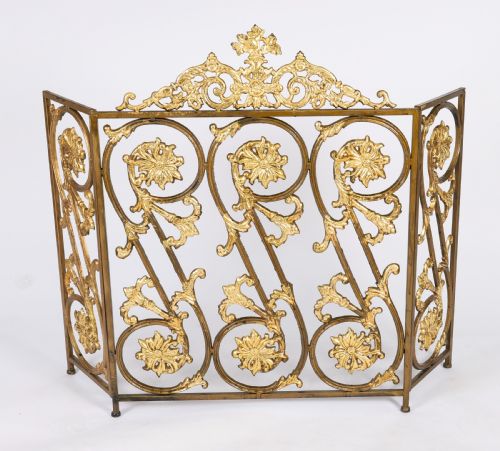
- Timber treated with gold leaf or gilt gesso. This finish appears frequently on French revival and decorative parlour screens.
Three Panel Screen: Frequently Asked Questions
How do I use a three panel screen?
These screens adapt to various domestic needs, serving as privacy partitions in dressing rooms or decorative room dividers in open spaces. Smaller versions function as fire guards to deflect heat and sparks from a hearth.
Position the hinged panels at angles to ensure stability when freestanding. The folding mechanism allows the screen to be adjusted or stored flat against a wall when not in use.
Were these screens used near fires?
Many examples on this page are specifically designated as fire screens or spark guards, constructed with brass frames and wire mesh to protect rooms from open flames. Other taller versions served as modesty or dressing screens.
Heavier wood and leather panels suited draughty rooms and bedchambers, while metal mesh variants remained strictly near the fireplace.
How do I date an antique screen?
Dating relies on observing the prevailing style, timber choices and construction methods visible in the frame and panels. Pieces exhibiting heavy carving or giltwood often align with Victorian and revival periods, whereas lighter inlaid mahogany frequently points to Edwardian manufacture.
Examining the hinges, backing materials and fabric inserts helps narrow the period of creation. Makers often incorporated contemporary textiles like Arts and Crafts velvet or painted leather characteristic of specific decades.
What materials are typical for panels?
Panel materials vary widely depending on the intended function of the screen, incorporating hand-painted leather, silk, wool tapestry and decoupage. Structural frames typically hold these inserts securely within folding wooden or brass surrounds.
Glass and bevelled mirrors also appear in interior screens, while hearth accessories rely heavily on brass wire mesh and copper sheeting to manage heat.