





Decorative Folding Screen
A decorative folding screen divides a room or shields a hearth while bringing painted leather, carved bone and lacquer into the interior.
Decorative Folding Screen
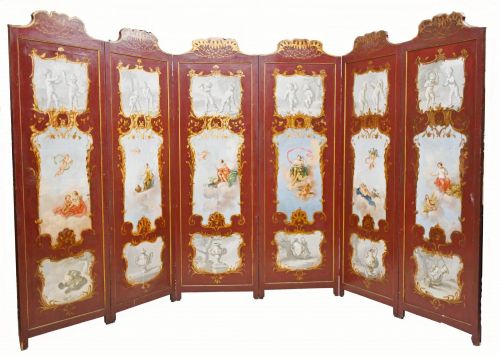
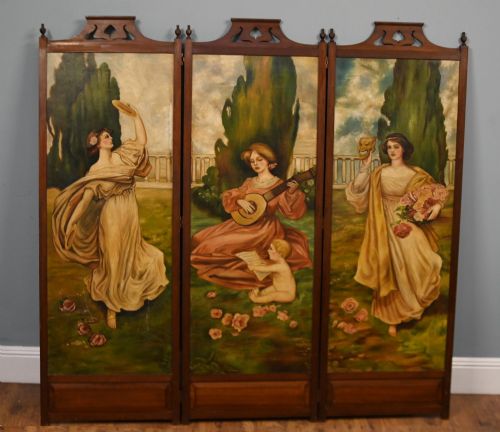
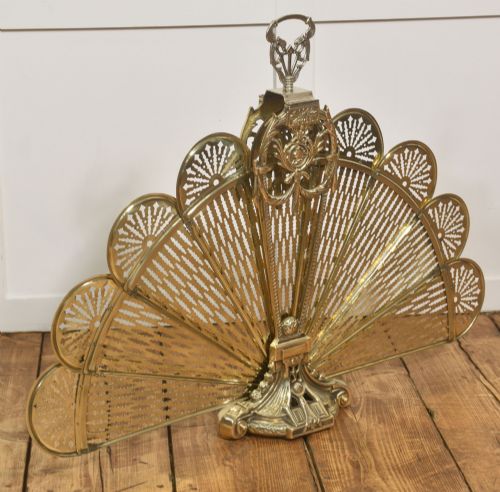
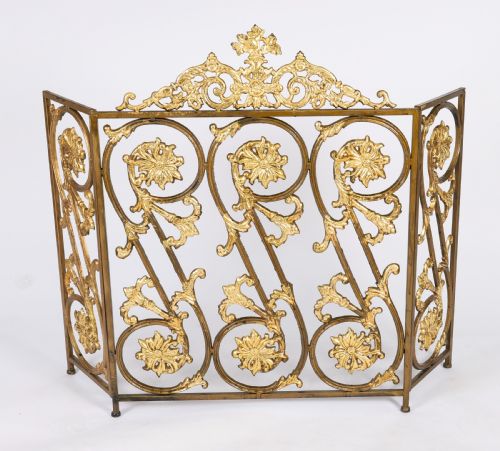
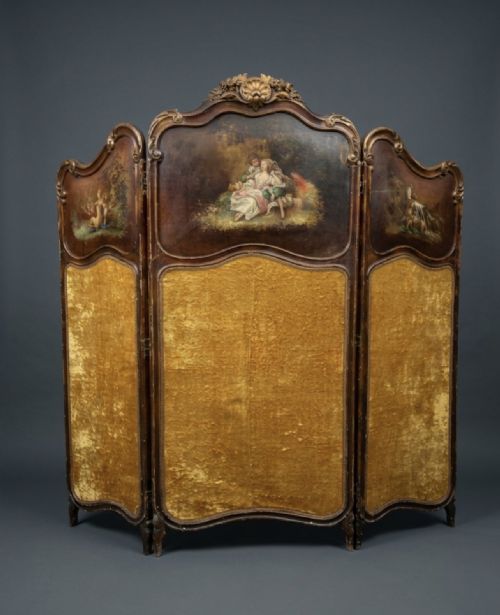
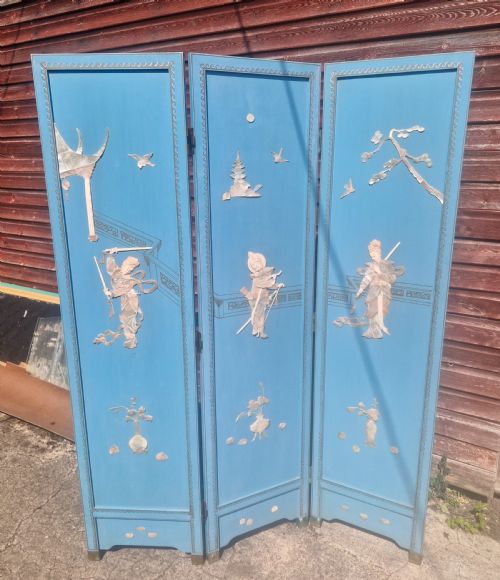
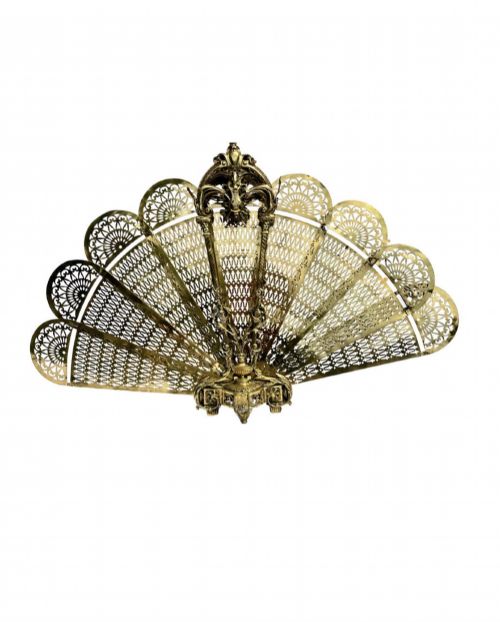
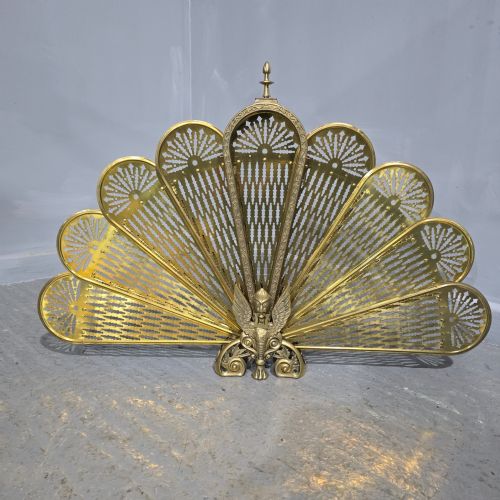
A decorative folding screen serves multiple domestic purposes, appearing as a tall room divider, a low modesty screen or a compact brass fire screen placed before a fireplace. You will most frequently encounter nineteenth-century multi-panel examples featuring painted leather, canvas or wood.
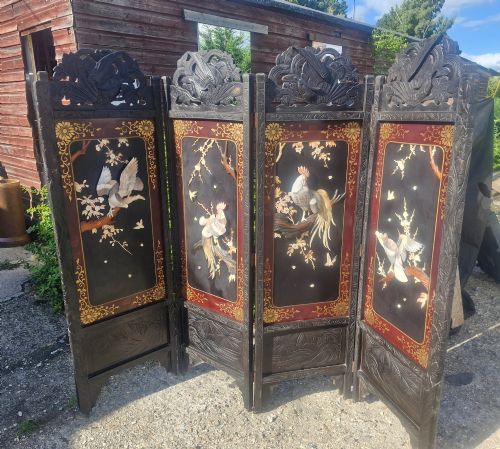
The forms range from diminutive table screens to massive six-panel lacquered room dividers, incorporating French Rococo Revival, Chinoiserie and Arts and Crafts styles. Makers utilise wood, brass, iron and hardwood frames to support textile, leather or panelled inserts.
Domestic spaces benefit from these pieces because they manipulate light, create intimate zones within large rooms and conceal hearth openings during warmer months. The selection spans utilitarian fire guards to elaborate artistic statements by makers such as Paul Sormani and William Morris.
How they were made
Carpenters constructed folding frames from walnut, oak and other hardwoods, joining multiple panels with hinges to allow flexible movement. Lacquer, oil paint and gilt embossing were applied to leather, canvas and wood surfaces to build up pictorial scenes.
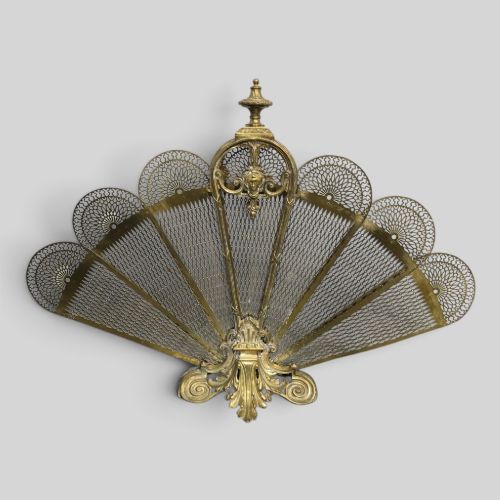
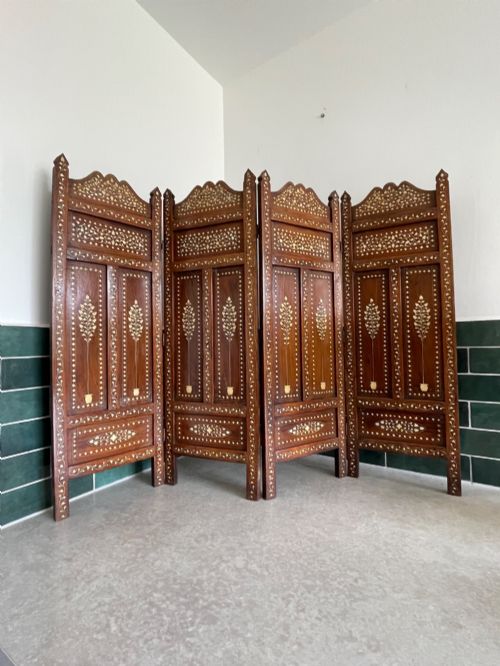
Inlay techniques combined hardstone, bone and metalwork directly into the wooden or lacquered panels. Brass and iron fire screens utilised cast, pierced and folding fan designs to create stable protective barriers.
Decorative Folding Screen Retail Price Guide 2026
Typical asking prices for decorative folding screen among the pieces listed under this phrase on Sellingantiques today, from the lower quarter to the upper quarter. They describe what is for sale here now, not the wider market.
Some nineteenth-century pieces repurposed painted theatre scenery boards into domestic room dividers.
What varies in quality
The distinction between ordinary and exceptional pieces lies in the depth of carving and the execution of the painted or inlaid surface. Hand-painted leather with gilt embossing and deep carved bone figures represent superior artistic labour compared to standard printed or lightly brushed panels.
Structural integrity relies on the quality of the timber frame and the original hinges connecting the folds. Well-executed revival styles and signed pieces by established makers demonstrate greater fidelity to period design traditions.
Paul Sormani·William Morris
The Decorative Folding Screen Glossary
- Modesty screen
- A low freestanding panel historically used to shield a person from the direct heat of a fire or to provide privacy in a dressing room.
- Peacock fan fire screen
- A hearth accessory constructed from folding brass blades that open outwards like a tail fan to cover the fireplace opening.
- Cordoban leather
- Heavy leather originating from Spain, decorated with hand-painted designs and gilt embossing before being mounted onto screen frames.
- Chinoiserie
- A European decorative style reflecting Chinese artistic motifs, frequently seen on lacquered room dividers and painted panels.
- Aubusson screen
- A wooden frame mounted with traditional French tapestry woven in the village of Aubusson.
Decorative Folding Screen: Frequently Asked Questions
How do I use a folding screen in a small room?
Position a three or four-fold screen across a corner to soften an expanse of wall, or place a low table screen on a desk or sideboard to introduce colour and pattern without consuming floor space.
Lighter panels in canvas or silk cotton help maintain an airy feel, whereas heavy lacquered or leather screens create a deliberate, enclosed backdrop.
What is the difference between a room divider and a fire screen?
Room dividers stand tall with multiple hinged panels designed to partition space, create privacy or display large painted scenes.
Fire screens are much smaller, often single-panel or folding brass fan designs intended exclusively to sit in front of a domestic fireplace.
How do I care for antique leather and lacquered screens?
Keep painted leather and lacquered surfaces away from direct sunlight and excessive heat sources such as active radiators, which can cause cracking and warping.
Dust gently with a dry, soft cloth and avoid chemical cleaning agents that might lift delicate gilt embossing or paint layers.
Are these screens stable enough for daily use?
Most multi-panel wooden and metal screens remain sturdy when positioned with the folds angled slightly to support their own weight.
Heavy examples require careful handling when moving between rooms to prevent strain on the original hinges and joints.