




Carved Wooden Screen
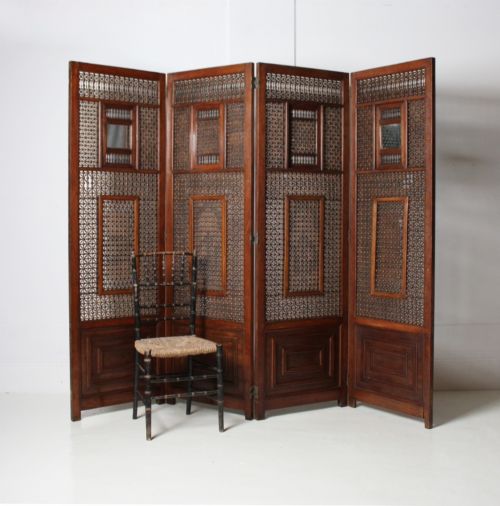
A carved wooden screen divides a room or shields a hearth, bringing depth, texture and historic craftsmanship directly into an interior.
Carved Wooden Screen
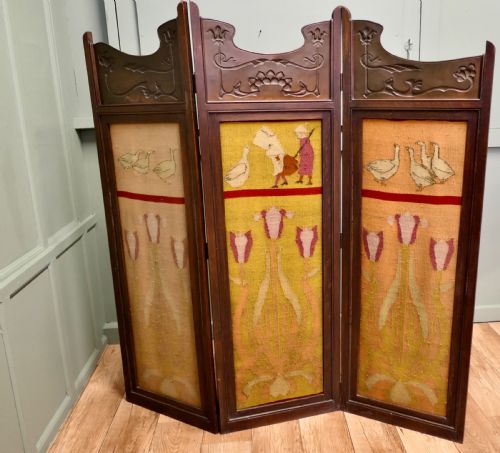
When you search for a carved wooden screen, you encounter folding panels, room dividers and fire screens spanning the nineteenth century, the Edwardian era and the early twentieth century. These pieces originate from diverse traditions, including Anglo-Indian workshops, French revival salons and Chinese imperial design, serving both decorative and practical functions in domestic spaces.
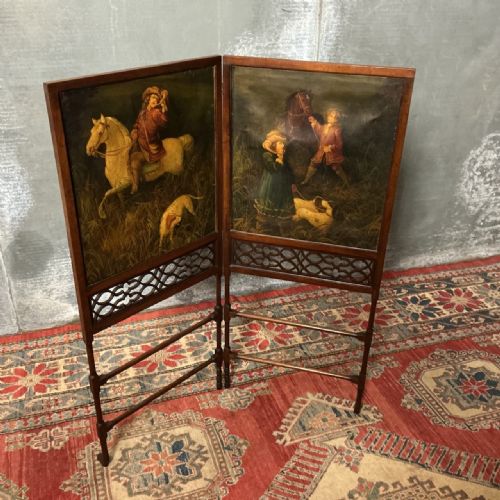
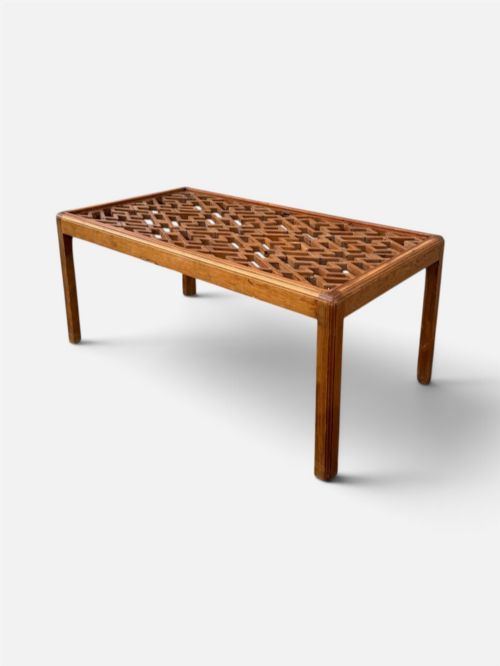
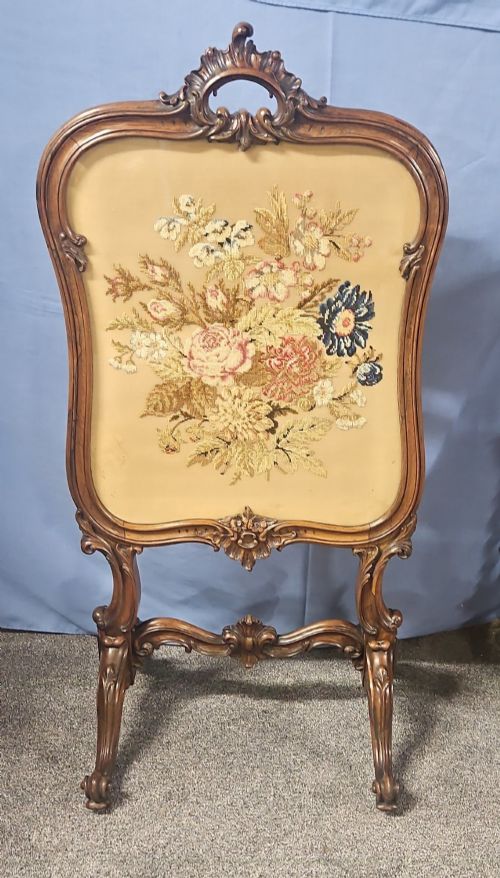
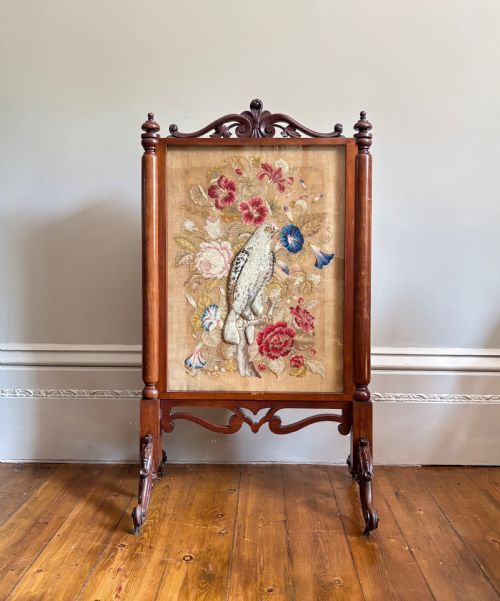
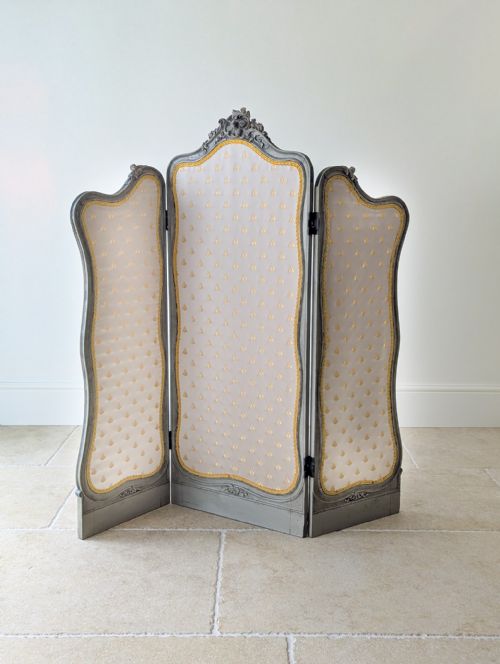
The most frequent examples on this page are folding screens and hearth screens produced during the Victorian and Edwardian periods, often constructed from walnut, mahogany or various hardwoods. Alongside traditional room dividers, you will find table screens, modesty screens and converted panels integrated into coffee tables.
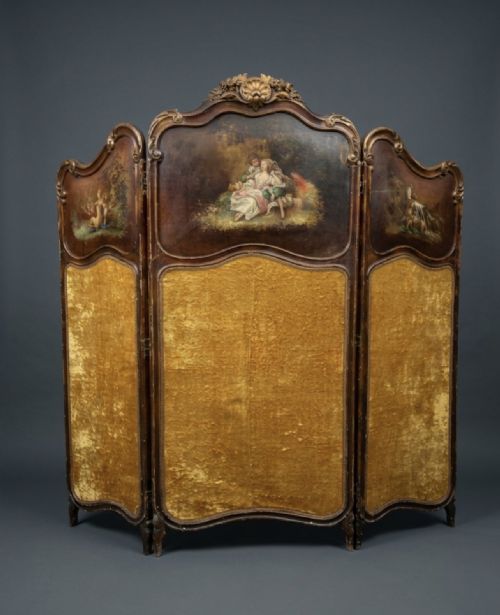
Many of these objects incorporate secondary materials alongside their timber frames, such as wool needlework, painted canvas, oil paintings, glass and lacquered finishes. Whether standing tall with multiple folds or functioning as a low fireside guard, each piece demonstrates distinct regional woodworking techniques and period aesthetics.
How they were made
Maker's workshops utilised solid timbers such as walnut, oak, padauk and mahogany to construct the structural framework and folding hinges of each screen. Carving was executed by hand, yielding deep relief work, fretwork panels and intricate architectural motifs like those found on mashrabiya dividers.
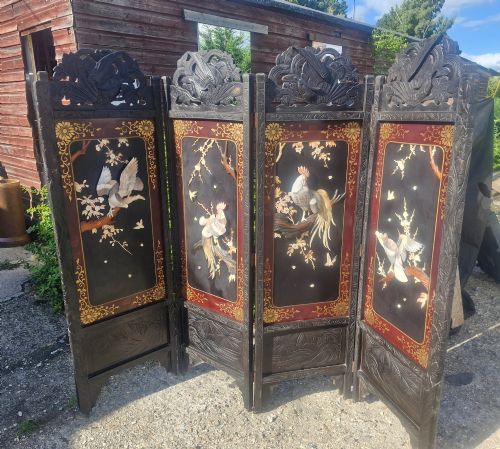
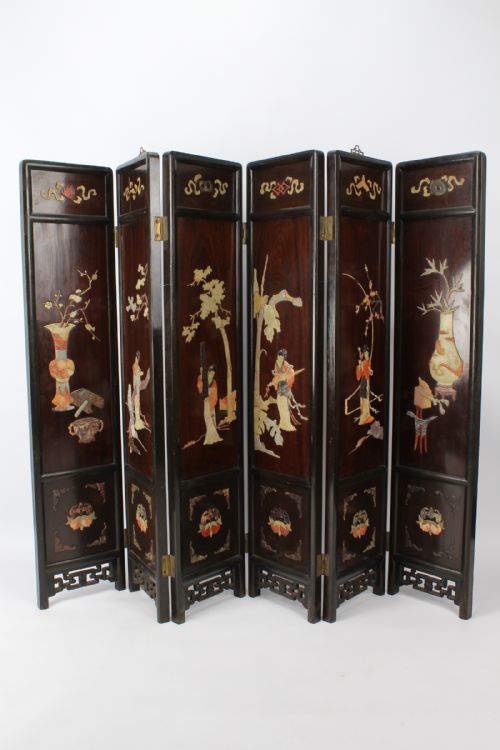
Surface decoration frequently involved layered lacquer, coromandel techniques, giltwood accents and applied bone or abalone inlay depicting birds, foliage and mythical dragons. Textile elements were integrated via hand-woven tapestry, Berlin work, wool panels and needlepoint set directly into the wooden frames.
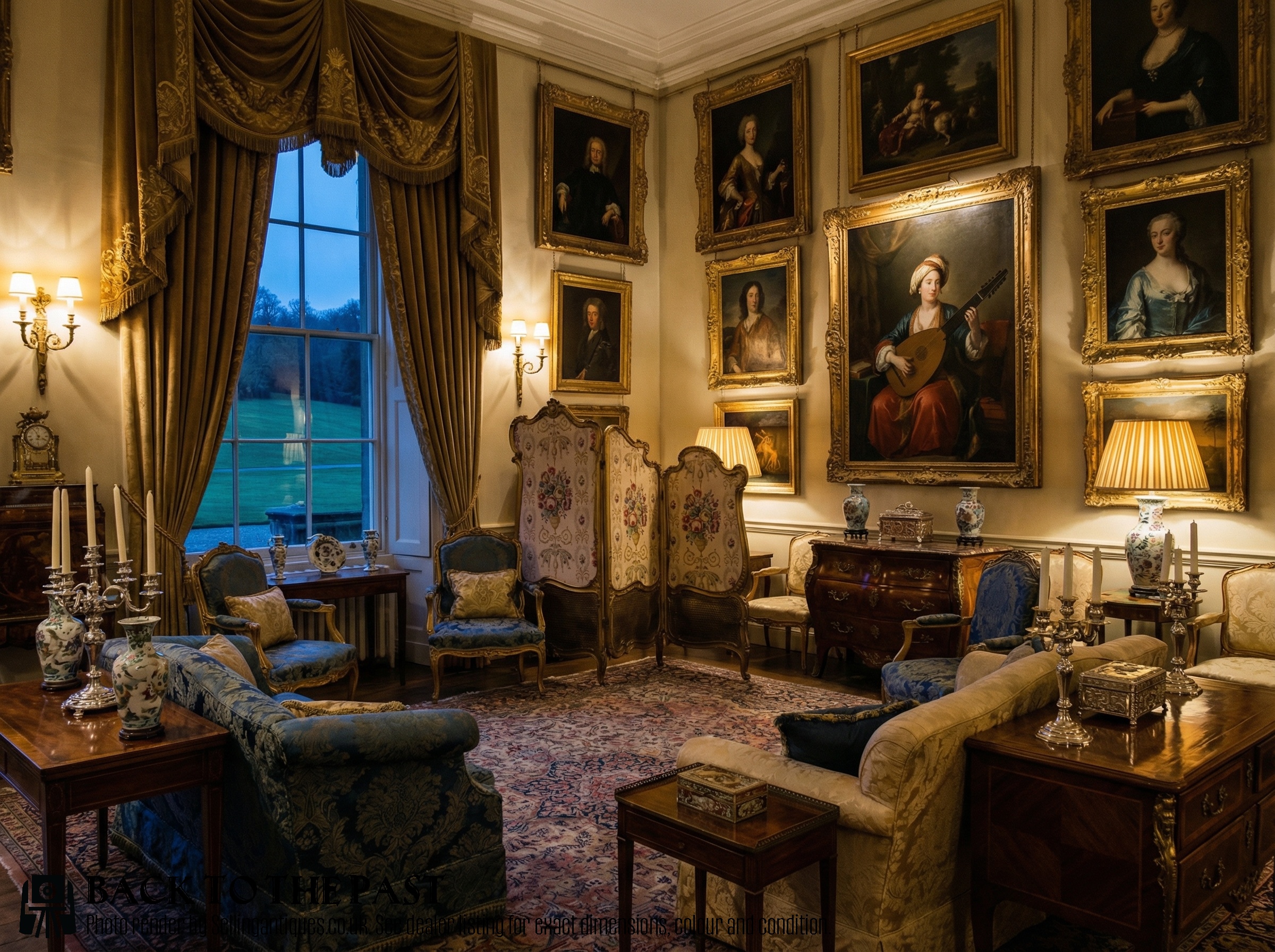
In European examples, painted canvas panels, oil paintings and etched glass with bronze fittings appear alongside carved woodwork. Japanese and Chinese pieces often combined traditional lacquer work with intricate wood carving to create multi-fold panels designed to catch the light.
Carved Wooden Screen Retail Price Guide 2026
Typical asking prices for carved wooden screen among the pieces listed under this phrase on Sellingantiques today, from the lower quarter to the upper quarter. They describe what is for sale here now, not the wider market.
Listings feature woods including walnut, oak, mahogany, padauk and general hardwoods alongside materials like brass, glass, wool and lacquer.
What varies in quality
Quality rests upon the depth, crispness and ambition of the hand carving, distinguishing standard production work from exceptional craftsmanship. Pieces featuring deep undercutting, intricate fretwork or complex inlaid bone and abalone demonstrate a higher tier of artisan skill.
The integrity of the timber framing and the original condition of integrated textile panels, such as needlepoint, tapestry or hand-painted canvas, heavily influence the standing of a piece. Finer examples maintain original lacquer finishes, intact brass or bronze hinges and harmonious proportions across multiple folds.
The Carved Wooden Screen Glossary
- Fire screen
- A small standing screen placed before a fireplace to block radiant heat when the hearth is unlit. These often feature adjustable doors, glass panels or needlework inserts.
- Coromandel lacquer
- A Chinese folding screen technique where layers of dark lacquer are carved away to reveal coloured grounds, which are then painted and polished. This method produces rich, textured surfaces full of narrative detail.
- Mashrabiya
- An architectural wooden screen characterised by intricate turned or carved lattice work. Originating in traditional Middle Eastern design, these panels filter light and air while dividing interior spaces.
- Berlin work
- A type of nineteenth-century canvas embroidery stitched in wool using charted grid patterns. It frequently appears as the central decorative panel within Victorian wooden fire screens.
- Needlepoint
- Hand-stitched embroidery executed on an open-weave canvas foundation. It provides the detailed pictorial scenes found on many nineteenth-century tapestries and room dividers.
Carved Wooden Screen: Frequently Asked Questions
How do I use a folding screen at home?
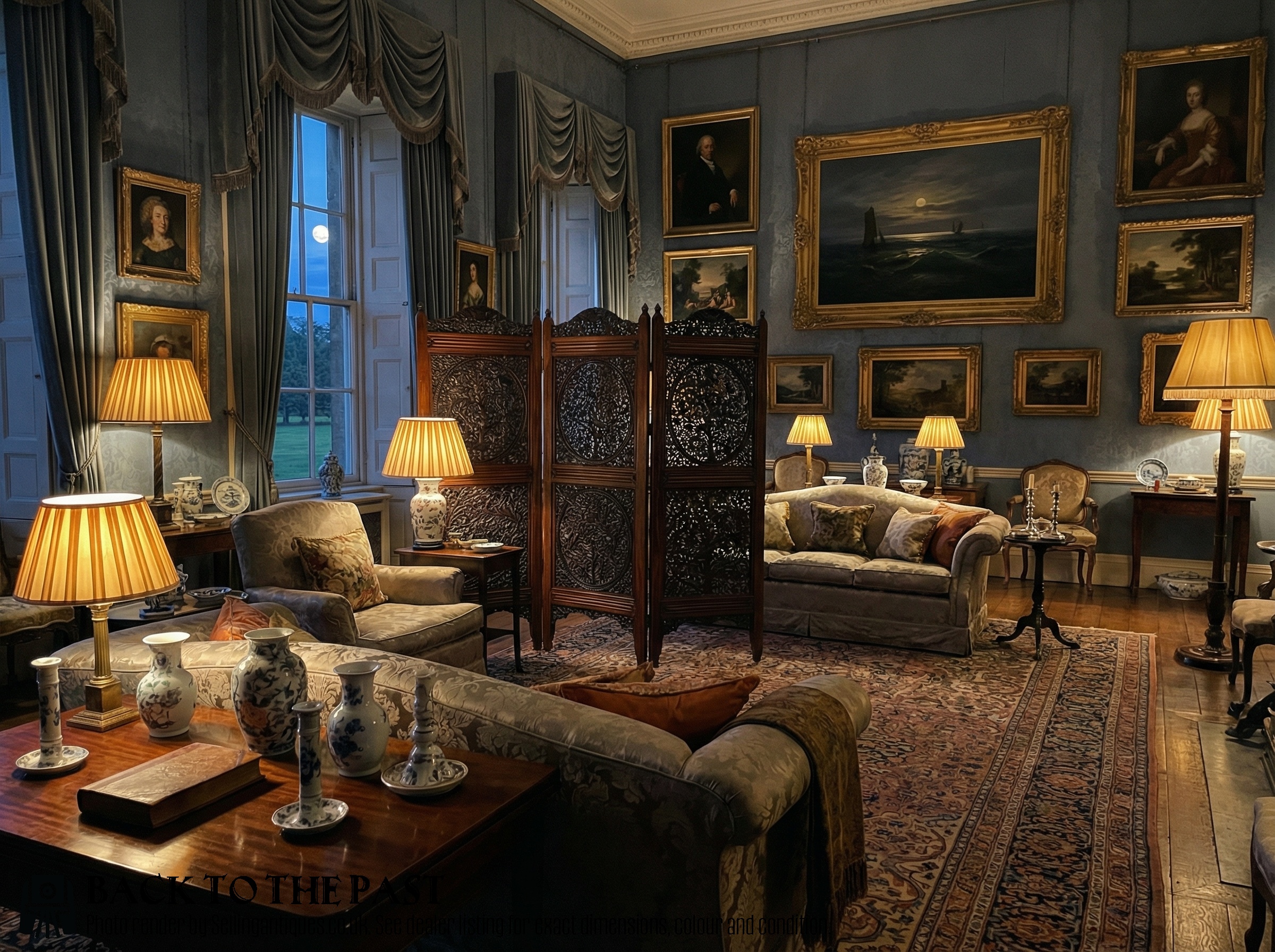
Folding screens create intimate zones within larger open-plan rooms, hide utilitarian corners or serve as decorative backdrops against plain walls. Their hinged panels adjust easily to fit various spatial layouts.
Smaller fire screens sit flush against hearths to add texture and colour to a room when the fireplace is not in use, anchoring the seating arrangement.
What is the difference between a room divider and a fire screen?
Room dividers consist of multiple tall folding panels designed to partition floor space and obstruct lines of sight across a room. They rely on sturdy hinges and substantial timber frames.
Fire screens are much smaller single-panel or low-standing fixtures built specifically to shield occupants from hearth heat. They often incorporate feet or supportive bases rather than folding wings.
How do I identify the period of a carved screen?
Period identification relies on observing the prevailing artistic style, such as Art Nouveau curves, French Rococo revival scrolls or Victorian Gothic revival motifs. Timber choices and hardware styles, like brass or bronze hinges, also offer chronological clues.
Needlework panels, painted canvas techniques and lacquer methods align closely with the manufacturing standards of specific decades, from the mid-nineteenth century onward.
Are these screens fragile?
Most antique screens feature solid wooden frames and durable hinges built for daily domestic handling, though multi-fold mechanisms require gentle treatment. Fabric panels like tapestries need protection from direct, prolonged sunlight to prevent fading.
Lacquered surfaces and inlaid bone elements benefit from stable indoor humidity levels and regular dusting with a soft, dry cloth.