






Qing Dynasty Screen
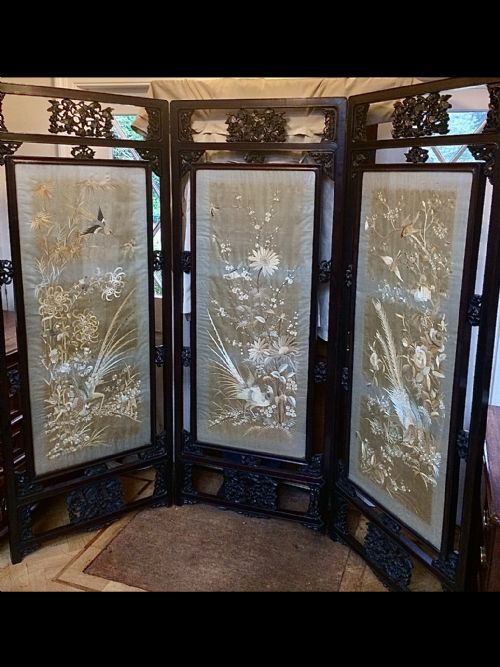
These pieces of qing dynasty screen furniture bring carved hardwood, lacquer, and silk panels into domestic spaces, prized for intricate detail.
Qing Dynasty Screen
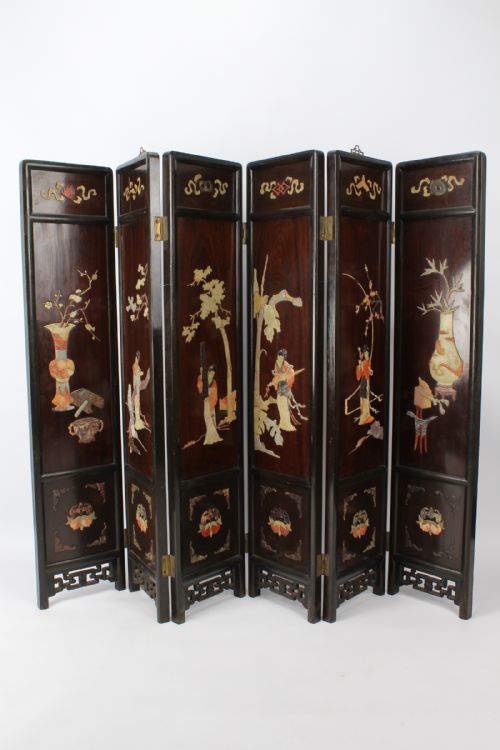
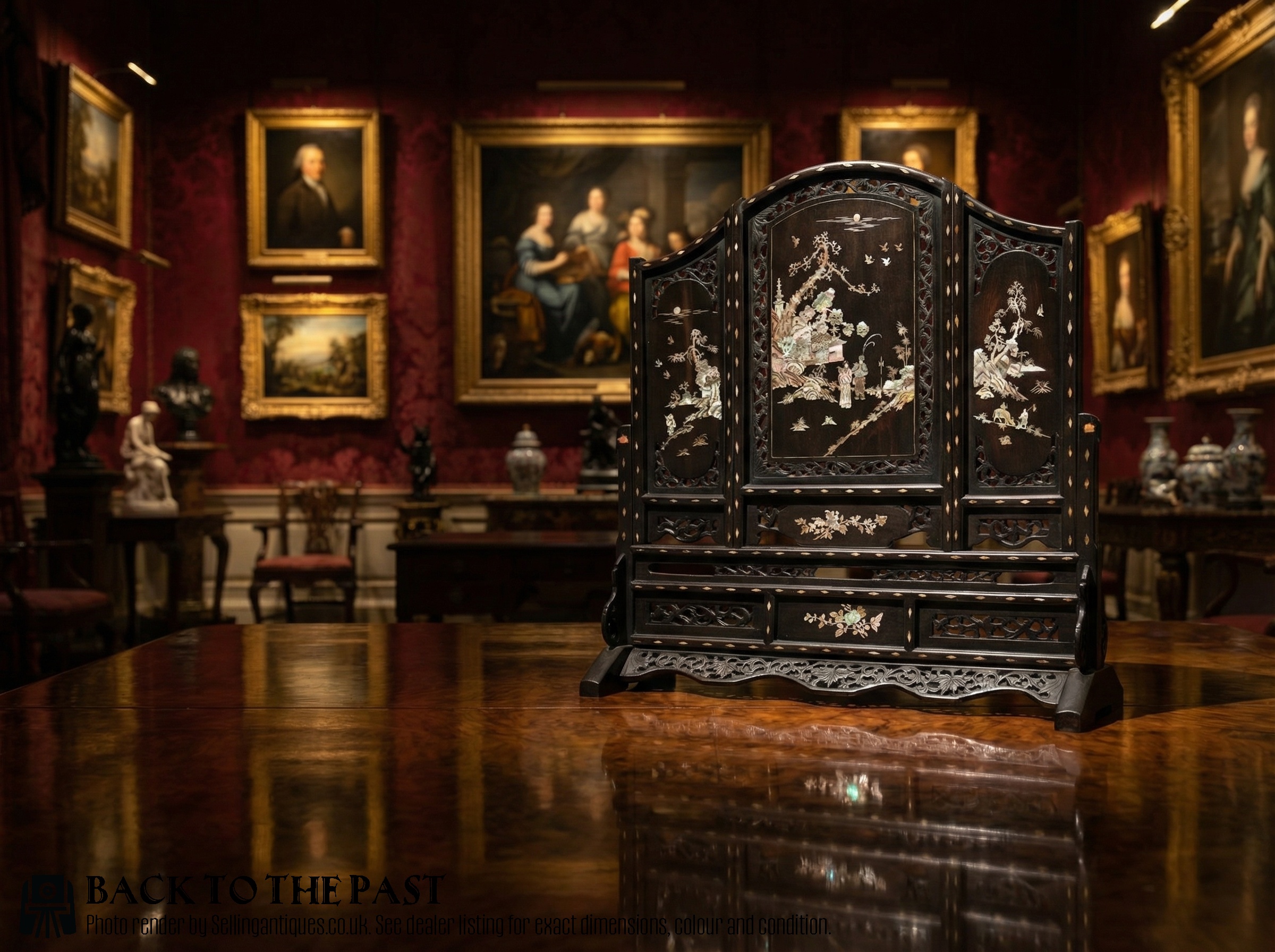
When you search for a qing dynasty screen, you encounter folding screens, table screens, and wall panels originating from the eighteenth and nineteenth centuries. These objects range from massive eight-fold lacquered barriers down to small table screens supported by carved wooden stands.
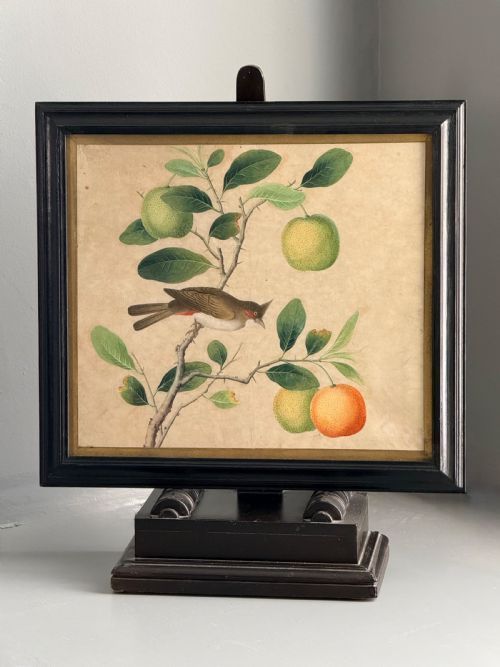
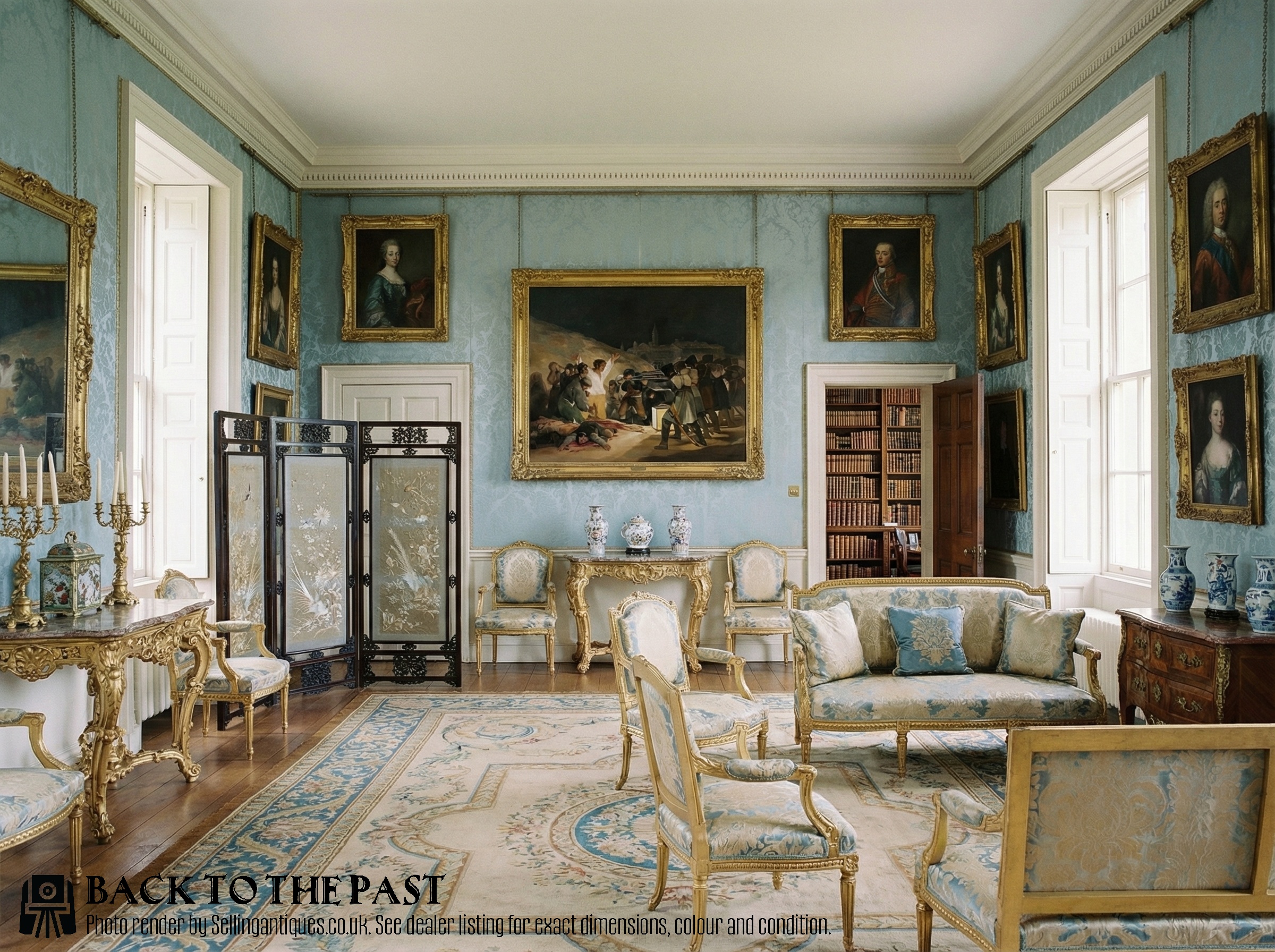
You meet examples in Chinese export and traditional Chinese styles, utilising materials like hardwood, silk, and pith paper. The folding screens and panels create architectural division or visual focus within a room.
Materials and construction
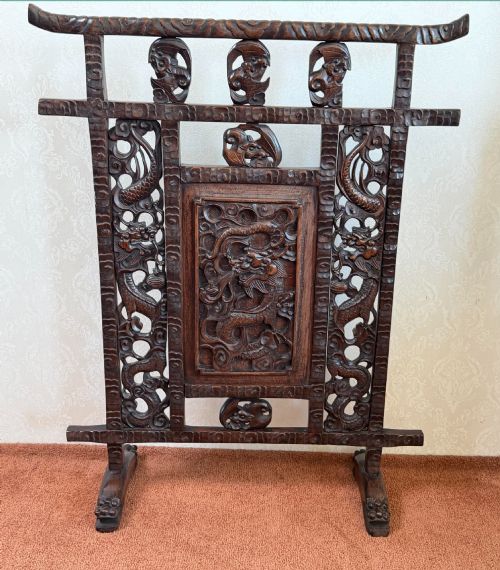
The makers relied on dense hardwoods and wooden panels carved in relief, alongside applied polychrome pigment and gold leaf. Lacquer work appears frequently, including Coromandel and Bantam techniques on folding panels.
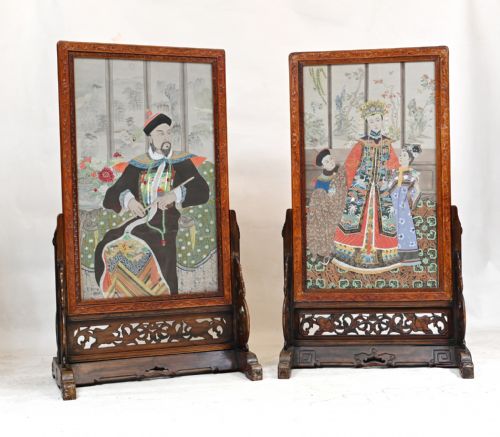
Textiles also form a central component, with woven or painted silk mounted within wooden frames. Pith paper supports detailed gouache paintings, while some examples incorporate glass elements.
Qing Dynasty Screen Retail Price Guide 2026
Typical asking prices for qing dynasty screen among the pieces listed under this phrase on Sellingantiques today, from the lower quarter to the upper quarter. They describe what is for sale here now, not the wider market.
The listings include hardwood, lacquer, silk, and glass across the eighteenth and nineteenth centuries.
Distinctions in quality
Depth and precision of the wood carving separate standard decorative panels from superior examples. The crispness of detail in the hand-carved stands and frames indicates the maker's skill.
The richness and preservation of the lacquer, gold leaf, and silk determine the visual impact of each piece. Intricately worked Coromandel surfaces and finely painted pith paper demonstrate higher execution.
The Qing Dynasty Screen Glossary
- Coromandel lacquer
- A Chinese incised lacquer technique where designs are cut into the lacquer ground, filled with colour, and polished.
- Table screen
- A small decorative panel mounted on a carved wooden stand, traditionally used on desks or tables.
- Pith paper
- A delicate material made from the pith of the Tetrapanax papyrifer plant, used for detailed gouache painting.
- Chinoiserie
- European artistic styles reflecting Chinese motifs and techniques, often seen alongside genuine export pieces.
- Folding screen
- A multi-panel room divider hinged together, frequently decorated with lacquer or carved wood.
Qing Dynasty Screen: Frequently Asked Questions
What is a qing dynasty screen?
A qing dynasty screen is a decorative or functional panel made during the Qing period, taking forms such as multi-fold room dividers, table screens, and wall panels.
They incorporate materials like hardwood, lacquer, and silk, often featuring hand-carved details or painted scenes.
How were table screens used?
Table screens were placed on scholars' desks or tables as ornamental objects rather than room dividers.
They provided a focal point of refined craftsmanship, often combining carved hardwood stands with silk or painted panels.
What is Coromandel lacquer?
Coromandel lacquer involves coating wood with layers of dark lacquer, incising the design, and filling the recesses with colours and gold leaf.
This technique creates textured, pictorial surfaces on large folding screens and decorative panels.
How do I date a screen?
Dating relies on stylistic markers, material analysis, and construction methods characteristic of the eighteenth and nineteenth centuries.
Evaluations consider the wear of the lacquer, the style of the wood carving, and documented historical periods.
Where should I place a screen?
Folding screens suit large walls or open spaces where their full width and multi-panel designs remain visible.
Smaller table screens fit on sideboards or mantelpieces to highlight detailed carving and silk work.