



Antique Chinese Screen
These antique chinese screen examples range from grand multifold room dividers to intricate table panels, offering both division of space and rich decorative depth.
Antique Chinese Screen
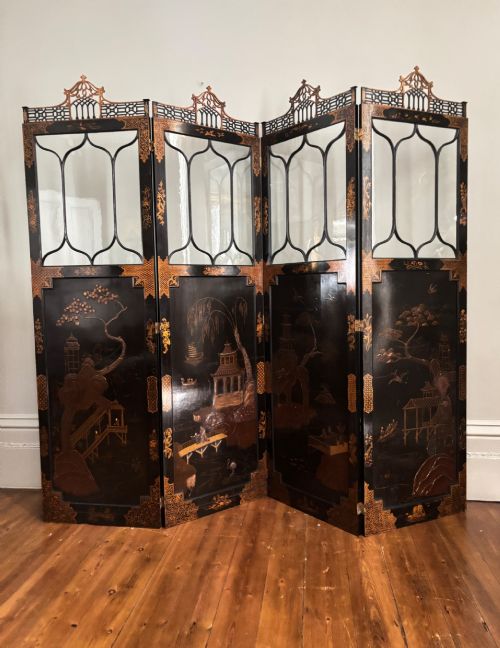
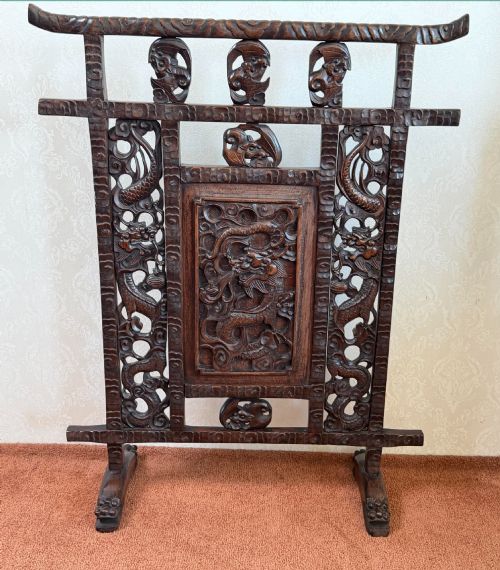
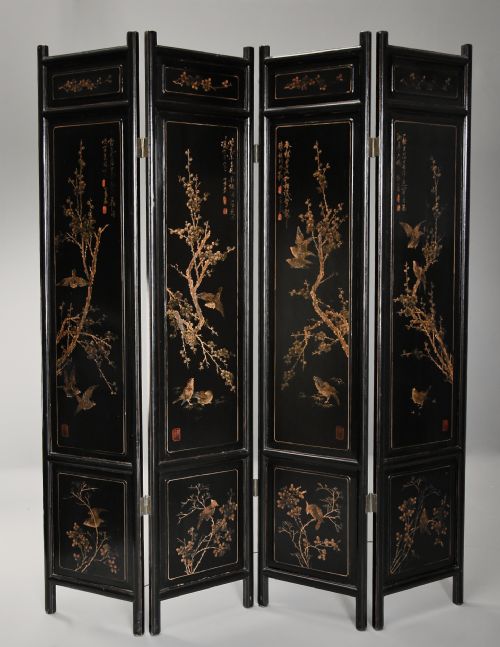
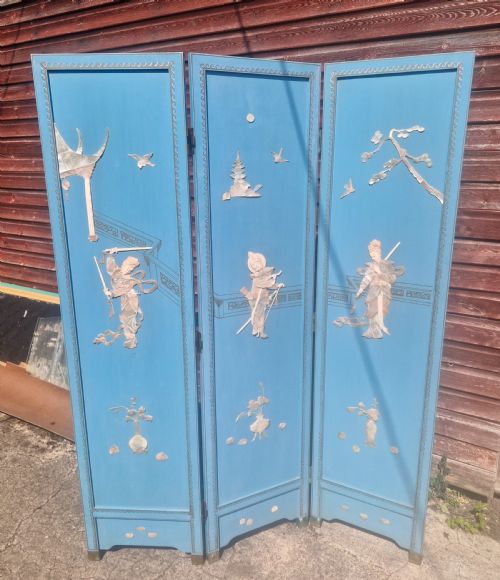
An antique chinese screen serves as a functional room divider or a decorative focal point, appearing in forms ranging from grand multifold panels to smaller table screens and fire screens. The pieces seen here span centuries of craftsmanship, including examples from the eighteenth, nineteenth, and twentieth centuries, alongside specific iterations like Chinese Chippendale and Chinoiserie styles.
Buyers are most likely to encounter freestanding folding screens featuring multiple leaves, alongside carved wooden panels and framed works. These items utilise traditional construction methods to create movable partitions or stationary displays intended for domestic interiors.
Materials and Construction
The construction of these pieces relies heavily on timber such as hardwood, rosewood, and general wood frameworks, providing a sturdy skeleton for intricate detailing. Lacquer, gold leaf, and black lacquer finishes are applied to the surfaces, creating deep, lustrous sheens that define the visual character of the woodwork.
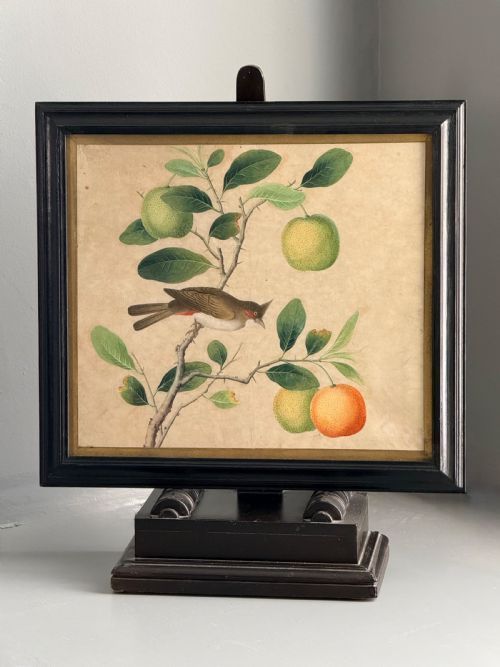
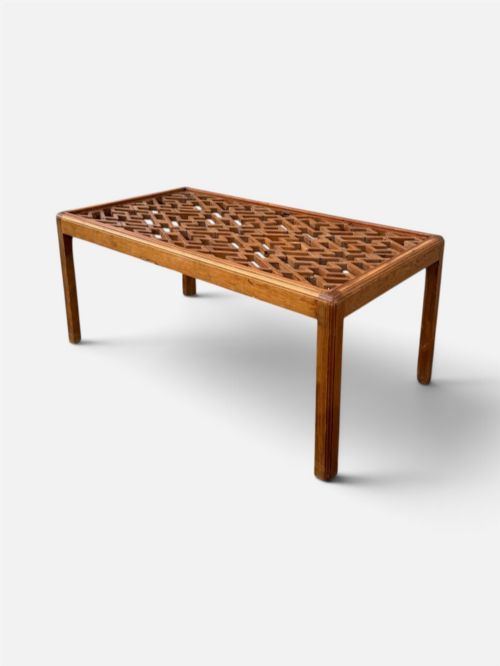
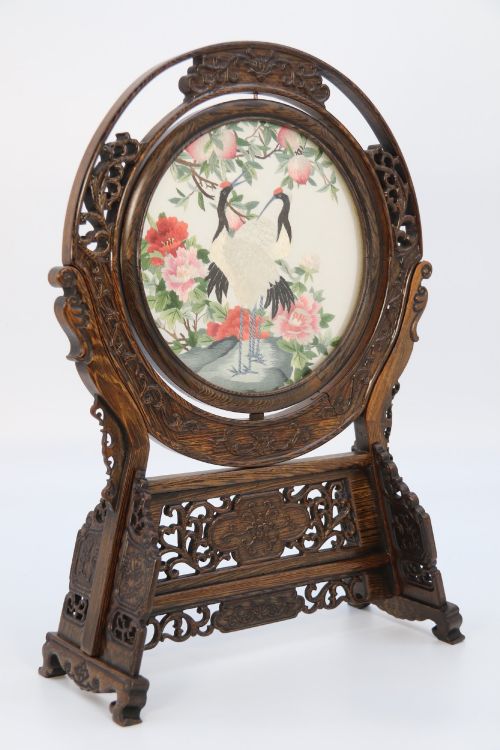
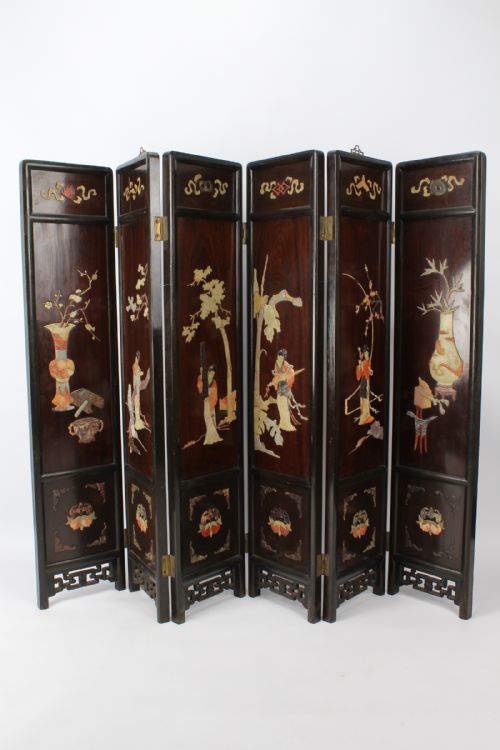
Detailing involves skilled hand-carving, hardstone mounts, silk embroidery, and gouache painting on pith paper. These decorative elements are integrated directly into the panels or displayed within rotating hardwood stands and glass-topped furniture adaptations.
Antique Chinese Screen Retail Price Guide 2026
Typical asking prices for chinese screen among the pieces listed under this phrase on Sellingantiques today, from the lower quarter to the upper quarter. They describe what is for sale here now, not the wider market.
The materials recorded in these listings include wood, lacquer, hardwood, brass, glass, silk, gold leaf, and lacquered wood.
Craftsmanship and Execution
Quality separates through the depth and precision of the hand-carved motifs, the richness of the lacquer work, and the complexity of the inlaid materials like hardstone and gold leaf. Superior panels display crisp, sharply defined detailing on dragon carvings, fretwork, and figurative scenes rather than soft or shallow incisions.
The integrity of the structural hinges across multiple folds and the fineness of double-sided silk embroidery or framed lacquer work distinguish finer workshop output from simpler decorative items. Heavier timber frameworks and well-preserved surface finishes indicate superior original manufacture.
The Antique Chinese Screen Glossary
- Coromandel
- A form of Chinese carved lacquer ware where the surface is covered in layers of dark lacquer, incised with designs, and filled with colours or gold. This technique produces rich, textured panels often utilised on multifold room dividers.
- Chinoiserie
- European artistic style reflecting Chinese motifs and decorative techniques, popularised during various periods including the eighteenth and nineteenth centuries. It appears on lacquered screens and furniture adaptations.
- Hardwood
- Dense, durable timber species utilised for structural framing, display stands, and carved panels. These woods provide the necessary strength for freestanding folding furniture.
- Pith paper
- A delicate material formed from the cellular pith of the tetrapanax papyrifer plant, historically used for miniature paintings and gouache artwork. It offers a unique absorbent surface for fine brushwork.
- Hardstone
- Minerals such as jade, agate, or soapstone carved and mounted onto lacquer surfaces to create relief decoration. These elements add tactile dimension and varied colour to panel designs.
Antique Chinese Screen: Frequently Asked Questions
How do I use a folding screen at home?
Folding screens work well to divide large rooms, create private dressing areas, or stand flat against a wall as decorative art panels.
Position them away from direct heat sources and strong sunlight to protect the lacquer and silk elements from fading or drying.
What is the difference between a table screen and a room divider?
Table screens are compact pieces designed to sit on desks, tables, or specialised stands, often featuring detailed silk embroidery or carved panels.
Room dividers are much larger, freestanding multifold structures intended to partition floor space.
How do I care for antique lacquer surfaces?
Dust the surfaces gently with a soft, dry cloth to prevent scratching the polished finish.
Avoid liquid cleaners, chemical sprays, and excessive moisture, which can damage aged lacquer and inlaid materials.
Can I tell the age from the style?
Styles range from eighteenth-century Coromandel work and nineteenth-century Qing Dynasty carvings to twentieth-century Chinoiserie and export pieces.
Examining the underlying wood construction, hinge types, and decorative techniques helps contextualise the period of manufacture.