
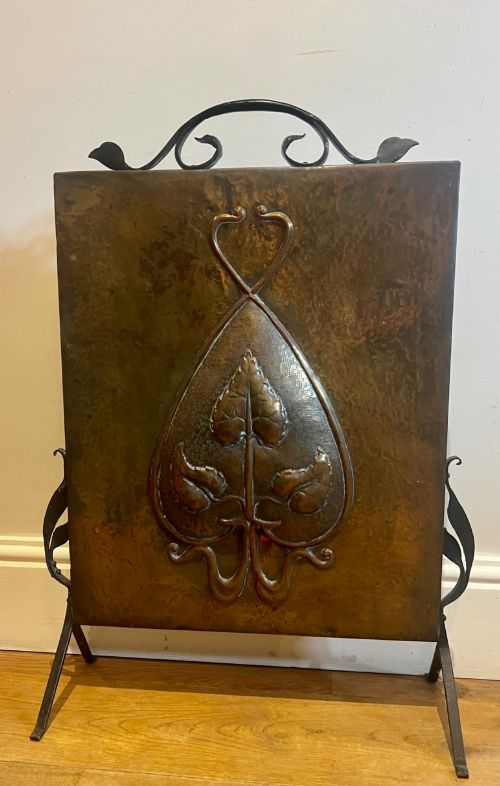


Antique Firescreen
An antique firescreen keeps the glare of an open hearth at bay while adding a distinct decorative focal point to a room.
Antique Firescreen
When you search for an antique firescreen, you encounter functional domestic shields designed to block radiant heat when the hearth is unlit. The most common examples on this page hail from the nineteenth century, ranging from simple brass guards to elaborate framed panels.
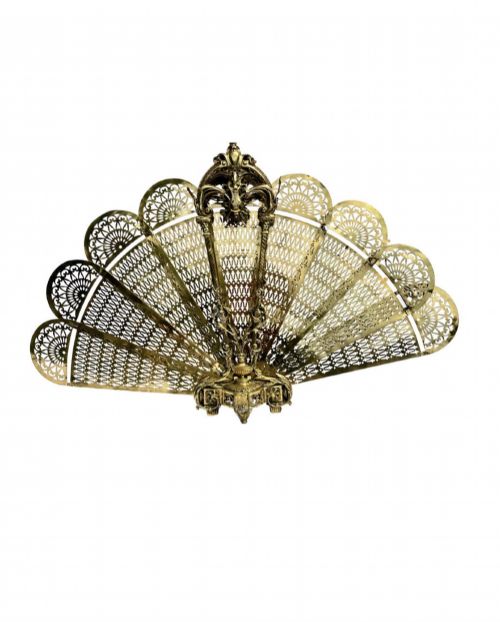
Makers utilised various formats to suit domestic spaces, including tall standing wooden frames, adjustable screens, and collapsible multi-leaf designs. Mahogany and oak form the backbone of the wooden framed variants, whilst brass and copper dominate the metalwork.
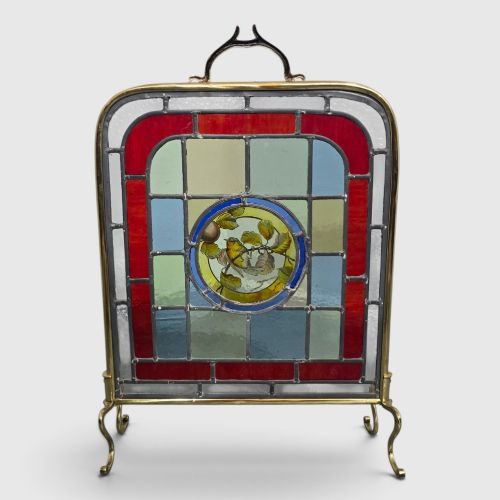
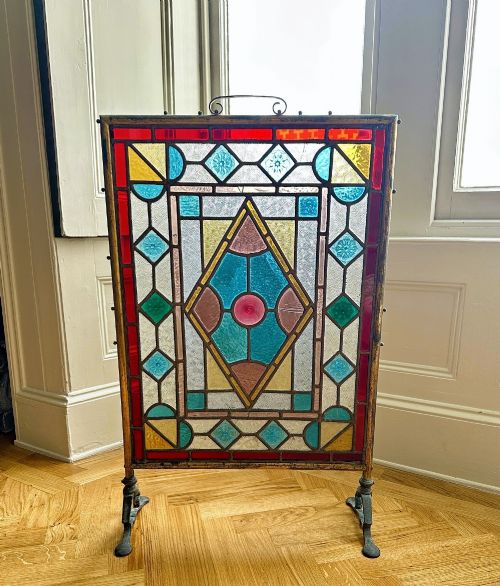
Regional and stylistic diversity runs through the selection, with French ormolu and rococo revival pieces sitting alongside British Arts and Crafts copperwork. You also find needlework panels, painted glass, and tapestry inserts that reflect the domestic handcrafts of their respective eras.
Materials and construction methods
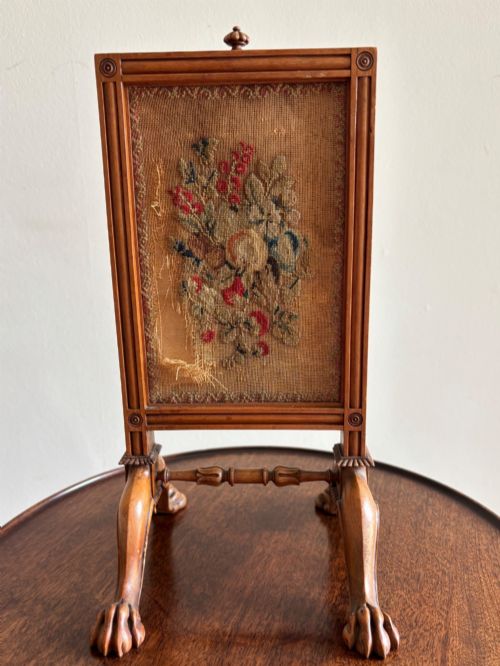
Timber frames in mahogany, oak, and other hardwoods provide the structural support for textile panels, utilising traditional joinery and turning techniques. Skilled artisans carved wood into rococo scrolls, gothic arches, and simple classical profiles.
Metalwork relies heavily on cast brass, beaten copper, and wrought iron, often combined to create sturdy stands and decorative mesh or solid panels. Copper panels frequently display hand-hammered arts and crafts motifs or repoussé work.
Insets incorporate hand-worked wool tapestry, silk embroidery, needlework samplers, stained glass, and painted toleware. These decorative screens depend on secure mounting within their metal or wooden borders to withstand the dry heat near a fireplace.
Clan coats of arms and hydrangea flowers peer out from behind the soot.
Factors determining quality
Quality rests significantly on the calibre of the central panel, whether it is finely executed needlework, genuine stained glass, or crisply chased ormolu. Finer pieces demonstrate superior dexterity in the hand-hammering of copper or the detailed carving of wooden frames.
Construction robustness separates utilitarian guards from superior decorative pieces, visible in the weight of the brass, the stability of the iron stands, and the tightness of the wood joints. Adjustable mechanisms and multi-leaf hinges operate smoothly on higher-grade examples without loose tolerances.
The Antique Firescreen Glossary
- Ormolu
- Gilded bronze or brass mounts used extensively in French decorative arts. This technique adds a bright, metallic sheen to rococo frames.
- Tapestry
- Hand-woven textile featuring pictorial scenes or coats of arms. These panels frequently form the decorative centrepiece of nineteenth-century wooden screens.
- Toleware
- Painted or lacquered sheet metal used for decorative items. Hydrangea and other floral designs often appear on these dummy board screens.
- Repoussé
- Metalworking technique where the metal is hammered from the reverse side to form a raised design. Copper arts and crafts screens often display this method.
- Needlework sampler
- Embroidery executed on canvas to demonstrate skill in various stitches. Regency and Georgian examples occasionally find a second life mounted in screen frames.
Antique Firescreen: Frequently Asked Questions
What was an antique firescreen used for?
These screens served primarily to shield the occupant's face from the intense glare and heat of an open coal or wood fire. They were repositioned around the hearth depending on where people sat in the room.
When the fireplace was not in use during warmer months, the screen also hid the dark, empty grate and added a decorative panel to the empty hearth space.
How do I choose the right size?
Measure the height and width of your fireplace opening and the surrounding mantel area to ensure the screen provides adequate visual coverage. Consider whether you need a stationary standing screen or an adjustable model that alters its height.
Floor clearance and overall weight are also practical factors, particularly if you have heavy wrought iron or multi-leaf mahogany designs that require stable placement on wooden or carpeted floors.
How do I date a firescreen?
Dating relies on identifying stylistic markers, such as the heavy scrolling of rococo revival pieces, the hammered surfaces of the arts and crafts movement, or the clean lines of the regency period. Materials like early nineteenth-century mahogany give way to late nineteenth-century brass and copper.
Construction clues, including hand-cut screws, joinery methods, and the style of any textile or needlework panels, further narrow down the manufacturing decade.
Can I use it near a working fire?
Most antique firescreens are best deployed when the fire is unlit or burning down, as intense direct heat can dry out old timber frames and warp delicate textiles, silk, or painted glass panels. Metal frames with brass or iron mesh offer more resilience if placed near mild warmth.
Assess the fragility of the inset panel before exposing it to fluctuating temperatures, as antique needlework and dried glues on glass panels are sensitive to heat.