





Chinese Embroidery Panel
These Chinese embroidery panel examples bring vibrant Qing Dynasty silkwork into a room, offering rich colours and intricate stitching.
Chinese Embroidery Panel
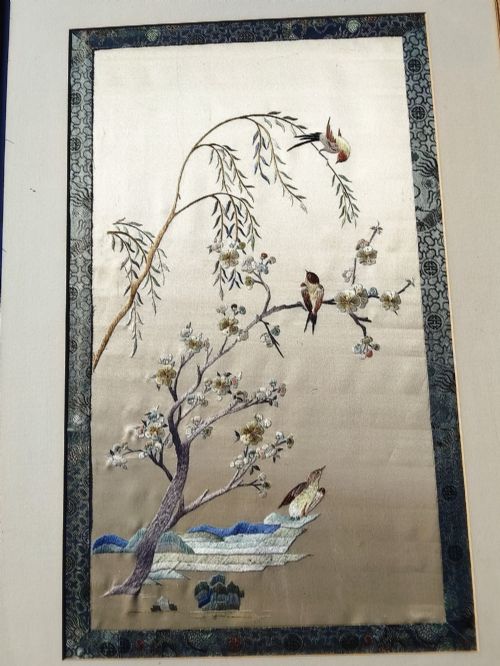
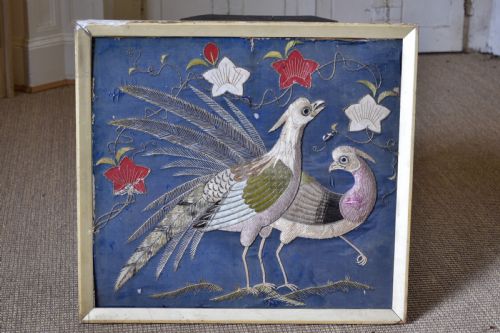
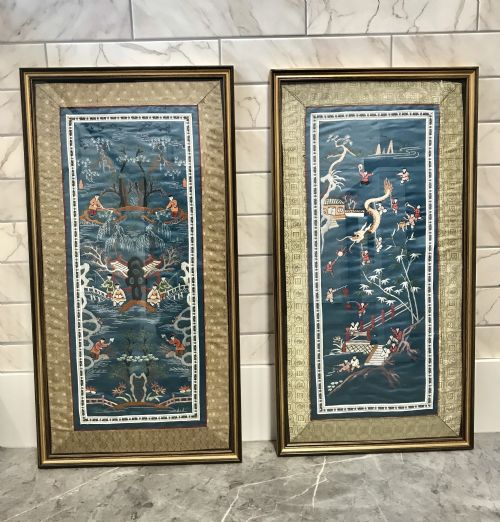
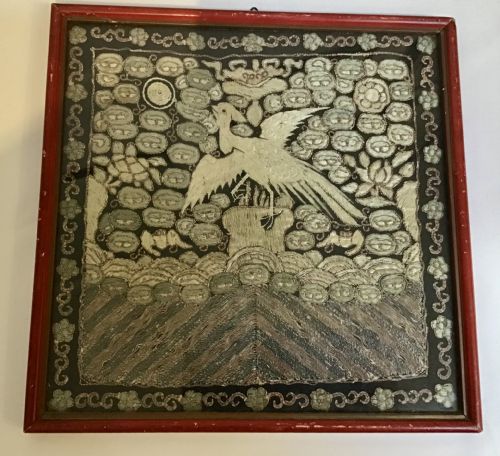
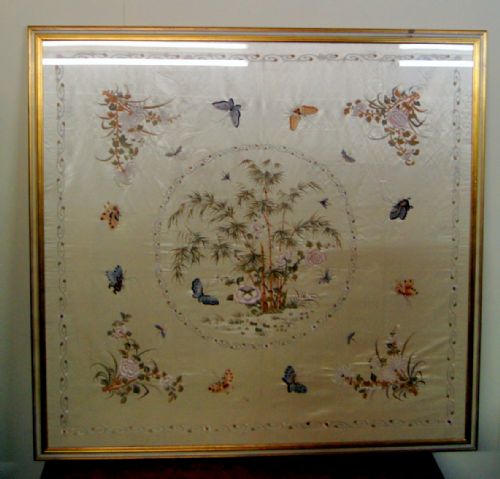
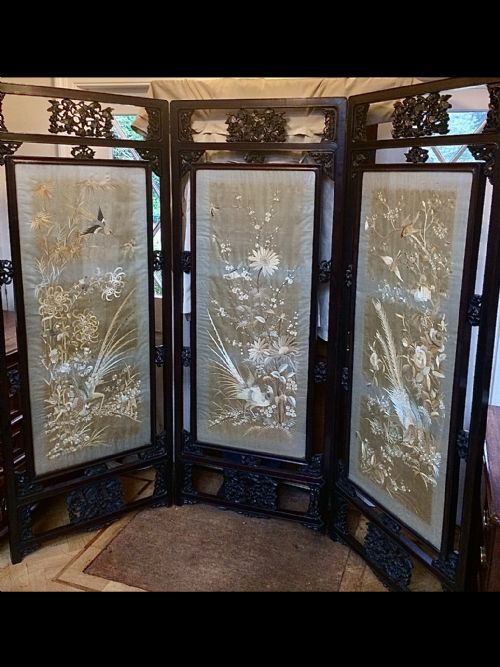
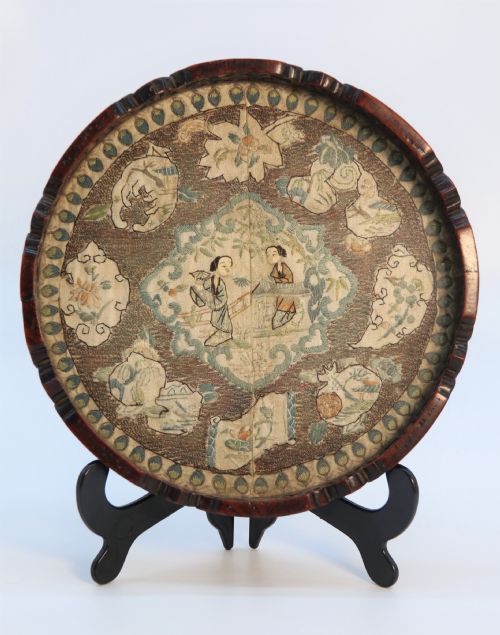
A chinese embroidery panel presents hand-stitched silk textile art created during the nineteenth century, often reflecting Qing Dynasty aesthetics and traditional Chinese motifs. Buyers examining this page encounter framed wall art, rank badges, folding screens, table screens, firescreens, and trays incorporating embroidered silk.
The most common formats on this page are framed textile pieces and mounted panels under glass, featuring subjects such as figures, dragons, trees, flowers, garden birds, and mandarin ducks. These works range from flat wall hangings to functional household items fitted with carved hardwood or gilt wood frames.
Originating largely from the nineteenth century, including specific dates around eighteen-sixty, eighteen-ninety, and nineteen-hundred, these pieces demonstrate traditional needlework skills associated with historical Chinese textile production.
How they were made
The makers of these items utilised silk thread and metallic thread, hand-sewing detailed imagery directly onto silk grounds to achieve deep texture and lustrous visual contrast.
Many of these textiles are mounted within structural surrounds made from wood, hardwood, or gilt wood, occasionally incorporating glass protection or intricate carved stands as seen in firescreens and table screens.
Chinese Embroidery Panel Retail Price Guide 2026
Typical asking prices for chinese embroidery panel among the pieces listed under this phrase on Sellingantiques today, from the lower quarter to the upper quarter. They describe what is for sale here now, not the wider market.
Mandarin ducks appear frequently in these nineteenth-century stitches, offering a quiet, feathered nod to lifelong devotion.
What varies in quality
The standard of execution in the needlework creates a clear distinction across these pieces, separating finely detailed hand-stitched figures and naturalistic birds from simpler decorative work. The precision of the silk and metallic thread placement dictates the visual depth of the subject matter.
The quality of the housing alters the overall character of the piece, where deeply carved hardwood frames and specialised items like table screens or trays show a higher level of integrated craftsmanship than standard secondary framing.
The Chinese Embroidery Panel Glossary
- Qing Dynasty
- The final imperial dynasty of China, lasting from sixteen-forty-four until nineteen-and-twelve, which produced the characteristic silk textiles and embroidered rank badges found in these listings.
- Rank Badge
- A square badge sewn onto official robes during the imperial era to denote civil or military rank, now frequently found framed as independent textile art.
- Table Screen
- A decorative panel supported by a carved wooden stand designed to sit on a piece of furniture rather than hang upon a wall.
- Firescreen
- A large standing screen placed before a fireplace when not in use, often incorporating a framed silk panel within a substantial hardwood structure.
- Chinoiserie
- A Western stylistic interpretation of Chinese artistic traditions, though pieces on this page originate from authentic Chinese production.
Chinese Embroidery Panel: Frequently Asked Questions
How were these panels used originally?
Many of these textiles served as functional garments or interior furnishings, such as rank badges worn on official robes or decorative screens placed within domestic rooms.
Over time, panels were mounted behind glass or framed as wall art to preserve the delicate silk stitching.
What subjects appear on these panels?
Common motifs include traditional Chinese figures, dragons, trees, and floral arrangements, alongside paired birds like garden birds and mandarin ducks.
These subjects carried symbolic meanings relating to status, longevity, and marital harmony within Qing Dynasty culture.
How do I care for silk embroidery?
Display these textile pieces away from direct sunlight to prevent the silk and metallic threads from fading over time.
Maintaining a stable indoor environment protects both the fragile hand-sewn threads and the surrounding wooden frames.
How can I tell the period?
Dating relies on the stylistic markers of the Qing Dynasty, the materials used such as hand-spun silk and metallic thread, and framing styles associated with the nineteenth century.
Specific dates recorded in the listings point to production years around eighteen-sixty, eighteen-ninety, and nineteen-hundred.