
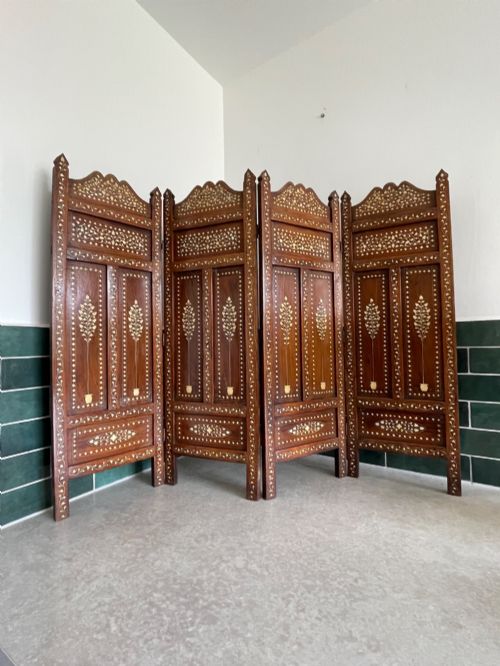


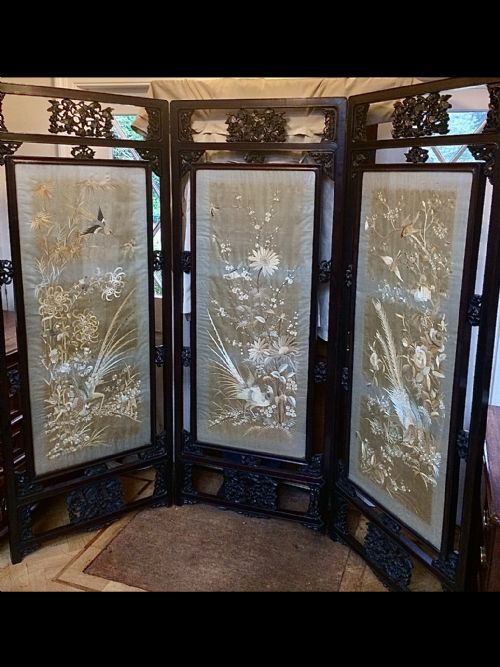
Carved Rosewood Screen
A carved rosewood screen stands as a brilliant functional focal point for any traditional interior, offering both decorative warmth and historical charm.
Carved Rosewood Screen
When you search for a carved rosewood screen, you encounter a fascinating mix of domestic English hearth accessories and intricate East Asian decorative panels. These pieces served practical purposes in period rooms, shielding inhabitants from intense fires or draughts while displaying fine craftsmanship.
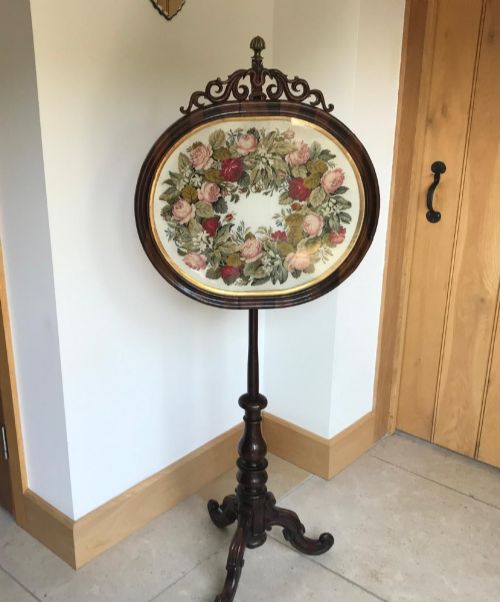
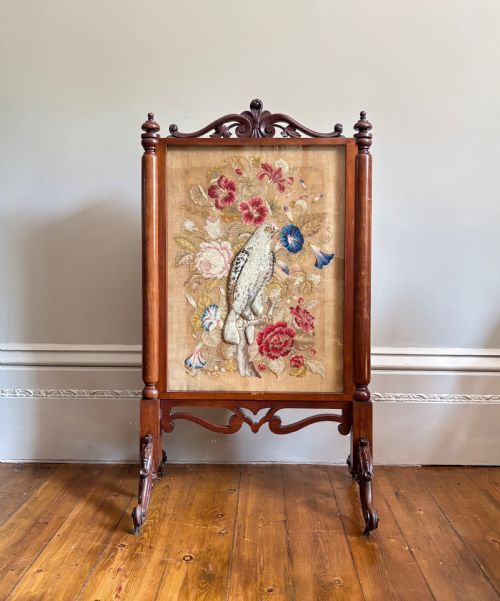
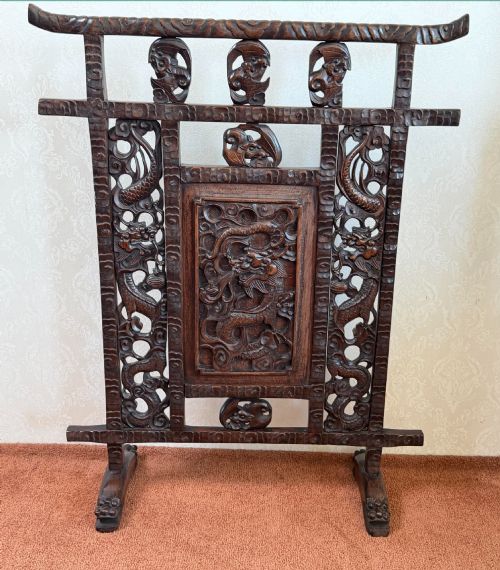
The English examples on this page are predominantly pole screens or cheval screens dating from the nineteenth century, often featuring adjustable needlework panels. Alongside these, the selection includes Chinese hardwood and silk table screens from the same era, reflecting diverse global design influences.
How They Were Made
The construction of these items relies heavily on dense rosewood and other hardwoods, carved meticulously to form tripod bases, framed panels, or folding supports. Metal components such as brass often provide adjustable mechanisms for pole screens, allowing the textile panel to slide.
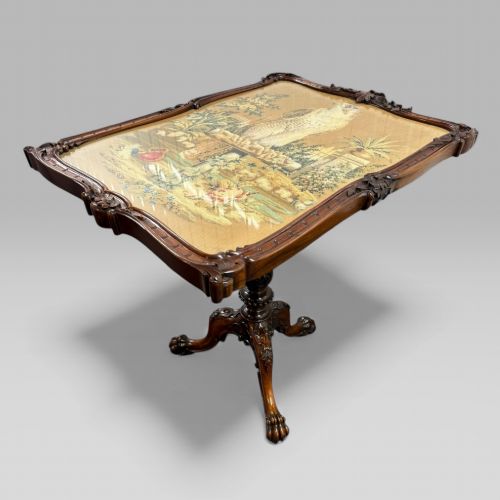
Textile arts play a central role, with Berlin work, needlepoint, tapestry, wool, canvas, and silk panels mounted securely within the wooden frames. Hand-woven pastoral scenes and floral needlework demonstrate the collaborative skill of woodcarvers and needleworkers.
Carved Rosewood Screen Retail Price Guide 2026
Typical asking prices for carved rosewood screen among the pieces listed under this phrase on Sellingantiques today, from the lower quarter to the upper quarter. They describe what is for sale here now, not the wider market.
The listings span the nineteenth century, featuring Victorian, Regency, and William IV styles in rosewood, hardwood, brass, silk, and wool.
What Varies in Quality
The distinction between standard examples and the finest pieces rests upon the crispness of the hand-carved ornamentation on the rosewood frames and bases. Deep, intricate carving on tripod legs or stands demonstrates superior artisan skill.
Additionally, the complexity and condition of the textile insert dictate the desirability of the piece. Finely executed hand-woven needlepoint, tapestry, or detailed silk embroidery elevate the overall standard of the object significantly.
Gillows
The Carved Rosewood Screen Glossary
- Pole screen
- A vertical domestic screen mounted on a tall wooden pole with a tripod base, designed to protect the face from fireplace heat. The panel usually adjusts in height along the central shaft.
- Berlin work
- A type of coloured wool needlework popular in the nineteenth century, worked on canvas from printed gridded patterns. It allowed makers to create detailed pictorial and floral compositions.
- Cheval screen
- A large floor-standing screen set within a stable frame that allows the panel to swing or tilt on pivots. These offer a broader viewing area than traditional pole screens.
- Table screen
- A smaller decorative screen designed to sit atop furniture rather than on the floor, often featuring intricate woodwork and delicate silk panels. They served aesthetic rather than hearth-warming purposes.
- Needlepoint
- A form of canvas work embroidery stitched with yarn using a tent stitch. It forms the decorative pictorial face for many period fire screens.
Carved Rosewood Screen: Frequently Asked Questions
What is a pole screen?
A pole screen is a tall, slender furniture piece featuring a small adjustable panel mounted on a vertical wooden shaft with a tripod base. Placed near the hearth, it allowed ladies to shield their faces from the intense heat of an open fire.
In modern interiors, these pieces function brilliantly as decorative accents or freestanding art displays. Their adjustable nature means you can angle the textile panel precisely to catch the light in a room.
How do I date a rosewood screen?
Dating relies on stylistic clues such as the turned woodwork, the presence of Regency or William IV motifs, and the character of the needlework panel. Mid-nineteenth-century examples often exhibit robust Victorian carving alongside floral tapestry work.
Examining the construction methods underneath the base or the type of brass fittings used helps confirm the period. Archival comparisons with pieces from the eighteen-thirties onwards provide further chronological context.
Were these screens used for heat?
Yes, historical fire screens were primarily utilitarian objects designed to protect delicate complexions and wax makeup from melting near roaring coal or wood fires. They acted as movable heat shields in large period reception rooms.
Over time, as central heating evolved, their practical purpose diminished while their decorative value remained high. They transitioned from essential hearth furniture to cherished collectibles displayed for their artistry.
What is the difference between Chinese and English screens?
English screens on this page typically take the form of pole or cheval screens made from rosewood with needlepoint or tapestry inserts. They reflect domestic nineteenth-century European interior design and needlework traditions.
Chinese screens here focus on hardwood frames enclosing intricately embroidered silk panels or detailed wood carvings. These pieces showcase traditional Asian motifs and table-top display formats rather than hearth protection.