


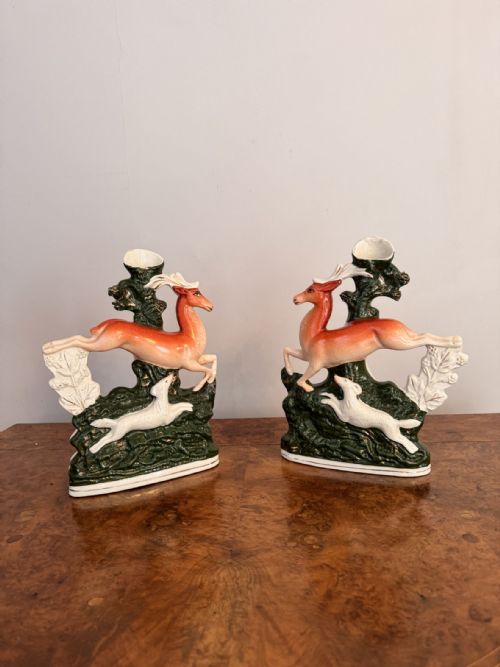
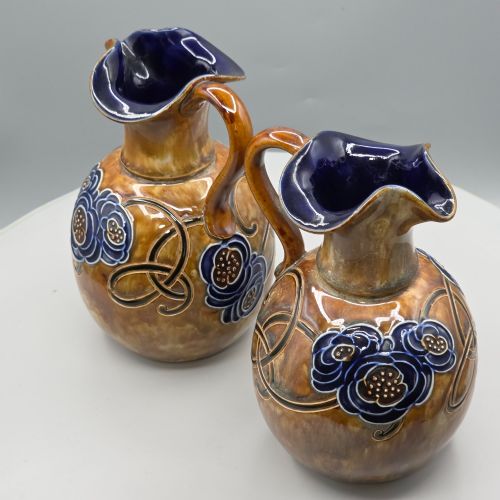
Antique Pottery Pair
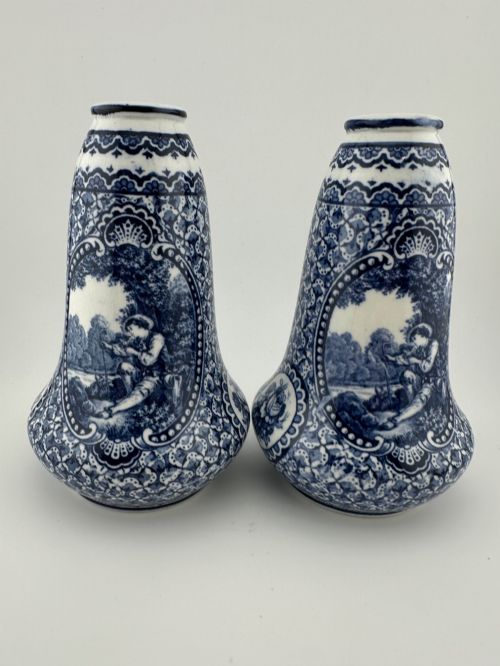
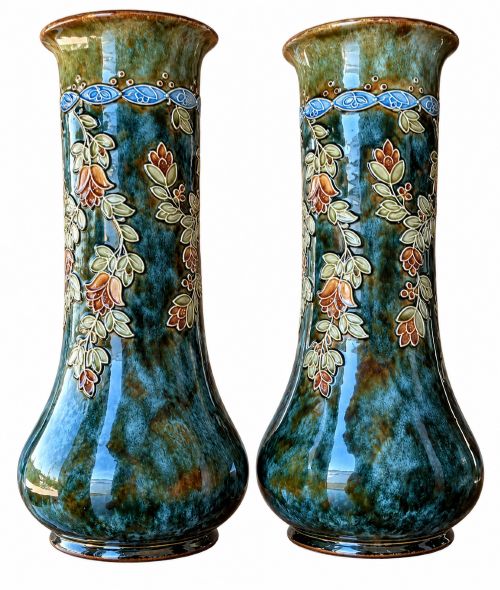
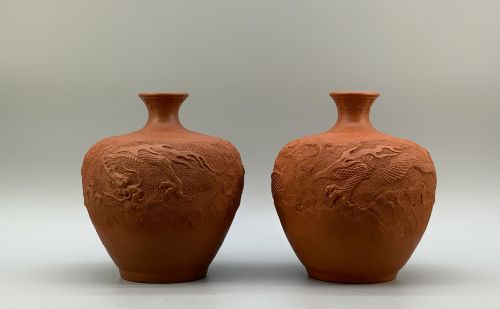
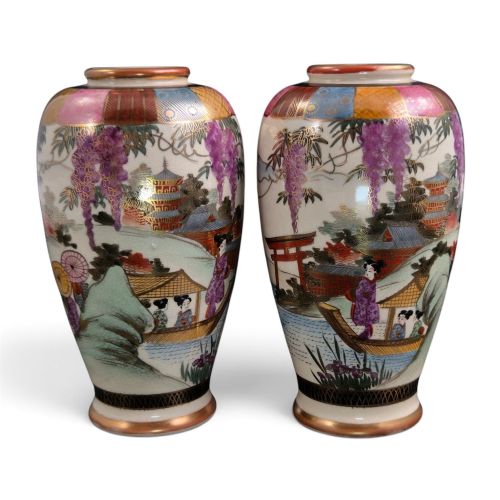
An antique pottery pair brings balanced symmetry to a mantelpiece or side table, spanning Staffordshire figures, Delft plates, and Satsuma vases.
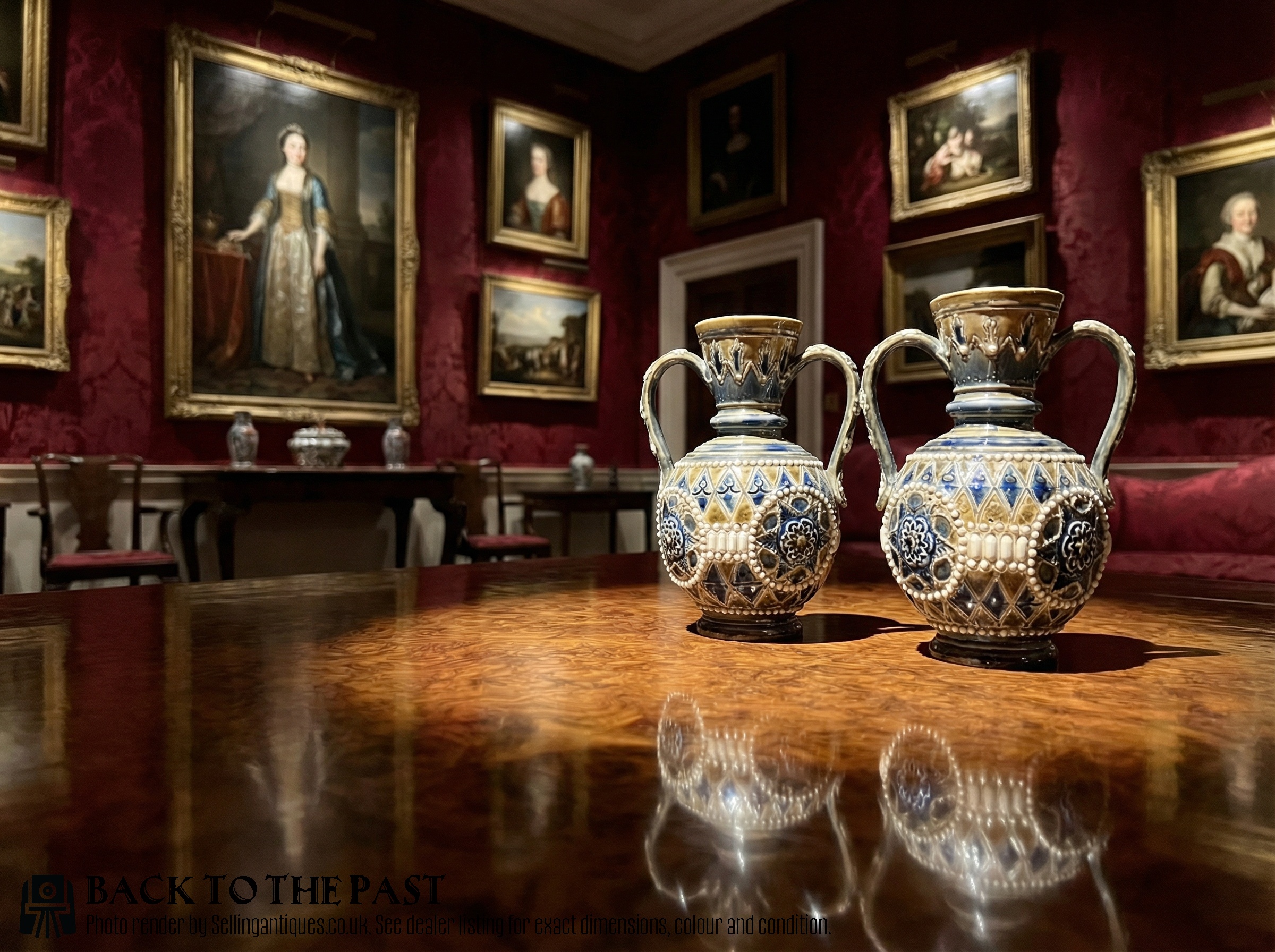
Antique Pottery Pair
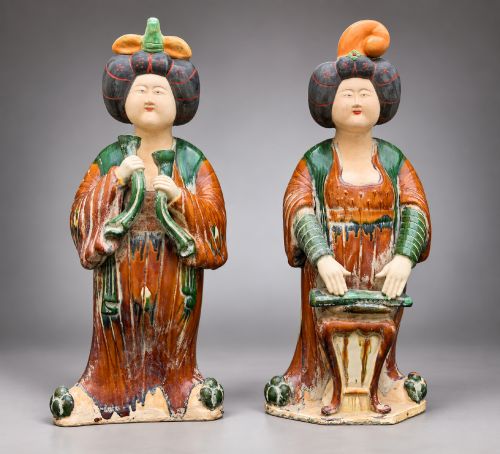
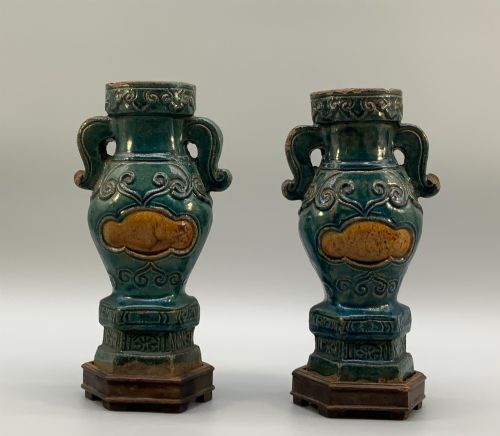
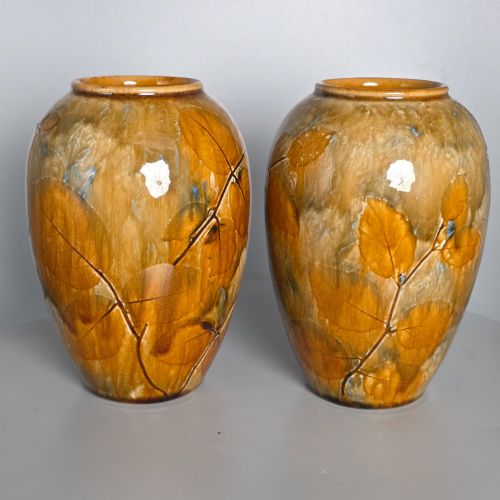
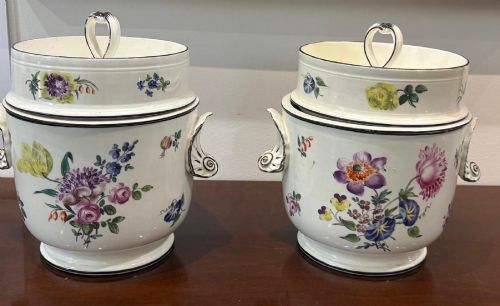
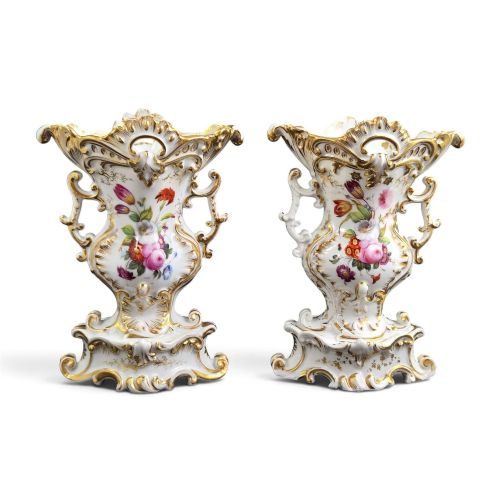
When searching for an antique pottery pair, buyers encounter balanced sets intended for display as decorative complements on mantelpieces or architectural ledges. The selection spans utilitarian vessels made for the home, structural vases, and sculptural mantel ornaments.
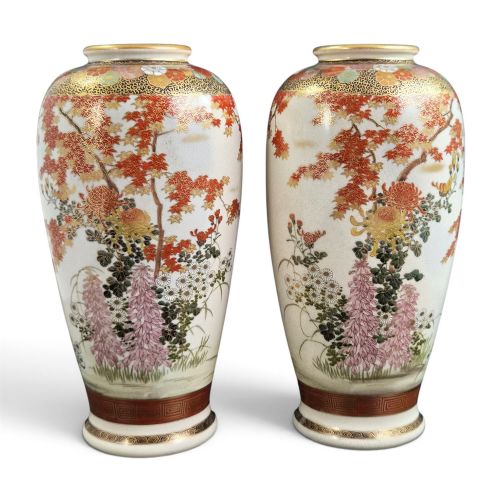
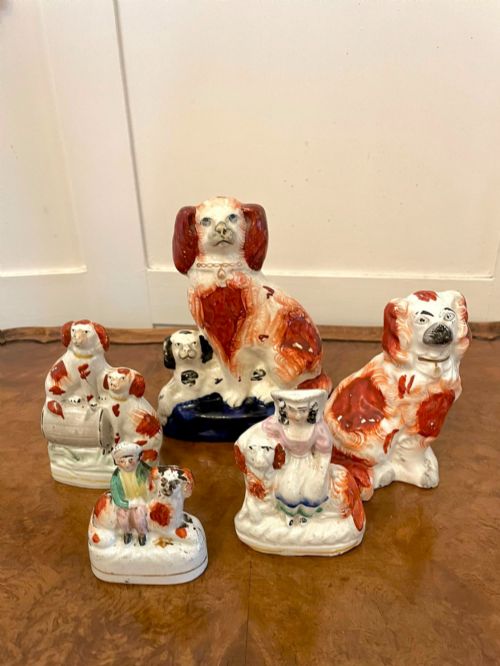
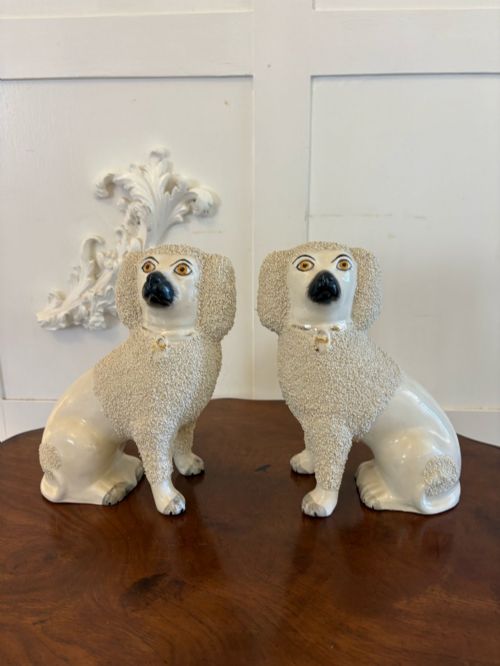
Staffordshire animal figures and Staffordshire spaniels dominate the domestic nineteenth-century English output on the market. Buyers also frequently locate Dutch and English Delftware plates alongside Japanese Satsuma and Imari porcelain pairs from the Meiji period.
The assortment extends from eighteenth-century creamware and pearlware dishes to early twentieth-century stoneware jugs and lustreware vases. Each matching duo shares identical decorative programmes, proportional dimensions, and kiln origins designed to be displayed together.
How manufacturers formed the pieces
Makers utilised earthenware, stoneware, and porcelain bodies, shaping them either by throwing clay upon a potter's wheel or pressing liquid slip into plaster moulds. Artisans then applied tin glazes, lead glazes, or salt glazes to seal the porous clay body before secondary firing.
Decoration involved hand-painting pigments directly onto the raw glaze or applying polychrome enamels and gold leaf over an already fired surface. Many Staffordshire figures received underglaze cobalt details combined with overglaze enamel highlights applied by factory painters.
Object forms range from sculptural animal figurines and spill vases to baluster jars and wall plates.
What separates the grades of production
Quality rests upon the crispness of the moulded details and the precision of the hand-painted brushwork executed across both objects in the set. Superior examples display minimal kiln distortion, steady glaze application, and well-matched dimensions between the two individual items.
Commercial mass production yielded simpler figures and plates with hasty decoration and pooled glazes, whereas specialised potteries achieved refined potting and detailed enamel palettes. Matching status remains paramount, as assembled pairs often exhibit subtle discrepancies in height, pigment saturation, or crazing patterns.
Royal Doulton Lambeth·Jacob Petit·Fourmaintraux Courquin Desvres·Boch Freres·Wedgwood
The Antique Pottery Pair Glossary
- Earthenware
- Porous pottery fired at lower temperatures that requires a vitreous glaze to hold liquids. It forms the base for most Staffordshire figures and Delftware dishes.
- Staffordshire
- A generic term for ceramic figures and animals produced by numerous potteries in the English Midlands during the nineteenth century. These include spaniels, greyhounds, and portrait flatbacks.
- Delftware
- Tin-glazed earthenware decorated with metallic oxides, typically producing blue and white designs inspired by imported Chinese porcelain. Production centred in factories across Holland and England.
- Pearlware
- A refined, whitened earthenware developed in the late eighteenth century featuring a subtle blue-tinted lead glaze designed to mimic Chinese export porcelain.
- Satsuma
- Japanese pottery featuring a crackled ivory earthenware glaze decorated with elaborate enamels and gilt motifs. These wares gained widespread popularity during the Meiji period.
Antique Pottery Pair: Frequently Asked Questions
What defines an antique pottery pair?
An antique pottery pair consists of two matching ceramic objects created together in the same workshop to form a symmetrical decorative set. They share identical forms, dimensions, and decorative schemes intended to balance each other visually.
Such sets typically comprise mantel dogs, matching cabinet vases, or corresponding wall plates designed for simultaneous display in domestic interiors.
How were nineteenth century Staffordshire figures used?
Staffordshire figures served primarily as decorative ornaments placed upon parlour mantelpieces, often arranged symmetrically in pairs flanking a clock or mirror.
Many animal models, such as spaniels and greyhounds, functioned as protective hearth guardians while human figures commemorated historical events, royalty, or pastoral scenes.
How can I distinguish creamware from pearlware?
Creamware possesses a warm, buttery yellow tone resulting from a transparent lead glaze applied over a pale earthenware body.
Pearlware incorporates a small amount of cobalt in the glaze to neutralize the yellow hue, resulting in a cooler, bluish-white appearance particularly around pooling areas.