



Antique Mantelpiece Decor
Antique mantelpiece decor brings character to a hearth, combining period figures, candlesticks and ornaments crafted to anchor a room.
Antique Mantelpiece Decor
Antique mantelpiece decor spans utilitarian hearth furniture and purely decorative chimney ornaments designed to sit atop a fireplace.
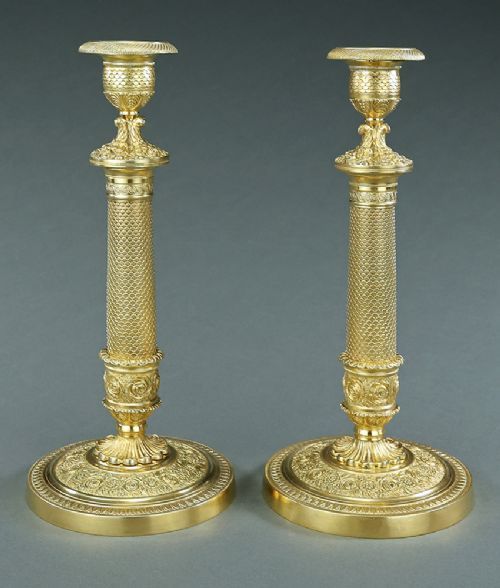
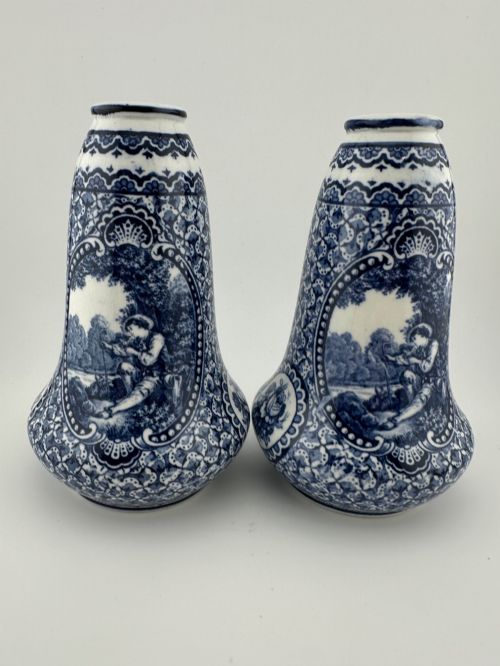
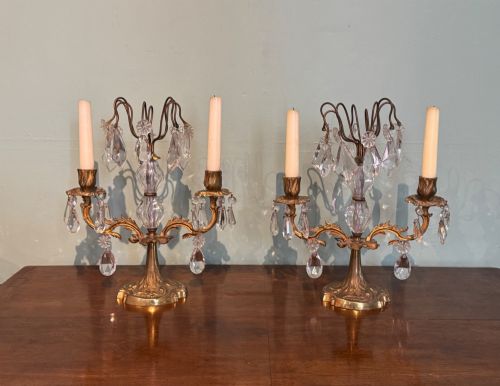
The selections here most frequently include pairs of brass candlesticks, spill vases, and earthenware or pottery figures dating from the nineteenth and early twentieth centuries.
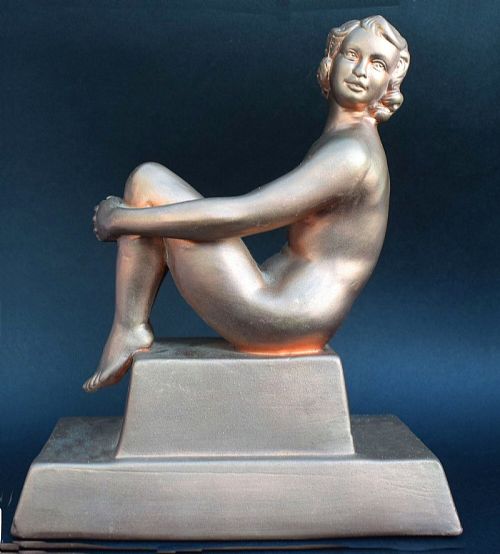
Buyers will also find decorative vases, mantel lustres, and sculptural groups reflecting Victorian, Edwardian, and Art Deco tastes.
Materials and construction methods
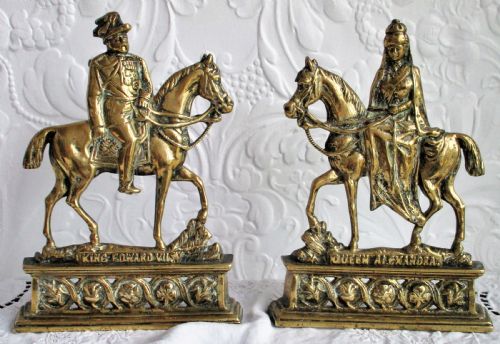
Metalwork pieces utilise cast brass, bronze, spelter, and cast iron, often shaped through traditional foundry methods and finished with gilding or paint.
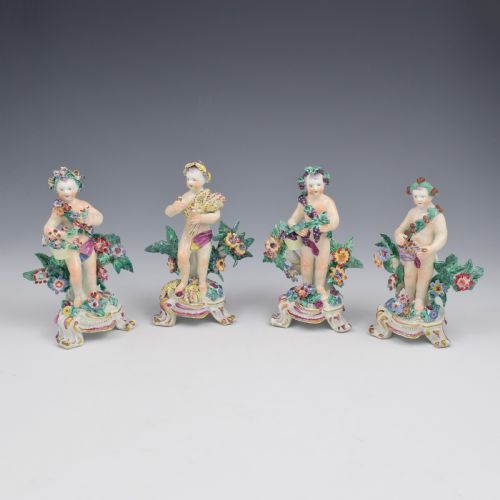
Ceramic items rely on earthenware, ironstone, and porcelain bodies finished with hand-applied glaze, enamel, and pigment.
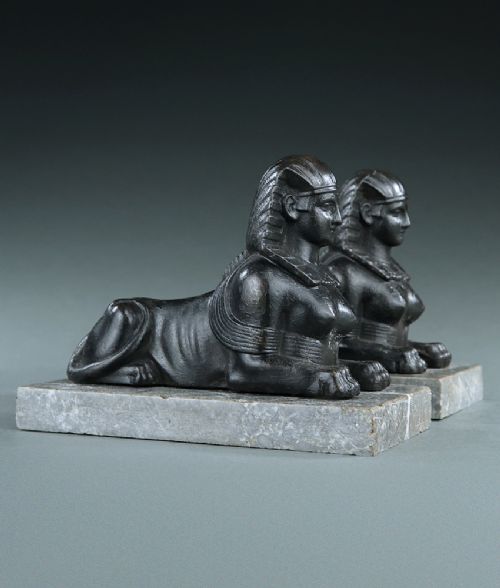
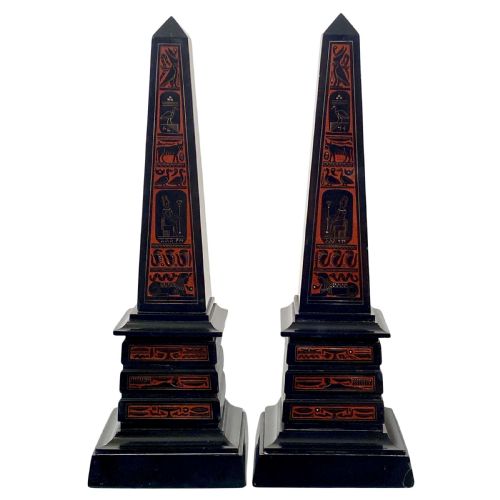
Mixed media works combine carved marble and onyx with mounted metal elements to create decorative obelisks and candelabra.
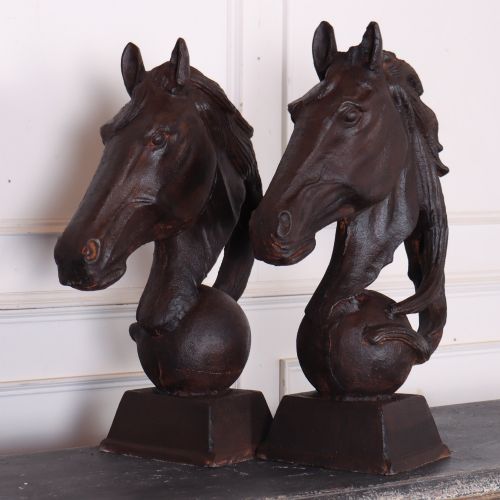
Look closely and you will find cast iron horseheads and scratch-built model ships sharing the hearth with refined porcelain figures.
Distinctions in craftsmanship and finish
Quality reveals itself in the crispness of the casting on metalwork and the precision of the hand-painted details on ceramics.
Pairs show greater desirability when the matching components retain uniform colouration, original surface finishes, and minimal wear to the glaze or metal.
Franz Anton Mehlem·Miles Mason
The Antique Mantelpiece Decor Glossary
- Spill vase
- A small ceramic or metal vessel designed to hold thin wooden spills used for lighting candles and fires. These often form matching pairs.
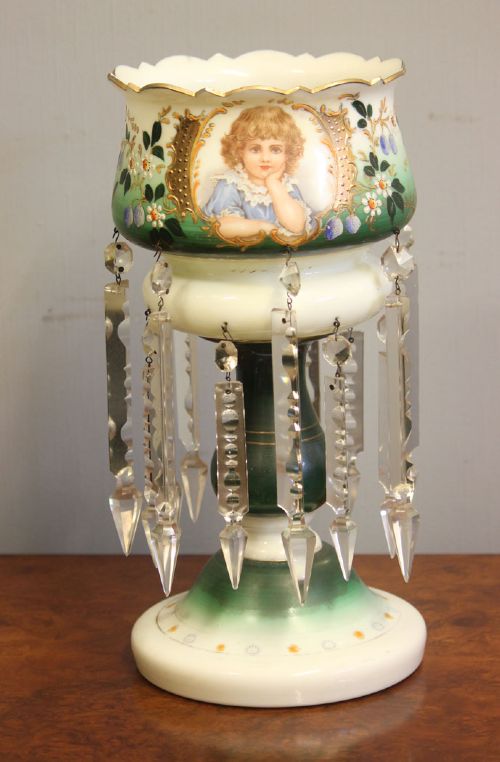
- Mantel lustre
- A decorative glass or ceramic vase hung with cut glass prisms that catch the light from a nearby flame. They were popular centrepieces on nineteenth-century hearths.
- Chimney ornament
- A broad term for figures, animals, and vases displayed upon a mantelpiece. Staffordshire pottery examples are particularly common.
- Spelter
- A zinc alloy commonly used in the twentieth century for sculptural figures and Art Deco groups. It was frequently painted to resemble bronze.
- Rouge Griotte
- A rich red marble with white and grey inclusions, often utilised in nineteenth-century decorative obelisk pairs.
Antique Mantelpiece Decor: Frequently Asked Questions
What counts as mantelpiece decor?
Mantelpiece decor includes any decorative or functional object designed to be displayed on a fireplace ledge, such as candlesticks, vases, and small sculptural figures.
These items range from utilitarian spill vases and lighting devices to purely ornamental pairs of animals and architectural obelisks.
How do I style antique mantel pieces?
Styling often involves arranging symmetrical pairs of candlesticks or figures at either end of the hearth to create visual balance.
Mixing materials like brass, ceramic, and marble adds texture while reflecting the varied decorative tastes of the nineteenth and early twentieth centuries.
Are these items sold in pairs?
Many decorative objects from this category are offered as matching pairs because hearth display traditionally favoured symmetry.
Single figures and vessels also appear, often representing specific sculptural groups or cabinet pieces.
How do I date pottery ornaments?
Dating relies on stylistic clues, glaze characteristics, and manufacturing marks associated with specific nineteenth-century potteries.
Figures from the Victorian era often feature distinct folk art qualities or hand-painted enamel details that help place their period of origin.