


Victorian Black Glass Pair
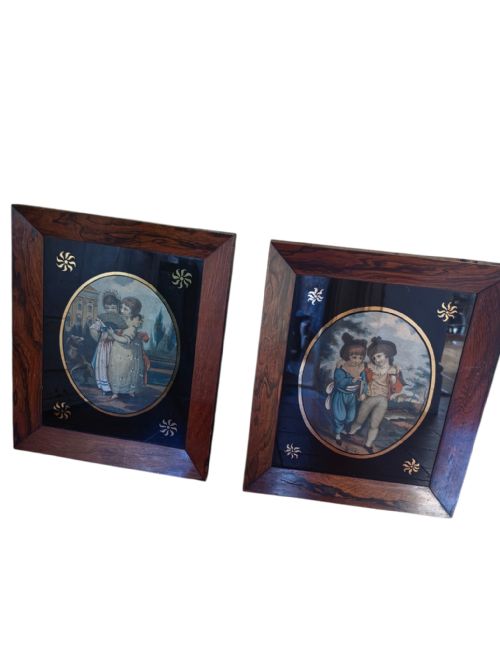
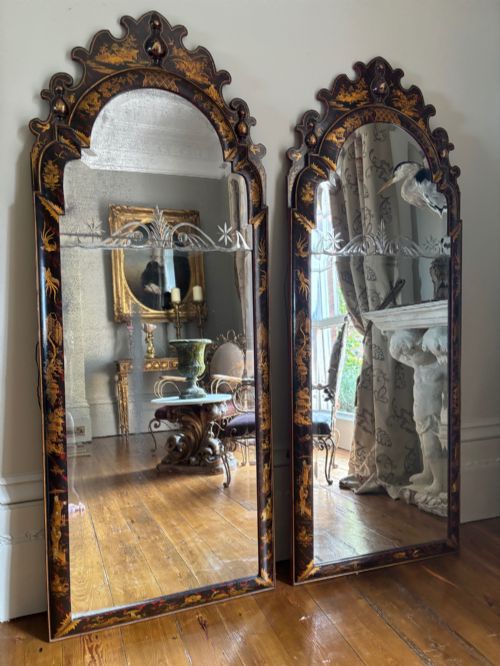
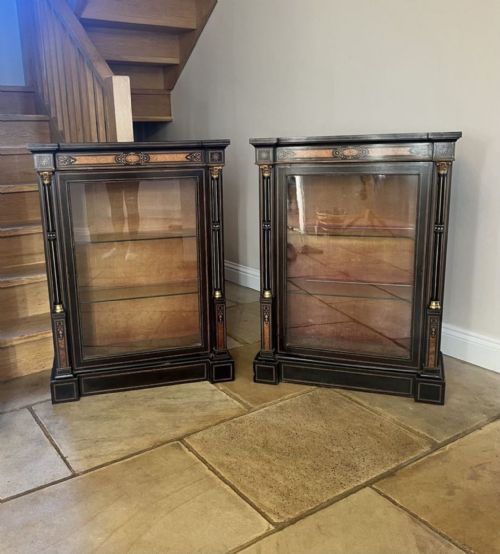
These Victorian black glass pair items offer a striking decorative accent, combining nineteenth-century craftsmanship with a dark, reflective surface that suits period interiors.
Victorian Black Glass Pair
A victorian black glass pair typically comprises matching decorative vessels or ornamental items created during the nineteenth century. The examples seen in archive records demonstrate how these dark glass pieces were often finished with enamelled details.
Materials and construction
These pieces rely primarily on dark glass formed during the nineteenth century, sometimes paired with surface enamelling for decorative effect. The manufacturing process required careful cooling and shaping to achieve an even, opaque black finish across both matching items.
Makers utilised glass as the core medium, occasionally incorporating contrasting details through painted or enamelled ornamentation. The survival of such matched sets indicates robust kiln work and stable colouring techniques employed by period artisans.
Nineteenth-century glassmakers occasionally added subtle metallic oxides to their mixtures, ensuring these dark vessels absorbed just enough light to gleam warmly by candlelight.
Assessing quality
Quality in these items rests upon the uniformity of the glass colour and the precision of any applied enamelling. Superior examples display smooth surfaces free from major bubbles or distortion, ensuring that the matched pair maintains a balanced appearance.
The crispness of decorative detailing and the successful preservation of the dark finish distinguish finer pieces from standard production. A well-preserved surface without significant rubbing to the enamelled motifs indicates careful historical handling.
The Victorian Black Glass Pair Glossary
- Victorian
- Belonging to the reign of Queen Victoria, spanning the nineteenth century. This era produced diverse decorative arts and glass manufacturing innovations.
- Enamelled
- Decorated with fused glass powder applied to the surface and heated. This technique adds colour and pattern to the dark glass body.
- Opaque
- Impassable to light, creating a dense, solid visual weight. Black glass relies on this property to achieve its characteristic dark sheen.
- Pair
- Two corresponding objects intended to be used or displayed together. Matching sets hold particular appeal for symmetrical arrangement.
Victorian Black Glass Pair: Frequently Asked Questions
How were black glass pairs used?
These matched items served primarily as decorative ornaments on mantelpieces, sideboards, or dedicated display furniture within nineteenth-century homes. Their reflective dark surfaces caught the ambient light of oil lamps and candles.
Owners arranged them symmetrically to create a formal aesthetic popular in period interior design. They functioned purely as ornamental focal points rather than utilitarian vessels.
Are these items genuinely nineteenth century?
Authentic pieces date from the Victorian period, reflecting the manufacturing methods and stylistic preferences of that era. Archive records of similar items confirm their nineteenth-century origins through material composition and decorative techniques.
Examining the glass consistency and any surface wear helps establish the age of the objects. Buyers should look for the characteristic weight and finish associated with nineteenth-century glass production.
Can I display them in direct sunlight?
Placing these items out of direct sunlight prevents potential fading of any enamelled surface details over time. While the glass itself remains stable, prolonged exposure to strong UV rays can affect applied decorations.
Positioning them in shaded or softly lit areas also enhances the subtle reflectivity of the dark glass body. This controlled placement protects the structural and visual integrity of the pair.