


Antique Floral Pedestal Vase
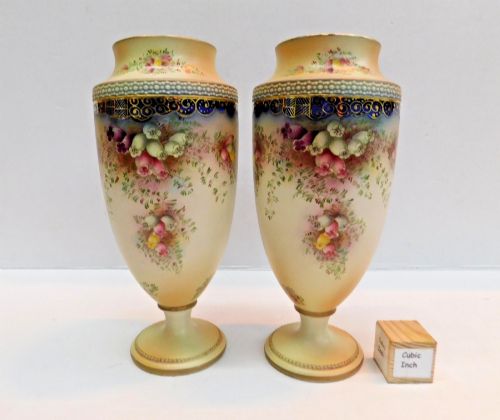
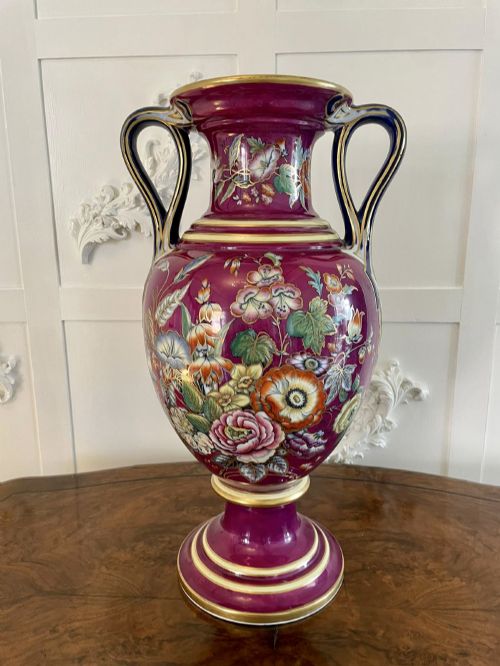
These antique floral pedestal vase pieces bring classical elevation and painted botanical detail to a room.
Antique Floral Pedestal Vase
An antique floral pedestal vase elevates botanical decoration upon a raised foot or column, drawing the eye upward within a room. Collectors searching this phrase encounter nineteenth century porcelain and ceramic vessels, alongside marble top stands intended to support them.
The selection ranges from Staffordshire porcelaneous urns and Meissen porcelain to blush ivory pieces by Royal Worcester and Carlton Ware. Formats extend from twin handled vases and beaker forms to ewers and pot pourri vessels.
Origins span British potteries, continental European manufacturers, and Chinese export workshops. Many examples incorporate classical revival motifs, Chinoiserie details, or neoclassical styling upon their raised pedestals.
How they were made
Makers utilised porcelain, ceramic, and glass as the primary bodies for these vessels, shaping them on wheels or casting them in moulds. Artisans applied hand painted floral motifs directly onto the ceramic surface, frequently complemented by gilding or gold leaf highlights.
Pedestals and associated stands often combine hardwood, marble, and brass elements. Cloisonné enamel pieces employ wired metal compartments filled with coloured enamel pastes, fired to create intricate surface patterns.
Three dolphins bravely hold up the base of one Victorian beaker form vase, proving that marine life makes an unexpectedly sturdy pedestal.
What varies in quality
The refinement of the painted botanical decoration distinguishes finer examples from standard production. Crispness in moulded relief work and the precision of applied gilding demonstrate superior craftsmanship.
The choice of materials dictates the standing of the piece, particularly where finely turned hardwood or fitted marble tops meet high grade porcelain bodies. Integrity across the joinery of a pedestal base and the body of the vase governs overall execution.
Royal Worcester·W&R Carlton Ware·Meissen·Ulisse Cantagalli·Doulton Burslem·Hadley and Sons Worcester·Royal Crown Derby·Eichwald
The Antique Floral Pedestal Vase Glossary
- Blush ivory
- A soft cream ceramic ground developed by Victorian potteries, often decorated with delicate floral sprays and tinted with pastel tones. This finish became a signature of late nineteenth century British porcelain production.
- Ewer
- A large jug with a wide spout and a looped handle, traditionally used for holding water but frequently produced purely for decorative display. Many antique examples sit upon an elevated pedestal base.
- Porcelaneous
- A ceramic material that shares the hard, dense, and semi translucent qualities of true porcelain without meeting every strict technical definition. Staffordshire makers frequently utilised this durable body for large decorative vases.
- Cloisonne
- A decorative metalwork technique where thin wires are soldered to a base to form cells, which are then filled with coloured enamel. The piece is fired and polished to create a smooth, patterned surface.
- Jardiniere
- A large ornamental pot or stand designed to hold plants or floral arrangements. In antique furnishings, these often take the form of raised wooden or marble topped tables.
Antique Floral Pedestal Vase: Frequently Asked Questions
How do I display a pedestal vase?
Place a pedestal vase on a dedicated plant stand, side table, or mantelpiece where its elevated height can be fully appreciated. Ensure the surrounding space remains uncluttered to let the form and painted details stand out.
Pairing a tall vase with a matching marble top stand creates a balanced display. Position the piece away from heavy footfall to protect delicate handles and raised gilt decoration.
Were these vases used for fresh flowers?
Many nineteenth century pedestal vases and ewers served primarily as decorative garniture rather than functional vessels for water. Elaborate gilding and delicate ceramic bodies meant they were intended as permanent mantel or cabinet ornaments.
Pot pourri variants included fitted lids with pierced designs to release dried botanical scents into a room. When water is used in antique ceramic vessels, a protective internal liner is often recommended to preserve the glaze.
How do I identify the period of a vase?
Examine the base of the ceramic body for maker marks, registration numbers, or impressed factory stamps. Stylistic clues such as blush ivory grounds, Art Nouveau curves, or neoclassical revival motifs help narrow down the date of manufacture.
Compare the weight and glaze characteristics against known production periods of factories like Royal Worcester or Meissen. The presence of hand painted signatures often points towards specific late Victorian or Edwardian decades.