




Black Glass Flower Vase
These pieces of black glass flower vase design offer striking geometric silhouettes and deep opaque colour from the early twentieth century.
Black Glass Flower Vase
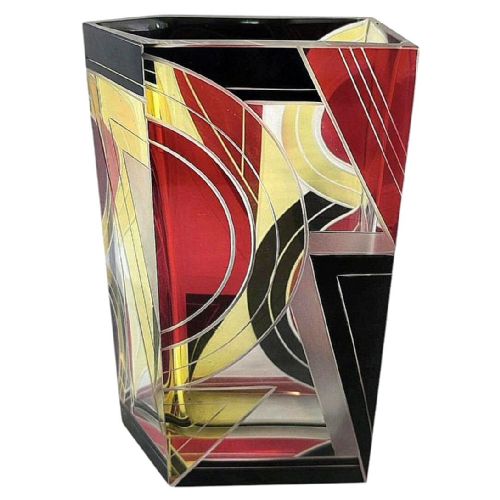
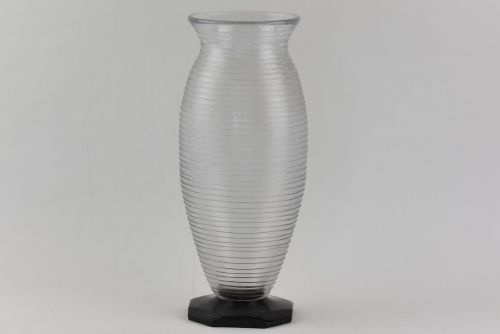
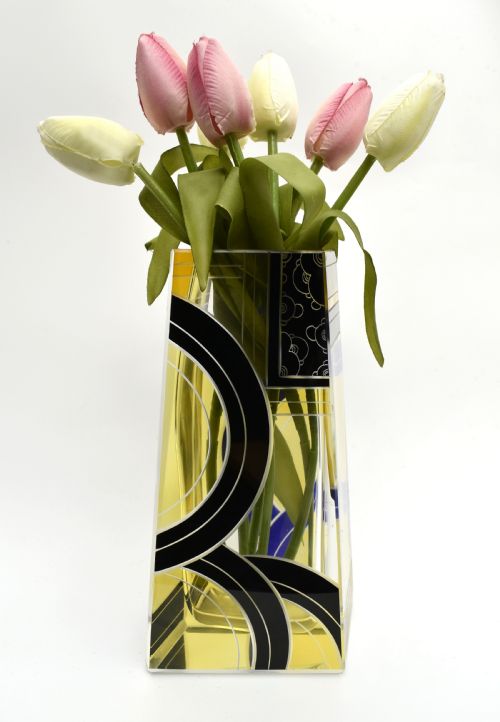
A black glass flower vase brings a dramatic, light-absorbing presence to a room, drawing the eye directly to its dark silhouette. When you search for a black glass flower vase, you encounter pieces primarily from the Art Deco period of the nineteen-thirties alongside earlier oil paintings depicting floral arrangements. These objects combine utilitarian function with the bold aesthetic movements of their respective eras, ranging from monumental tall vessels to square profiles.
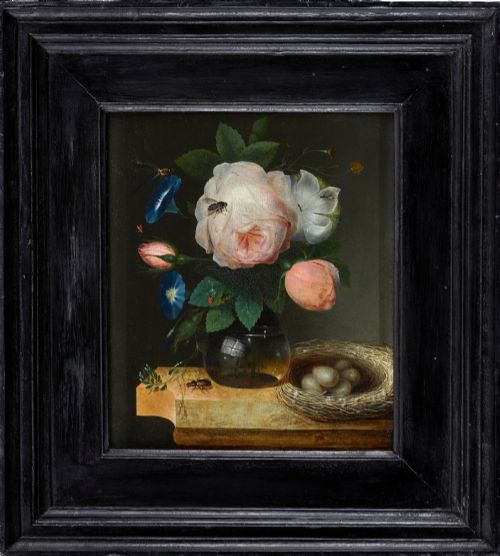
The majority of the vessels available on this page originate from twentieth-century makers utilising opaque and hyalite glass techniques. Alongside sculptural glassware, the selection includes seventeenth-century Flemish Baroque oil paintings capturing glass vessels filled with roses. This mix provides both the physical objects themselves and historical artistic representations of them.
How they were made
The physical objects rely on glass, blown glass, and opaque formulations such as hyalite glass to achieve their deep colouration. Makers shaped these materials through blowing and moulding before applying surface decoration.
Surface details often involve enamel, oil paint, and acid-etched or standard etching techniques. These decorative layers introduce contrasting geometric patterns and floral motifs across the dark surfaces of the glass.
The listings span from seventeenth-century oil painting on canvas to nineteen-thirties Czech glass production.
What varies in quality
Quality rests upon the precision of the surface decoration and the depth of the glass material itself. Pieces featuring carefully applied enamel and sharp, intricate etching display a higher level of artisan skill than simpler, undecorated vessels.
The integration of form and ornament dictates the sophistication of each piece. Well-executed geometric designs and balanced proportions separate standard production items from the finer examples produced by notable makers.
Karl Palda·Paul Heller·Booms glass·Daum·Gaspar Peeter Verbruggen
The Black Glass Flower Vase Glossary
- Hyalite glass
- An opaque black or red glass developed in the nineteenth century and utilised for decorative vessels. It mimics the appearance of polished stone.
- Acid-etched glass
- A technique where hydrofluoric acid eats into the surface of the glass to create frosted designs or patterns. This method allows for precise control over decorative lines.
- Art Deco
- A design style of the nineteen-twenties and nineteen-thirties characterised by streamlined forms, geometric shapes, and modern materials. It heavily influenced European glass production.
- Flemish Baroque
- An artistic movement from the seventeenth century known for rich detail, dramatic lighting, and vibrant oil paintings. Works from this period frequently depict elaborate still life arrangements.
Black Glass Flower Vase: Frequently Asked Questions
Are these glass vases safe to hold water?
Most of these historic vessels were designed to hold flowers and water, though the presence of delicate enamel or acid-etched decoration warrants careful handling during cleaning.
For seventeenth-century oil paintings, water is obviously absent, as the canvas simply depicts the vessel and its botanical contents.
How do I identify an Art Deco vase?
Art Deco vessels typically exhibit strict geometric lines, stylized motifs, and strong contrasts between the dark glass body and the enamel decoration.
Production dates generally cluster around the nineteen-thirties, reflecting the modernist aesthetics of that era.
What is hyalite glass?
Hyalite is an opaque glass variety that presents a dense, glossy black finish resembling obsidian or polished jet.
It forms the solid foundation for many twentieth-century decorative pieces on this page.
How should I clean an enamelled glass vase?
Gentle dusting and lukewarm water without harsh detergents protect the delicate enamel and etched surfaces found on these twentieth-century pieces.
Harsh scrubbing can damage the historical pigments applied to the exterior.