




Vintage Belgian Art Glass
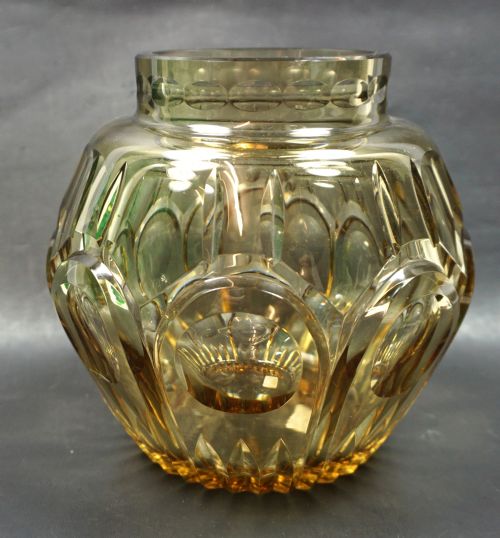
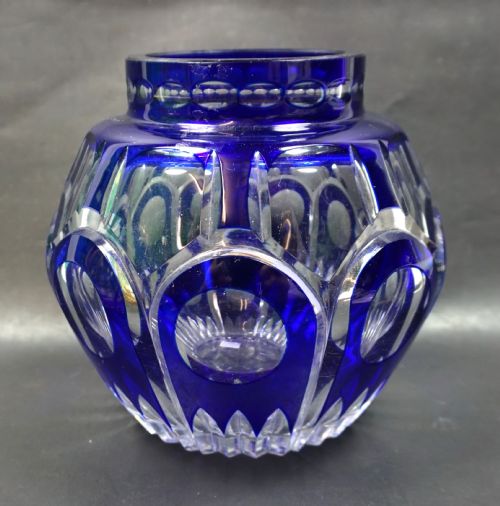
Vintage belgian art glass brings together striking cased forms and vibrant colours, offering a masterclass in early twentieth-century design.
Vintage Belgian Art Glass
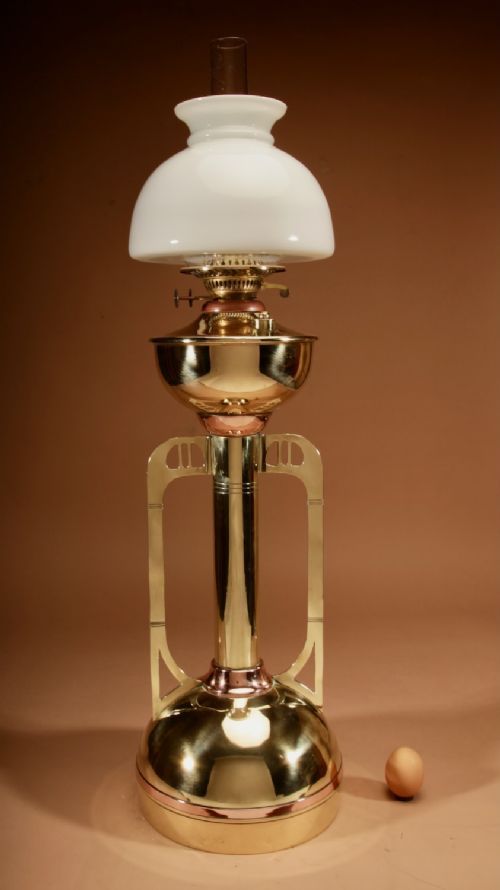
When you search for vintage belgian art glass, you encounter pieces spanning from the late Victorian era through the vibrant Art Deco period. The selection on this page leans heavily towards the influential Val Saint Lambert factory, alongside notable contributions from Booms glass and metalwork by Gustave Serrurier Bovy.
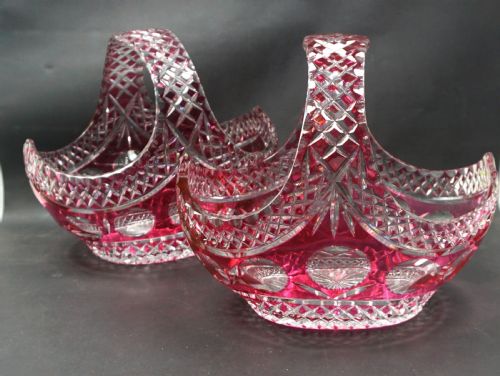
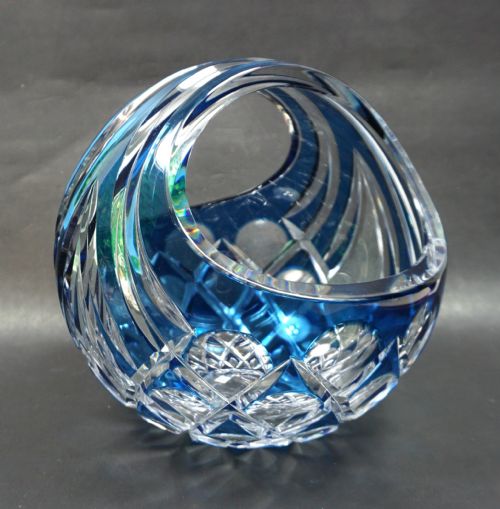
The forms vary widely, ranging from large cased glass baskets and vibrant vases to decorative bowls, liquor services, and even a brass and copper table lamp. These objects demonstrate the technical ambition of Belgian workshops across the decades, encompassing Secessionist lines as well as geometric Art Deco designs.
How they were made
The making of these pieces relies heavily on cased glass and overlay techniques, where layers of coloured glass are fused over a crystal base. This method allows artisans to cut through the exterior layer to reveal contrasting colours beneath, creating depth and luminosity.
Makers also utilised lead crystal and hyalite glass, shaping them into distinctive vases, bowls, and baskets. Metal elements in lighting and accessories combine brass and copper with glass components, demonstrating integrated craft techniques.
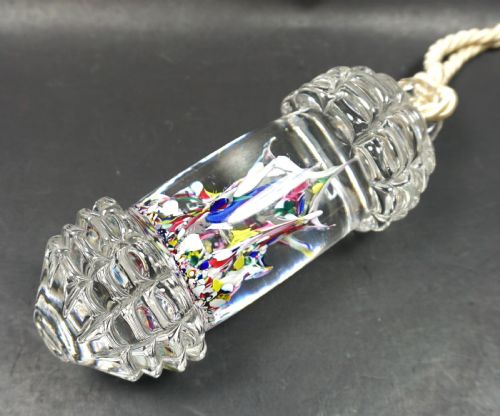
Even a humble bell pull receives the full artistic treatment, rendered in heavy glass for an unusually tactile summons.
What varies in quality
Quality in these glass works rests on the depth of the colour overlay and the precision of the cut surfaces. Pieces designed by named figures like Charles Graffart or Joseph Simon often display superior control over the cased layers and form.
The presence of original factory marks, such as specific Art Deco stamps, distinguishes standard production from more significant factory outputs. The crispness of execution in both the glassblowing and any mounted metalwork dictates the overall standing of an object.
Gustave Serrurier Bovy·Val St Lambert·Joseph Simon·Charles Graffart·Paul Heller·Booms glass
The Vintage Belgian Art Glass Glossary
- Cased glass
- Glass made with multiple distinct layers of different colours, often clear crystal cased in a vibrant hue. This technique creates rich optical effects when the surface is cut or polished.
- Overlay glass
- A form of cased glass where a coloured outer layer covers a clear or contrasting inner layer. Artisans cut away sections of the outer layer to expose the base glass beneath.
- Lead crystal
- A heavy, brilliant form of glass containing lead oxide, which increases clarity and refractive index. It provides the substantial weight and resonance found in finer decorative bowls and vases.
- Hyalite glass
- An opaque black or coloured glass developed to imitate hardstones and ceramics. It forms a striking canvas for minimalist twentieth-century vessel designs.
- Secessionist
- An early twentieth-century design movement focusing on geometric simplification and rejection of historicism. It bridges Victorian ornamentation and clean Art Deco lines.
Vintage Belgian Art Glass: Frequently Asked Questions
What periods do these pieces cover?
The available selection spans from the late Victorian era through the Secessionist movement and into the 1930s Art Deco period. These dates reflect the changing aesthetic priorities of Belgian workshops over several decades.
Most items originate from the interwar years, capturing the distinct modernist shift in European decorative arts.
How do I identify Val Saint Lambert glass?
Look for heavy cased or overlay crystal structures, often featuring vibrant outer layers in blue, green, or red cut back to clear crystal. Certain pieces also bear period factory marks from the 1930s.
Specific designs can be attributed to prominent designers associated with the firm, such as Charles Graffart and Joseph Simon.
What is cased glass?
Cased glass consists of two or more distinct layers of glass fused together during the blowing process. This method allows makers to combine a clear crystal core with a brightly coloured exterior layer.
Artists then cut through the outer layer to create dramatic contrast and pattern.
How were these objects used originally?
Vases and decorative baskets served as focal points for floral arrangements or as standalone display items in sophisticated interwar interiors. Table lamps and liquor services provided both functional utility and modern decorative styling.
Unusual items like glass bell pulls indicate the broad application of decorative glass in period domestic architecture.
Are all the items made of glass?
While the majority of the selection consists of lead crystal and cased glassware, some pieces incorporate other materials. Notable examples include metalwork items pairing glass with brass and copper components.
Cords also appear as original operational elements on hanging or wall-mounted accessories like bell pulls.