





Turn of Century Ceramics
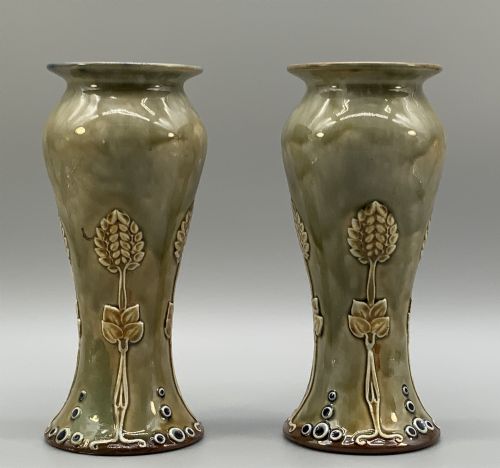
Turn of century ceramics bring together sweeping plant forms and glazed earthenware bodies that define the distinct aesthetic of the era.
Turn of Century Ceramics
Turn of century ceramics encompass vases, figures, and sculptural vessels dating predominantly from the late nineteenth and early twentieth centuries. These objects reflect the flowing lines and organic motifs that characterise the period, particularly the dominant Art Nouveau style.
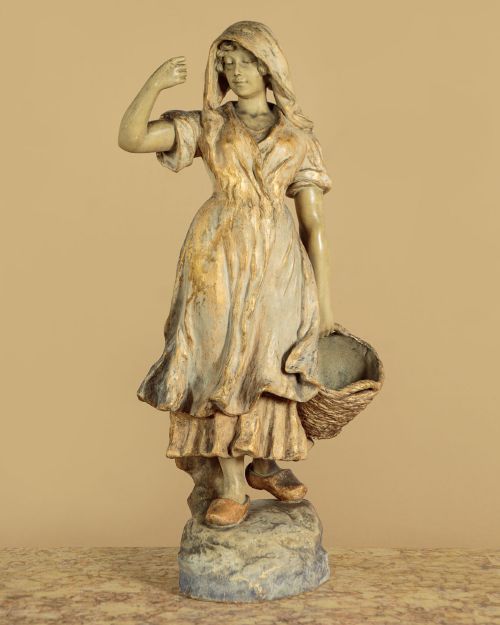
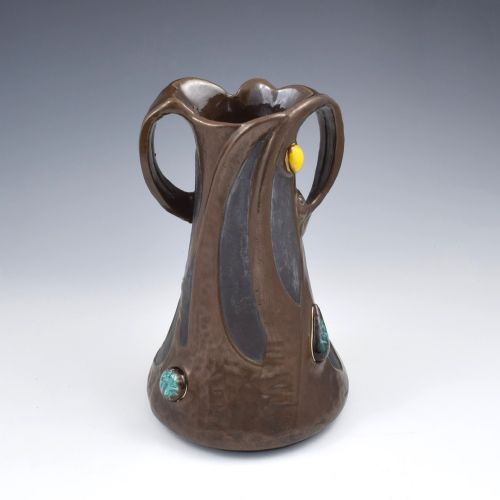
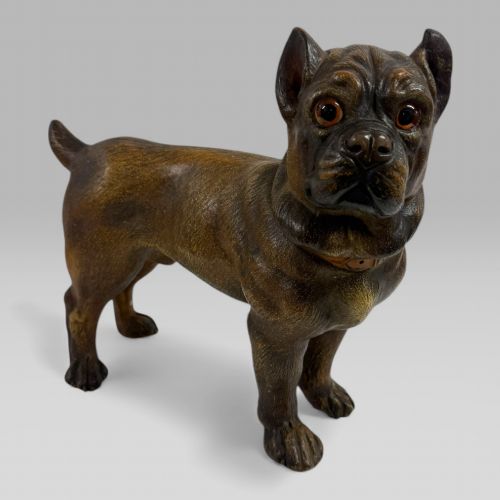
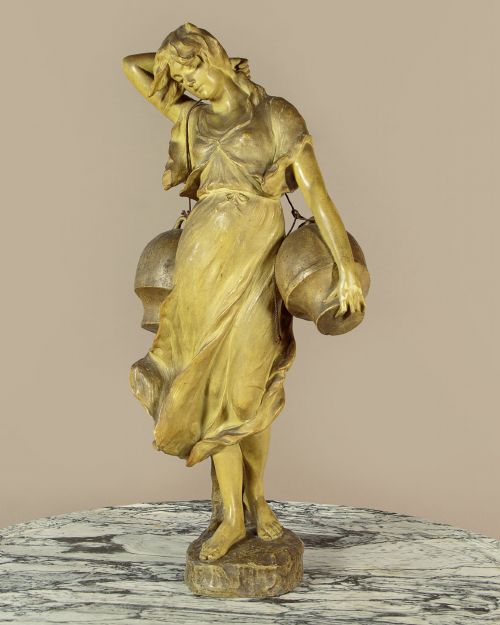
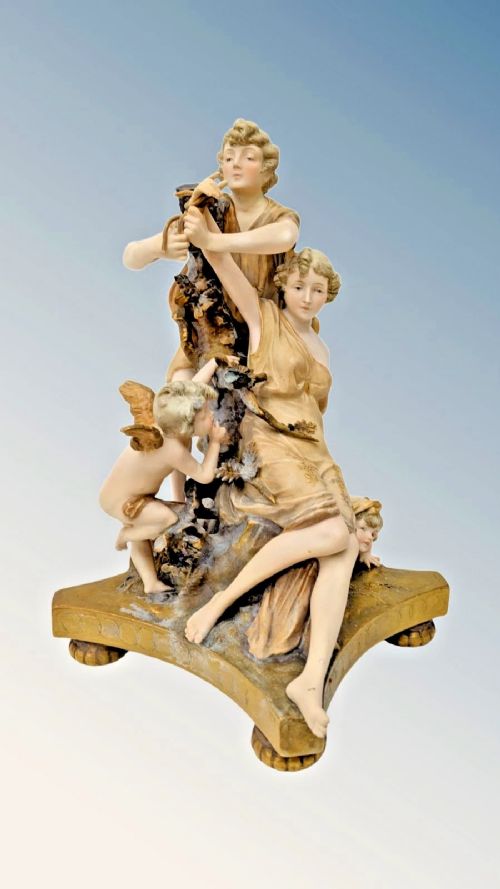
The pieces on this page lean heavily towards decorative stoneware and earthenware vessels, alongside terracotta figures and sculptural groups. Forms span from handled vases and spill vases to large decorative chargers and figural representations of human and animal subjects.
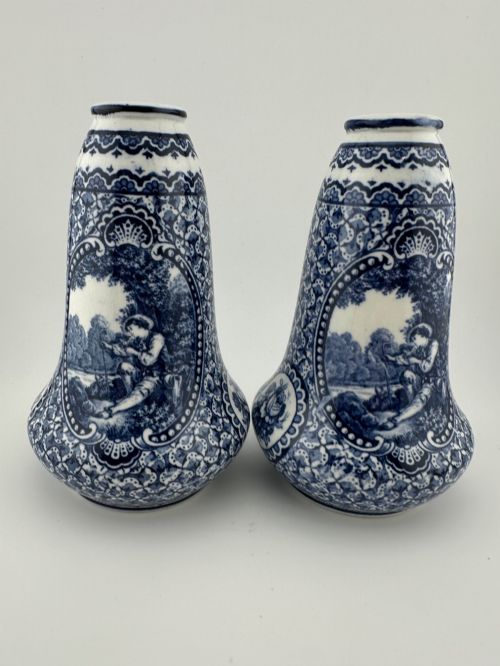
Origins stretch across European workshops, with significant representation from Austrian, Hungarian, and English potteries. Buyers encounter distinct regional interpretations, from metallic lustre glazes to crisp blue and white patterns on porcelain bodies.
How they were made
Makers utilised ceramic, terracotta, and porcelain as the primary foundational bodies for these sculptural and utilitarian forms. Artisans shaped these materials through throwing, moulding, and casting to achieve complex botanical contours and figural details.
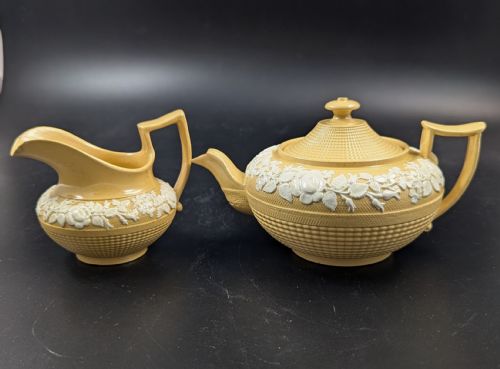
Decoration relied heavily on specialised glazes, including copper effects, Persian lustre, and blue and white paintwork. Workshops frequently applied applied elements such as jewelled cabochons or moulded relief patterns directly onto the fired surfaces.
What varies in quality
The reputation of the producing pottery or studio heavily influences distinction. Pieces bearing clear workshop signatures or attributed to prominent modellers demonstrate greater artistic ambition in their execution.
Royal Bonn Franz Anton Mehlem·Goldscheider·Royal Doulton Lambeth·Zsolnay Pecs·Bretby Pottery·Ernst Wahliss·Wedgwood·Bernard Bloch
The Turn of Century Ceramics Glossary
- Terracotta
- A porous, unglazed or glazed fired clay body reddish-brown in colour. It served as a favoured medium for life-size animal sculptures and figural groups during this period.
- Stoneware
- A dense, hard ceramic fired at high temperatures until vitrified. This body resists moisture and forms durable vessels often enhanced with rich salt or metallic glazes.
- Lustre
- A metallic glaze technique that produces an iridescent, rainbow-like sheen on the ceramic surface. Zsolnay Pecs famously utilised this method to create shifting colour effects.
- Spill vase
- A small cylindrical vessel designed to hold thin wooden spills used for lighting candles or fires. These items frequently incorporated elaborate sculptural surrounds in the prevailing taste.
- Earthenware
- A lower-fired ceramic body that remains porous until coated with an impermeable glaze. It provided a versatile base for the brightly coloured pigments and moulded reliefs common in the era.
Turn of Century Ceramics: Frequently Asked Questions
What defines turn of century ceramics?
These pieces capture the transition from Victorian ornamentation to the flowing, organic lines of Art Nouveau. They include glazed stoneware, earthenware figures, and terracotta sculptures produced around nineteen hundred.
Makers embraced botanical motifs and experimental glazes, creating decorative objects that served as central aesthetic statements in homes of the period.
How do I identify Art Nouveau ceramics?
Look for asymmetrical designs inspired by plant stems, winding vines, and stylised human figures. The forms often feature whiplash curves and naturalistic contours rather than rigid geometric symmetry.
Glazes on these pieces frequently display iridescent sheens, metallic copper effects, or flowing colour gradients that mimic natural phenomena.
Where were these ceramics made?
Production centred across major European ceramic hubs, with significant output from Austrian, Hungarian, and English potteries. Factories in Vienna and Pécs achieved particular renown for their technical innovations in lustre glazes and large terracotta figures.
English manufacturers also contributed substantial stoneware and earthenware production, often blending traditional forms with contemporary stylistic influences.
How should I display terracotta sculptures?
Terracotta figures require stable indoor environments away from excessive moisture and direct sunlight to preserve the integrity of the fired clay body. Placing them on sturdy surfaces like side tables or dedicated stands allows the full three-dimensional form to be appreciated from multiple angles.
Dusting gently with a dry, soft cloth remains the best method for routine maintenance of unglazed or painted surfaces.