


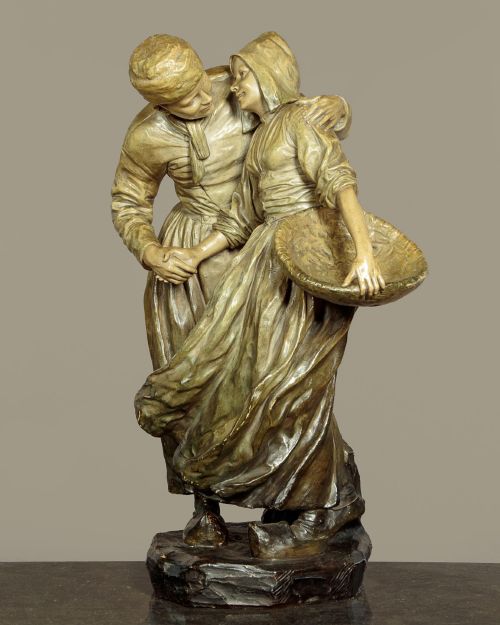

Antique Pottery Figurine
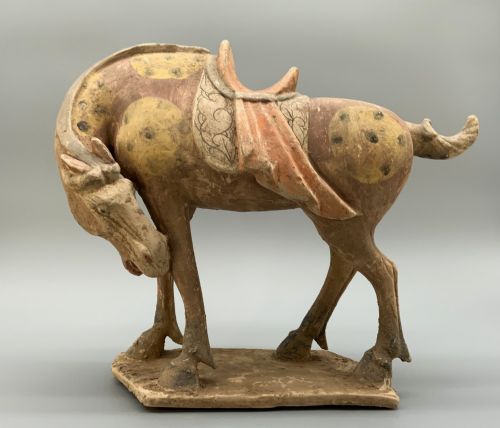
These antique pottery figurine examples span Victorian domestic subjects to Tang Dynasty pottery horses, offering enduring sculptural character for collectors.
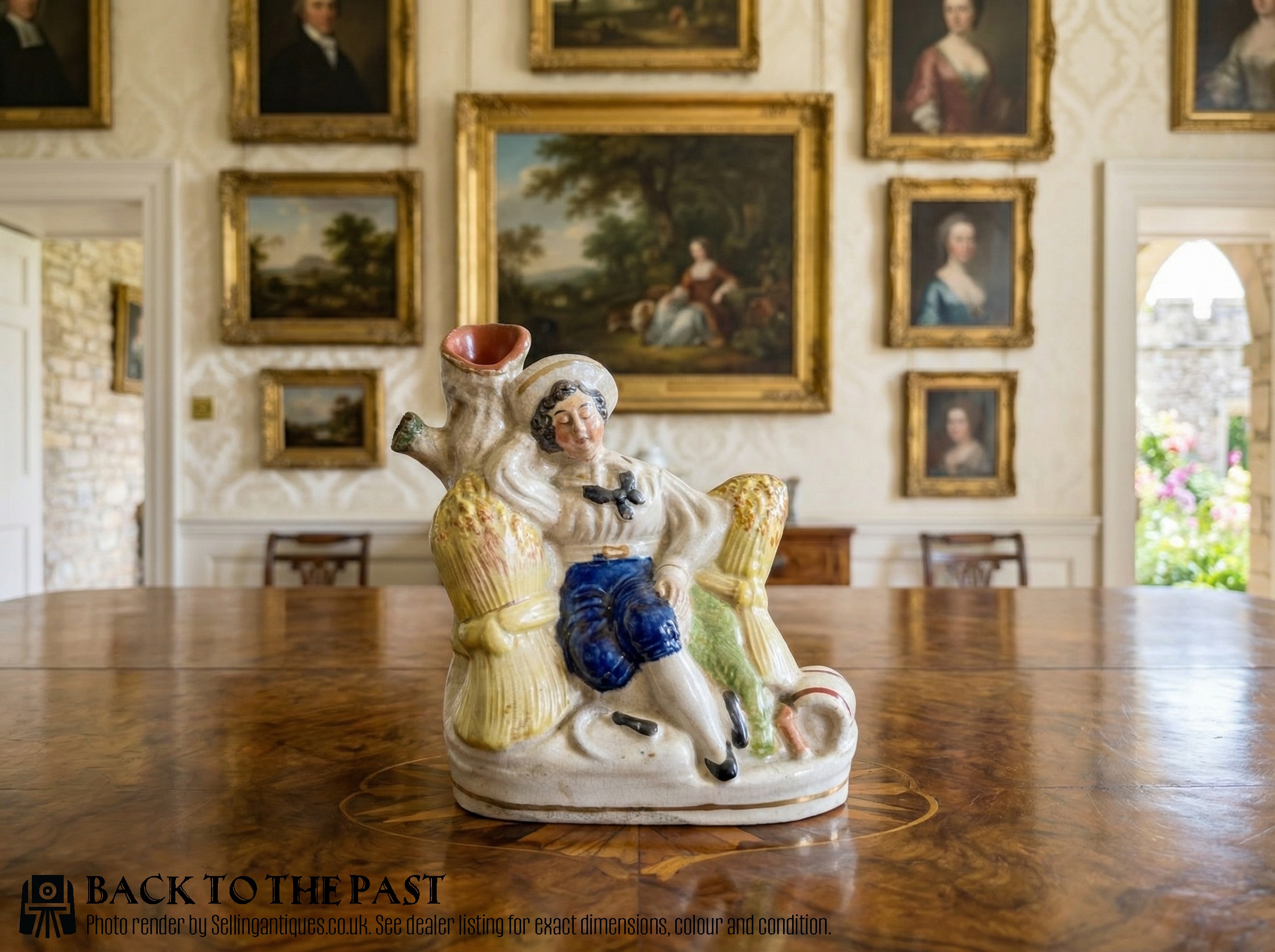
Antique Pottery Figurine
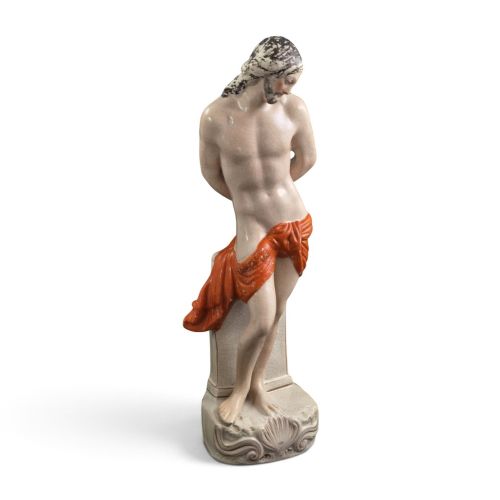
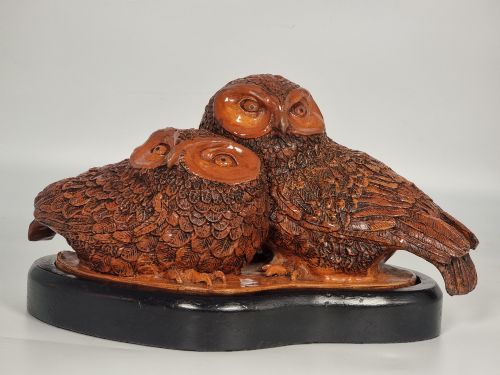
An antique pottery figurine encompasses sculptural ceramic objects produced across centuries, ranging from early Chinese export pieces to European earthenwares. When searching this phrase, collectors encounter diverse forms including portrait subjects, animals, and theatrical figures.
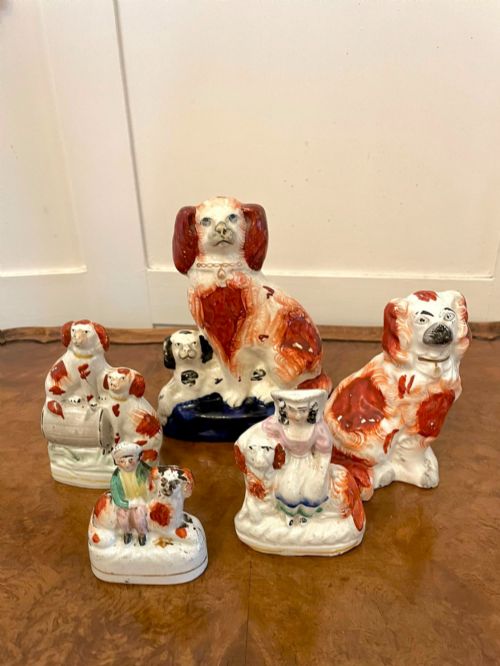
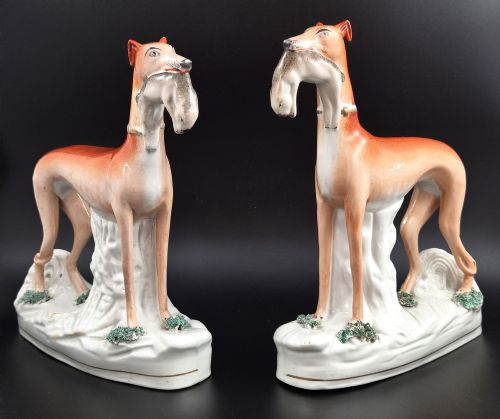
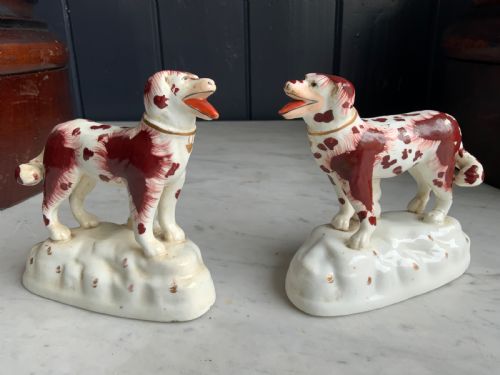
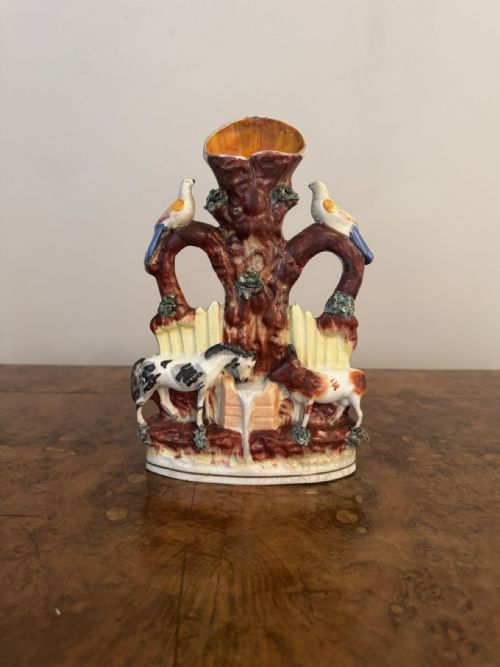
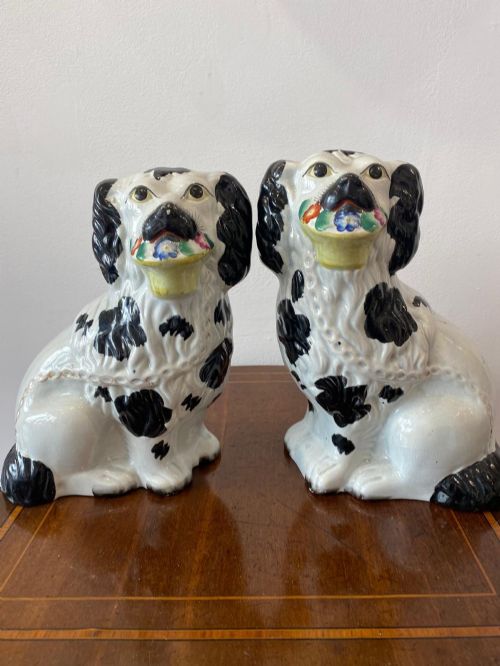
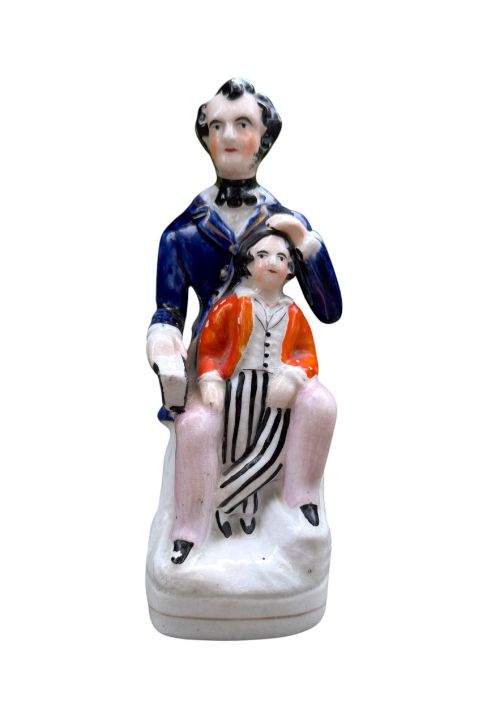
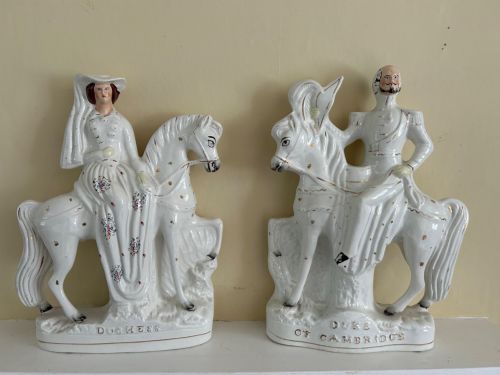
The most common variety met on this page is the Victorian Staffordshire figure, often shaped as seated dogs, historical personages, or pastoral pairs. These earthenware items reflect popular taste of the nineteenth century, modelled for mantelpieces and display cabinets.
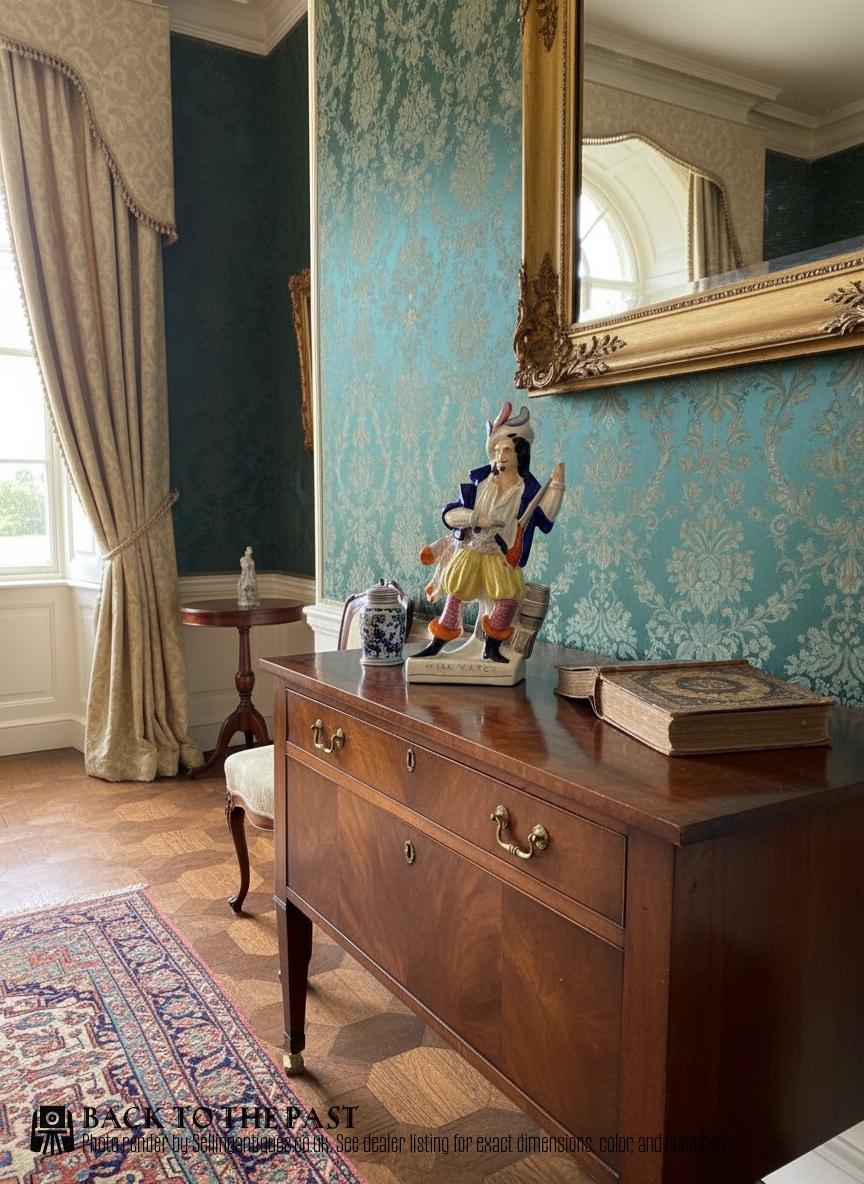
Distinctions in standard and execution
The sophistication of the original design influences the standing of a piece, distinguishing mass-produced utilitarian mantel ornaments from finely sculpted studio pottery and factory models.
Antique Pottery Figurine Retail Price Guide 2026
Typical asking prices for pottery figurine among the pieces listed under this phrase on Sellingantiques today, from the lower quarter to the upper quarter. They describe what is for sale here now, not the wider market.
Materials span earthenware, terracotta, stoneware, and porcelain alongside lead glazes and enamel finishes.
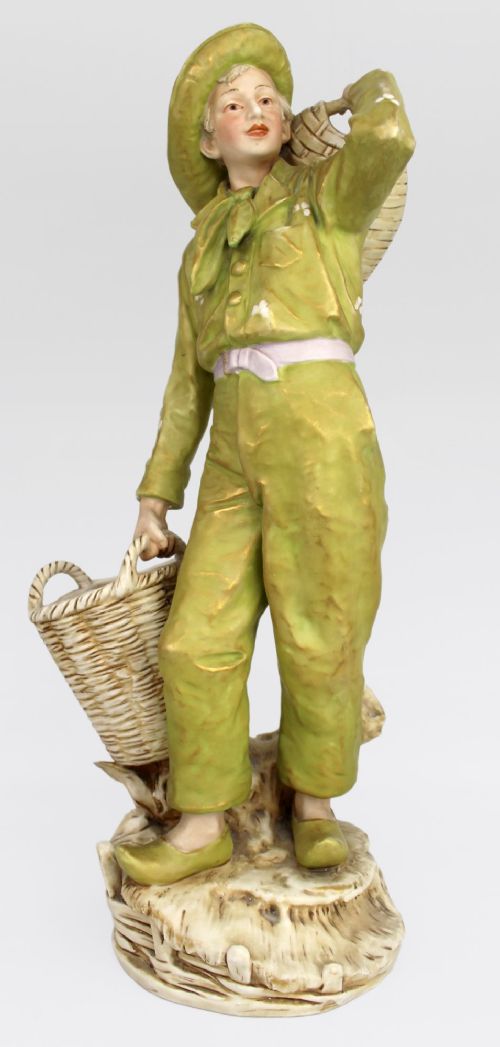
Royal Dux Bohemia·Goldscheider·Charles Vyse·Berthe Savigny·John Bevington·Royal Doulton
The Antique Pottery Figurine Glossary
- Earthenware
- A porous ceramic material fired at lower temperatures, commonly utilised for nineteenth-century figures and glazed with lead or enamel. This body requires complete sealing to prevent moisture absorption.
- Flatback
- A style of Staffordshire figure moulded with a finished front and a flat, unpainted reverse intended to face a wall. This construction saved materials and made the objects lighter for mantel placement.
- Spill vase
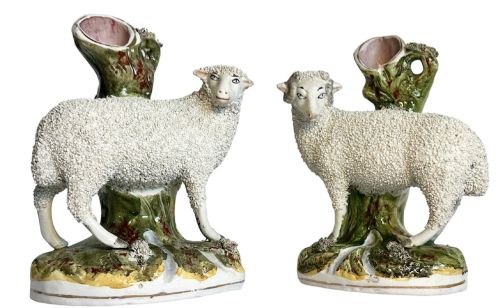
- A hollow pottery figure incorporating an attached cylinder designed to hold wooden spills for lighting candles or fires. These practical ceramic combinations frequently depict domestic animals or pastoral scenes.
- Okimono
- A Japanese decorative carving or sculptural figure displayed in traditional interiors. These ceramic and porcelain objects exhibit intricate detailing associated with specific Asian periods.
- Pearlware
- A refined form of earthenware developed in the late eighteenth century featuring a subtle bluish glaze over a white body. It bridged the transition between creamware and later porcelain bodies.
Antique Pottery Figurine: Frequently Asked Questions
What are antique pottery figurines?
These items are three-dimensional ceramic sculptures shaped from clay, earthenware, or porcelain, portraying humans, animals, and allegorical subjects. They served decorative functions in homes across various historical periods.
Craftsmen formed them using moulds or by hand before applying glazes and enamel colours. Their survival offers a tangible record of past aesthetic preferences and manufacturing techniques.
How were Staffordshire figures used?
Staffordshire figures functioned primarily as ornamental items displayed on mantelpieces, chests of drawers, and side tables within nineteenth-century homes. Their flat backs allowed them to sit flush against interior walls.
Certain variations combined decoration with utility, such as spill vases holding tapers or tobacco jars disguised as theatrical characters. They brought colour and narrative elements into domestic sitting rooms.
How do I date an antique pottery figure?
Dating relies on examining the ceramic body, glaze composition, painting style, and any impressed marks or titles on the base. Victorian pieces often feature hand-painted titles or primitive press-moulded seams.
Comparing the subject matter to historical events, such as the Crimean War or contemporary theatrical productions, provides a reliable window of production. Early pieces exhibit heavier earthenware bases and distinct crazing within the glaze.
How should I clean my pottery figurine?
Dusting requires a soft, dry brush to remove particulate matter from intricate crevices without disturbing fragile enamel surfaces. Water and harsh chemical cleaning agents should be avoided on unglazed or porous earthenware.
Displaying figures away from direct sunlight protects vulnerable overglaze enamels from fading over time. Stable shelf placement prevents accidental tipping and subsequent breakage of protruding ceramic elements.