

Antique Porcelain Bowl
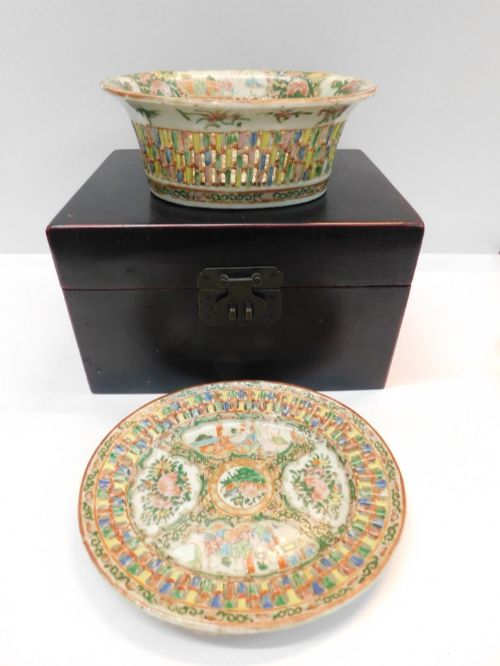
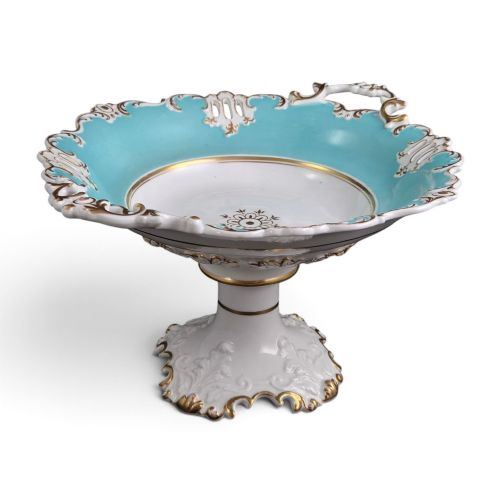
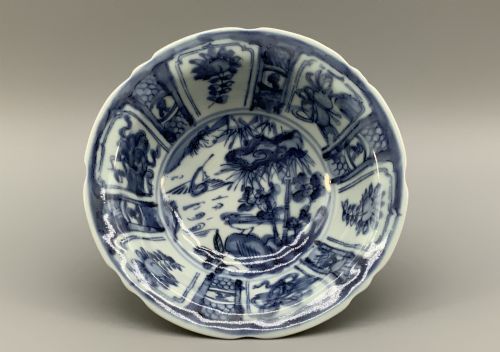
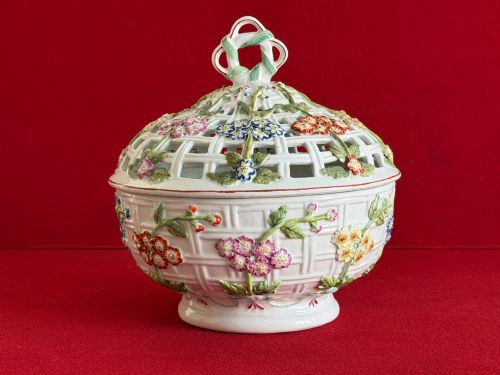
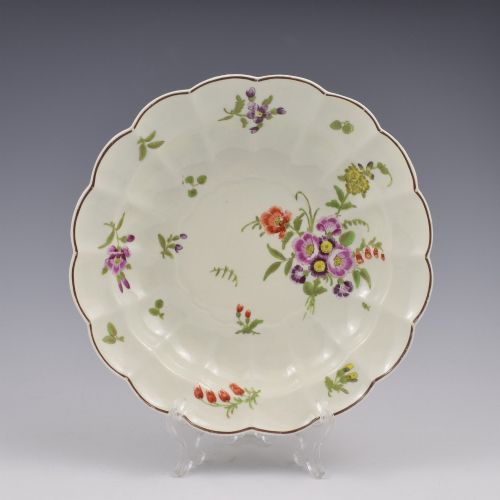
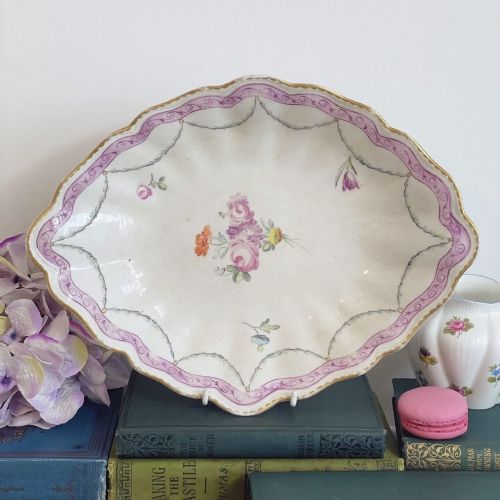
When you search for an antique porcelain bowl, you are looking at decorative and table vessels shaped from fine ceramic materials during the nineteenth and early twentieth centuries.
Antique Porcelain Bowl
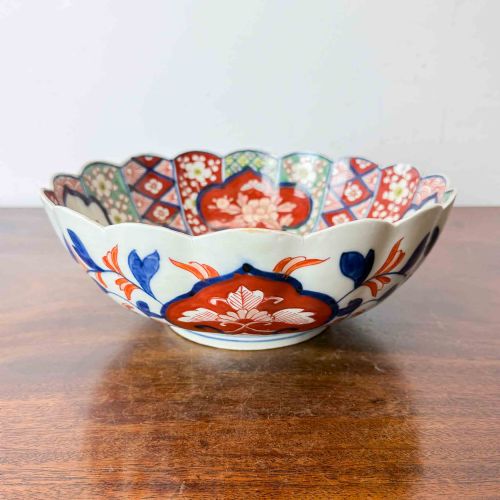
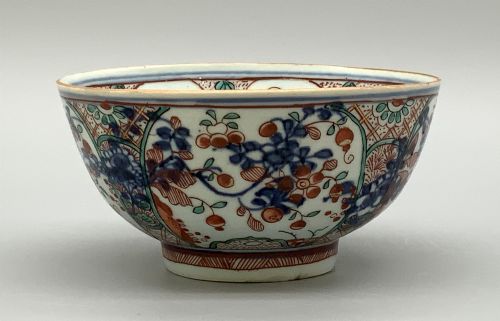
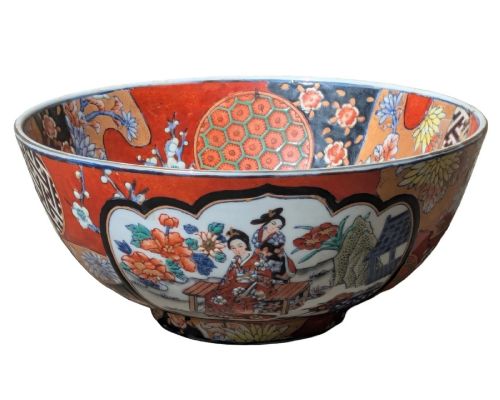
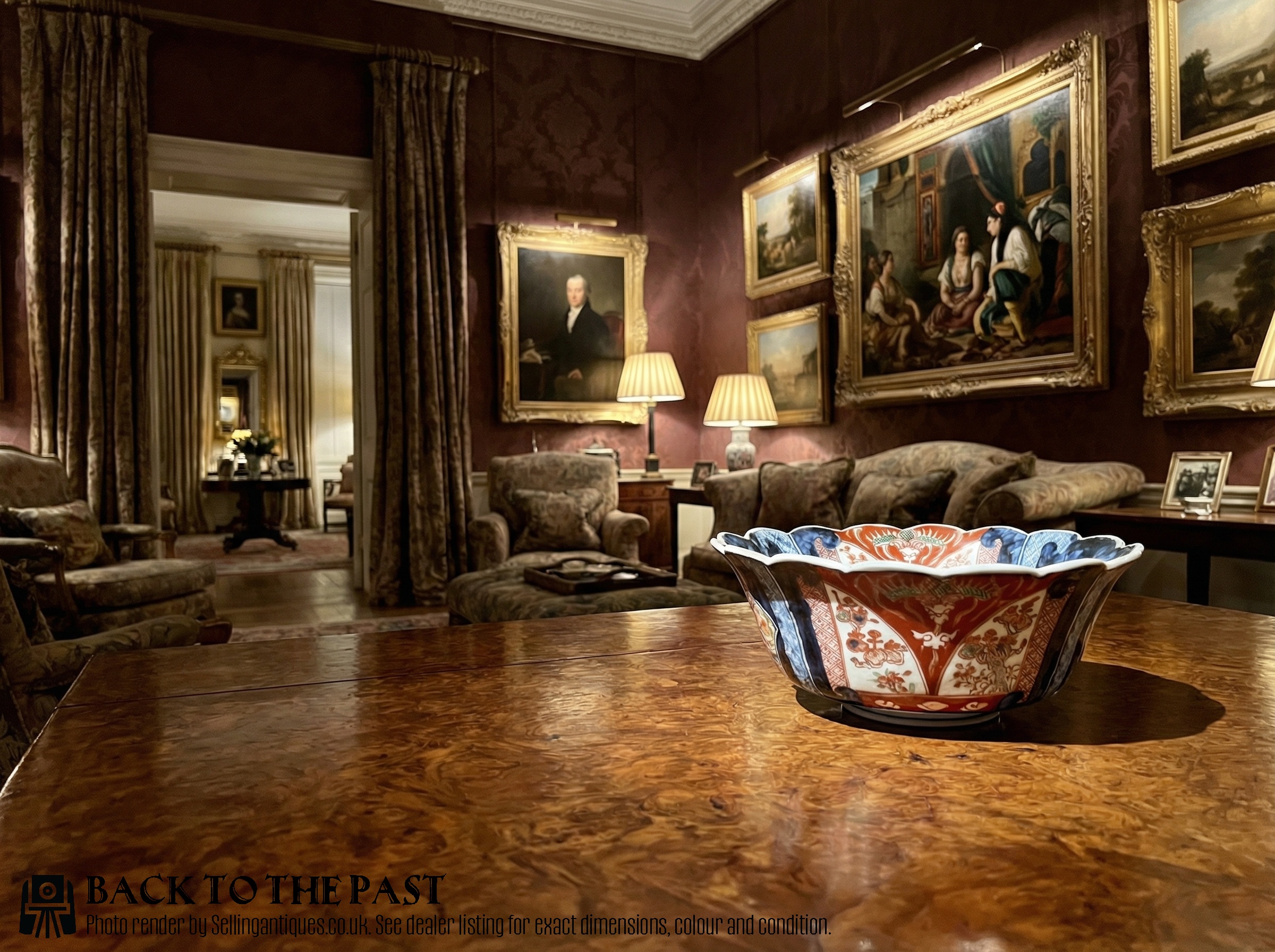
The selections recorded on this page bridge multiple aesthetic movements, including Art Deco, Art Nouveau, and traditional Japanese Imari patterns. Pieces span from the Victorian era and the Meiji period through to the 1910s, reflecting global trade and diverse domestic tastes.
Vessels include specialised decorative bowls, lidded dragon bowls, and soup dishes. Makers and potteries represented across the archive and current listings include Wedgwood, Grainger and Co Royal Worcester, Samson, Berlin, and Royal Dux.
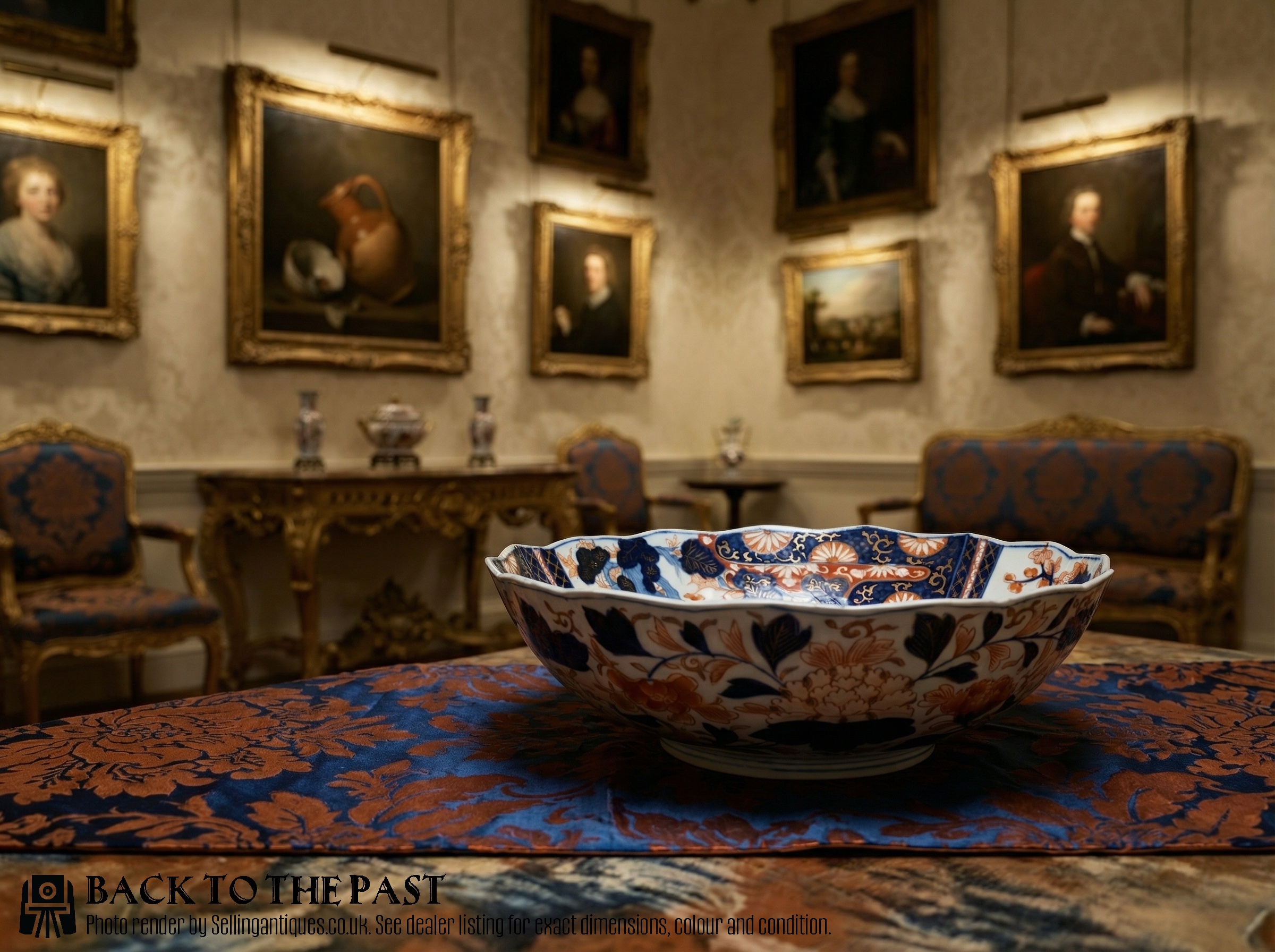
Materials and production
These items are formed from porcelain and bone china, materials known for their fine grain and durability. Makers refined these clays to create thin-walled vessels capable of holding delicate painted details.
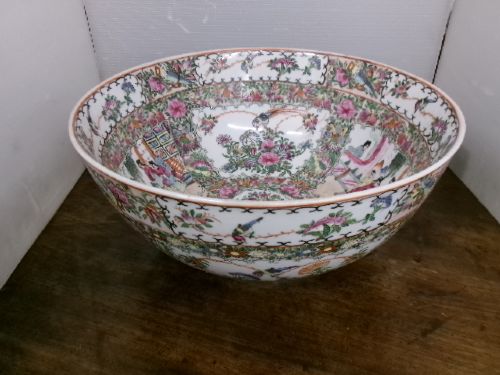
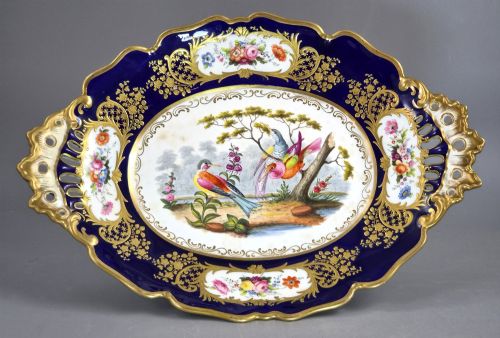
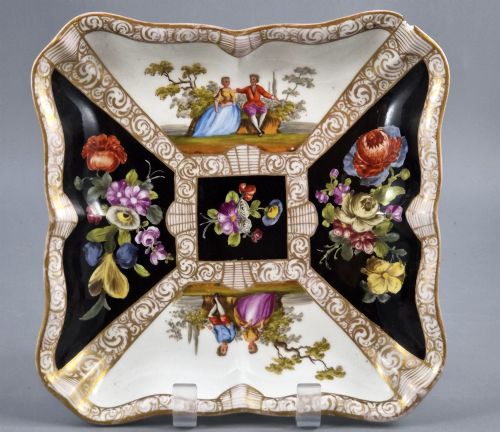
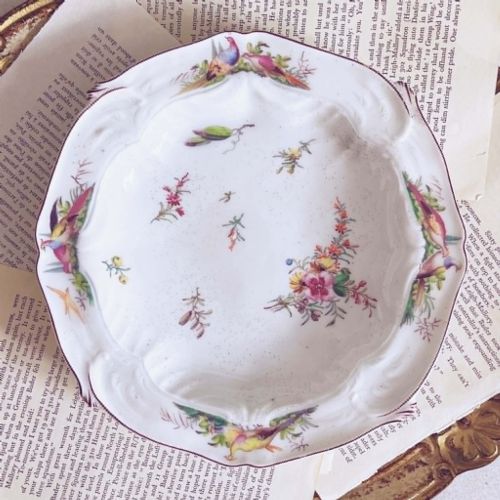
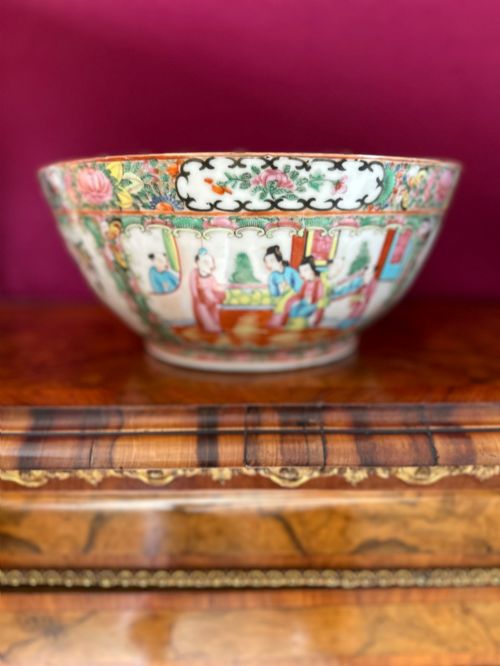
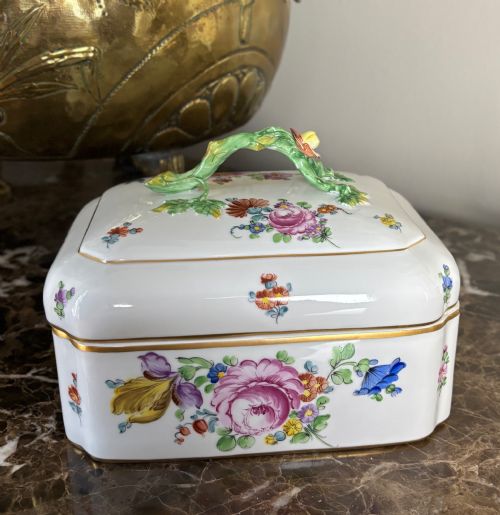
Surface decoration frequently incorporates enamel, glaze, and gilding, alongside applied gold leaf. Skilled artisans utilised hand-painting techniques to render intricate motifs such as pheasants, butterflies, dragons, and floral palettes.
Mounts and hardware made from ormolu were sometimes added to French centre bowls to provide structural stability and ornamental contrast. Firing processes fixed vibrant colours and metallic accents into the glaze permanently.
Antique Porcelain Bowl Retail Price Guide 2026
Typical asking prices for porcelain bowl among the pieces listed under this phrase on Sellingantiques today, from the lower quarter to the upper quarter. They describe what is for sale here now, not the wider market.
Some bowls feature hand-painted dragons and pheasants that have watched over dining tables for well over a century without uttering a single word.
Variations in quality
The distinction between standard domestic items and high-end artistic examples rests upon the precision of the hand-painted decoration and the complexity of the glaze work. Pieces featuring signed designs by notable ceramic artists display superior artistic ambition.
The integration of precious materials like gold leaf and the application of specialist lustre finishes separate exceptional pieces from simpler utilitarian wares. The crispness of moulded edges, such as scallop-shaped rims, indicates the skill applied during the initial forming stage.
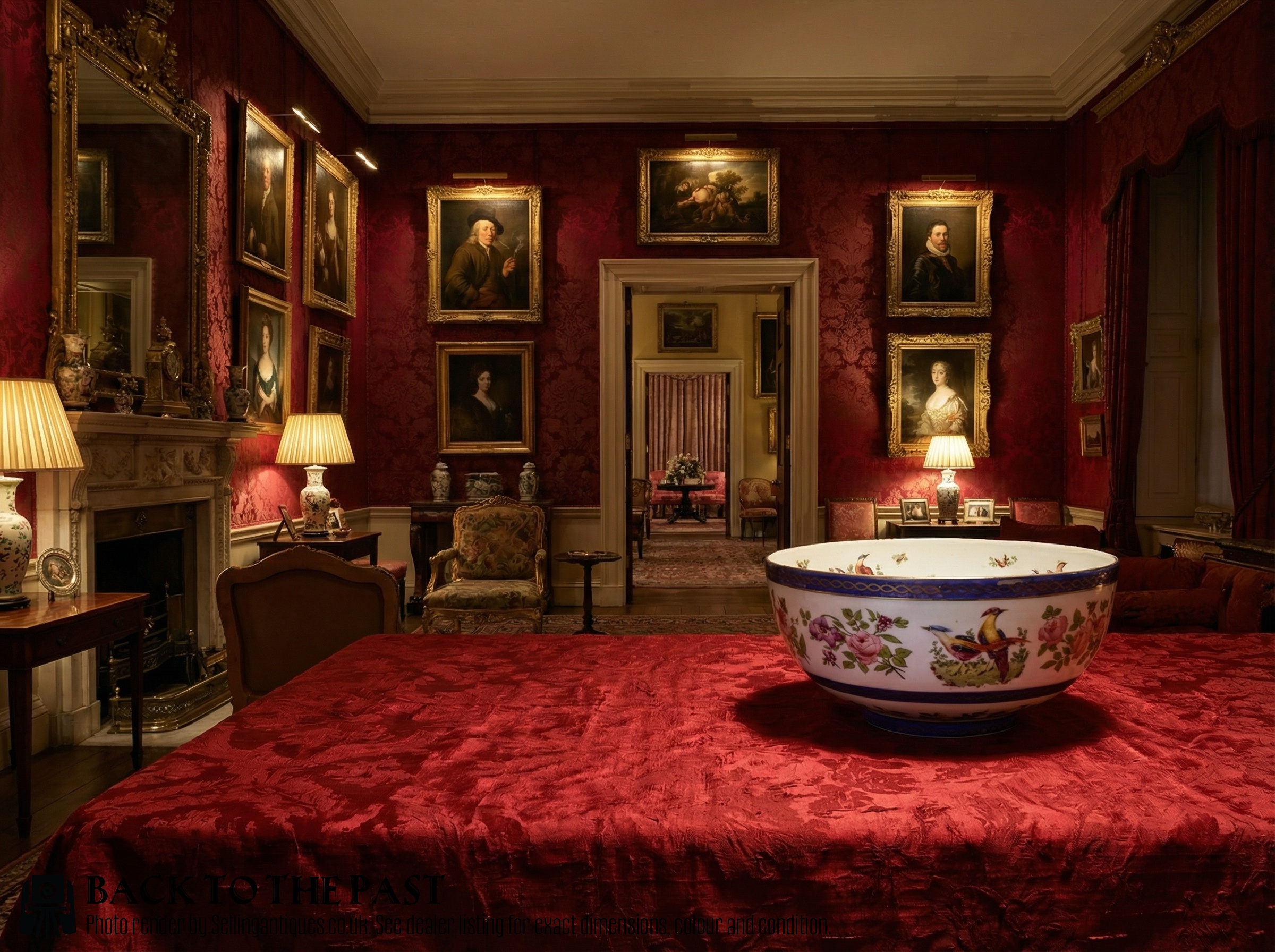
Wedgwood·Royal Worcester·Grainger and Co·Samson·Royal Dux·Haviland·Sevres
The Antique Porcelain Bowl Glossary
- Porcelain
- A hard, fine-grained ceramic material fired at high temperatures to achieve a vitrified, non-porous body. It forms the primary base for the decorative bowls found in these collections.
- Bone China
- A type of porcelain incorporating bone ash for enhanced strength and a characteristic milky translucency. It appears frequently in pieces from the late nineteenth and early twentieth centuries.
- Imari
- A style of Japanese ceramic decoration featuring rich underglaze blue and overglaze iron red, gold, and green. This aesthetic was widely adopted and imitated by European potteries.
- Lustre
- A type of ceramic glaze containing metallic oxides that produce an iridescent, reflective surface sheen when fired. Wedgwood utilised this technique on artistic bowls.
- Ormolu
- Gilded bronze used for decorative mounts, handles, and feet on nineteenth-century European vessels. It adds a weighty architectural element to porcelain table pieces.
Antique Porcelain Bowl: Frequently Asked Questions
Can I use these bowls for serving food?
While many pieces originated as functional tableware, such as soup dishes or fruit bowls, older glazes and enamel decorations can contain sensitive components. Modern usage for serving acidic or wet foods is generally discouraged.
Utilise these vessels primarily for dry decorative display or occasional tabletop presentation to prevent cumulative wear to the historical surface decoration.
How do I identify the period of a porcelain bowl?
Examine the underside of the vessel for maker's marks, stamped ciphers, or registration numbers that correlate with manufacturer archives. Stylistic cues such as the vibrant metallic sheens of early twentieth-century lustre or the distinct motifs of the Meiji period also help determine age.
Compare the weight, translucency of the porcelain body, and painting style against documented examples from known potteries like Wedgwood or Royal Worcester.
What is the difference between porcelain and bone china?
Traditional porcelain relies on a mixture of kaolin and petuntse fired at extreme heat to create a dense, vitreous body. Bone china integrates animal bone ash into the ceramic paste, allowing for a thinner wall and a warmer, whiter appearance.
Both materials produce durable, resonant vessels, though bone china often allows for more delicate forms in nineteenth and twentieth-century production.