
Antique Pin Dish
An antique pin dish gathers small daily items with quiet utility, spanning delicate porcelain and heavy silver from the Victorian and Edwardian eras.
Antique Pin Dish
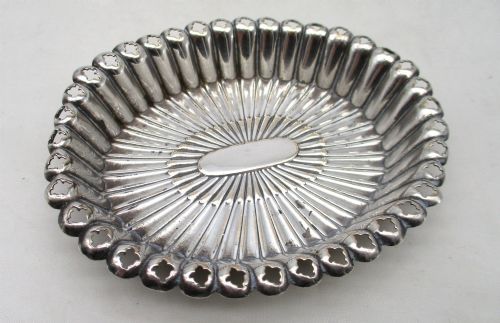
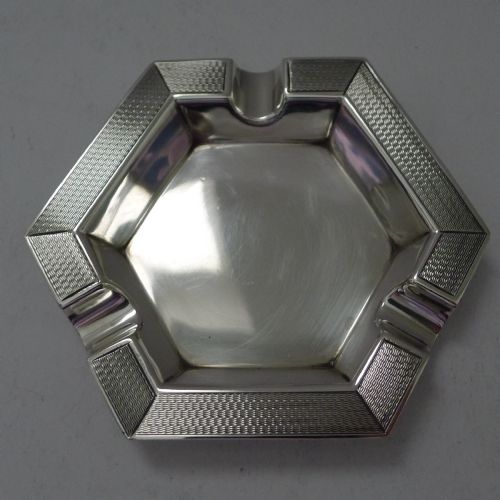
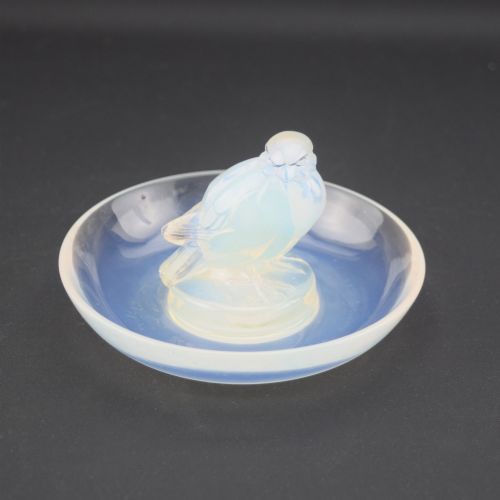
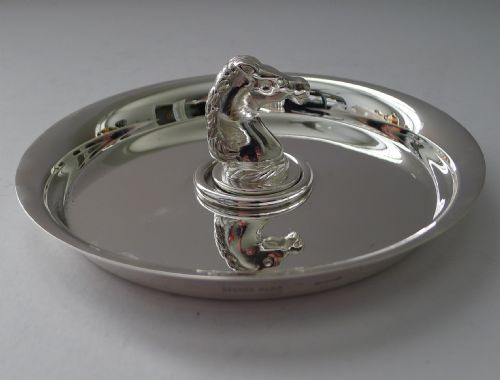
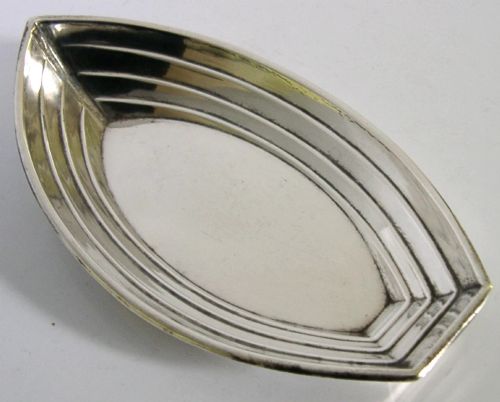
An antique pin dish serves as a small, shallow receptacle designed for dressing tables, desks and hallways to hold loose coins, pins, trinkets and calling cards. These items cross multiple forms including decorative trays, trinket dishes, small bowls and ashtrays produced across the nineteenth and twentieth centuries.
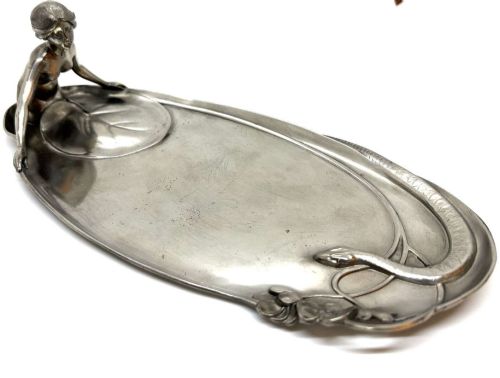
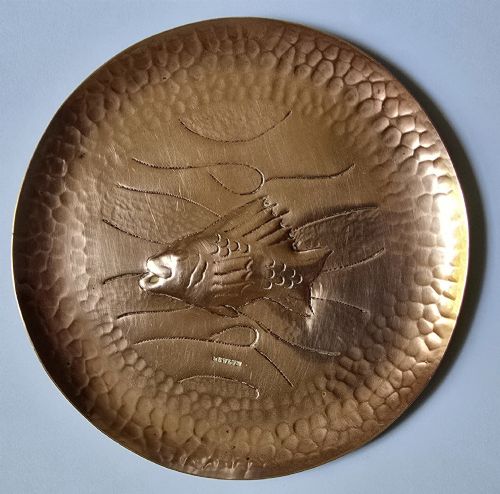
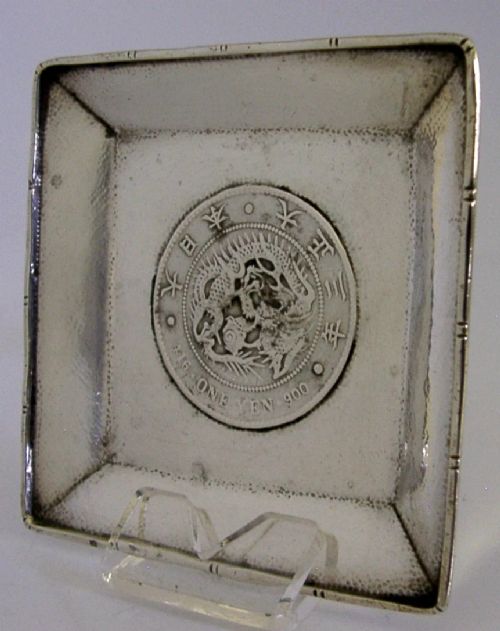
The selection frequently encounters solid sterling silver examples alongside porcelain, enamel, copper and pewter pieces. Origins span English workshops, European manufactories and Asian export traditions, reflecting varied domestic uses from the Georgian period through the Art Deco era.
Functional items of this scale cross paths with ornamental desk furniture and serving pieces adapted for personal use. Buyers discover both plain utilitarian vessels and highly decorative examples featuring repoussé work, hand-painted florals and metal mounts.
How they were made
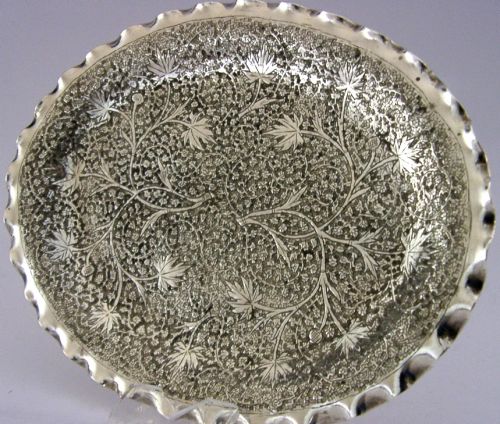
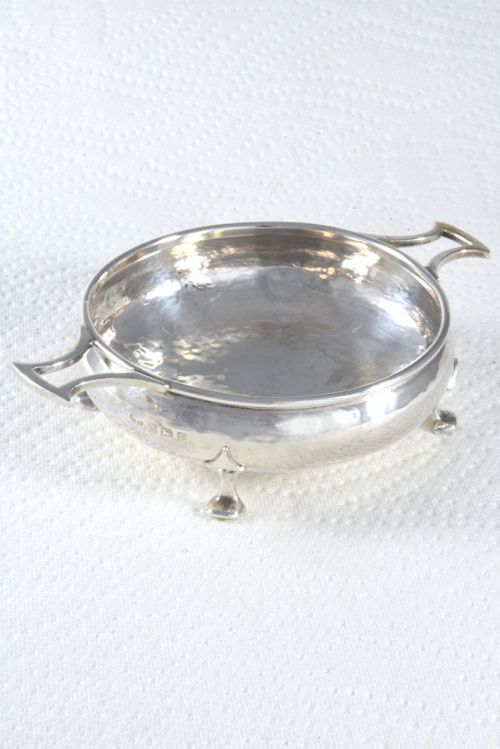
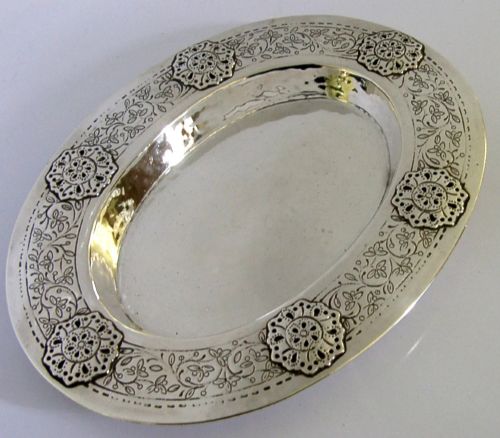
Silver vessels utilise hammering, casting and repoussé techniques where artisans pushed metal from the reverse to raise detailed floral or figural reliefs. Makers also employed piercing, engraving and applied borders to shape sterling silver and Britannia metal.
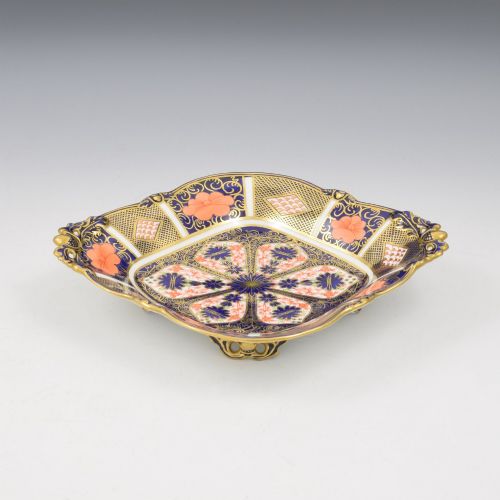
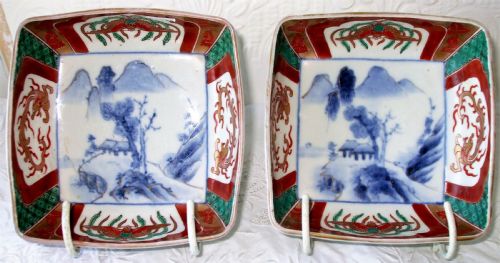
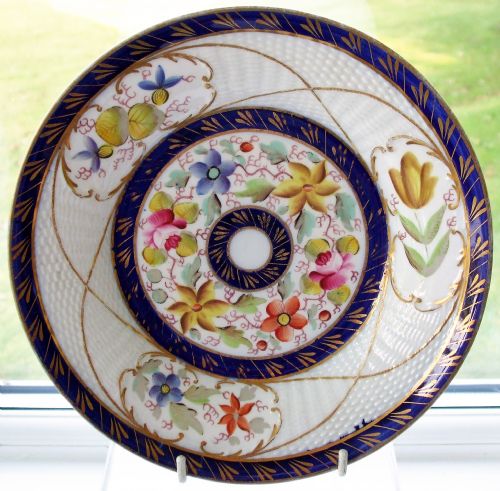
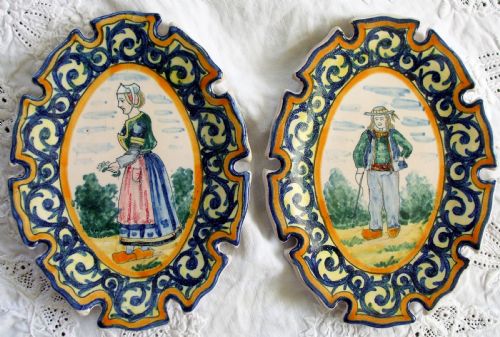
Ceramic examples combine moulded or thrown porcelain and earthenware bodies with hand-painted underglaze decoration, gilding, enamel highlights and printed transfers. French faience and English porcelains demonstrate traditional kiln firing and glazing methods.
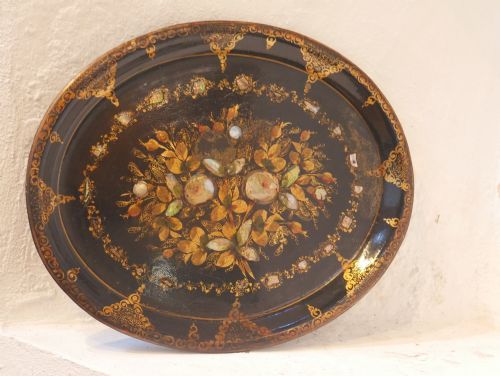
Specialist items incorporate copper worked by regional craft guilds, carved horn mounted in silver, and delicate cloisonné enamel fused onto metal bases. Papier-mâché and wood forming appear among the card trays and smaller receptacles.
Listings feature sterling silver, porcelain, enamel, copper and horn spanning the Victorian, Edwardian and Georgian eras.
What varies in quality
The crispness of detail in chased or repoussé metalwork separates standard production from superior artistry. Deep, sharp striking on silver and well-defined enamel work indicate skilled hands in the workshop.
Porcelain quality rests upon the fineness of the paste, the precision of hand-painted brushwork, and the preservation of original gilding. Crisp transfer prints and careful glaze application elevate ceramic pieces.
Substantial metal weight and robust structural integrity mark better examples, ensuring that thin edges or weak soldered joints do not diminish the piece. Maker marks and clear hallmarks also contribute to historical interest.
William Comyns·Mappin And Webb·Royal Crown Derby·Royal Worcester·Peter And Anne Bateman
The Antique Pin Dish Glossary
- Repoussé
- A metalworking technique where the artisan hammers metal from the reverse side to form a raised design on the front. This method creates tactile floral and figural motifs on silver trays.
- Hallmark
- An official stamp applied to precious metals indicating the assay office, metal purity, and year of manufacture. These small marks help date silver items accurately.
- Faience
- A type of earthenware decorated with coloured glazes over an opaque white tin enamel. French examples often show distinctive blue and white floral painting.
- Imari
- A style of Japanese porcelain featuring a distinctive palette of underglaze blue, iron red, and gold. European factories frequently imitated these striking patterns.
- Cloisonné
- An enamelling technique where wire compartments are soldered to a metal base and filled with coloured paste before firing. This produces vibrant geometric or pictorial designs.
Antique Pin Dish: Frequently Asked Questions
What was a pin dish used for?
These small receptacles held straight pins used in garment tailoring and dressing before safety pins became common. They sat on dressing tables to collect everyday pocket items.
Over time, households utilised them for coins, stamps, cufflinks and calling cards in hallways and studies.
How do I clean antique silver dishes?
Warm water with mild soap and a soft cloth removes surface dust safely. Avoid harsh chemical dips that strip away desirable historical patination.
Gentle application of specialist silver polish preserves engraved details and repoussé relief without harming the underlying metal.
How can I tell the age of a silver dish?
British silver relies on stamped assay office marks, maker initials and date letters to identify the exact year of production. Examining these small punches provides reliable chronological evidence.
Stylistic cues such as Art Nouveau curves or Georgian proportions offer further clues when hallmarks are rubbed or absent.
Can I use antique porcelain dishes daily?
Most antique ceramic pieces tolerate gentle handling for dry items like trinkets or business cards. Hand washing in tepid water protects fragile glazes and delicate gold leaf.
Avoid using dishwashers or exposing old ceramics to sudden temperature changes to prevent crazing or cracking.