



Antique Parian Ware
Antique parian ware brings unglazed ceramic sculpture into the home, capturing marble-like detail through biscuit porcelain shaped by Victorian tastes.
Antique Parian Ware
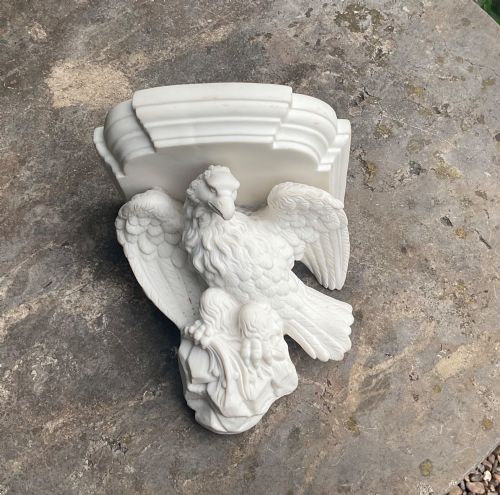
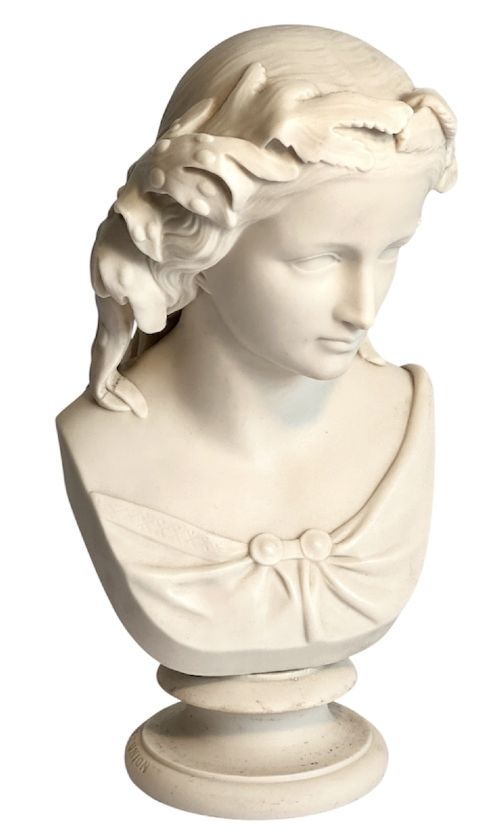
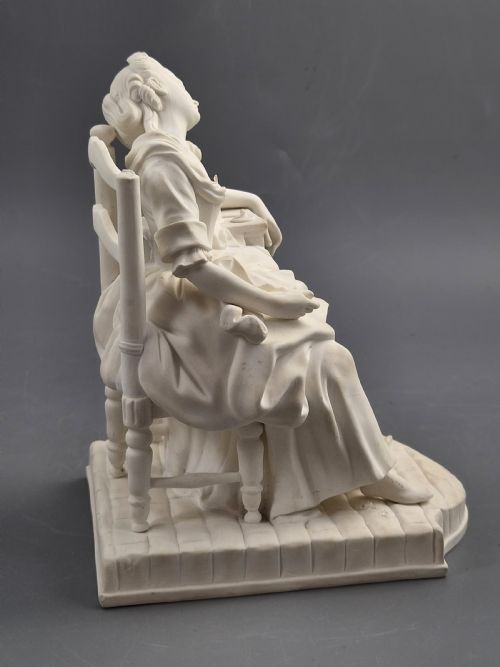
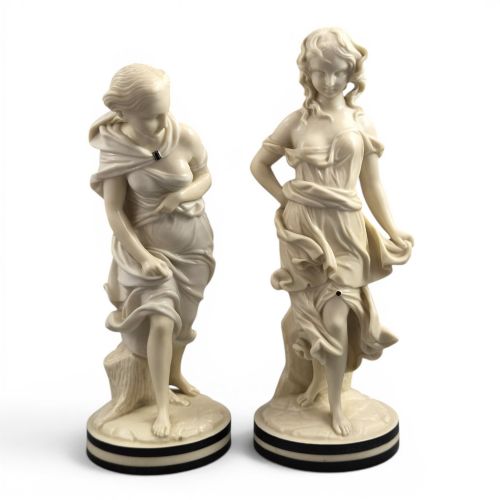
When searching for antique parian ware, buyers encounter nineteenth-century unglazed porcelain objects that mimic the appearance of carved white marble. These pieces include figures, busts, groups, jugs, and wall brackets created during the Victorian period.
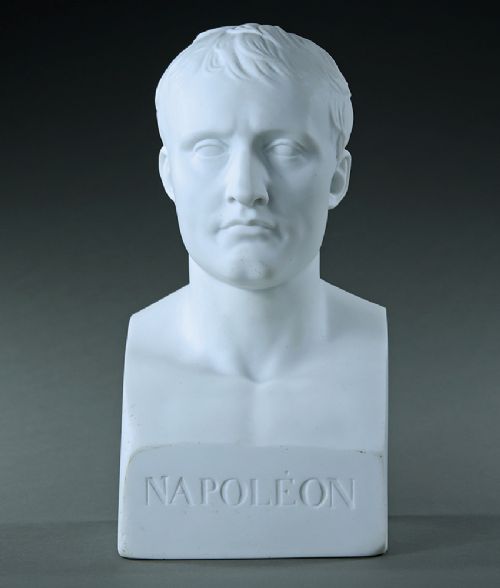
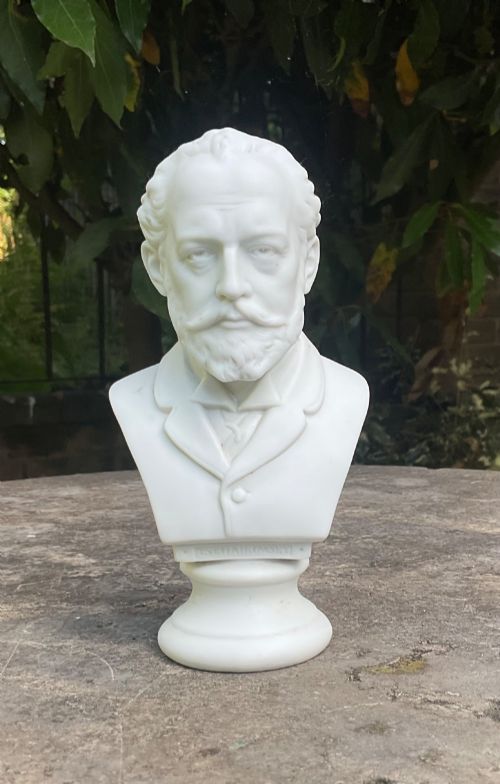
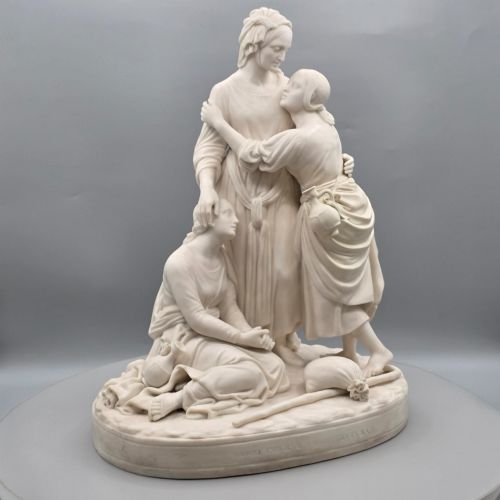
The most common examples on this page are figural sculptures and portrait busts modelled after classical subjects, literary characters, and historical figures. Works depict mythological scenes, allegorical figures, animals, and notable personalities of the era.
Origins span English, French, and German factories, with prominent English potteries producing large-scale figures alongside smaller decorative items. The forms range from simple utilitarian jugs to elaborate sculptural groups modelled by named artists.
How they were made
Makers utilised a specific type of hard porcelain body developed in the mid-nineteenth century, fired without glaze to produce a matte, fine-grained surface resembling carved marble. Parian porcelain requires precise kiln temperatures to achieve this characteristic biscuit texture.
Factories employed slip-casting techniques in multi-part plaster moulds to capture intricate details of drapery, hair, and facial expressions from original sculptures. Some pieces incorporate enamel painting or gold leaf highlights to accentuate specific decorative elements.
Portions of larger groups and figures were cast separately and then assembled using liquid porcelain slip before firing. This method allowed potteries to replicate complex classical and neoclassical models on a commercial scale.
Antique Parian Ware Retail Price Guide 2026
Typical asking prices for parian ware among the pieces listed under this phrase on Sellingantiques today, from the lower quarter to the upper quarter. They describe what is for sale here now, not the wider market.
The listings demonstrate that Victorian parian pieces frequently depicted literary characters, classical mythology, and contemporary political figures.
What varies in quality
The reputation of the modeller and the standing of the manufacturing firm heavily influence the character of the piece. Works designed by known sculptors for major potteries display superior anatomical proportions and compositional balance compared to anonymous factory productions.
Sèvres·Minton·Copeland·Royal Worcester·Triebner Ens And Co·Ridgway
The Antique Parian Ware Glossary
- Parian ware
- A type of unglazed white porcelain developed in the 1840s to imitate marble. It takes its name from Parian marble found on the Greek island of Paros.
- Biscuit porcelain
- Porcelain fired once to the biscuit stage without a vitreous glaze applied to the surface. This leaves a porous, matte finish.
- Slip-casting
- A ceramic technique where liquid clay slip is poured into a plaster mould to form hollow objects with detailed exterior walls. It permitted the mass production of complex sculptural forms.
- Neo-rococo
- A nineteenth-century revival style characterised by asymmetrical scrolls, naturalistic floral motifs, and ornate curves. It often appears on decorative jugs and figure bases.
- Neoclassical
- An artistic movement drawing inspiration from the art and culture of classical antiquity. It manifests in parian figures through classical drapery, subjects, and balanced compositions.
Antique Parian Ware: Frequently Asked Questions
What is parian ware made of?
Parian ware is composed of a specialised porcelain body containing a high proportion of feldspar. When fired at high temperatures, this mixture vitrifies partially to produce a dense, matte material that resembles marble.
Unlike traditional glazed porcelain, this body receives no glossy coating. The resulting surface absorbs light in a manner similar to carved stone.
How do you clean antique parian ware?
Because the surface is unglazed and slightly porous, parian ware absorbs dirt and grease easily. Gentle dusting with a soft brush is usually sufficient for regular maintenance.
If washing is necessary, use lukewarm water and mild soap with a soft sponge, avoiding harsh abrasives that can damage fine details. Ensure the piece dries thoroughly after cleaning.
Who invented parian porcelain?
The development of parian porcelain is generally credited to the Staffordshire pottery firm Copeland and Garrett around 1842. They sought a material that could reproduce classical sculptures affordably for the middle-class Victorian home.
Other major factories, including Minton and Wedgwood, soon developed their own proprietary formulas for the material under various names such as statuary porcelain.
How can you date parian figures?
Dating relies heavily on factory impressed marks, registration diamonds, and stylistic markers associated with Victorian design periods. Many pieces carry stamps specific to decades like the 1850s or 1870s.
Subject matter also offers clues, as political figures, literary characters, and aesthetic movements shifted across the nineteenth century.