




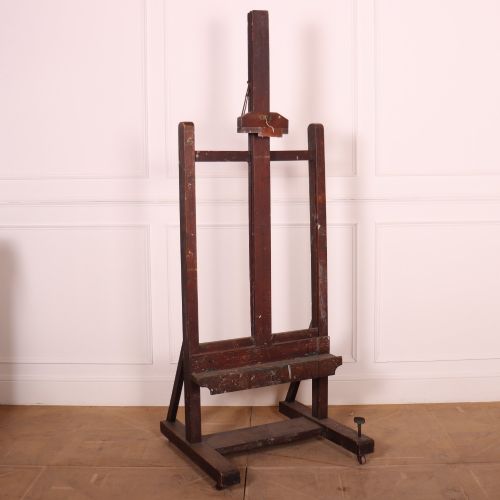
Antique Painted Furniture
Antique painted furniture spans centuries of decorative surface work, offering colourful chests, cabinets and seating that bring character and historical depth to a room.
Antique Painted Furniture
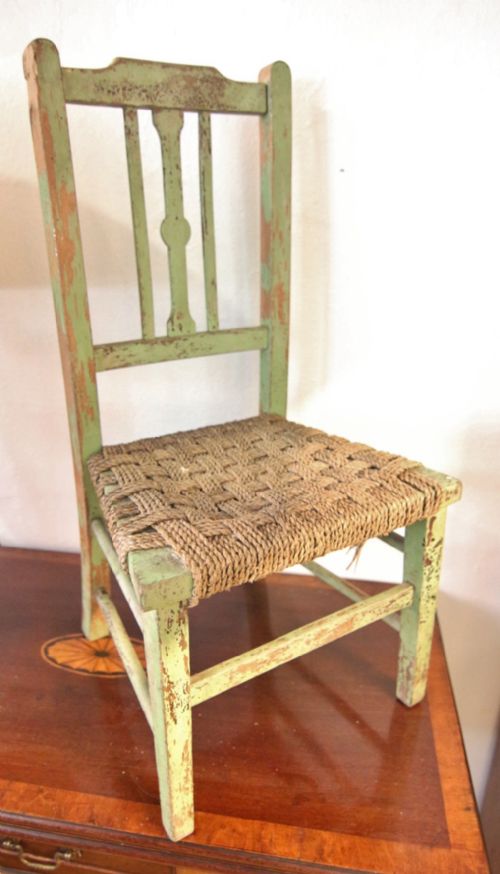
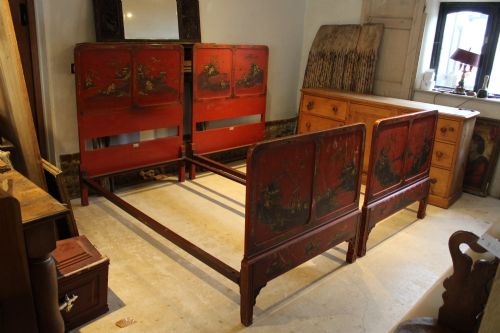
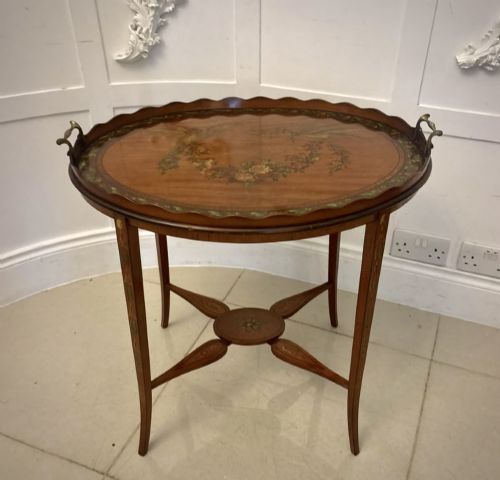
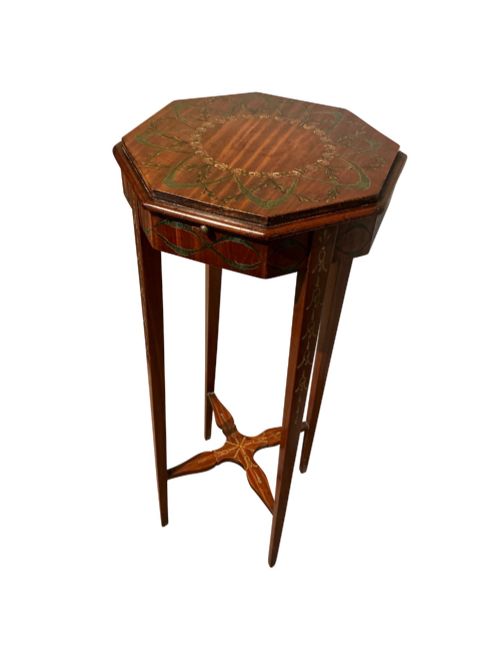
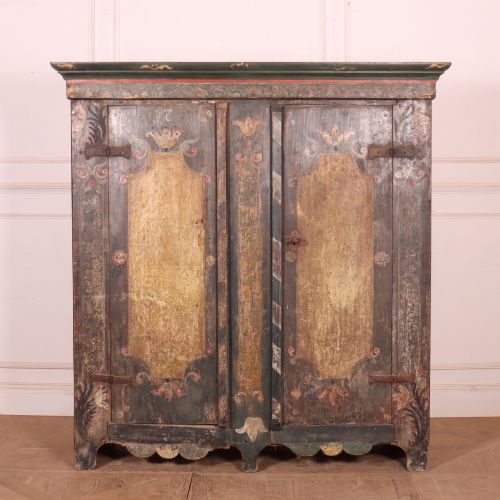
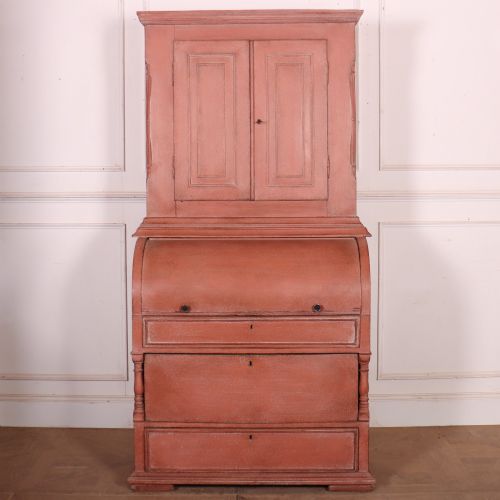
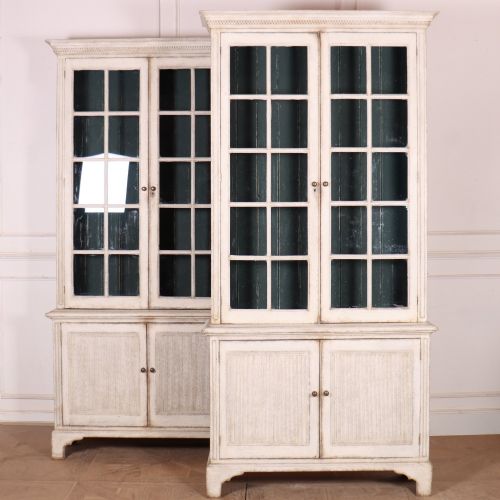
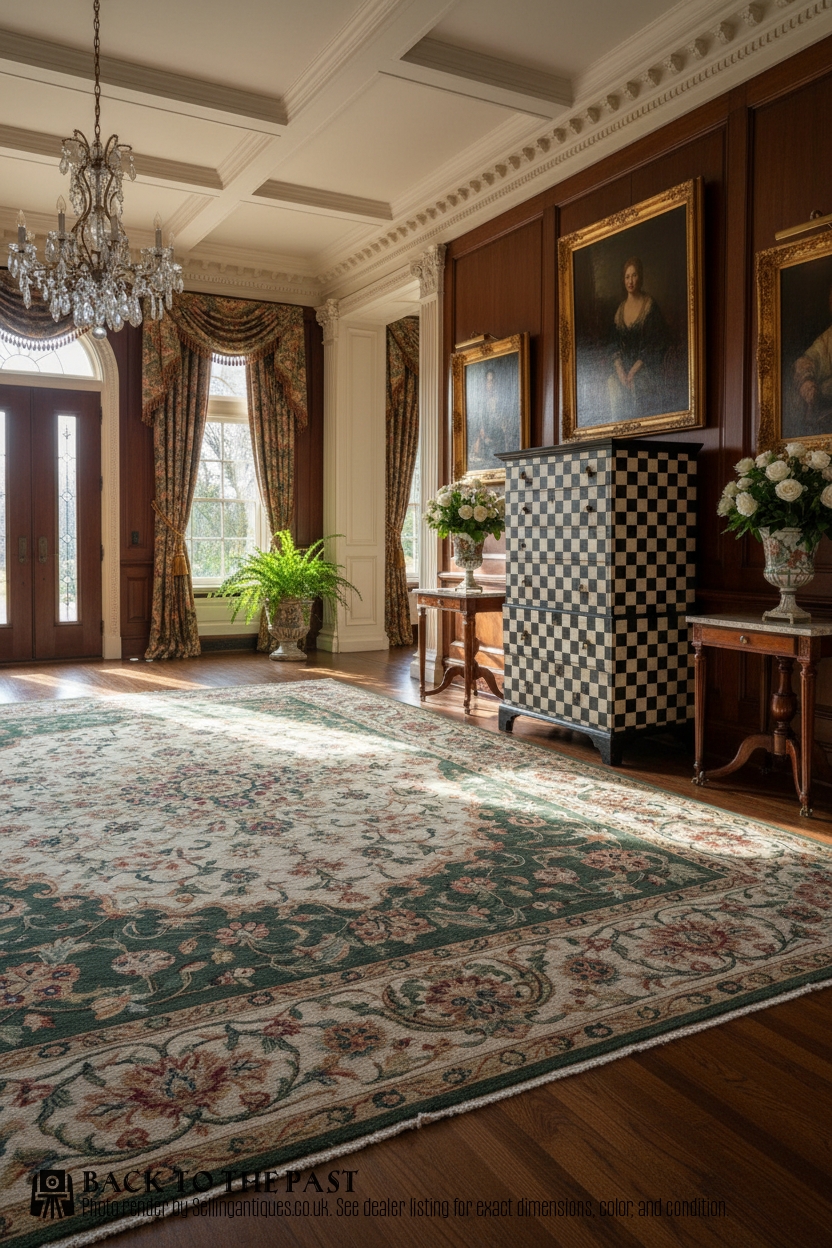
Antique painted furniture comprises domestic storage pieces, seating and tables finished with pigment rather than relying solely on exposed grain. The selection here ranges from vernacular pine chests and farmhouse benches to refined satinwood display cabinets and lacquered Chinoiserie pieces.
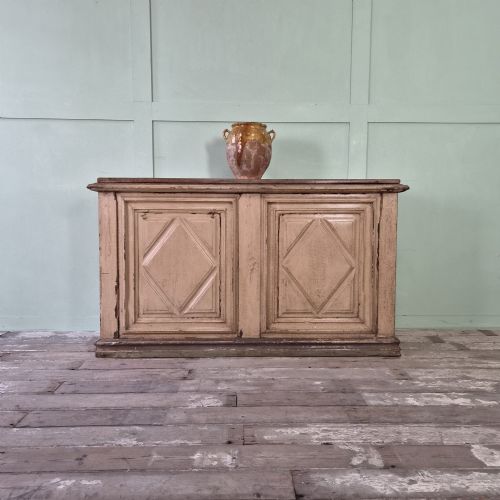
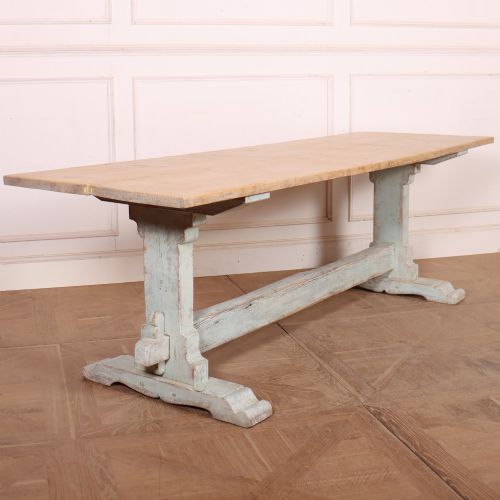
Buyers encounter numerous regional variations, including Swedish country designs, Traditional Chinese wedding cabinets, and British vernacular pieces. Pine and painted wood form the foundation of most domestic items, whilst specialist workshops utilised satinwood and mahogany for formal rooms.
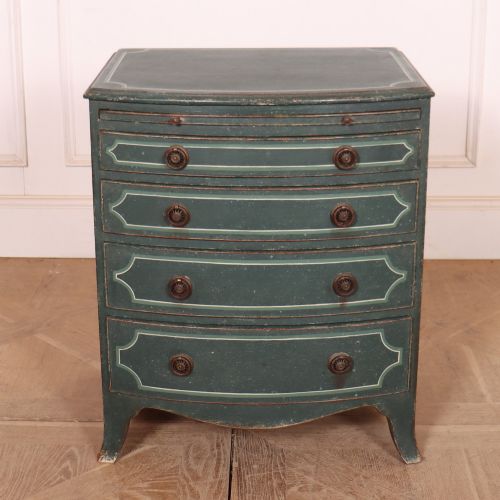
Forms span from simple washstands and bedside cabinets to breakfront display cabinets, armchairs and garden benches. These items combine practical storage or seating with decorative surface treatments applied across the Georgian, Victorian, Edwardian and later periods.
How They Were Made
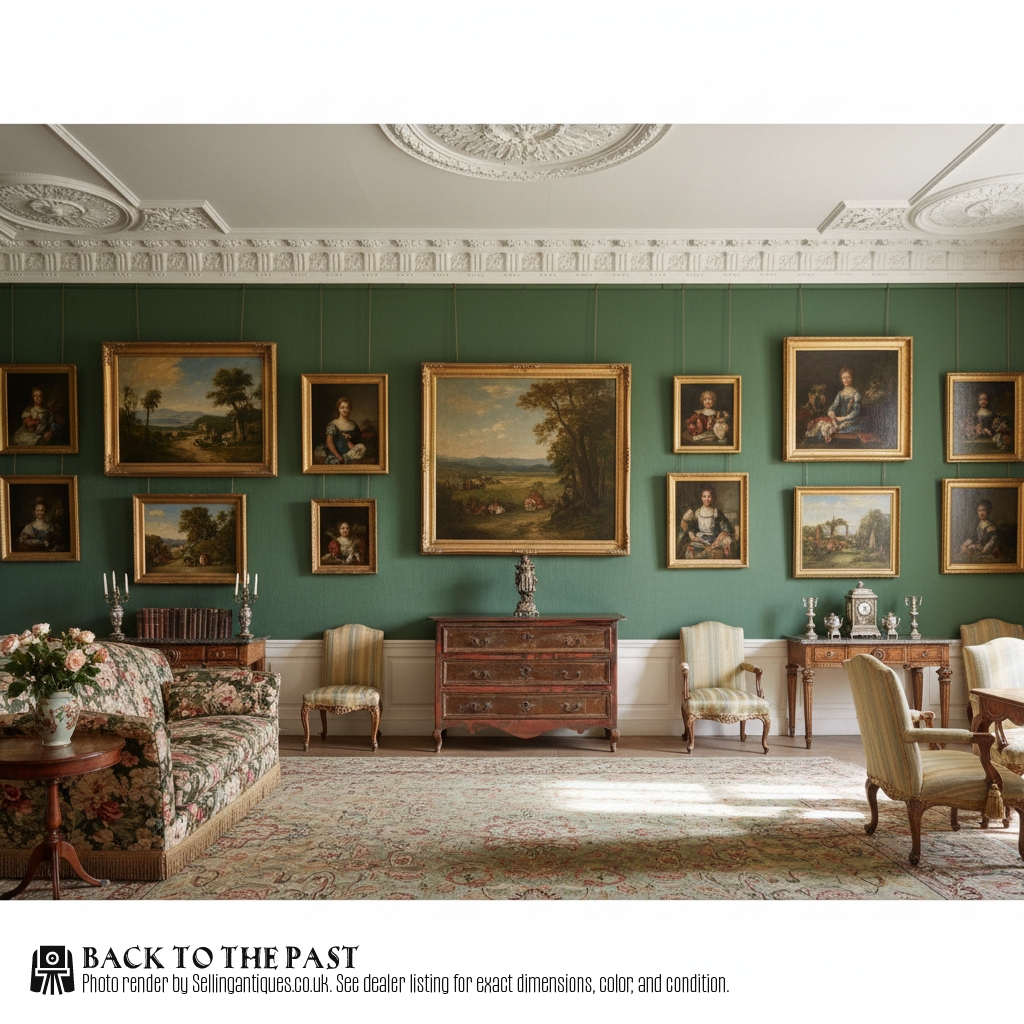
Joinery methods rely on traditional construction using pine, mahogany, satinwood and pitch pine, shaped into chests, dressers and cabinets. Iron and brass hardware frequently accompany these timber frames, particularly on structural elements and garden benches.
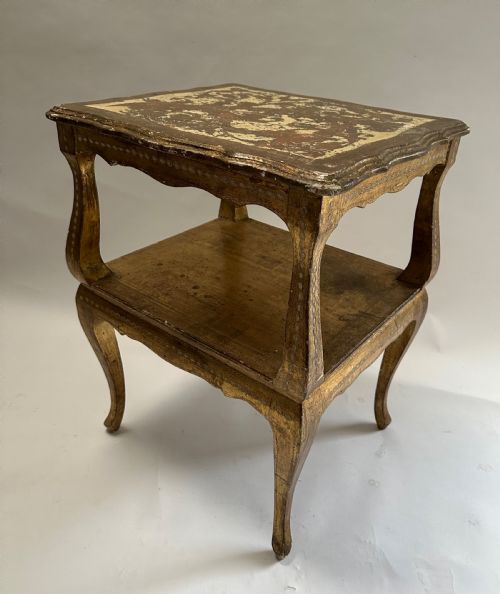
Surface decoration involves direct application of paint, stencilling, lacquer or hand-painted floral motifs over prepared timber. Artisans utilised ebonising, parcel gilding and faux finishes like faux rosewood to achieve specific decorative effects across different styles.
Antique Painted Furniture Retail Price Guide 2026
Typical asking prices for painted furniture among the pieces listed under this phrase on Sellingantiques today, from the lower quarter to the upper quarter. They describe what is for sale here now, not the wider market.
Listings feature 19th Century, Victorian, Georgian and Edwardian periods alongside styles like Swedish Country and Chinoiserie.
What Varies in Quality
The distinction between tiers rests on the originality of the surface decoration and the harmony between the timber carcase and its paint layer. Retaining untouched historical pigment elevates a piece significantly above later repainted examples.
Refinement of form and joinery also dictates standing, separating utilitarian vernacular items from sophisticated urban commissions by notable makers. Subtlety in hand-painted floral motifs or lacquering distinguishes finer cabinet work from standard production.
Falkirk Carron Foundry·Dubois of Lyon·Sir Clough Williams-Ellis·Hampton & Sons·Maples & Co.
The Antique Painted Furniture Glossary
- Satinwood
- A durable hardwood with a lustrous, satin-like sheen, often used for fine cabinet work. Makers frequently decorated its pale surface with hand-painted floral details.
- Vernacular
- Everyday domestic furniture made by local craftsmen for regional use rather than high-style urban workshops. These pieces often utilise accessible local timbers like pine.
- Ebonised
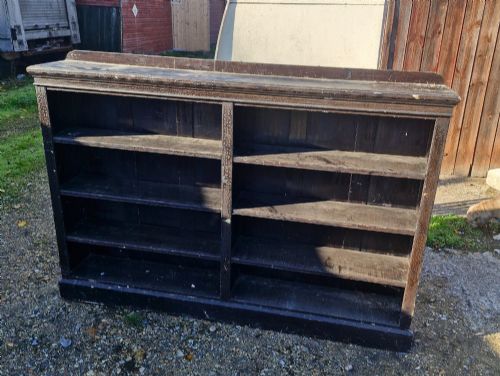
- Wood treated with a chemical stain or finish to imitate ebony. This dark finish creates a dramatic contrast in Victorian decorative pieces.
- Potboard Dresser
- A traditional kitchen or dining storage base featuring an open lower shelf for displaying pottery. Surviving examples frequently retain original painted or scrubbed wooden surfaces.
Antique Painted Furniture: Frequently Asked Questions
How do I care for antique painted surfaces?
Maintain stable indoor humidity levels and keep pieces away from direct sunlight to prevent the pigment from fading or cracking.
Dust gently with a dry, soft cloth and avoid chemical cleaners or excessive moisture that might lift the historic paint layer.
Are these pieces suitable for daily use?
Most items remain structurally sound for everyday domestic routines, whether serving as chests of drawers, side tables or seating.
Care should be taken with delicate surfaces like satinwood or lacquered finishes to prevent scratches from heavy objects.
How can I tell original paint from later decoration?
Examine the surface under magnification to check for natural wear patterns, craquelure and dirt accumulation embedded within the pigment layers.
Original paint typically shows consistent ageing appropriate to the period, whereas later overpainting often sits uniformly flat across bumps and abrasions.
What styles are common in painted furniture?
The selection encompasses several distinct design traditions, ranging from rustic Swedish country pieces to formal Regency faux rosewood items.
Victorian, Edwardian and Chinoiserie aesthetics also appear frequently, alongside vernacular farmhouse furniture from Britain and Europe.