
Rustic Painted Chest
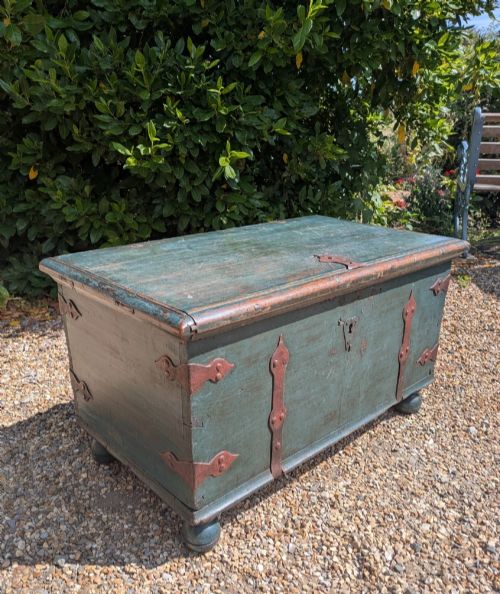
A rustic painted chest brings functional storage and characterful painted timber to an interior, drawing on Georgian, Victorian, and nineteenth-century traditions.
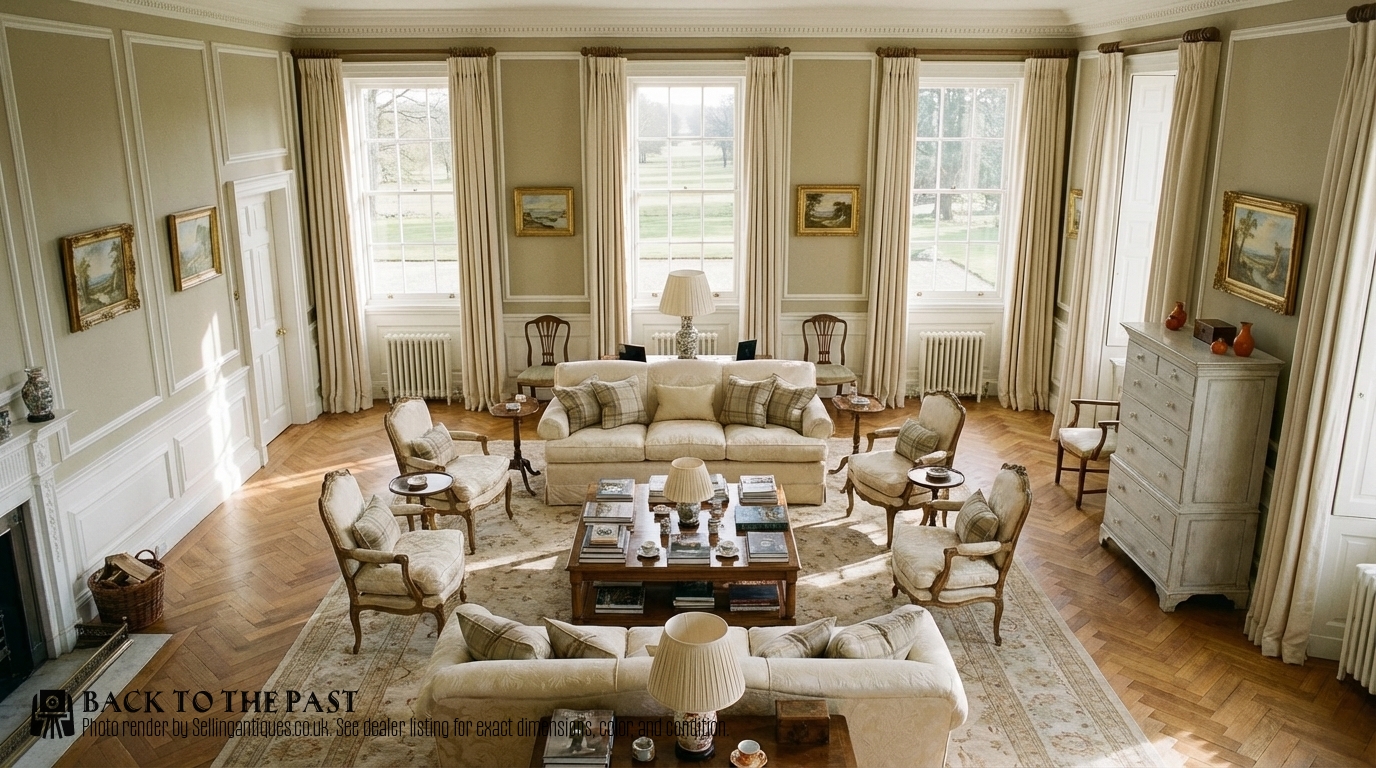
What a rustic painted chest is
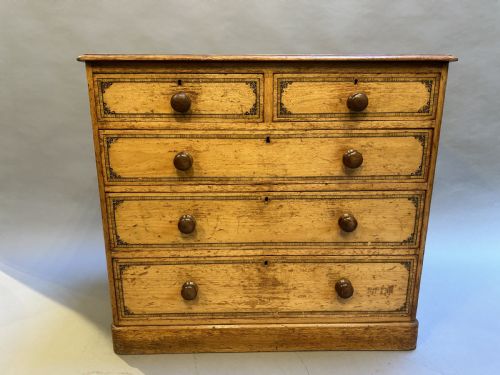
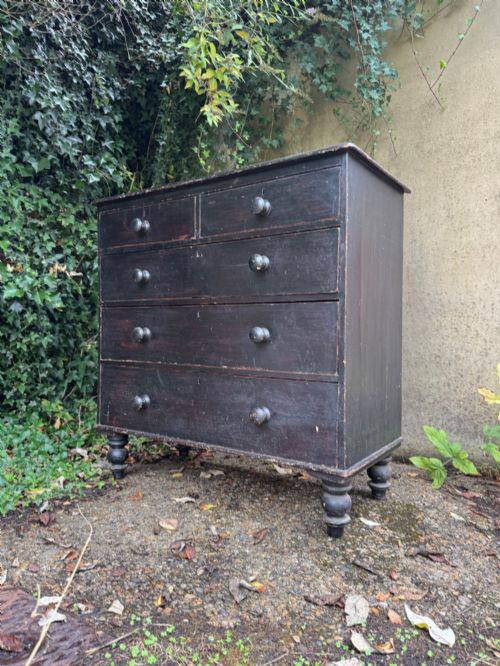
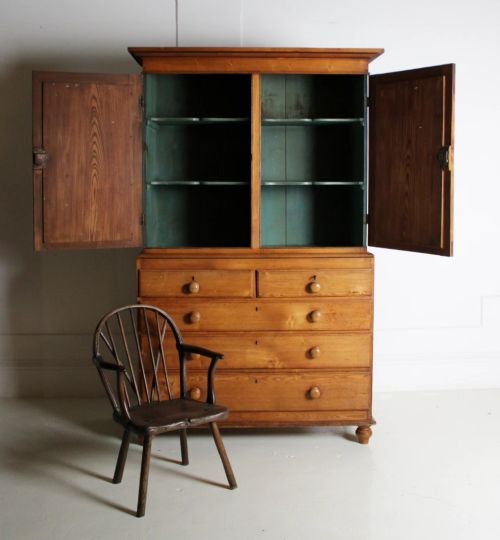
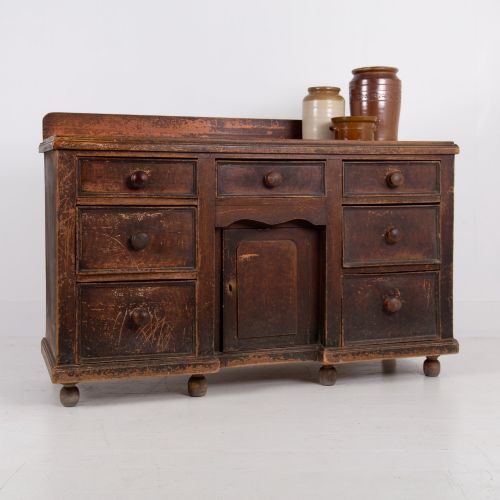
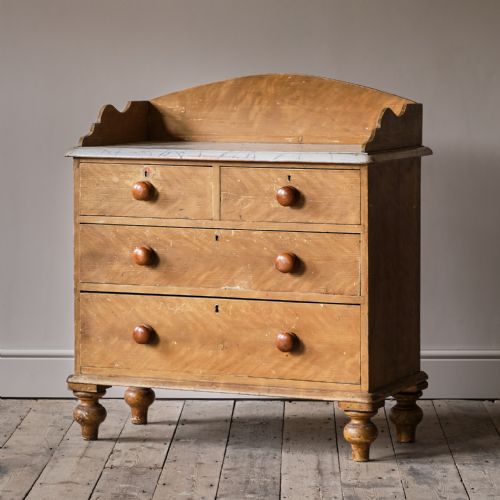
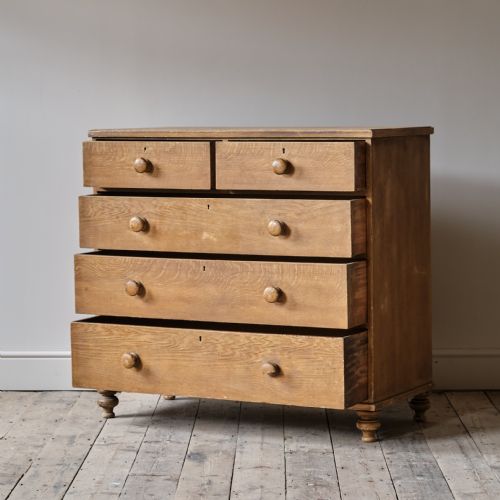
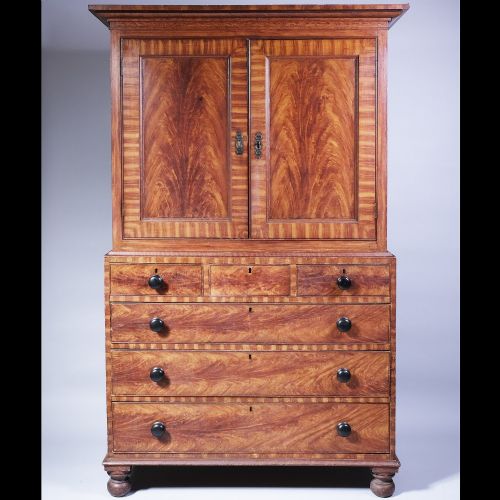
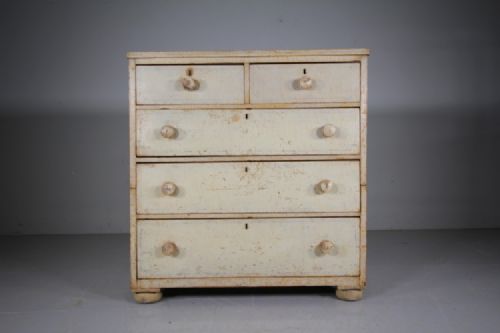
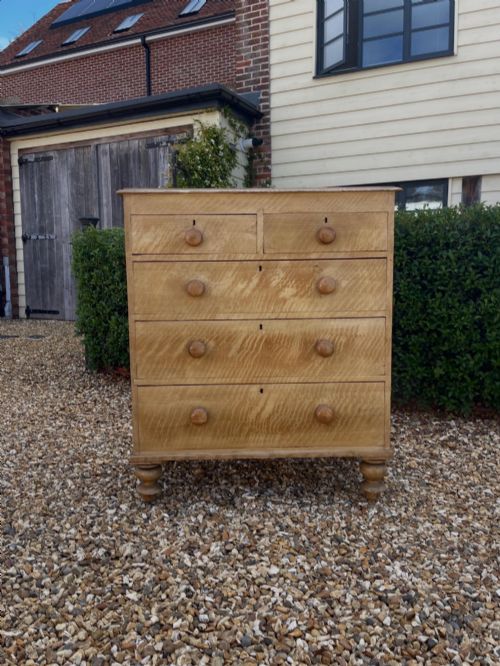
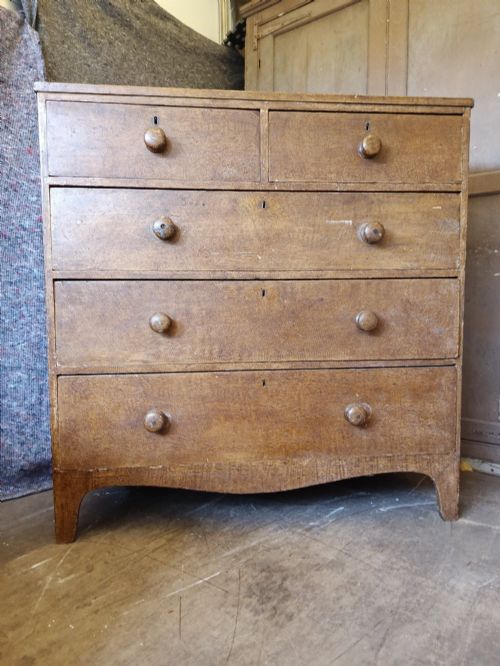
A rustic painted chest provides substantial storage capacity through various drawer configurations, including four-drawer and five-drawer formats alongside two-over-two arrangements. These pieces range from Georgian chest-on-chest forms to Victorian and nineteenth-century commodes originating from British, Danish, Hungarian, and Swedish workshops.
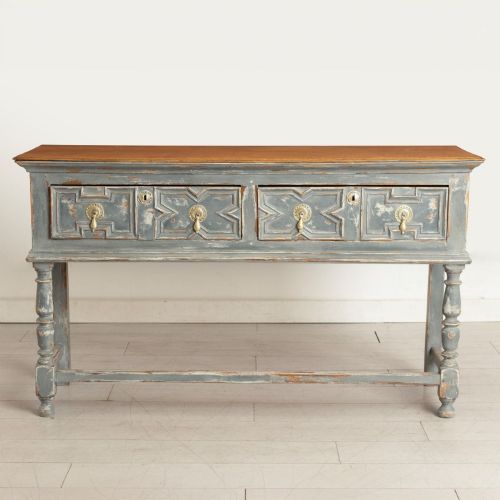
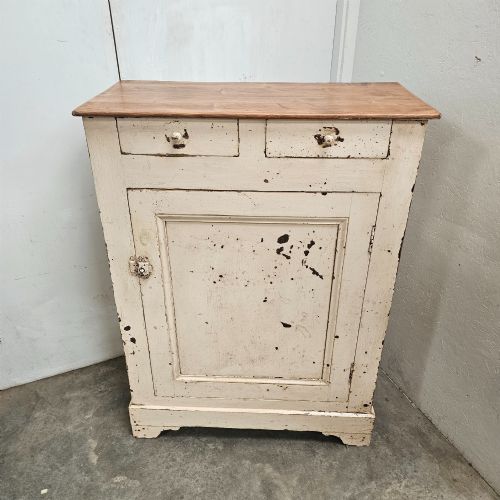
The aesthetic leans towards country house utility and provincial style, typically finished in neutral tones such as mid grey and light grey over original or historic paint surfaces. Buyers frequently encounter pine construction finished with painted decoration, uniting practical utility with regional decorative traits.
How they were made
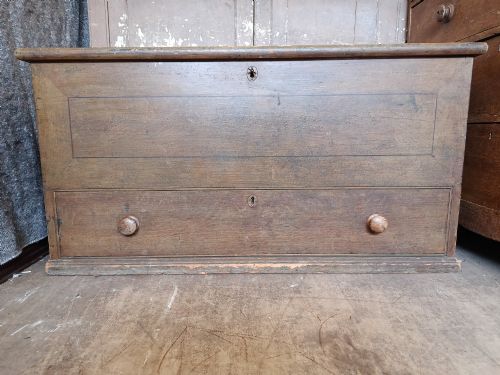
Construction relies primarily on solid pine and timber, shaped into robust carcases and fitted with multiple drawers to house household items. Metal and iron hardware, including handles and key escutcheons, secure the functional aspects of each unit.
Surfaces receive layers of paint, often applied in muted shades like grey, which characteristically age through natural wear over time. Cabinetmakers and regional joiners utilised traditional hand-tool methods to assemble these chests, ensuring durability across the Georgian and Victorian eras.
Retail Price Guide 2026
Typical UK retail prices for rustic painted chest, calculated from the Sellingantiques database of over a million retail prices indexed since 2003. This retail price guide relies exclusively on Sellingantiques data; no external sources or auction records are used, so the figures do not describe the wider market.
What varies in quality
Distinction across these pieces rests in the integrity of the original paint surface and the survival of authentic regional characteristics, such as Scandinavian country details or Hungarian proportions. Unaltered carcases with genuine period finish carry greater historical cohesion than later surface treatments.
Structural heft and proportion define the upper tier, seen in impressive chest-on-chest forms or massive multi-drawer layouts that retain their original iron and metal furniture. The subtlety of the timber grain showing through historic paint layers similarly separates standard utility items from finer provincial examples.
The Rustic Painted Chest Glossary
- Pine
- A soft timber extensively utilised for nineteenth-century and Victorian case furniture due to its availability and suitability for painted finishes. It provides a stable base for historic paint layers.
- Commode
- A term applied to certain European chests of drawers and low storage units, particularly those originating from Scandinavian and continental workshops. These pieces often feature compact proportions and distinctive regional painting.
- Chest-on-chest
- A tall storage form comprising one chest stacked directly upon a larger lower section, maximising vertical capacity. Georgian examples of this type represent significant cabinetmaking ambition.
- Escutcheon
- A protective plate surrounding a keyhole, frequently fashioned from metal or iron on these chests. It serves both a functional purpose and a decorative role on the drawer fronts.
Frequently Asked Questions
Where were these chests made?
The evidence shows examples originating from Britain, Denmark, Hungary, and Sweden during the Georgian, Victorian, and nineteenth-century periods.
These pieces reflect distinct regional furniture traditions, particularly Scandinavian country styles and British country house aesthetics.
What wood are they built from?
Pine serves as the primary timber material across the recorded inventory, providing a robust and accessible base for painted finishes.
Cabinetmakers paired this wood with metal and iron hardware to complete the construction of the drawers and carcases.
How do I identify the period?
Dating relies on structural form, such as Georgian chest-on-chest formats versus Victorian two-over-two drawer arrangements.
Stylistic markers and recorded periods like the nineteenth century further help place each piece within its historical context.
Are the paint surfaces original?
Listings distinguish between original finishes and historic paint layers in shades such as light grey and mid grey.
Examining how the paint adheres to the pine timber provides insight into the age and application history of the surface.