
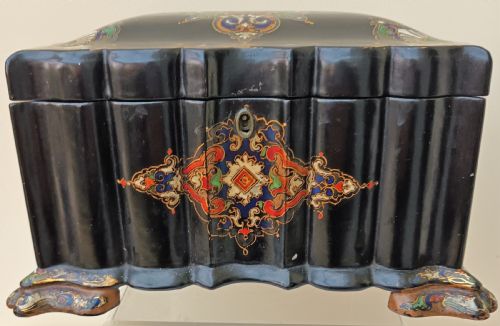


Decorative Painted Chest
A decorative painted chest brings immediate character to a room through colour and pattern, combining practical storage with surface art.
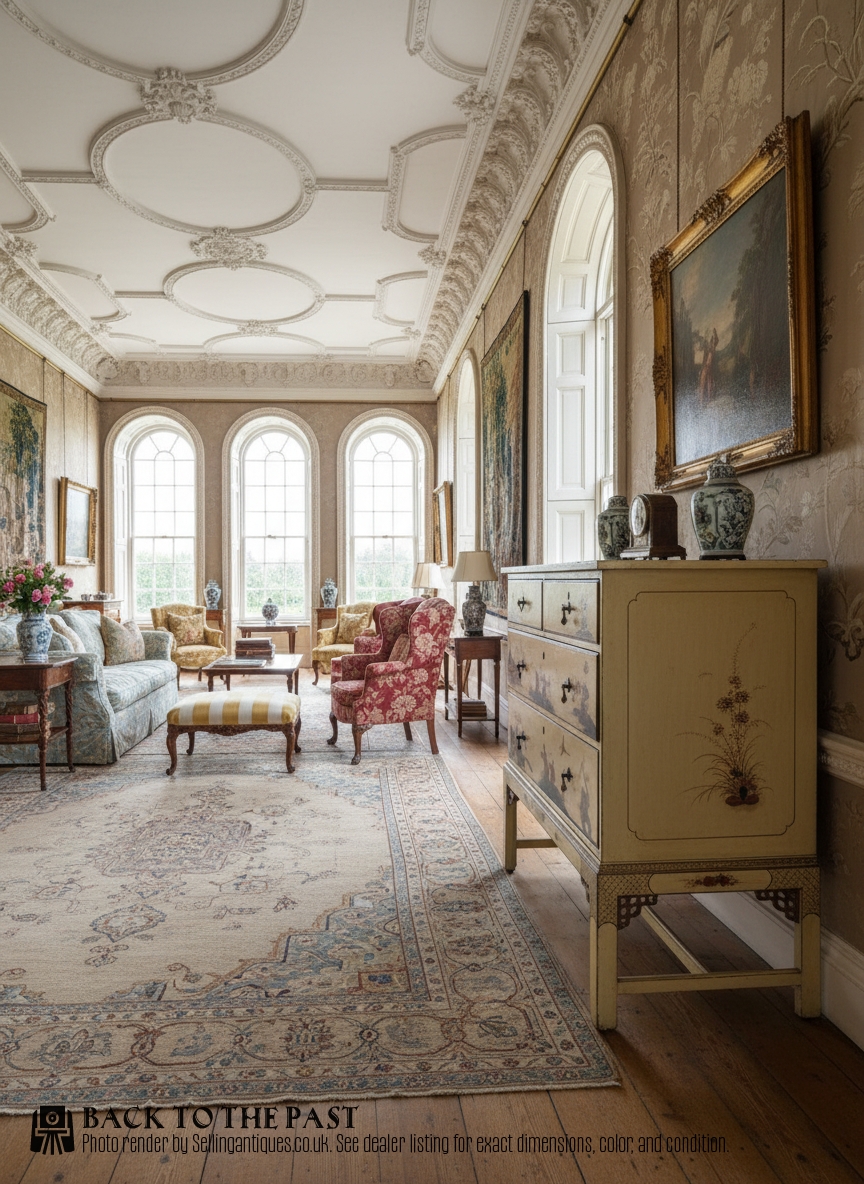
Decorative Painted Chest
A decorative painted chest functions as both a functional storage container and a canvas for surface artistry, spanning smaller boxes and large commodes. When searching for a decorative painted chest, buyers encounter items ranging from compact tea caddies and bedside tables to substantial chests of drawers and cabinets on stands.
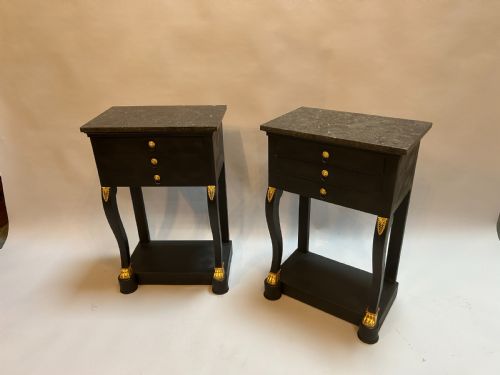
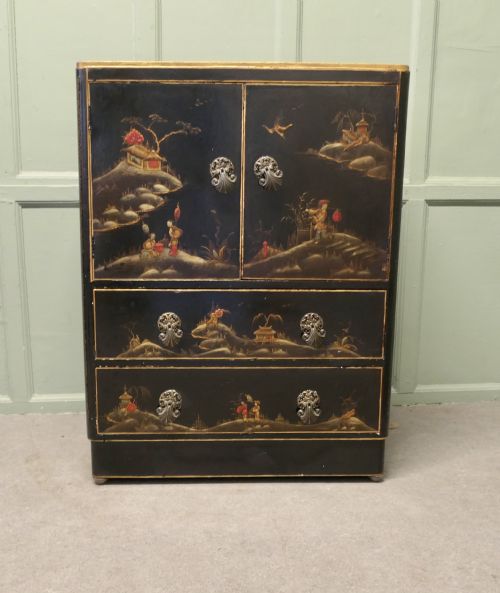
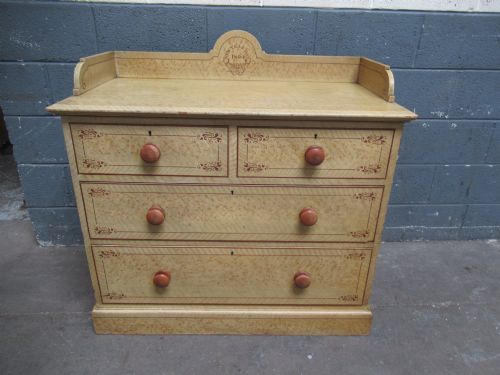
The pieces appearing here cross multiple centuries and geographic origins, encompassing Georgian mahogany, Victorian pine, French commodes, and Scandinavian country boxes. Buyers frequently meet pine chests of drawers from the nineteenth century alongside early twentieth-century Chinoiserie lacquered cupboards and French Empire design bedside chests.
Forms vary from dome-top caskets and lap chests to tall chests on chests and commodes. Each piece reflects the decorative taste of its period, whether through folk art motifs, painted chequered patterns, or intricate oriental lacquerwork.
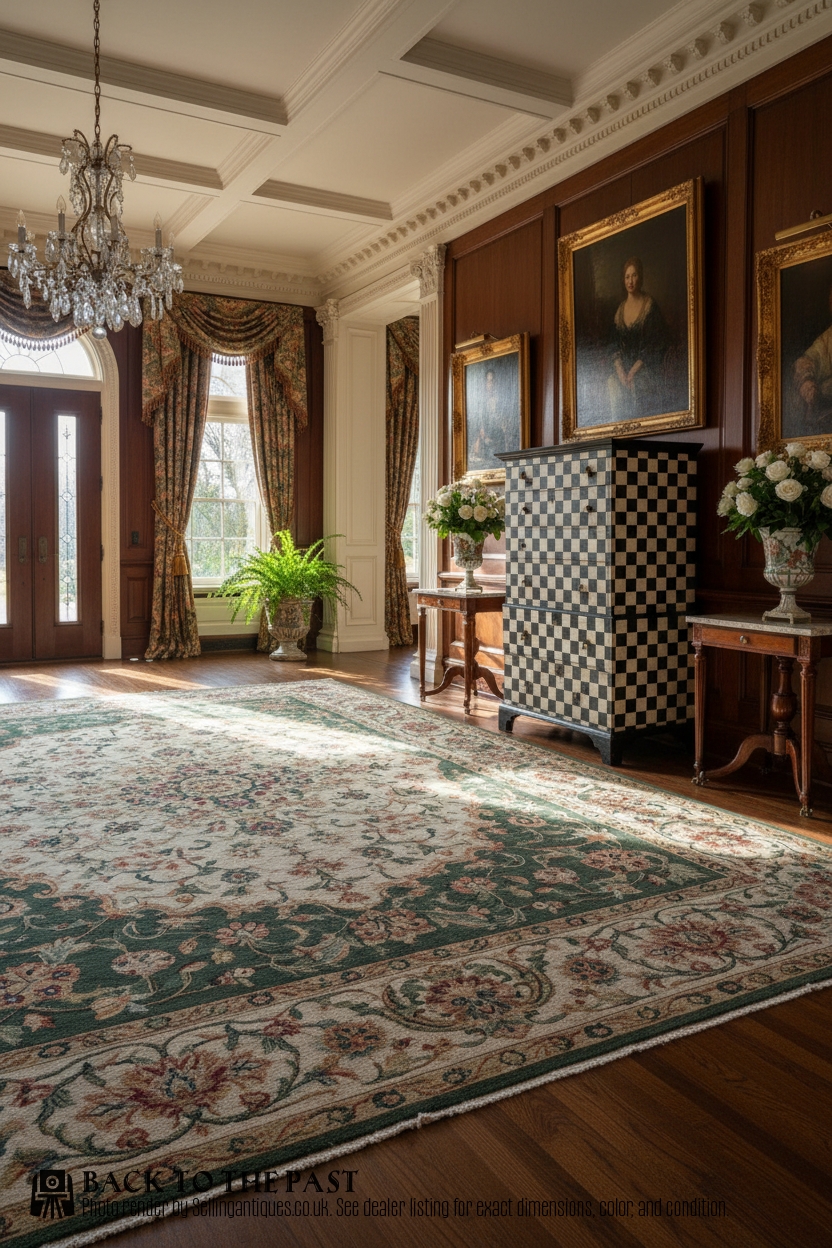
Materials and construction methods
Makers utilised solid timbers such as pine and mahogany as the primary foundation for these pieces. Wood surfaces were then prepared to receive coats of paint, lacquer, or paper-mâché finishes.
Decoration involved hand painting, polychrome work, and Japanning techniques applied directly to the wood or lacquer ground. Metal elements including brass, iron, and tin provided structural reinforcement, handles, and hinges.
Decorative Painted Chest Retail Price Guide 2026
Typical asking prices for decorative painted chest among the pieces listed under this phrase on Sellingantiques today, from the lower quarter to the upper quarter. They describe what is for sale here now, not the wider market.
Distinguishing quality in painted furniture
Quality rests in the survival and execution of the original surface decoration rather than plain timber preservation. Pieces that retain their genuine early paintwork or lacquer without modern repainting command greater attention from collectors.
The refinement of the joinery and the detail within the hand-painted motifs separate standard utilitarian boxes from high-status commodes and cabinets. Superior examples combine robust construction with balanced proportions and crisp artistic execution.
The Decorative Painted Chest Glossary
- Commode
- A low chest of drawers or cabinet, typically of French origin. The term often describes decorative pieces featuring marble tops or bombe shaping.
- Japanning
- A European imitation of Japanese and Chinese lacquerwork developed during the seventeenth and eighteenth centuries. Craftsmen built up layers of varnish and resin, often heat-cured and decorated with raised motifs.
- Polychrome
- Decorated in multiple colours. This term describes painted surfaces that utilise a varied palette rather than a single monochromatic tone.
- Tea Caddy
- A small box or chest designed to store loose tea leaves. These containers often include internal compartments and fine decorative exterior finishes such as papier-mâché or lacquer.
Decorative Painted Chest: Frequently Asked Questions
How do I clean a painted chest?
Dust the surface gently with a soft, dry cloth to prevent accumulation of grit.
Avoid chemical polishes, water, and modern cleaning sprays, which can lift or damage aged paint and lacquer.
Are these chests suitable for daily use?
Most sturdy pine or mahogany chests handle everyday storage of clothes or linens without issue.
Delicate papier-mâché caskets and heavily lacquered boxes are better suited for light keepsakes and display.
How can I tell original paint from later decoration?
Original paint shows natural craquelure, wear consistent with age, and consistent patination beneath the surface.
Later overpainting often sits flat on top of old knocks and lacks the integrated wear of genuine antique pieces.
What is a chest on stand?
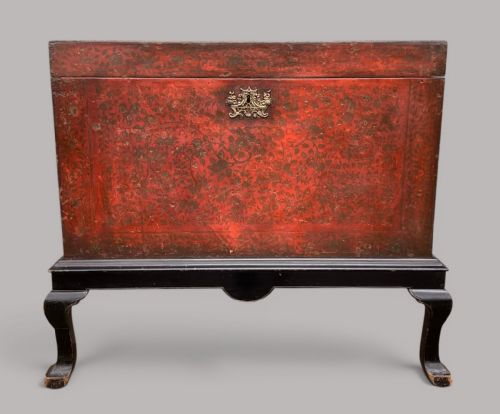
A chest on stand consists of an upper storage cabinet or box elevated on a separate framework of legs.
This form raises the decorative surface closer to eye level and lightens the visual weight of the piece.