


Antique Ormolu Fruit Bowl
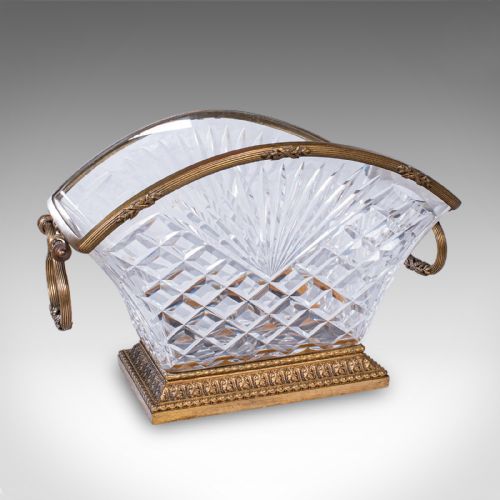
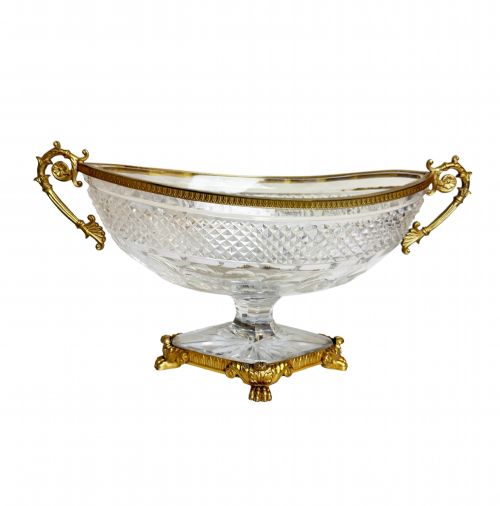
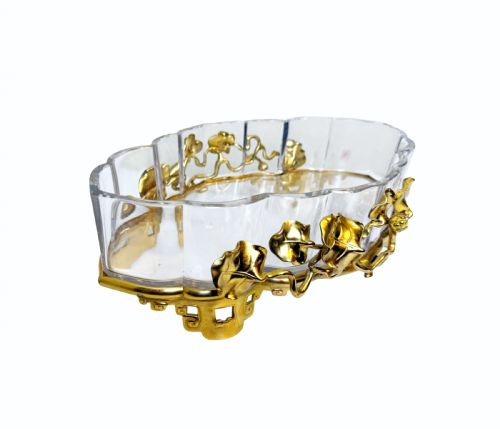
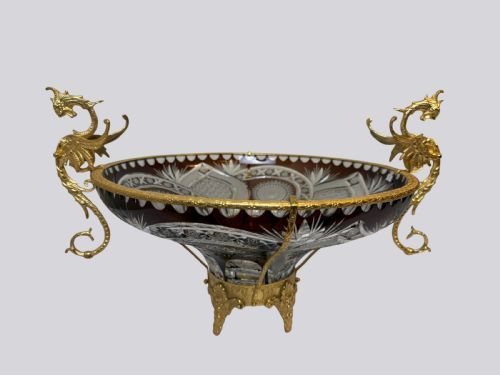
An antique ormolu fruit bowl brings heavy cast metal and glass together for the centre of a table.
Antique Ormolu Fruit Bowl
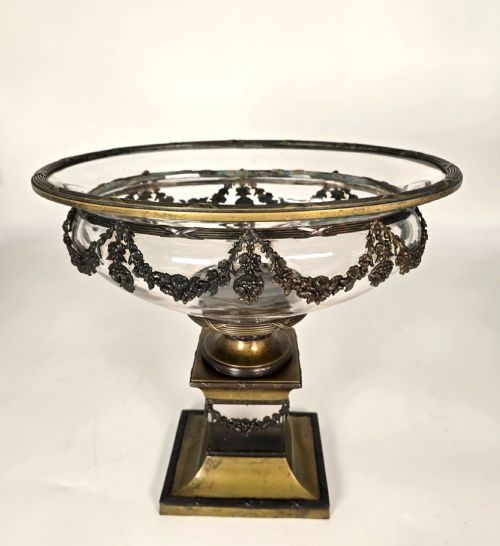
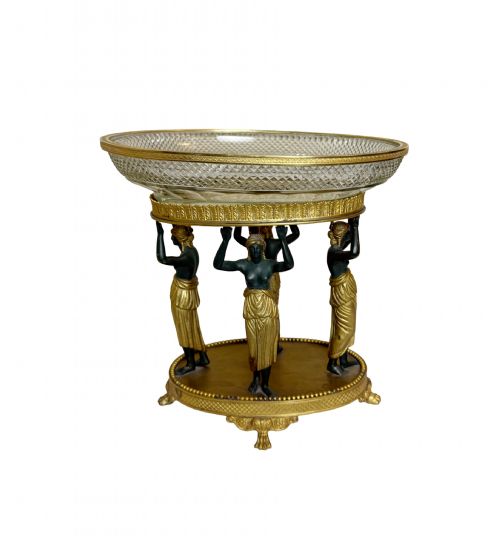
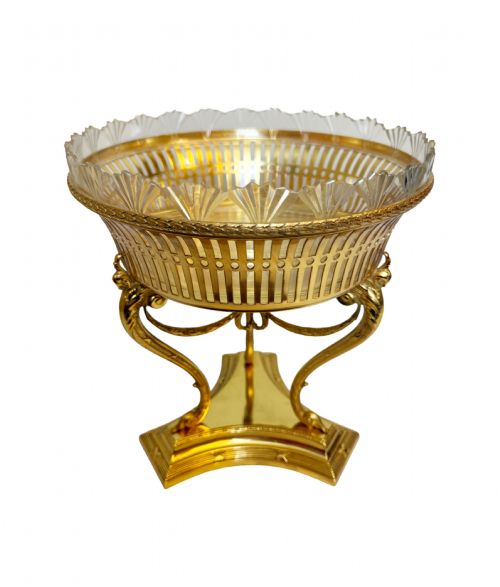
An antique ormolu fruit bowl combines cast bronze mounts with cut crystal, pressed glass, or porcelain inserts to form a decorative centrepiece. These items appear across the nineteenth century, including Victorian examples and turn-of-the-century pieces influenced by French Empire and Rococo Revival styles.
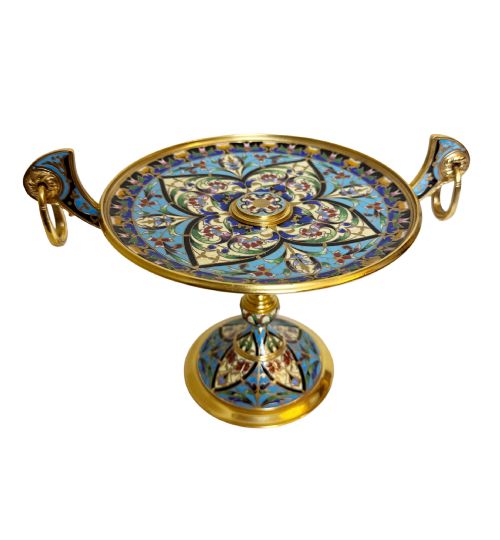
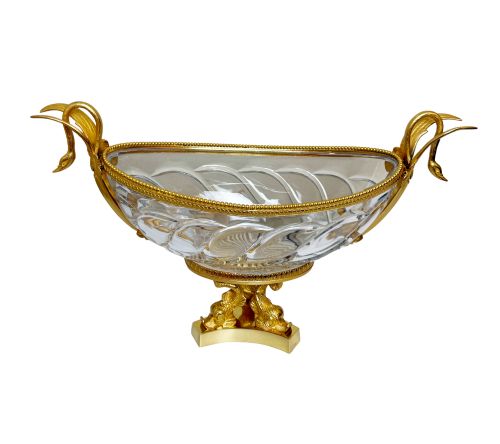
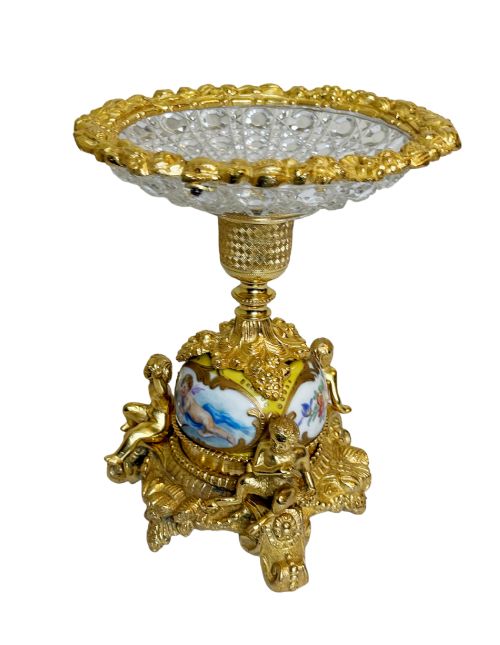
The primary forms found here include footed tazzas, pedestal bowls, and comports designed for display. Many incorporate figural details such as cherubs or mermen within the metalwork, while others utilise Sevres style porcelain or Limoges enamel plaques.
Makers and origins lean heavily toward French workshops, alongside Bohemian and Grand Tour productions. The selection ranges from early nineteenth-century Empire taste items down to early twentieth-century coloured glass vessels mounted in gilt metal frames.
How they were made
The metal components rely on bronze cast into detailed decorative shapes, then gilded to produce the bright ormolu finish. Artisans combined these gilded frames with heavy cut crystal, moulded glass, or fired porcelain inserts.
Additional decorative elements include champleve enamel work and hand-painted porcelain panels set directly into the metal mountings. The glass bowls feature deep cutting or coloured finishes designed to catch the light within the bronze framework.
Materials recorded across the selection include gilt bronze, ormolu, porcelain, enamel, cut crystal, and glass.
What varies in quality
The crispness of the bronze casting determines the definition in figural motifs like cherubs, mermen, and acanthus leaves. Sharper chased details and heavier metal gauges separate finer French production from simpler commercial work.
The quality of the insert vessel shifts the overall character, from plain pressed glass to deeply cut crystal or hand-painted Sevres style porcelain. The integration between the metal frame and the glass or ceramic insert dictates the structural harmony of the piece.
The Antique Ormolu Fruit Bowl Glossary
- Ormolu
- Gilded bronze, usually produced by applying a mercury and gold amalgam to cast bronze and firing it. This technique creates a durable, bright golden surface characteristic of decorative metalwork.
- Tazza
- A shallow bowl raised on a high foot or pedestal. These open vessels serve as display pieces for fruit or sweetmeats on a dining table.
- Comport
- A large standing dish or bowl used for serving fruit or desserts. They frequently feature ceramic bodies paired with metal stands.
- Champleve
- An enamelling technique where troughs or cells are carved into the surface of the metal and filled with vitreous enamel powder before firing. The resulting design sits flush with the surrounding metal partitions.
- Sevres style
- Porcelain decorated in the manner of the famous French factory, often featuring painted panels against coloured grounds with gilt highlights. This aesthetic appears frequently on nineteenth-century comports.
Antique Ormolu Fruit Bowl: Frequently Asked Questions
What is an ormolu fruit bowl used for?
These pieces functioned historically as table centrepieces to hold fruit or sweetmeats during formal dining.
Today, they serve primarily as decorative objects placed on sideboards, dining tables, or mantelpieces to display craftsmanship and materials.
How do I clean an antique ormolu bowl?
Dust the gilt bronze gently with a soft dry brush to protect the historical surface finish.
Wash glass or ceramic inserts separately with mild soapy water, ensuring no moisture reaches vulnerable adhesive or metal joints.
Are these bowls always French?
Many examples originate from nineteenth-century French workshops following Empire and Rococo Revival styles.
Other pieces stem from Bohemian, Czech, and Grand Tour traditions using comparable metalwork and glass techniques.
How can I tell the period?
Stylistic markers such as heavy Empire proportions, Rococo scrolls, or turn-of-the-century glass colours help date the objects.
Maker signatures or the specific treatment of the gilt bronze and porcelain bodies provide further chronological clues.