



Antique Crystal Compote
An antique crystal compote brings height and brilliance to a table, combining pedestal glass with elaborate mounts.
Antique Crystal Compote
When you search for an antique crystal compote, you encounter raised serving vessels and decorative bowls designed to hold fruit or anchor a table setting. These pieces take the form of tazzas, pedestal bowls, and substantial centrepieces mounted on stems or feet.
The selections span several periods, from Georgian and Regency items through Victorian and Edwardian examples up to the 1920s and 1930s. English and Bohemian workshops dominate the origins, alongside French mounts featuring elaborate cast details.
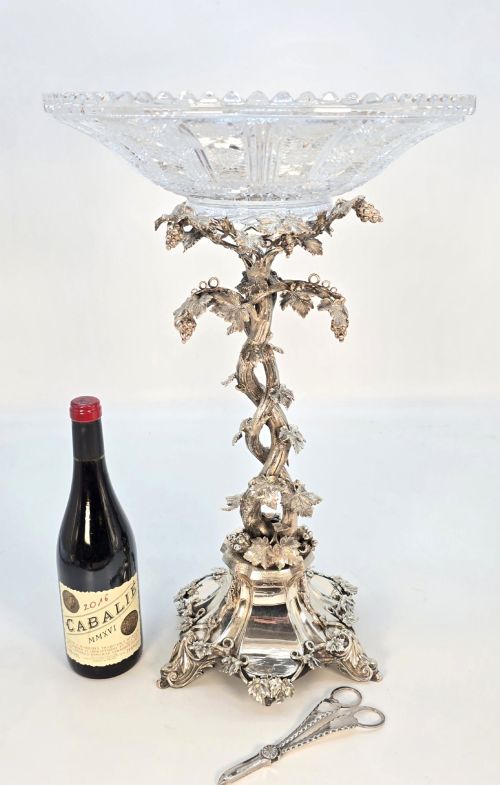
Most items rely on heavy cut glass or lead crystal, occasionally paired with silver plate, gilt bronze, or porcelain components. These elevated bowls serve as focal points, whether sitting singly or as matched pairs on a dining table.
How they were made
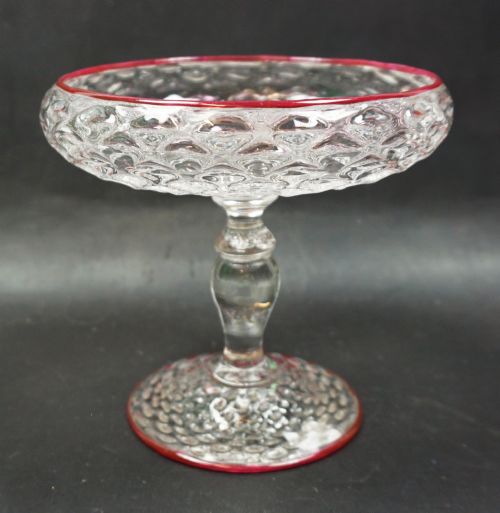
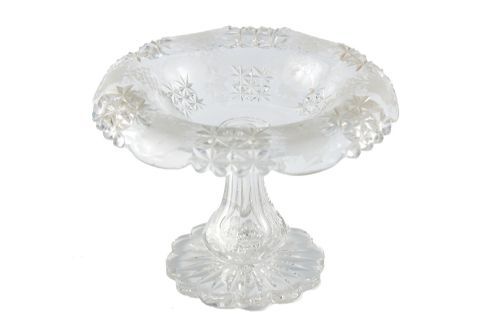
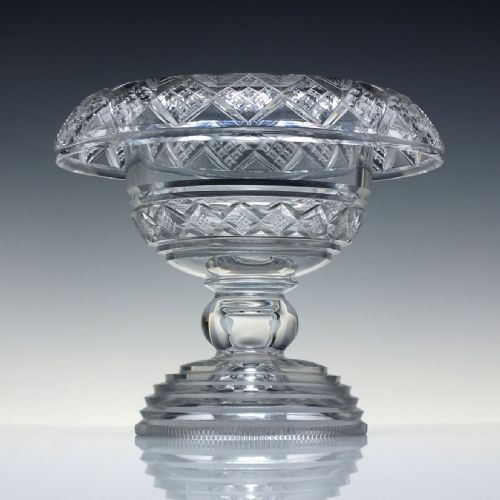
Maker's hands shaped these vessels through glass blowing and hand cutting, creating deep facets, hobnail patterns, and honeycomb mouldings across the surface. Artisans utilised lead crystal and crystal glass to achieve weight and clarity.
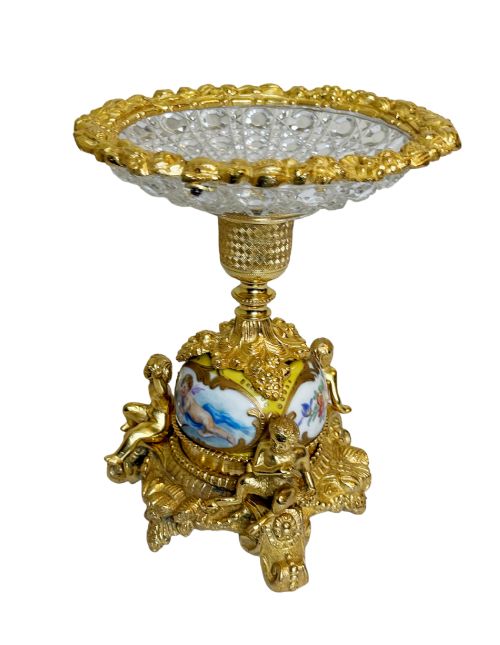
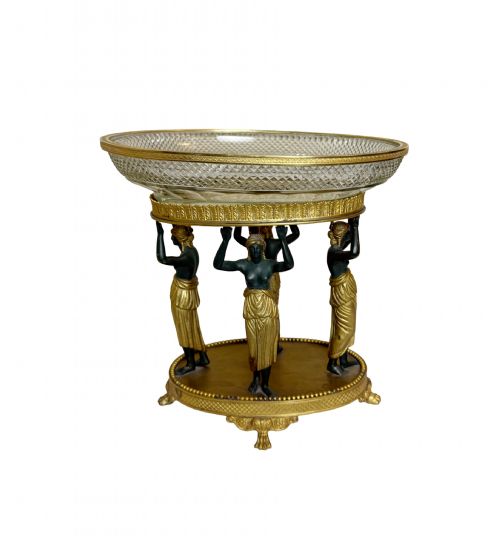
Metal components involved silver plate and gilt bronze, cast into decorative mounts, cherubs, and nautical figures that support or enclose the glass bowls. Certain pieces incorporate colour overlays, red canes, or etched designs onto the clear material.
Materials across these listings span cut glass, lead crystal, silver plate, gilt bronze, and porcelain.
What varies in quality
The division between standard items and superior examples rests on the depth of the cutting and the crispness of the glass facets. Deeper hand-cut patterns catch the light more intensely than shallow mouldings.
The integration of the mount marks a higher tier of workmanship, particularly where gilt bronze or silver plated components fit the crystal bowl securely without movement. Heavier metalwork and finer detail on figures elevate the standing of the piece.
The Antique Crystal Compote Glossary
- Tazza
- A shallow bowl or saucer mounted on a stem and foot. This form functions as a raised dish for fruit or sweetmeats.
- Hobnail pattern
- A raised, diamond-shaped geometric cutting style resembling the hobnails on sturdy boots. It creates pronounced texture and sparkle across the glass surface.
- Centrepiece
- A large decorative object placed in the middle of a dining table. These often combine cut crystal bowls with elaborate metal stands.
- Gilt bronze
- Bronze treated with a gold or mercury-gilding process to provide a durable metallic finish. It appears frequently on mounts and figures supporting the glass.
- Lead crystal
- Glass containing lead oxide to increase its weight, refractive index, and working time. This material allows for sharper cuts and greater brilliance.
Antique Crystal Compote: Frequently Asked Questions
What is an antique crystal compote used for?
These elevated vessels served originally to hold fruit, sweetmeats, or ornamental displays on the dining table.
Today they function primarily as decorative centrepieces or display bowls in reception rooms.
How do I clean an antique crystal compote?
Wash the glass gently in lukewarm water with mild soap, avoiding sudden temperature changes that can crack old material.
Keep metal mounts dry and polish silver plate or gilt bronze only with appropriate non-abrasive cloths.
How can I tell a Victorian compote from a Georgian one?
Georgian pieces often display heavier lead crystal with simpler, broader hand-cut facets and darker metal fittings.
Victorian examples frequently introduce more complex pressed or moulded patterns alongside silver-plated mounts.
Are these compotes safe to use for food?
Most antique pieces function well for serving dry fruits or decorative items during special occasions.
Lead crystal can leach small amounts of lead over long periods, so prolonged storage of wet or acidic food is discouraged.