



Edwardian Glass Centrepiece
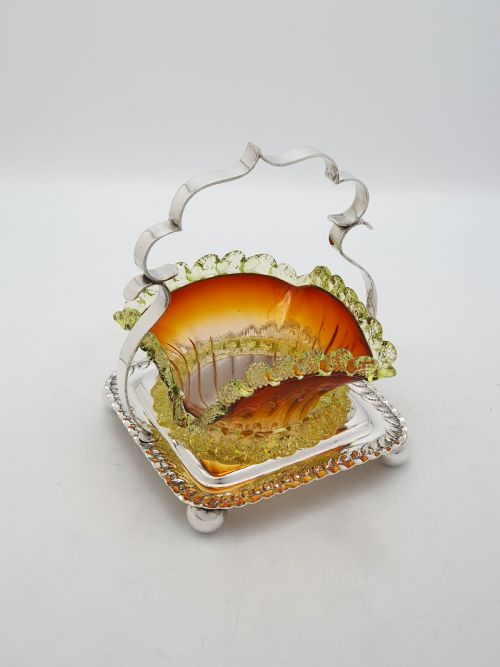
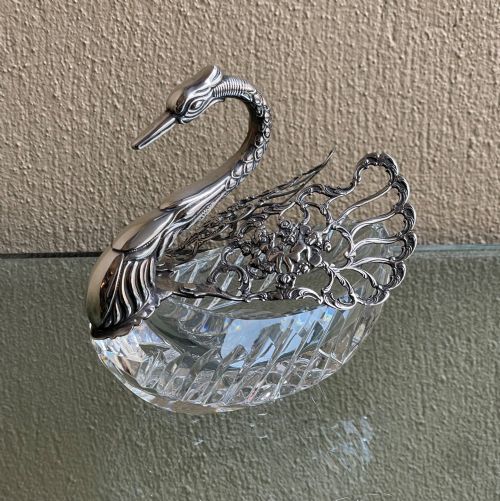
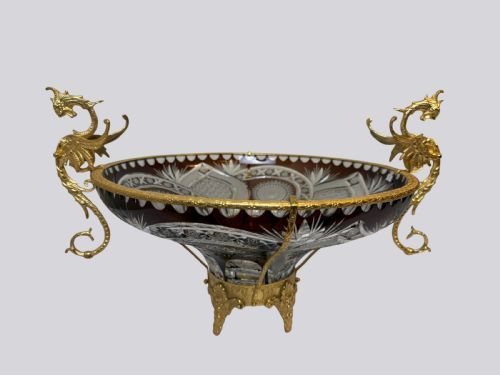
An edwardian glass centrepiece brings table decoration to life, combining coloured or cut vessels with metal frames for a striking display.
Edwardian Glass Centrepiece
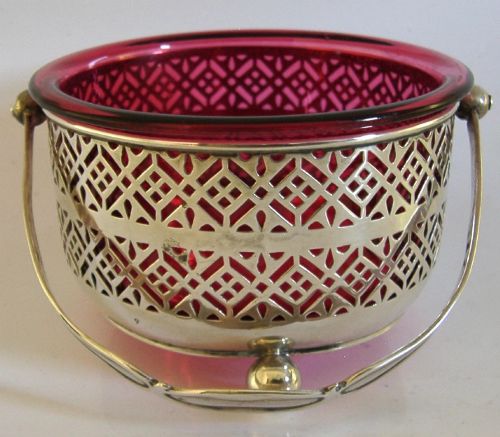
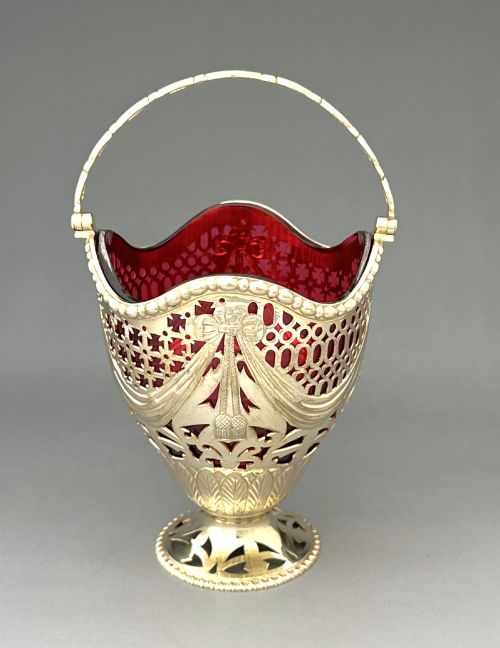
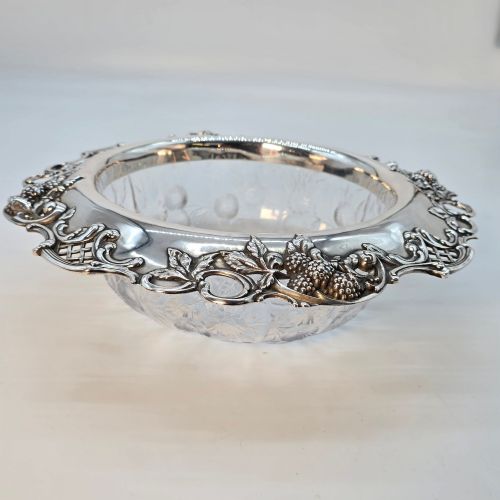
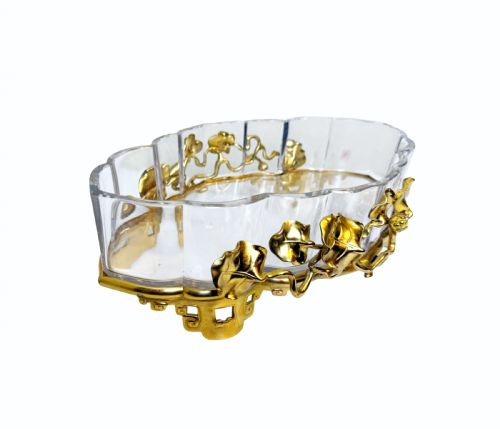
When you search for an edwardian glass centrepiece, you encounter an array of table vessels designed to command attention in domestic settings. These objects combine glass bowls, baskets or dishes with supportive frames, often intended for fruit, sweets or floral arrangements.
The most common examples on this page date from the early twentieth century, taking the form of cut glass dishes or coloured glass liners held within silver plated or sterling silver mounts. Alongside these pedestal bowls and baskets, related items such as epergnes and cruet sets appear within the wider selection.
How They Were Made
Makers combined heavy lead crystal or blown glass with metalwork frames using techniques like mould-blowing, wheel-cutting and etching. Coloured variants utilised specific chemical properties in the molten batch to achieve distinct hues such as cranberry, amber, ruby, vaseline and green.
Metal mounts typically relied on silver plating over a base metal, sterling silver, or cast gilt bronze. Piercing, embossing and applied handles secured the glass vessels firmly within their decorative frames.
Pumpkin-shaped punch bowls bring a seasonal autumn flavour to the dining table.
What Varies in Quality
The calibre of an edwardian glass centrepiece rests on the depth and crispness of the glass cutting, alongside the weight and finish of the metal mount. Heavier lead crystal with sharp, hand-polished facets sits above simpler pressed glass versions.
Integration between the glass liner and its metal frame dictates overall success, where bespoke fitting and substantial silver plating or bronze casting distinguish finer studio and factory productions from standard commercial wares.
Tiffany and Co·Graystan·WMF·Stuart·Goldsmiths and Silversmiths
The Edwardian Glass Centrepiece Glossary
- Epergne
- A large table centrepiece featuring a central trumpet or bowl surrounded by multiple smaller hanging arms or baskets. These multi-tiered vessels served fruit, flowers or sweetmeats.
- Cranberry glass
- Transparent red glass coloured by the addition of gold chloride to the molten batch. It ranges from a delicate pink to a deep crimson hue.
- Vaseline glass
- Transparent or translucent yellowish-green glass that contains uranium dioxide. It glows under ultraviolet light.
- Silver plate
- A thin layer of silver fused or electroplated onto a base metal such as copper or Britannia metal. This technique offered the visual appeal of solid silver at a lower cost.
- Bonbon dish
- A small open vessel intended for holding sweets or small confectionary. They frequently feature swing handles and coloured glass liners.
Edwardian Glass Centrepiece: Frequently Asked Questions
What is an edwardian glass centrepiece used for?
These pieces served primarily as decorative focal points on dining or side tables, holding fruit, flowers, or small sweetmeats during formal meals and gatherings.
Today, they function well as decorative display objects in their own right, continuing to hold floral arrangements or standing empty to showcase the glass and metalwork.
How do I identify an edwardian glass centrepiece?
Identification relies on observing characteristic stylistic elements of the period, such as flowing Art Nouveau motifs, heavy cut crystal, or pierced silver plated frames holding coloured glass liners.
Examining any accompanying hallmarks, stamps, or registration numbers on the metal mounts also helps confirm the period of manufacture.
Are all centrepieces made of silver?
Many examples combine glass with silver plating or gilt bronze rather than solid sterling silver. Manufacturers utilised base metals coated in silver to provide durability and decorative appeal.
Precious metal components are usually stamped or hallmarked to indicate the standard of silver used in the frame or mount.
How should I clean my glass centrepiece?
Gentle washing in warm soapy water using a soft cloth is recommended for both the glass and metal components. Harsh abrasives can damage delicate silver plating or scratch the surface of the glass.
Removable glass liners should be taken out of their metal frames before cleaning to ensure complete access and safety for both materials.