
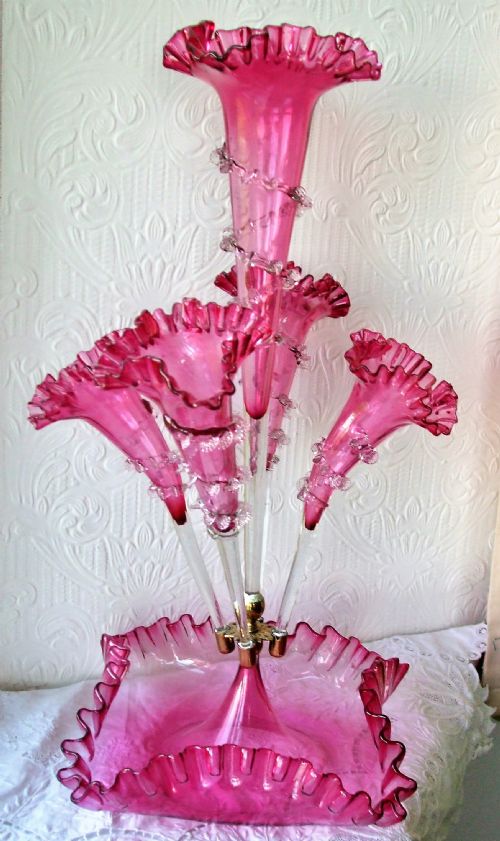


Antique Table Epergne
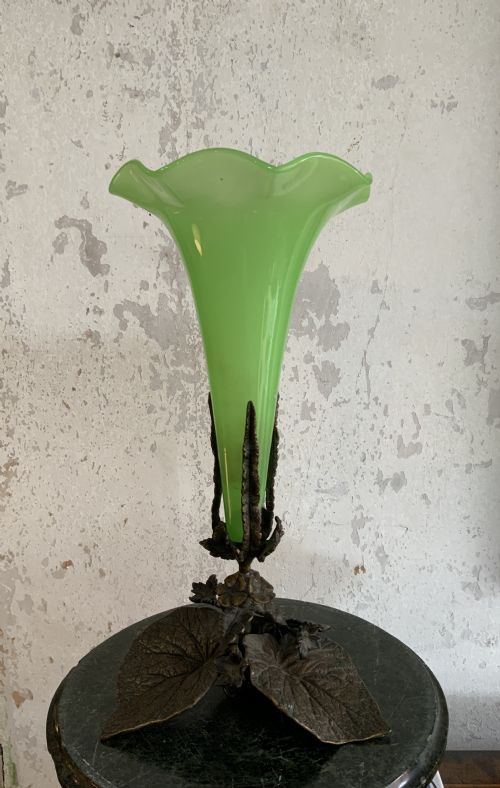
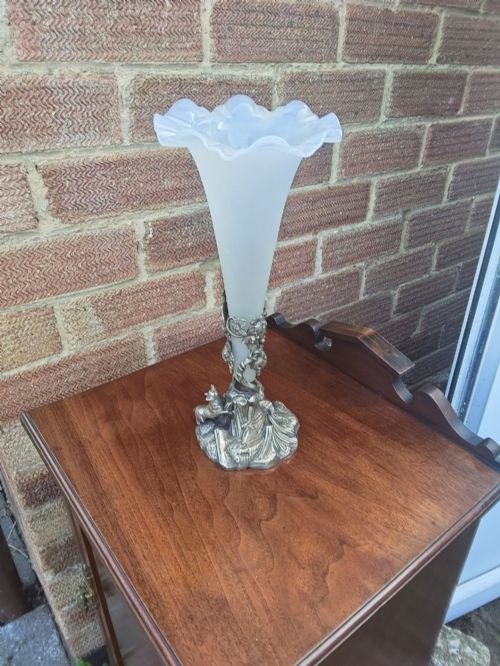
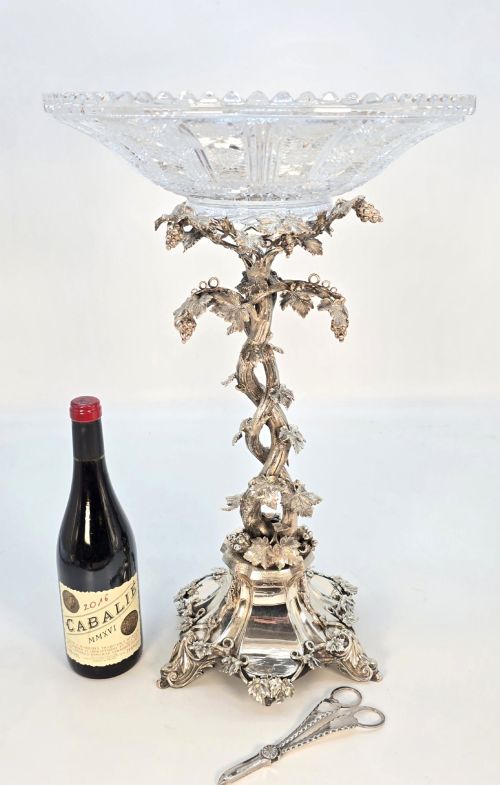
An antique table epergne stands as a dramatic centrepiece for the dining table, combining precious metals with blown glass to hold fruit, flowers or sweets.
Antique Table Epergne
An antique table epergne serves primarily as a grand table centrepiece, designed to command attention in the middle of a formal dining room during the nineteenth and early twentieth centuries. When searching for this phrase, buyers encounter multi-trumpet glass inserts, central dishes and branching candelabras intended for elaborate table service.
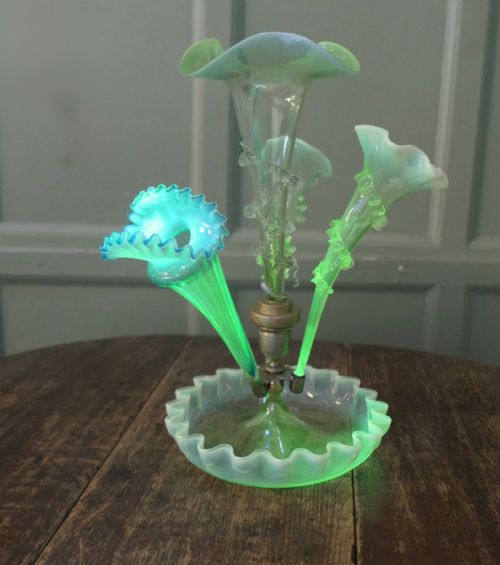
The most common examples appearing on this page date from the Victorian period, featuring combinations of silver plate and coloured glass such as cranberry, vaseline or uranium glass. Makers also produced these pieces in Edwardian, Art Nouveau and Art Deco styles, incorporating carved wood from the Black Forest or crystal from Baccarat.
Forms range from single posy vases and flower pot stands to massive compositions with multiple trumpets and hanging baskets. English and French workshops dominated production, utilising sturdy bases of Old Sheffield plate, gilt bronze or white metal to support delicate glass components.
Materials and Techniques
Makers constructed the structural frames using silver plate, Old Sheffield plate, sterling silver, gilt bronze or carved wood, often casting and chasing intricate details like palm trees or nautical motifs. These metal mounts provided the necessary weight and balance to support heavy glass bowls and branching trumpets.
The glass elements demonstrate advanced nineteenth-century glassmaking techniques, including hand-blown cranberry glass, opaline glass, etched crystal and moulded uranium or vaseline glass. Artisans combined these fragile components with fitted metal collars and screw threads to secure the trumpets firmly into the central base.
Several pieces incorporate nautical themes with silver-plated sailors, proving that nineteenth-century dining tables occasionally required a touch of high-seas drama.
Judging Quality
Quality rests upon the harmony between the metal mount and the glass inserts, where heavier silver plating and deeply cut crystal signify superior workshop production. Pieces bearing recognisable maker marks from established firms demonstrate finer hand-chasing on the metalwork and greater precision in the glass-blowing.
The complexity and scale of the design distinguish ordinary vessels from exceptional table centrepieces, particularly those featuring multiple matched trumpets or elaborate carved wooden Black Forest figures. Intact, matching glass suites without replacement trumpets elevate the desirability of the entire epergne.
Walker and Hall·James Deakin·James Dixon·Royal Worcester
The Antique Table Epergne Glossary
- Epergne
- A large table centrepiece featuring multiple branching holders for fruit, flowers or sweetmeats. These decorative stands dominated formal dining tables throughout the Victorian era.
- Cranberry glass
- A rich red transparent glass coloured by the addition of gold chloride to the molten batch. It appears frequently in Victorian table ornaments and epergne trumpets.
- Vaseline glass
- A transparent yellowish-green glass containing uranium dioxide, which glows brightly under ultraviolet light. Victorian makers favoured this material for striking table centrepieces.
- Old Sheffield plate
- A composite material made by fusing a thin sheet of sterling silver to a thicker copper base. Makers utilised this technique before the invention of electroplating.
- EPNS
- Electroplated Nickel Silver, a common base metal method utilised for nineteenth-century tableware and epergne frames. Manufacturers coated a durable nickel alloy with a thin layer of pure silver.
- Baccarat crystal
- High-clarity lead crystal produced by the renowned French manufactory. Items featuring this crystal display exceptional brilliance and weight.
Antique Table Epergne: Frequently Asked Questions
How were antique epergnes used?
Dining hosts used these multi-tiered vessels as central table ornaments during formal nineteenth-century meals. The branching trumpets held fresh flowers or small decorative plants, while the lower bowls accommodated fruit or sweetmeats.
Servants placed the large centrepiece directly in the middle of the dining table before guests entered. The arrangement allowed diners to converse beneath or around the elevated floral displays.
How do I clean an antique epergne?
Cleaning requires separating the glass components from the metal base wherever possible to prevent damage. Wash the glass gently in warm soapy water, avoiding abrasive cloths that might scratch etched or coloured surfaces.
Polish the silver plate or bronze mounts with a suitable non-abrasive metal cleaner applied sparingly with a soft cloth. Take care not to get polish onto the glass, particularly near antique applied mounts or fragile rims.
Are the glass trumpets original?
Determining originality involves examining the fit of the glass stems inside the metal collars and checking for consistent colour and wear patterns. Replacement trumpets often show slight differences in hue or thickness compared to the central bowl.
Look closely at the ground pontil marks on the base of the glass inserts. Matching manufacturing techniques across all trumpets strongly suggest they belong together as a unified set.
How do I date an epergne?
Dating relies on stylistic clues, manufacturing techniques and maker marks stamped onto the metal base. Victorian examples often feature naturalistic motifs, bright cranberry glass and heavy silver plating.
Later Edwardian and Art Nouveau pieces display softer floral curves, sterling silver hallmarks with specific date letters, or lighter opaline glass inserts. Comparing the overall form against documented maker catalogues helps narrow down the decade of production.