




Edwardian Table Decorations
Edwardian table decorations bring domestic elegance to dining, featuring sterling silver place settings, novelty pepper pots and delicate glassware.
Edwardian Table Decorations
Edwardian table decorations encompass the ornaments and dining accessories placed upon the table and surrounding surfaces during meals. These items served both a decorative and a practical purpose in high-society dining.
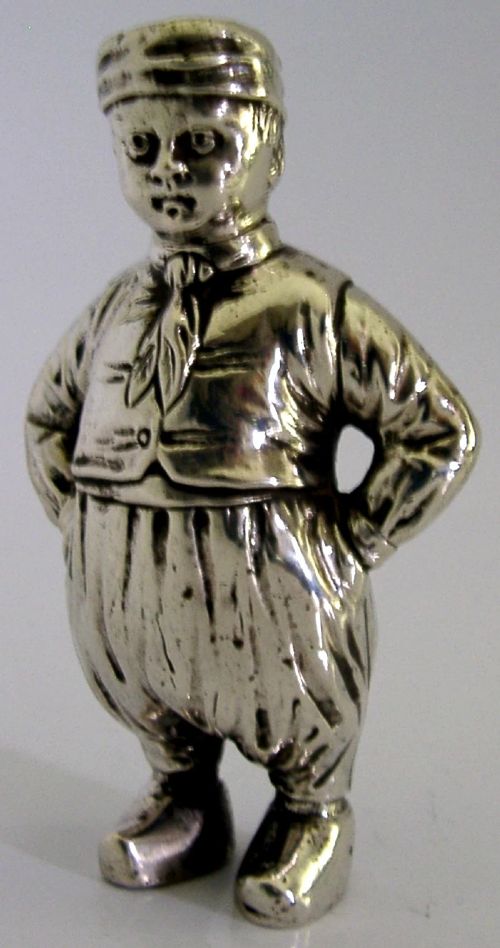
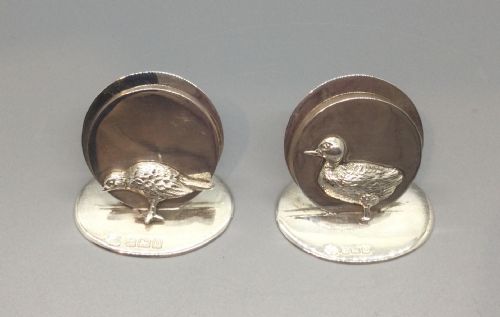
The pieces on this page include sterling silver menu holders, novelty cruets, napkin rings, and glass epergnes. Many reflect the Edwardian penchant for floral motifs and novelty animal forms.
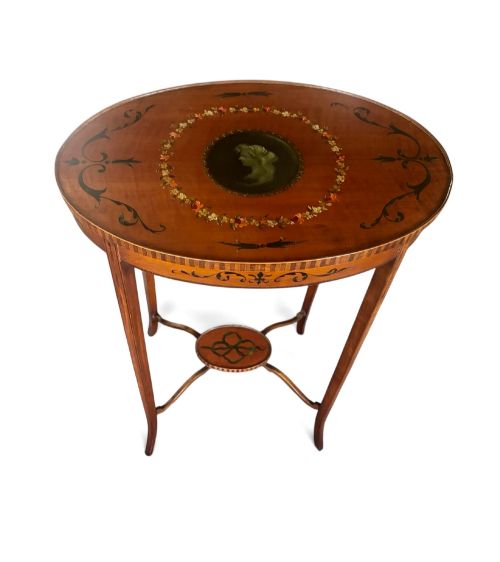
While the primary period is Edwardian, the listings also incorporate items from surrounding decades such as the Victorian and George V eras. Occasional tables and side tables frequently accompany these dining accessories.
Materials and construction
Silver is the dominant material for functional table wares, appearing as sterling silver and 800 silver in items such as napkin rings and menu place holders. Artisans shaped these through casting, embossing, and chasing to achieve detailed floral and figural designs.
Copper and brass appear in decorative urns, showcasing chased floral decoration typical of the period's ornamental metalwork.
Alice in Wonderland characters occasionally hold your dinner menus.
Assessing quality and craftsmanship
Quality in these items rests upon the crispness of the casting and the depth of the chasing in metalwork. Superior pieces display finely articulated details in figures such as game birds or novelty characters rather than smooth, generalized forms.
In glassware and painted wood, the precision of the hand-applied decoration dictates the standard. Fine brushwork and intact gilt or painted floral motifs elevate an ordinary object to a higher grade of craftsmanship.
The Edwardian Table Decorations Glossary
- Epergne
- A large table centrepiece featuring multiple branching dishes or holders for fruit, sweets, or flowers. They often utilise coloured glass or sterling silver.
- Cruet
- A small container or set of containers for holding condiments like salt, pepper, or mustard at the dining table. Novelty versions shaped like animals are particularly collectable.
- Menu Holder
- A small upright stand designed to display the menu card for diners. They were frequently cast in silver depicting birds, figures, or floral themes.
- Napkin Ring
- A personal ring used to identify and store table napkins between meals. Sterling silver examples often bear hallmarks indicating the year and assay office.
- Satinwood
- A durable timber with a natural sheen, prized for fine furniture and decorative table pieces. It provides a pale golden ground for painted floral decoration.
Edwardian Table Decorations: Frequently Asked Questions
What are edwardian table decorations?
These items are the decorative and functional accessories used to dress dining tables and rooms during the early twentieth century. They include silver menu holders, napkin rings, and glass epergnes.
They reflect the formal dining customs of the period, where presentation and novelty played a central role in entertaining guests.
How were silver menu holders used?
Silver menu holders were placed at intervals along the dining table to display the courses for the meal. Guests could easily read what dishes were to be served.
They often took whimsical forms, such as game birds or literary characters, serving as conversation pieces during dinner.
How do I care for silver table accessories?
Sterling silver and 800 silver items require gentle cleaning with a specialised silver cloth to remove tarnish without harming the metal. Avoid abrasive polishes that can wear away embossed or chased details.
Store them away from direct moisture and humidity to maintain their finish over time.
Can I use an epergne for flowers?
Epergnes are designed with multiple trumpets or baskets intended to hold cut flowers, fruit, or sweetmeats. Their tiered structure makes them natural centrepieces for a dining table.
Care should be taken when filling glass epergnes to protect the delicate material from sudden temperature changes.
How do I identify Edwardian silver?
Edwardian silver can be identified by hallmarks stamped onto the metal, which indicate the assay office, the standard of silver, and the date letter for the year of manufacture. The Edwardian period spans from nineteen hundred to nineteen ten.
Stylistic elements like floral chasing and novelty figures also point towards the aesthetic of this era.