
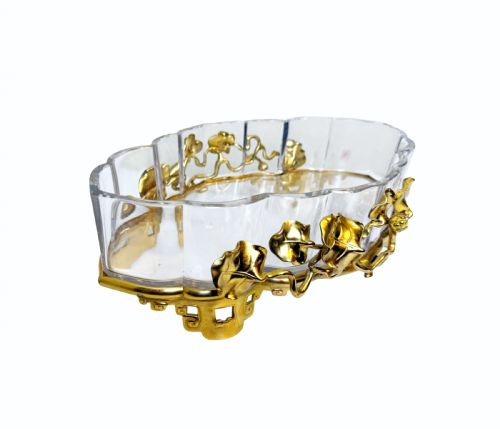


Floral Table Centrepiece
A floral table centrepiece commands the middle of a dining or side table, bringing modelled porcelain, cast bronze or chased silver into the room.
Floral Table Centrepiece
A floral table centrepiece acts as the focal point for a formal table, taking the form of bowls, baskets, trays and figurative stands. These objects emerge from nineteenth-century dining traditions, spanning Victorian and Edwardian periods alongside Continental European revivals.
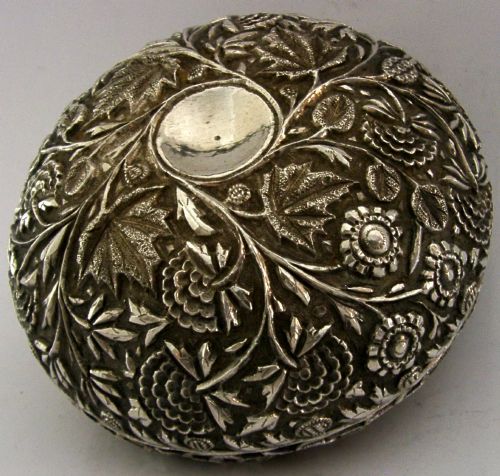
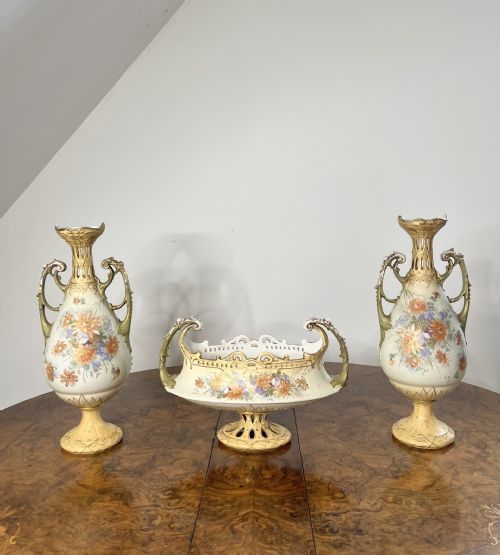
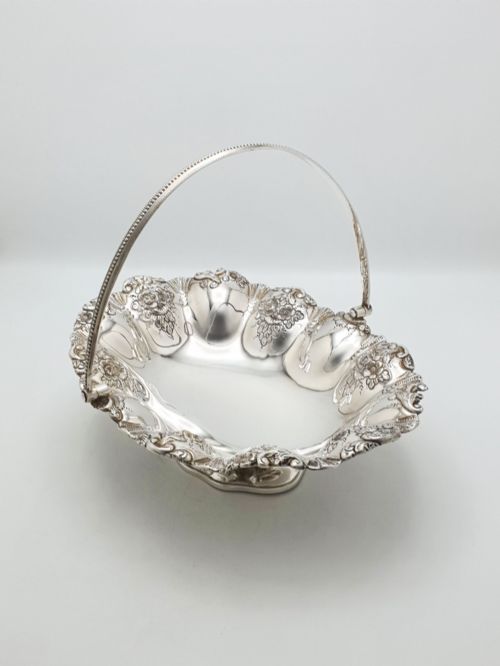
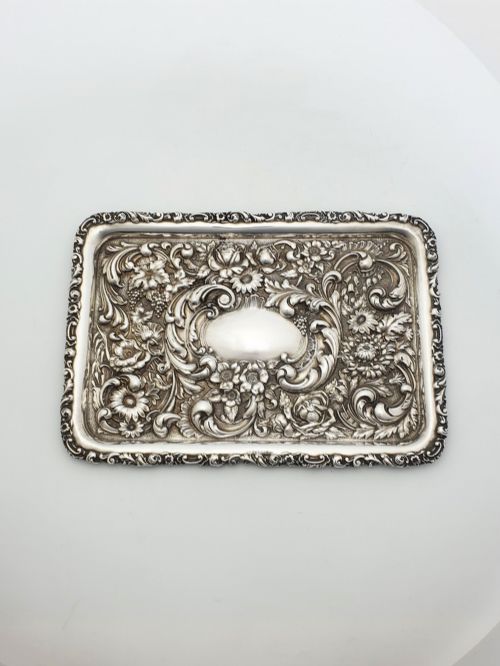
The items found here include German and Austrian porcelain centerpieces, silver-plated and sterling silver baskets with repoussé work, and gilt bronze frames holding glass or crystal vessels. Many incorporate modelled putti, cherubs, and birds intertwined with floral motifs.
How they were made
Makers shaped these pieces from porcelain, ceramic, glass, and metals such as silver plate, sterling silver, ormolu, and gilt bronze. Artisans employed hand-painting, transfer printing, enamel work, and crystal cutting to build surface detail.
Metal components involve casting, chasing, and the application of gold leaf, while ceramic and porcelain examples rely on kiln firing, moulded relief, and applied floral elements that demand steady handwork.
Several German porcelain centrepieces feature tiny ceramic cherubs apparently attempting to play musical instruments while sitting among glazed roses.
What varies in quality
The standard of a floral table centrepiece rests on the crispness of the modelling in porcelain figures and the depth of repoussé detail on silver or plated surfaces. Superior examples display refined hand-painting, balanced proportions, and clean chasing on bronze and ormolu mounts.
Simpler production relies on heavier, less detailed moulds and basic finishing, whereas high-grade pieces integrate intricate figural work, such as musical putti or delicate porcelain petals, securely joined to substantial frames.
Royal Vienna·Schierholz·Plaue Schierholz·Sitzendorf·Ridgway·Meissen·Davenport·Samson·Dresden
The Floral Table Centrepiece Glossary
- Repoussé
- Metalwork technique where a design is hammered into relief from the reverse side. This creates raised floral patterns on silver trays and baskets.
- Ormolu
- Gilded bronze used for decorative mounts and frames. It provides a bright golden finish alongside porcelain bowls and mirrors.
- Putti
- Depictions of small, chubby male infants, often winged. They frequently appear modelled in porcelain around the base of German centrepieces and candelabra.
- Epergne
- A large table centrepiece featuring multiple branching arms, baskets or vases. Victorian versions often use cranberry or pearlescent glass.
- Champlevé
- Enamel technique where troughs are dug into a metal surface and filled with vitreous paste before firing. This decorates ormolu and onyx centrepieces.
Floral Table Centrepiece: Frequently Asked Questions
What is a floral table centrepiece used for?
These objects served as the decorative centre of nineteenth-century dining tables, holding fruit, sweets, or cut flowers during formal meals.
Today, they function as standalone display pieces on sideboards, dining tables, or large consoles, adding architectural weight to a room.
How do I clean an antique centrepiece?
Dust porcelain and glass gently with a soft, dry brush to protect delicate applied flowers and hand-painted details from moisture.
Avoid abrasive metal polishes on ormolu and gilt bronze, using only a dry cloth to maintain the surface without stripping the gilding.
How do I date a porcelain centrepiece?
Examine the style of the figures, the paste of the porcelain, and any impressed or painted factory marks underneath the glaze.
Compare the aesthetic to known periods like the Victorian era or Edwardian period, noting whether the form leans toward Rococo Revival or Art Nouveau.
Are silver plated and sterling silver pieces heavy?
Solid silver items, such as bowls and trays, carry a distinct heft due to the thickness of the metal used by the silversmith.
Silver-plated pieces utilise a base metal core beneath the plated surface, which can also feel substantial depending on the gauge of the repoussé work.