



Early 20th Century Centrepiece
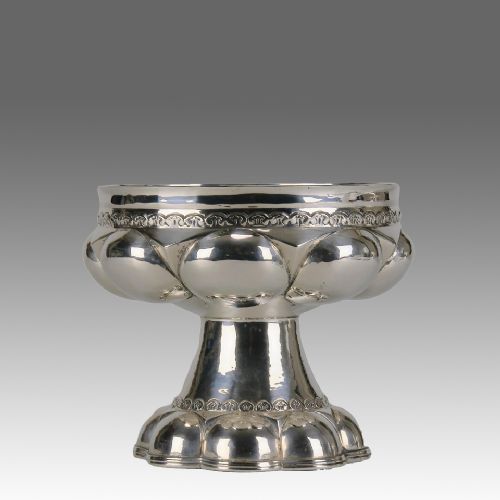
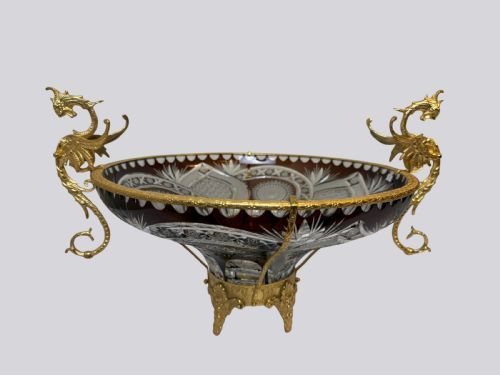
An early 20th century centrepiece anchors a table with presence, taking the form of chalices, vases, and decorative bowls.
Early 20th Century Centrepiece
An early 20th century centrepiece serves as a striking focal point for a room or table setting, drawing the eye with substantial form and distinct period character. The selection on this page ranges widely across decorative bowls, punch bowls, chalices, and vases.
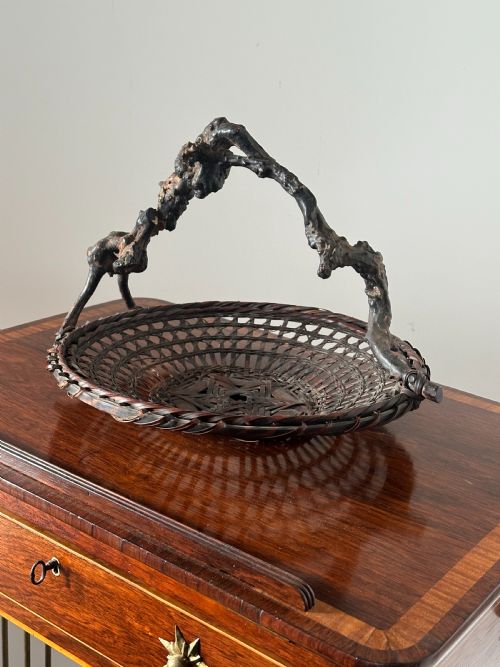
Buyers will most frequently encounter varied iterations spanning Edwardian elegance, Arts and Crafts utility, Art Nouveau fluidity, and rustic country charm. These pieces often reflect international influences, including Japanese crafts and Chinese Qing Dynasty aesthetics.
The materials utilised for these objects demonstrate the diverse manufacturing approaches of the period, moving between precious metals, worked timber, and blown glass. Each vessel carries the distinct aesthetic priorities of its decade of origin.
How they were made
Makers shaped sterling silver and gilt bronze through traditional casting, hammering, and wirework techniques to achieve complex decorative surfaces. Glass examples display specialised methods such as cut glass faceting and iridescent Phänomen treatments.
Wooden forms rely on solid timber and hand polishing to accentuate the natural grain of the material. Specialised composition materials also appear, cast into intricate naturalistic shapes like giant clam shells.
Listings feature periods spanning the Edwardian era, 1900, 1910, 1920, and the wider 19th century.
What varies in quality
The calibre of an early 20th century centrepiece rests upon the precision of its execution and the integrity of its materials. Fine metalwork displays crisp chasing and substantial gauge metal, whilst superior glass shows depth of colour and careful hand-cutting.
Design cohesion and balance dictate distinction among these pieces. Items that successfully marry form with distinct stylistic movements command greater attention than utilitarian vessels.
Nathan and Hayes·Loetz Witwe
The Early 20th Century Centrepiece Glossary
- Compote
- A raised bowl used for serving fruit or display, typically featuring a stem and a footed base.
- Chalices
- Deep ritualistic or ceremonial cups mounted on a stem, often rendered in solid silver during the early 20th century.
- Phänomen
- An iridescent glass technique developed by Loetz that creates undulating, feather-like surface patterns.
- Ikebana basket
- A traditional Japanese vessel woven from bamboo specifically for minimalist floral arrangements.
- Silver overlay
- A decorative technique where sterling silver is bonded directly onto a glass or ceramic body.
Early 20th Century Centrepiece: Frequently Asked Questions
How are these large bowls cleaned safely?
Clean glass and ceramic bowls gently using lukewarm water and mild soap, avoiding abrasive cloths that might damage the surface.
Silver and bronze components require specialised metal care to preserve the original finish without stripping the patina.
Can I use a punch bowl for serving?
Many cut glass and porcelain punch bowls from this era remain fully functional for serving beverages at gatherings.
Check the interior for any historical wear or treatment that might advise against direct contact with food or liquids.
How do I identify Art Nouveau styling?
Art Nouveau pieces showcase organic, flowing lines inspired by natural forms rather than rigid geometric symmetry.
Look for iridescent surfaces and stylised plant motifs typical of the turn of the century.
Where should a heavy bronze bowl be placed?
Position substantial bronze or solid wood vessels on sturdy, level furniture capable of supporting considerable weight.
Ensure the placement avoids direct, prolonged sunlight to protect vulnerable finishes from fading.