


French Ormolu Glass Bowl
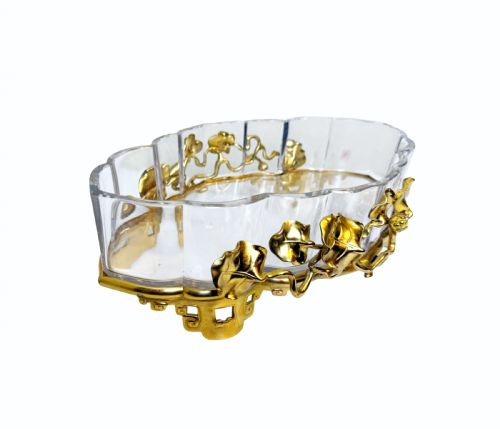
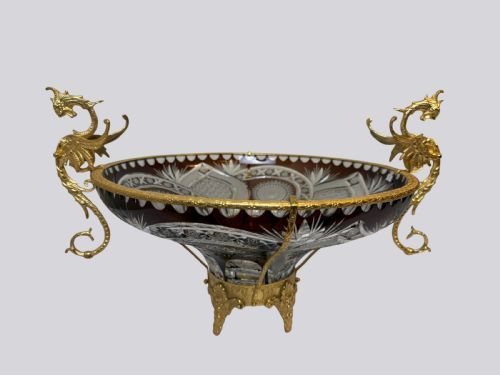
A french ormolu glass bowl combines gilded metalwork and clear crystal to anchor a table arrangement with nineteenth-century display presence.
French Ormolu Glass Bowl
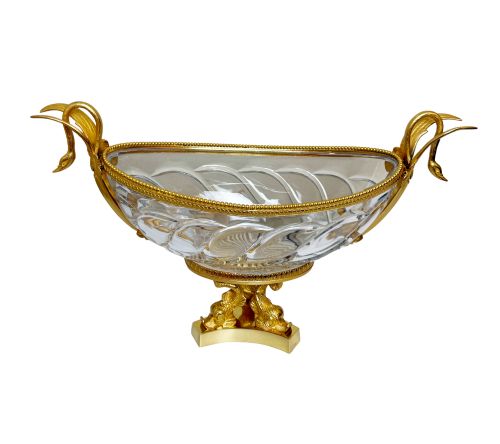
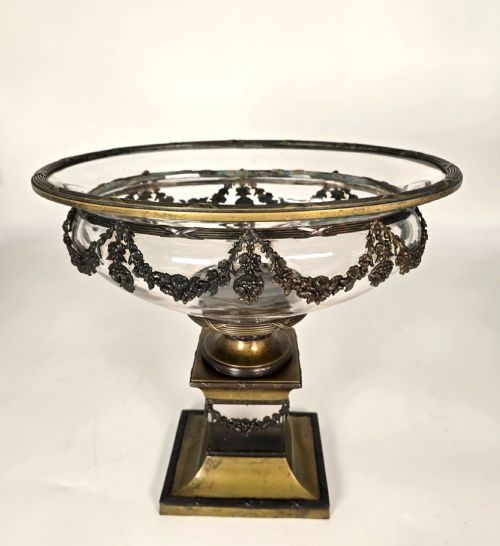
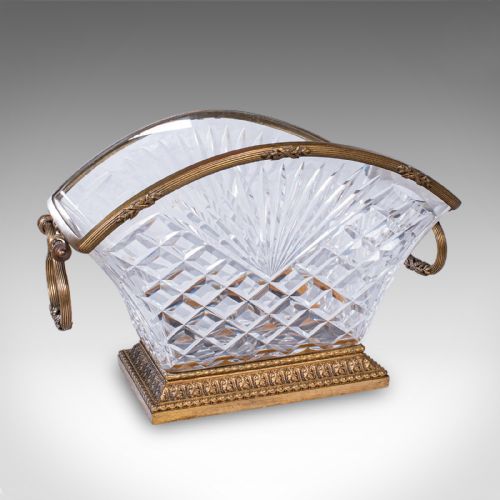
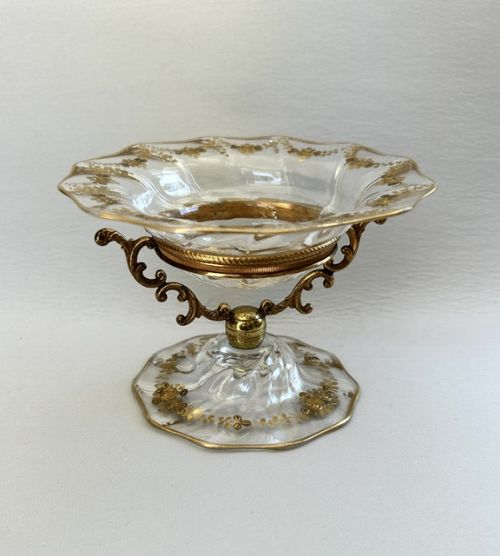
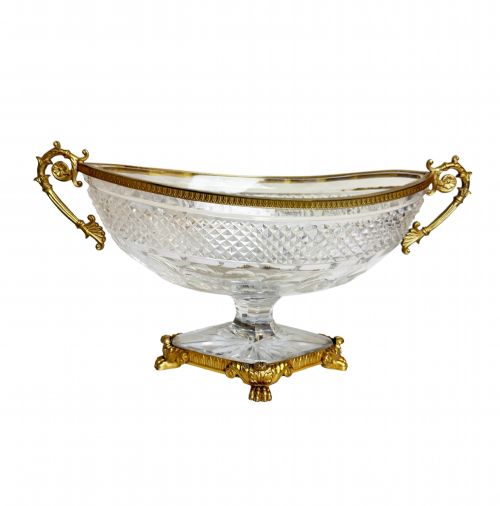
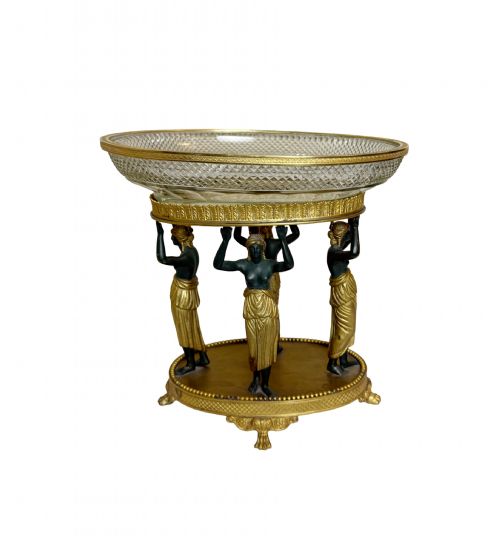
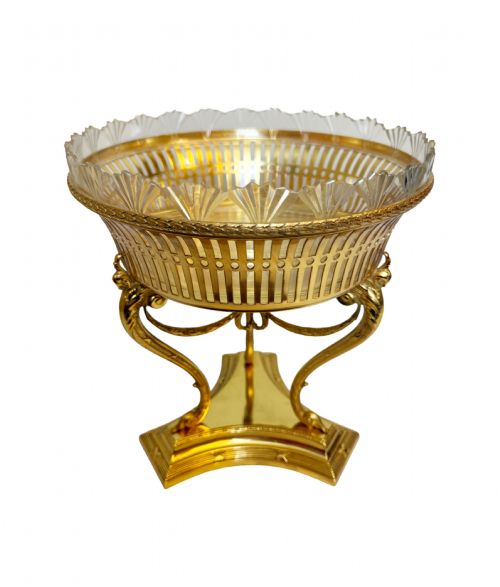
A french ormolu glass bowl typically takes the form of a substantial centrepiece, jardiniere, or decorative serving vessel meant for prominent placement on a dining table or sideboard. These objects merge clear or coloured glass vessels with ornate metal mounts, combining functional bowls with sculptural frames.
The pieces appearing on this page span from the mid-nineteenth century through the early twentieth century, encompassing Victorian creations alongside pieces from the 1860s up to the 1920s. Buyers will regularly encounter forms influenced by French Empire, Second Empire, and French Rococo Revival styles.
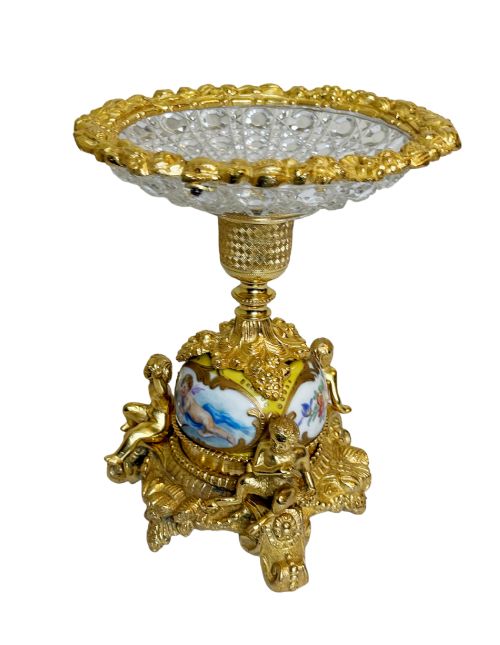
Vessels range from pedestal bowls and footed dishes to low Jardinieres fitted with cast bronze mounts. Many incorporate classical motifs, mythological figures like mermen, or cherubs directly into the metal framework supporting the glass or crystal insert.
Assessing quality and execution
Quality rests primarily on the crispness of the bronze chasing and the depth of the metal casting, where sharper details indicate superior craftsmanship. Heavier mounts and thicker cut crystal inserts demonstrate a higher grade of manufacture.
The integration between the glass bowl and the metal frame also distinguishes better pieces, ensuring a secure and exact fit without excessive movement. The clarity and weight of the glass, alongside the richness of the gilding, separate standard production items from finer studio works.
The documented design influences range from French Empire and Neoclassical styles to French Rococo Revival and Art Nouveau.
The French Ormolu Glass Bowl Glossary
- Ormolu
- A metallic technique involving the application of finely ground gold-mercury amalgam to a bronze object, creating a rich golden surface. It is frequently seen on nineteenth-century decorative metalwork.
- Jardiniere
- A decorative container designed to hold plants or floral arrangements, often manufactured in porcelain, glass, or metal. In this context, it refers to large table bowls fitted with bronze mounts.
- Centrepiece
- A large ornamental object placed in the middle of a dining table for display. These pieces often incorporate cut crystal bowls supported by gilt bronze stands.
- Empire Style
- A neoclassical design movement originating in France during the early nineteenth century, characterised by military motifs and classical symmetry. It heavily influences many of the bronze mounts found on these vessels.
- Cut Crystal
- Glass containing lead oxide that is faceted by grinding and polishing to increase brilliance and weight. It provides the heavy, light-reflecting body for many nineteenth-century table bowls.
French Ormolu Glass Bowl: Frequently Asked Questions
How do I clean the metal mounts safely?
Dust the gilt bronze gently with a soft, dry brush to prevent accumulation in the recesses of the casting. Avoid harsh chemical cleaners and commercial metal polishes, which can strip away the historic ormolu surface.
Lift the glass insert out of the metal frame before washing it separately in warm soapy water. Dry the glass completely before returning it to the bronze mount to prevent moisture retention.
Where were these bowls originally displayed?
These vessels stood at the centre of dining tables or upon sideboards within nineteenth-century drawing rooms and formal dining spaces. They functioned as ornamental focal points during banquets and afternoon gatherings.
Wealthy households utilised them as fruit bowls, flower holders, or standalone decorative objects on marble-topped console tables.
How can I tell the difference between Empire and Rococo Revival styles?
Empire style mounts rely on strict symmetry, classical columns, military trophies, and severe geometric lines. They reflect the architectural tastes of the early nineteenth century.
Rococo Revival mounts feature asymmetrical curves, scrolling foliage, naturalistic flowers, and figurative elements such as cherubs or mermen. This style gains popularity during the mid to late Victorian era.
Are the glass inserts usually original to the stands?
Many surviving pieces retain their original heavy cut crystal or glass bowls, which were custom-made to fit the specific contours of the bronze armature. You can assess originality by examining how snugly the glass rests within the mounting brackets.
Minor variations in thickness or small bubbles within the glass are common manufacturing traits of nineteenth-century production rather than signs of later replacement.