
Antique Oriental Urn Table
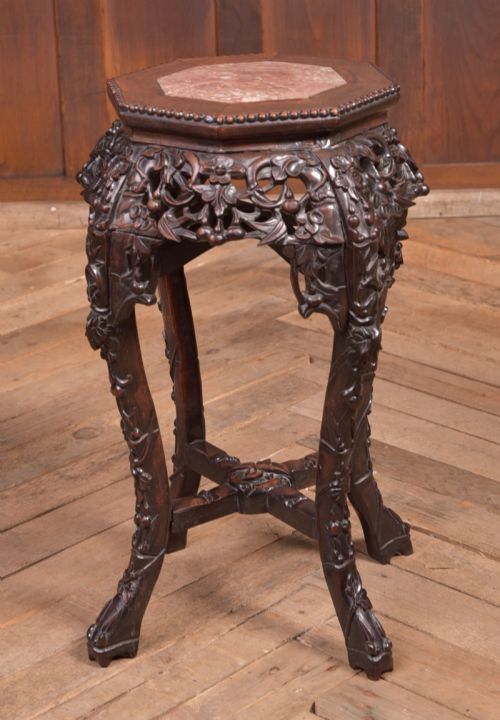
An antique oriental urn table brings together carved hardwoods and inset stone, serving as a sturdy support for display.
Antique Oriental Urn Table
The term antique oriental urn table describes low tables, plant stands, and pedestal supports designed to hold vases, jardiniere bowls, or urns. These pieces originate primarily from Chinese and Japanese workshops spanning the nineteenth century and the early decades of the twentieth century.
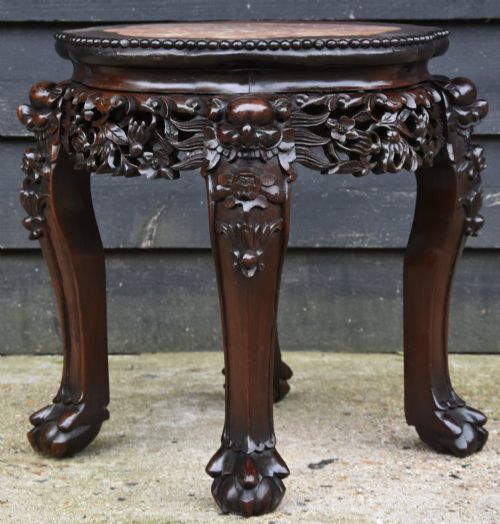
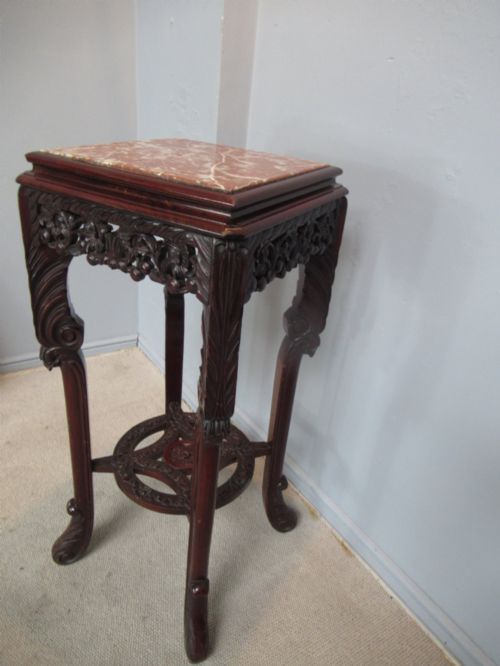
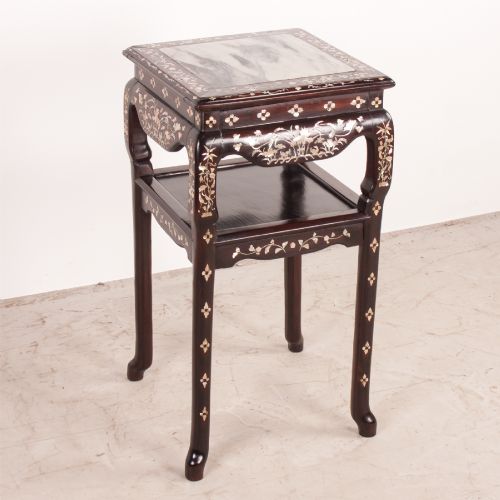
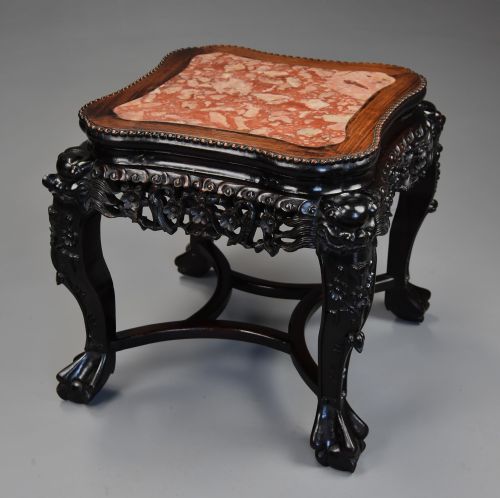
Most examples encountered here function as pot stands or occasional tables, frequently featuring circular or shaped tops inset with marble. The forms vary from low rectangular tables to tall pedestals intended for prominent display in a room.
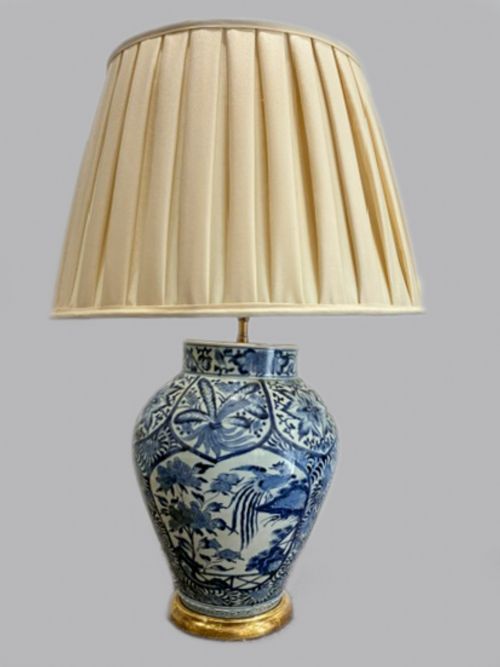
Asian interiors and export markets influenced the creation of these objects, incorporating aesthetic traditions from the Qing Dynasty and the Meiji period. Makers utilised dense timbers alongside imported ceramics and bronzes to build functional furniture for domestic display.
Materials and construction
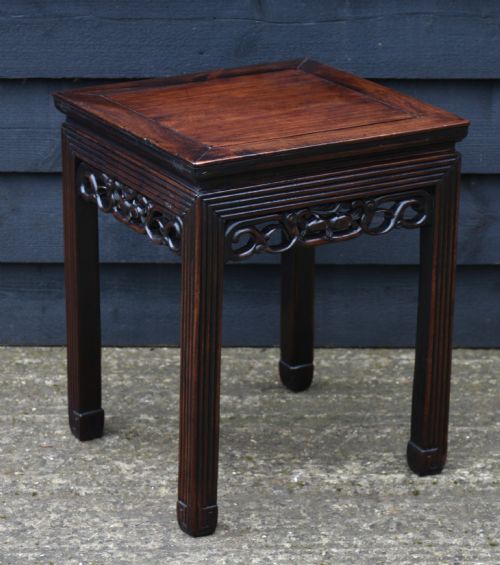
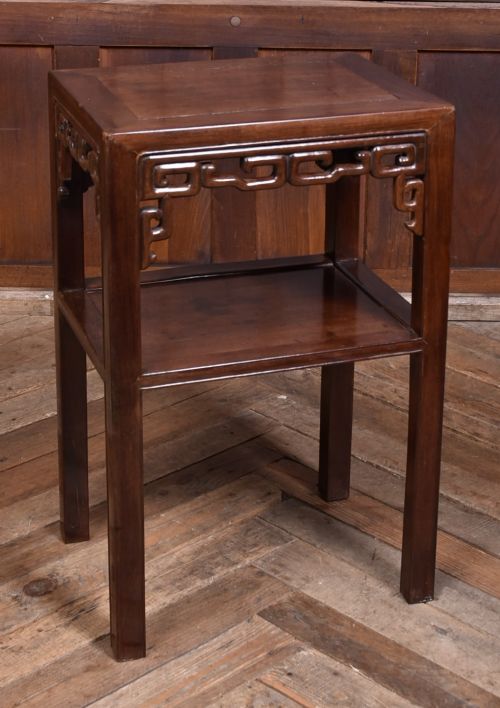
Carpenters constructed these stands using dense imported timbers such as rosewood, padouk, and general hardwoods, often carving the frames with intricate floral or geometric motifs. These woods provided the structural strength required to support heavy stone inserts and large ceramic vessels without warping.
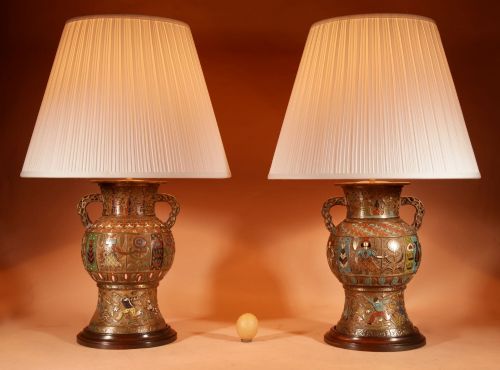
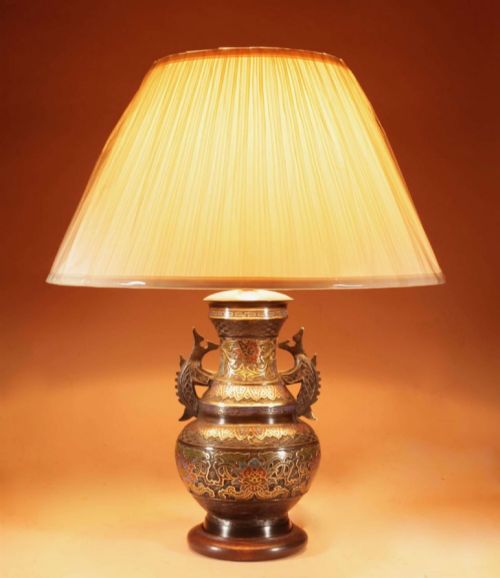
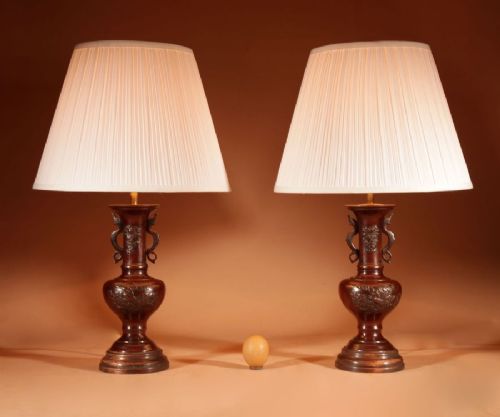
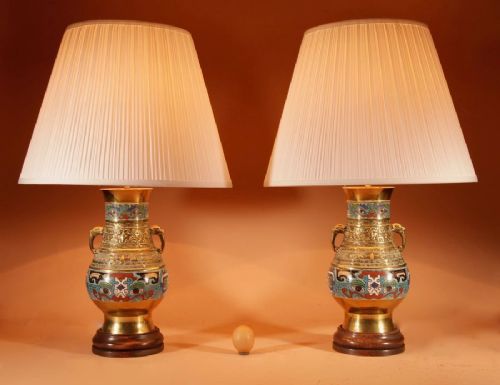
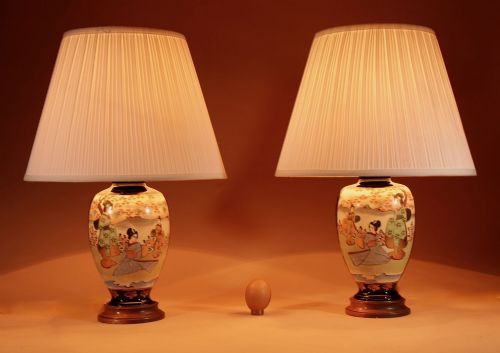
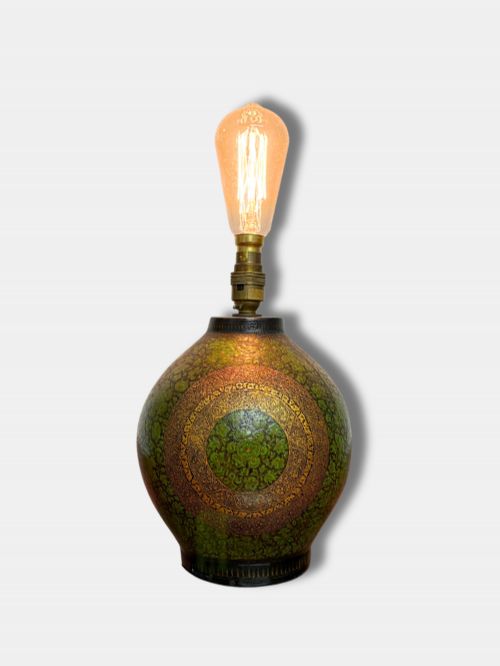
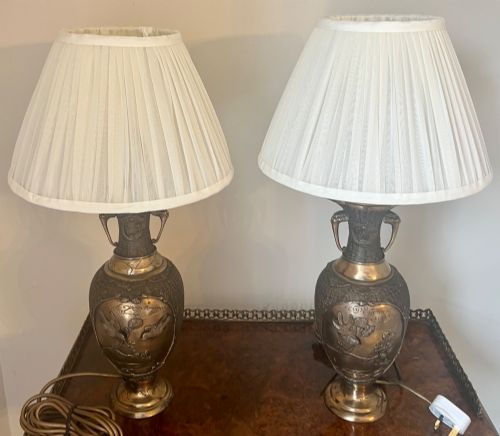
Many tables incorporate inset slabs of variegated rouge marble or other decorative stones fitted precisely into the timber surface. Metal elements also appear across the selection, including cast bronze, brass, and champlevé enamel applied to lamps and mountings.
The listings span the 19th Century, Victorian era, and early 20th Century, constructed from hardwood, marble, bronze, and brass.
Distinctions in quality
Quality rests in the crispness of the wood carving and the weight of the timber selected for the frame. Dense rosewoods and padouk carved with deep, defined relief work represent the upper tier of production.
The integration of the marble insert into the wooden top demonstrates the maker's skill. Tightly fitted stone without excessive filler material separates standard utility stands from finer decorative pieces.
Liberty of London·Hicks and Meigh
The Antique Oriental Urn Table Glossary
- Jardiniere
- A large ceramic or metal bowl designed to hold a plant or floral arrangement. These vessels frequently stood atop low wooden tables.
- Hongmu
- A category of dense, dark hardwood utilised by Chinese cabinetmakers for fine furniture and display stands. The term translates to red wood.
- Champlevé
- An enamelling technique where troughs are dug into a metal surface and filled with vitreous enamel before firing. This method appears on decorative bronze lamps.
- Meiji
- The period in Japanese history spanning from 1868 to 1912, characterised by extensive artistic production for export markets. Pieces from this era often display mixed metals or detailed bronze work.
Antique Oriental Urn Table: Frequently Asked Questions
What is an antique oriental urn table used for?
These pieces serve primarily as stands for heavy vases, plants, or decorative urns within a room. Their sturdy timber frames provide a stable platform for display.
Historically, homeowners placed them in prominent interior spaces to elevate significant ceramic or bronze objects off the floor.
How do I identify a Qing Dynasty stand?
Qing Dynasty stands typically feature dense carved hardwoods like rosewood or padouk combined with inset marble tops. The carving often displays traditional floral or geometric motifs executed in deep relief.
Examining the construction methods underneath helps distinguish nineteenth-century examples from later reproductions.
Are marble top stands fragile?
The heavy marble inserts provide considerable weight and stability to the base of the stand. While the stone itself is durable, care must be taken when moving the combined wooden and stone structure.
Lifting the piece by the frame rather than the top ensures the joinery remains secure.
What distinguishes Meiji period bronze work?
Meiji period bronze items often incorporate mixed metals, fine champlevé enamel, or intricate hand-carved surface details. Japanese artisans during this era produced decorative vessels and lamps intended for international export.
The weight of the metal and the precision of the surface decoration indicate the standard of the workshop.